Dilijan
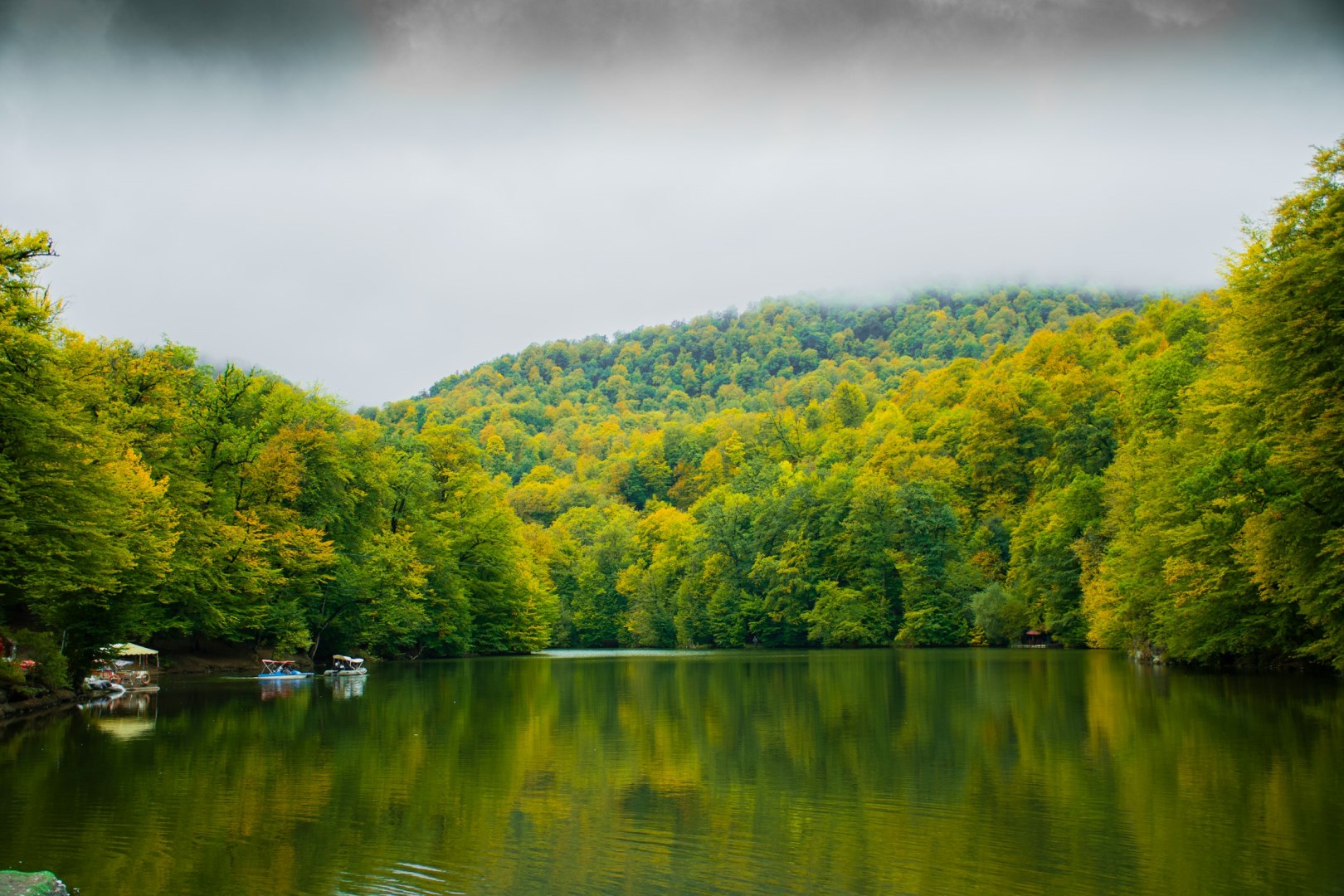
Dilijan is a town in Armenia's Tavush Province, surrounded by forested mountains, streams, and highland meadows. The town lies within the landscape of Dilijan National Park, where oak, beech, and hornbeam forests cover much of the surrounding hills. Dilijan is also known for its traditional architecture, craft workshops, and location between Lake Sevan and the forested valleys of northeastern Armenia. Its setting has long supported agriculture, forestry, and mineral-water traditions.
Grand Cayman
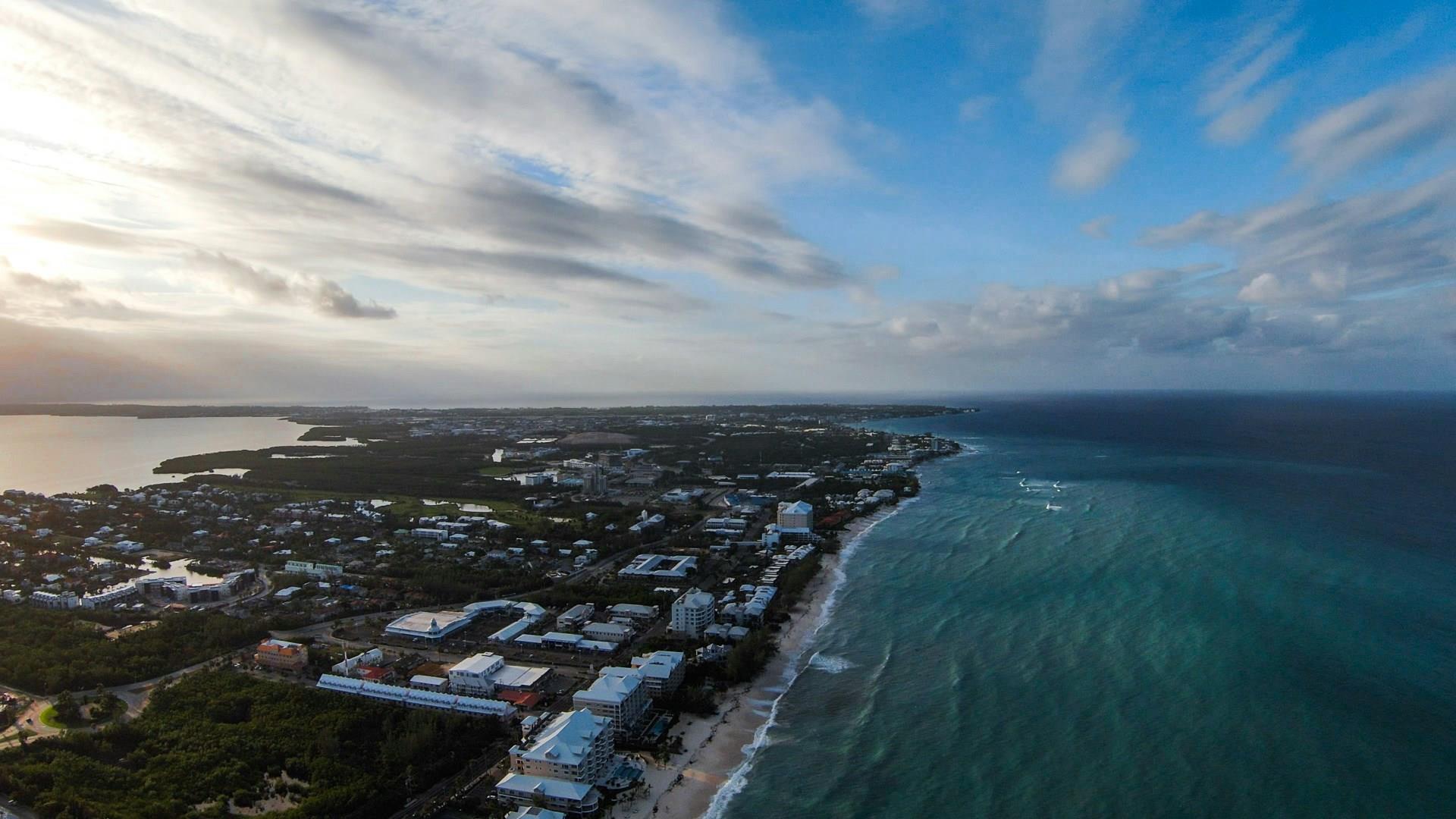
Grand Cayman, the largest of the Cayman Islands, is a Caribbean paradise offering stunning beaches, world-class diving, and a rich blend of culture and luxury. Seven Mile Beach, often ranked as one of the most beautiful beaches in the world, is the island’s crown jewel. Its powdery white sands and crystal-clear waters are perfect for swimming, snorkeling, or simply relaxing under the sun. Luxury resorts and beachfront restaurants dot the coastline, providing both indulgence and accessibility to
Gili Indah
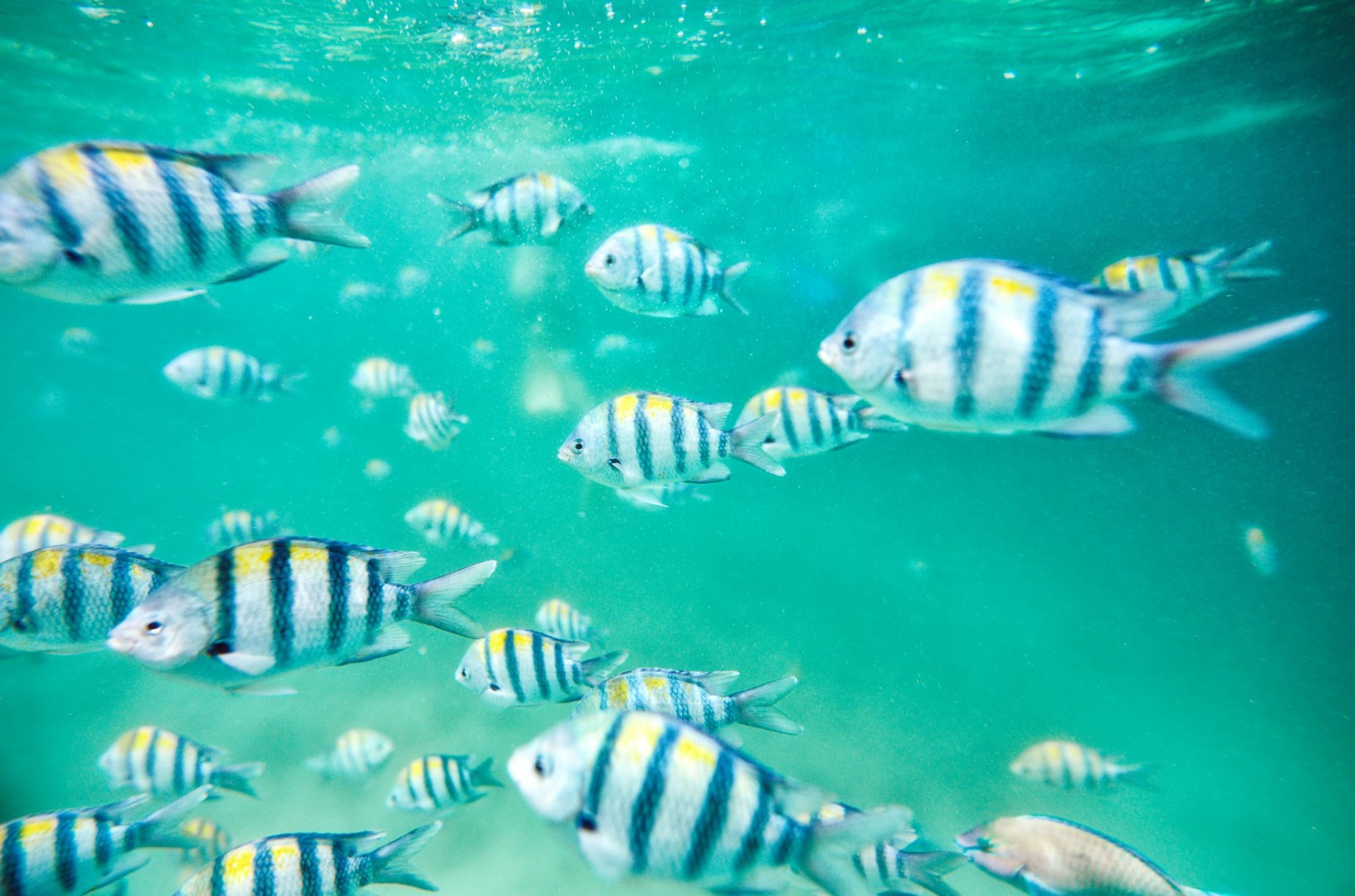
Gili Indah is a village and administrative area in North Lombok Regency, West Nusa Tenggara, encompassing the three well-known Gili Islands: Gili Trawangan, Gili Meno, and Gili Air. The area lies off the northwest coast of Lombok and includes beaches, coral reefs, shallow lagoons, and small coastal communities.
Hikkaduwa
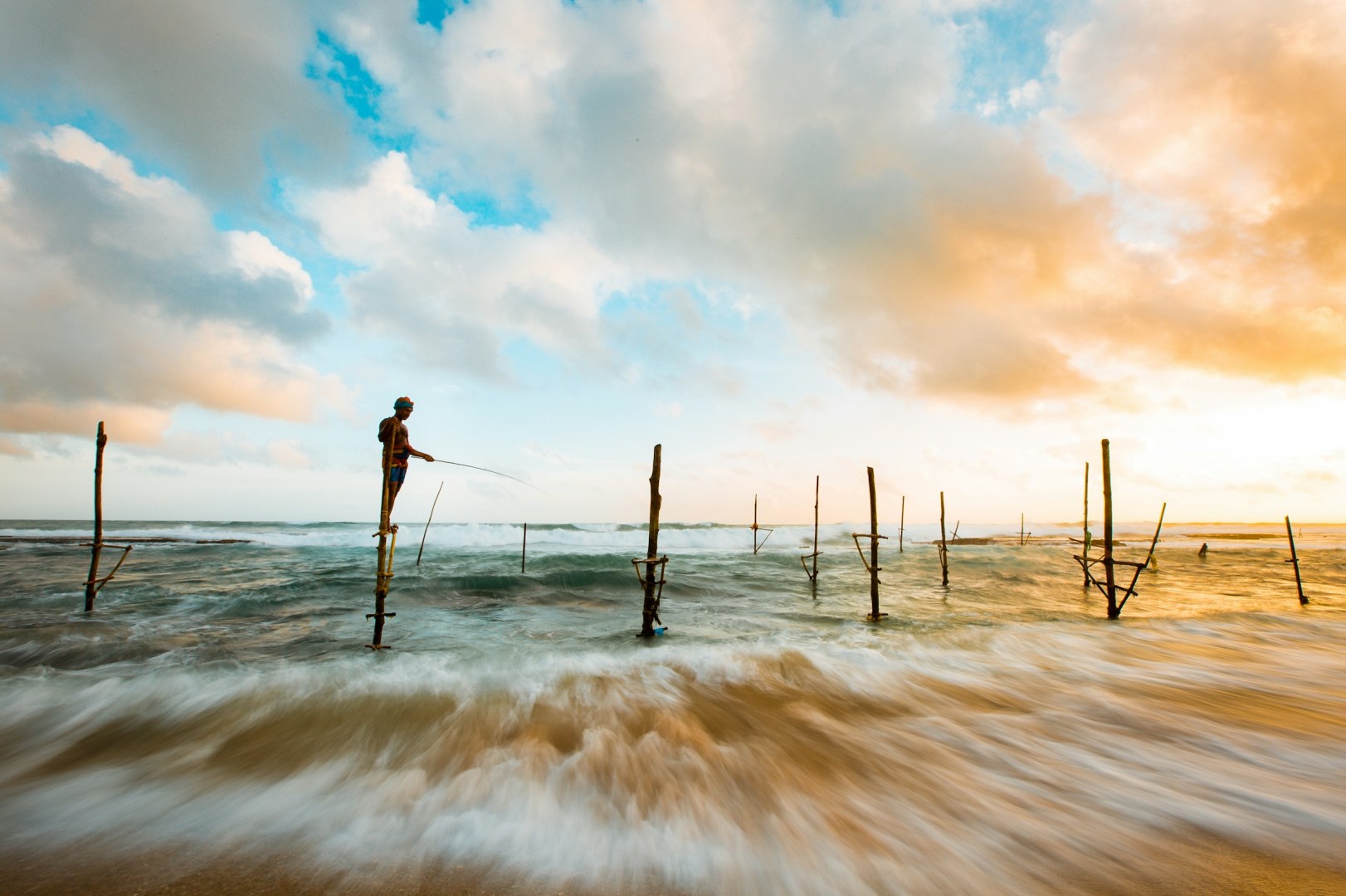
Hikkaduwa is a coastal town in Sri Lanka’s Southern Province, known for its long sandy shoreline, surf breaks, and protected marine environment. Located along the coast between Colombo and Galle, it has developed around the sea, with beachfront restaurants, guesthouses, surf schools, and dive operators forming an important part of local life. The town is particularly associated with Hikkaduwa National Park, a shallow marine area containing a fringing coral reef close to shore. Its accessible ree
Adara
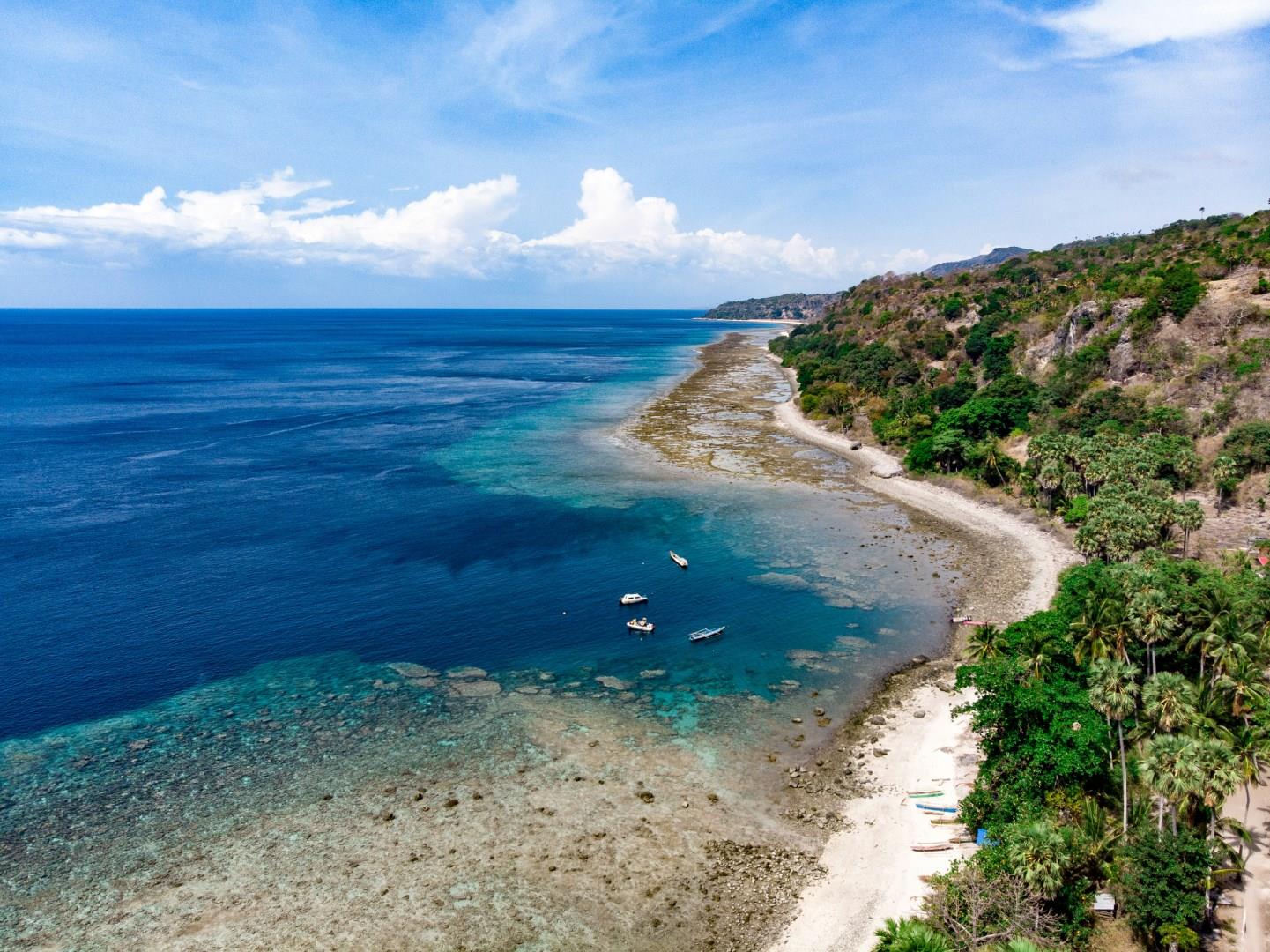
Adara is a small, remote village on Atauro Island in Timor-Leste, known for its quiet charm and deep connection to the sea. Nestled between steep mountain slopes and the turquoise waters of the Wetar Strait, the community lives largely from fishing and small-scale agriculture.