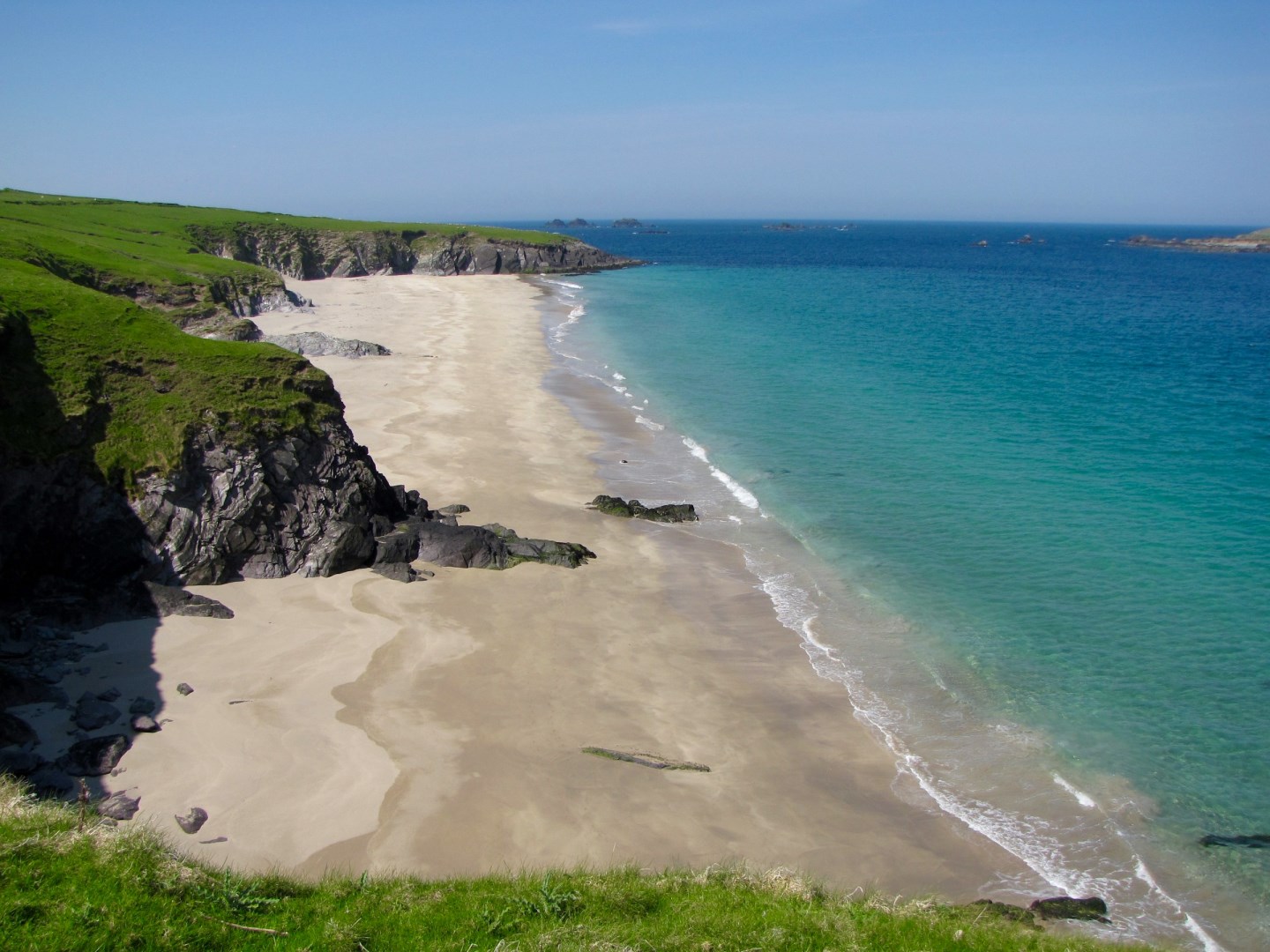
Great Blasket Island, or An Blascaod Mór, lies off the western tip of the Dingle Peninsula in County Kerry, separated from the mainland by the Blasket Sound. The island is the largest of the Blasket Islands and is characterized by steep hills, rugged cliffs, grassy slopes, and the long sandy beach of An Trá Bán. Its small settlement is now deserted, with stone cottages and field boundaries remaining across the hillside.
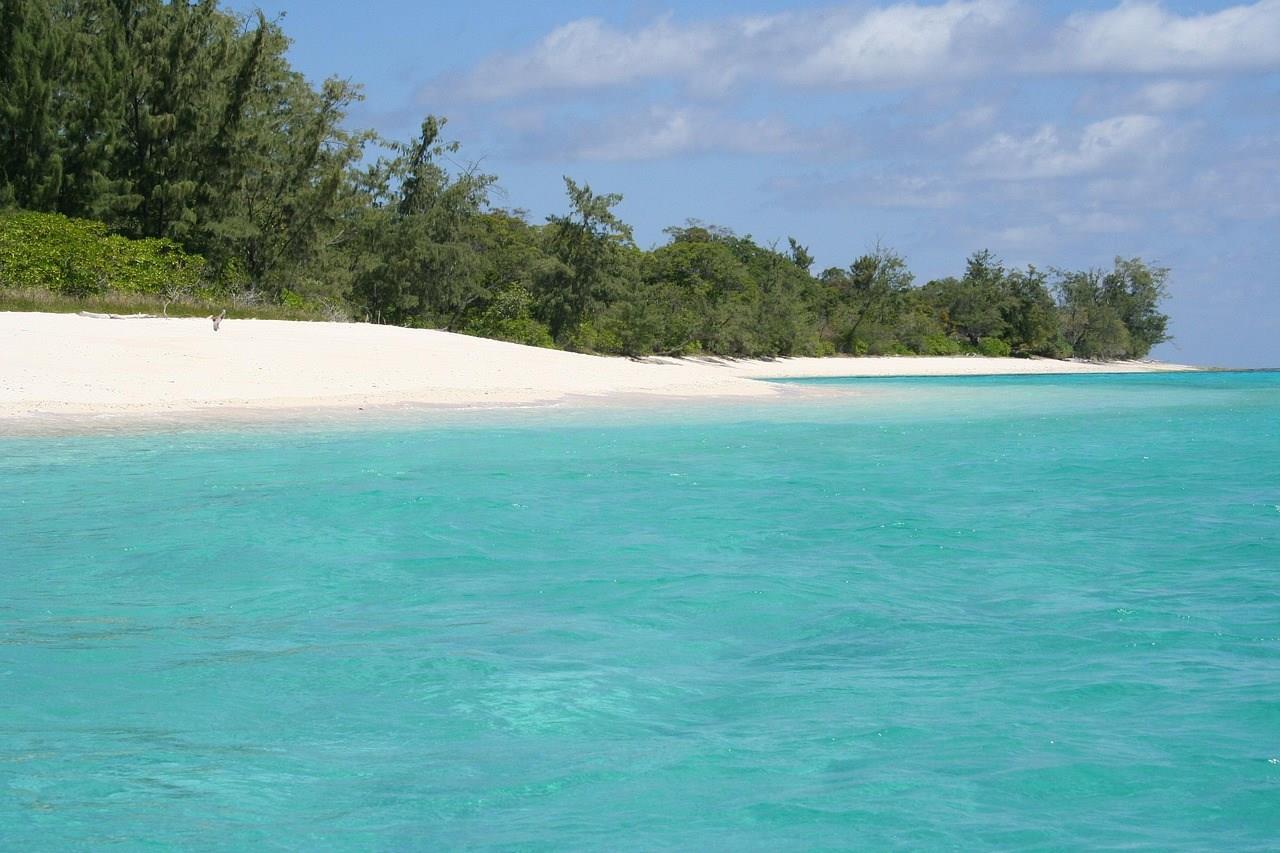
Timor-Leste, one of the world’s youngest nations, is a place where resilience and cultural richness shape everyday life. Its history is deeply marked by centuries of Portuguese colonial rule, followed by Indonesian occupation and a long struggle for independence, achieved in 2002.
The Temple of Horus at Edfu has a massive entrance pylon covered with sunk relief carvings. This Ptolemaic temple was constructed between 237 and 57 B.C.E.
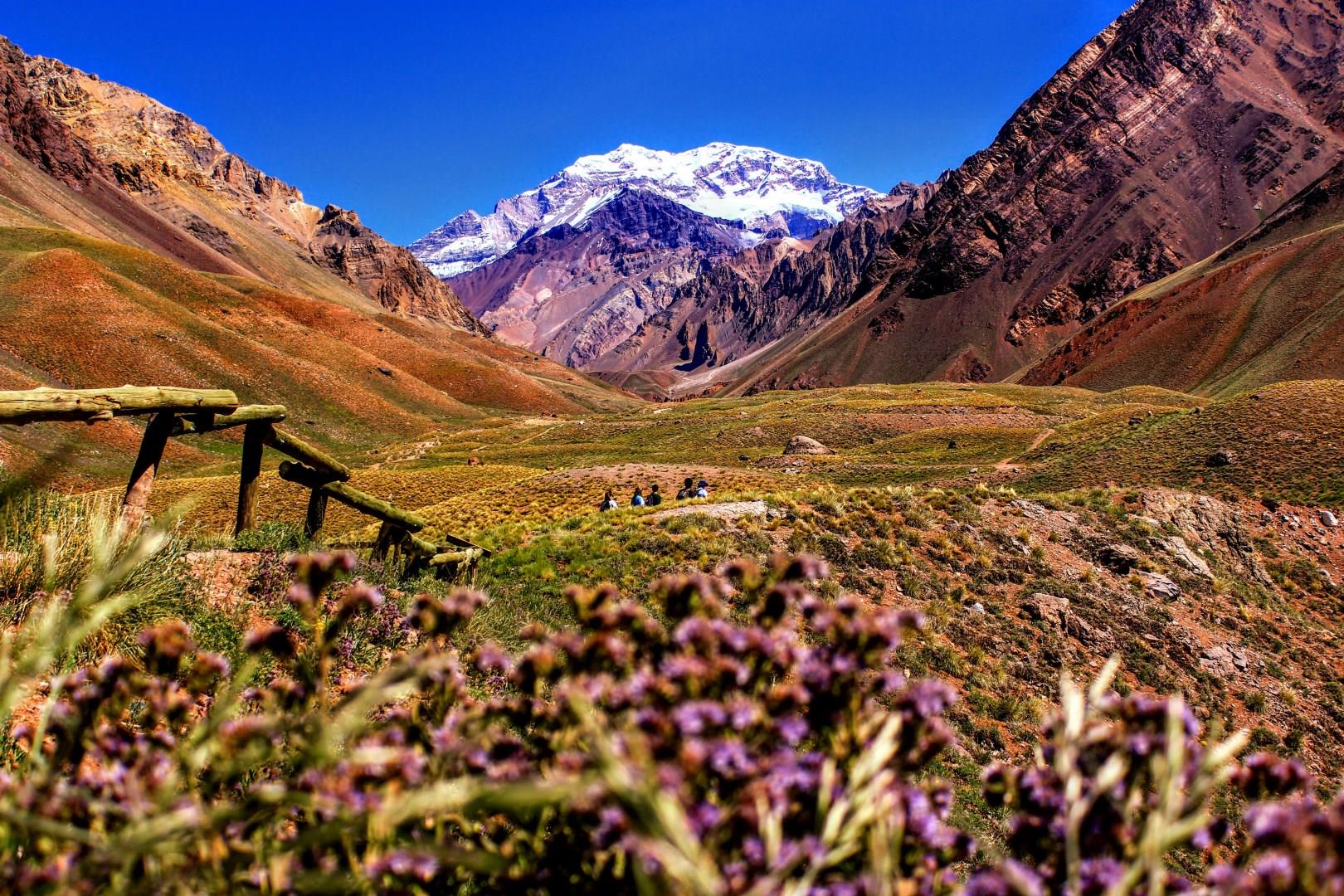
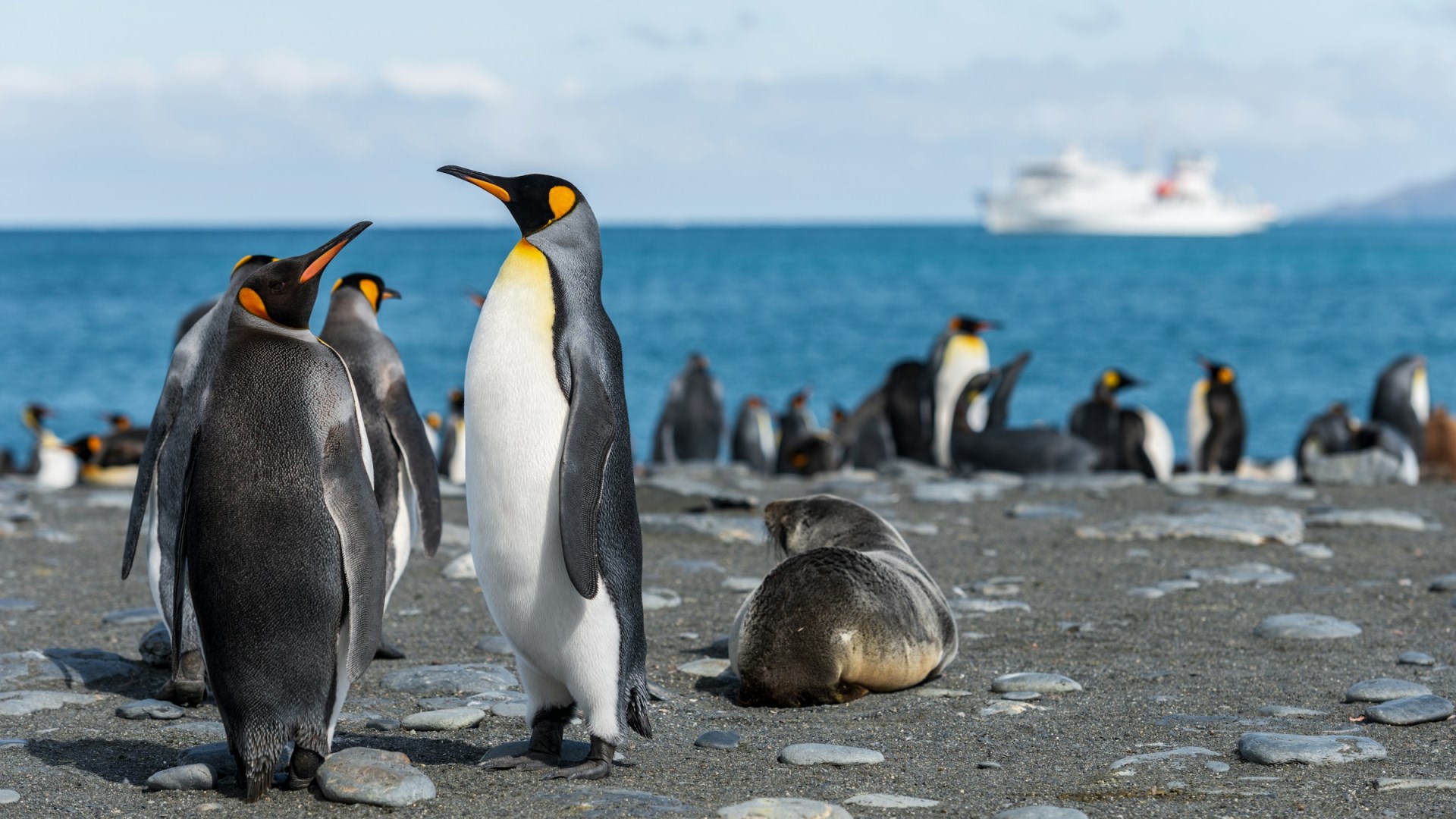
Gold Harbour is a small bay on the southeastern coast of South Georgia, where a narrow beach sits beneath steep mountains and hanging glaciers. The site is known for its rich concentration of wildlife and its dramatic setting, with the snow-covered Salvesen Range forming a backdrop behind the shoreline. The name reflects the golden appearance of the cliffs and mountains when illuminated by low sunlight.
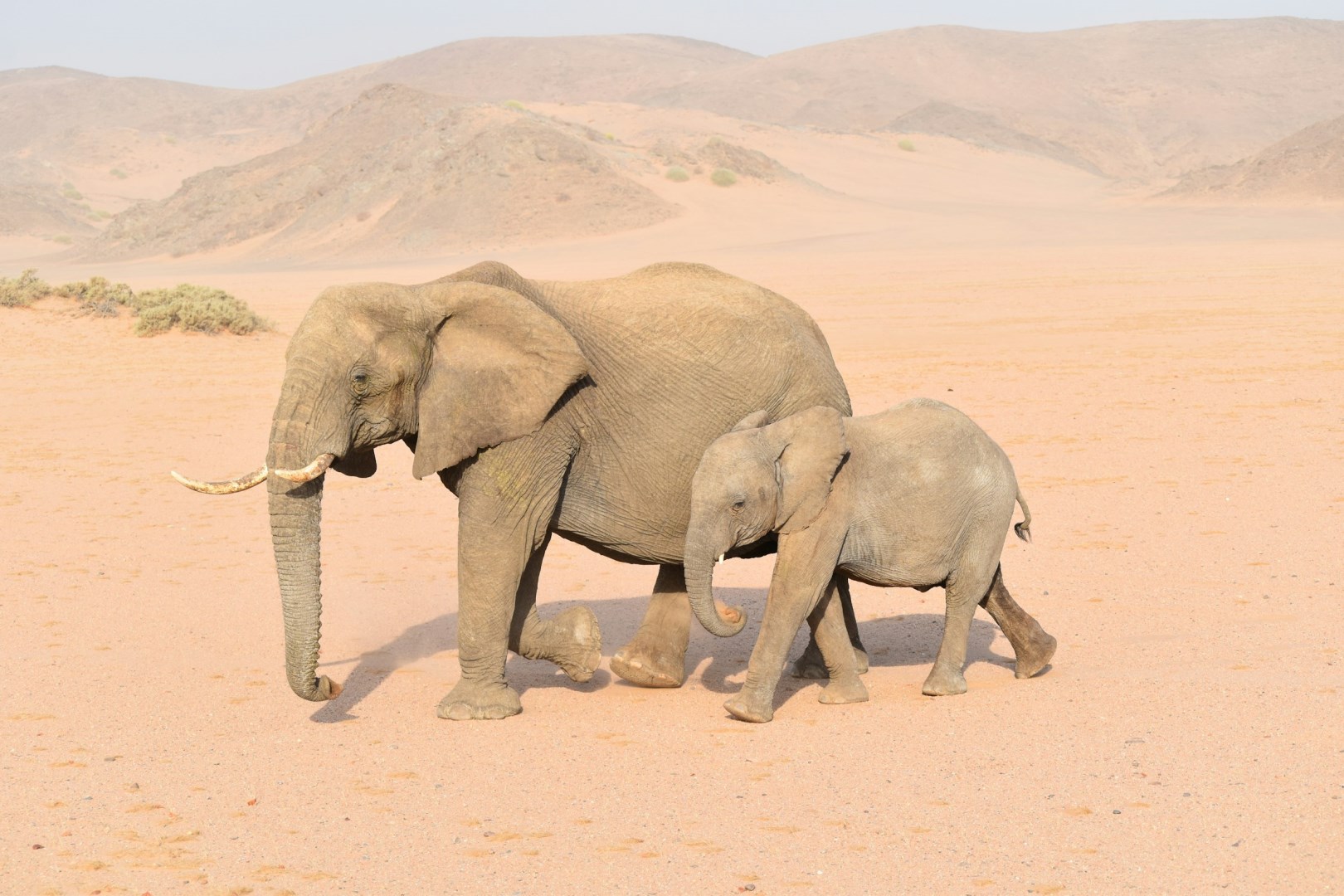
Photo Credit: Photo by Patrick Duvanel on Unsplash
Photo Credit: Photo by Eelco Böhtlingk on Unsplash
Photo Credit: Photo by Claudio Piacentino on Unsplash
Photo Credit: Photo by Eelco Böhtlingk on Unsplash
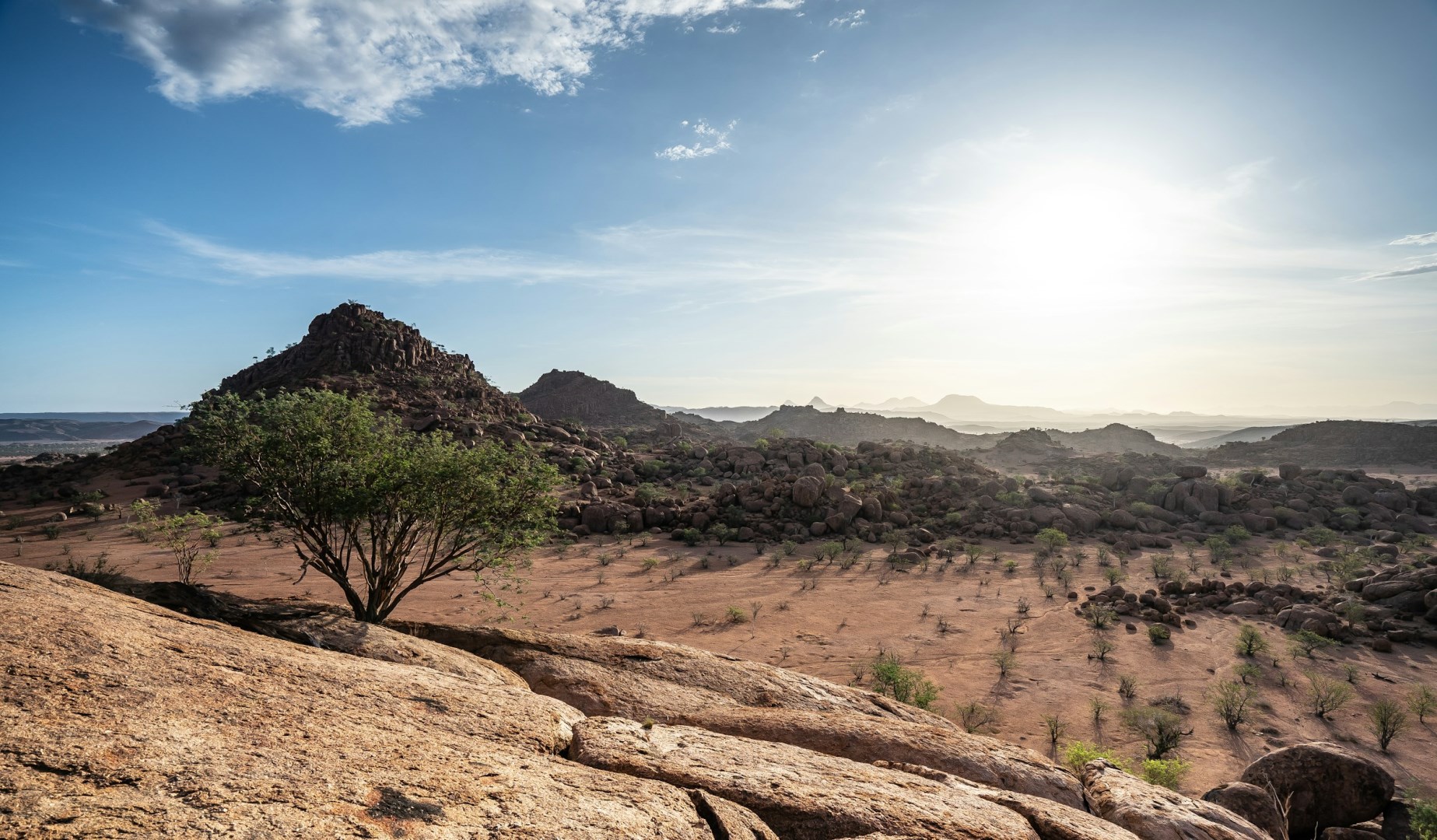
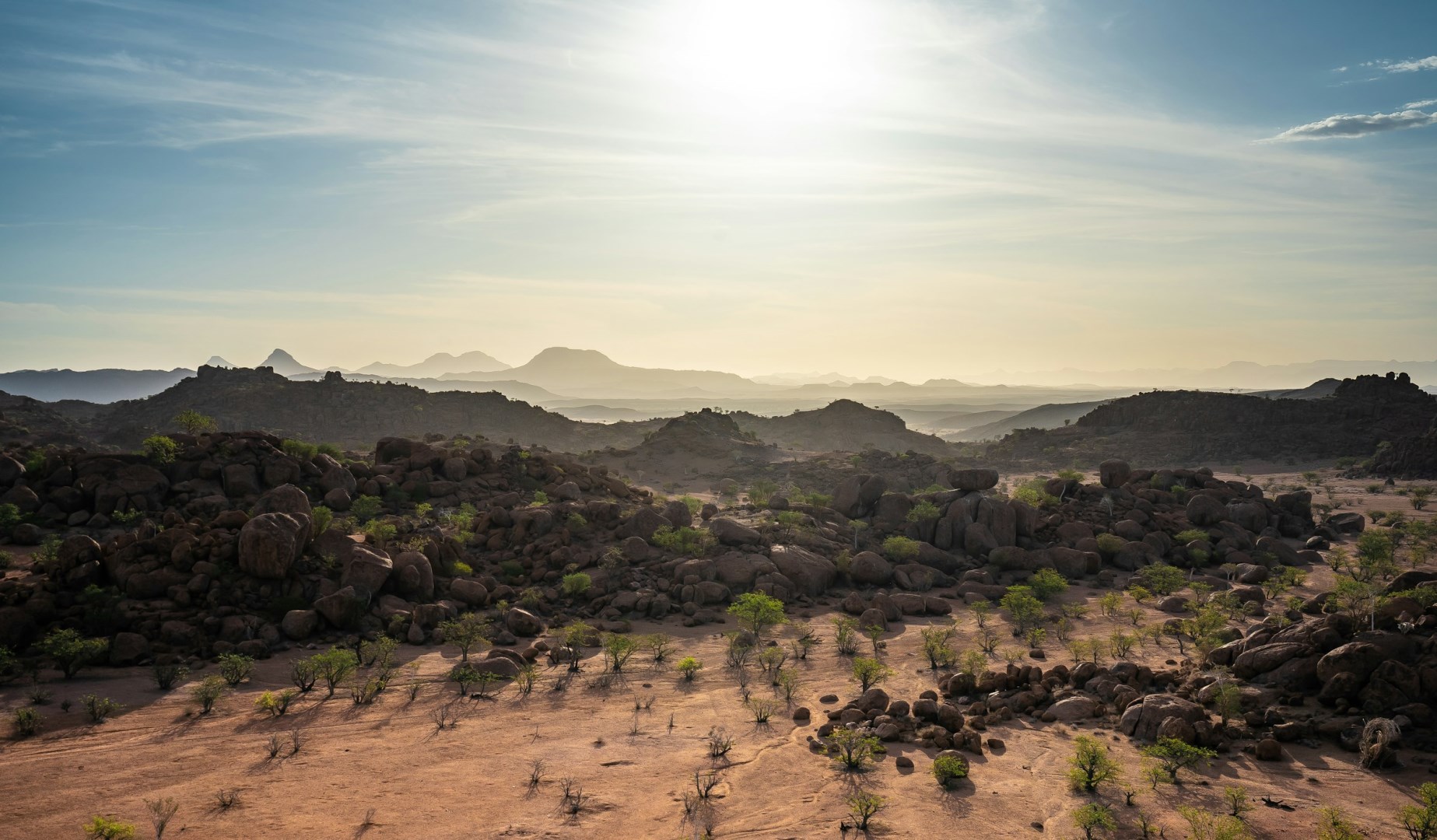
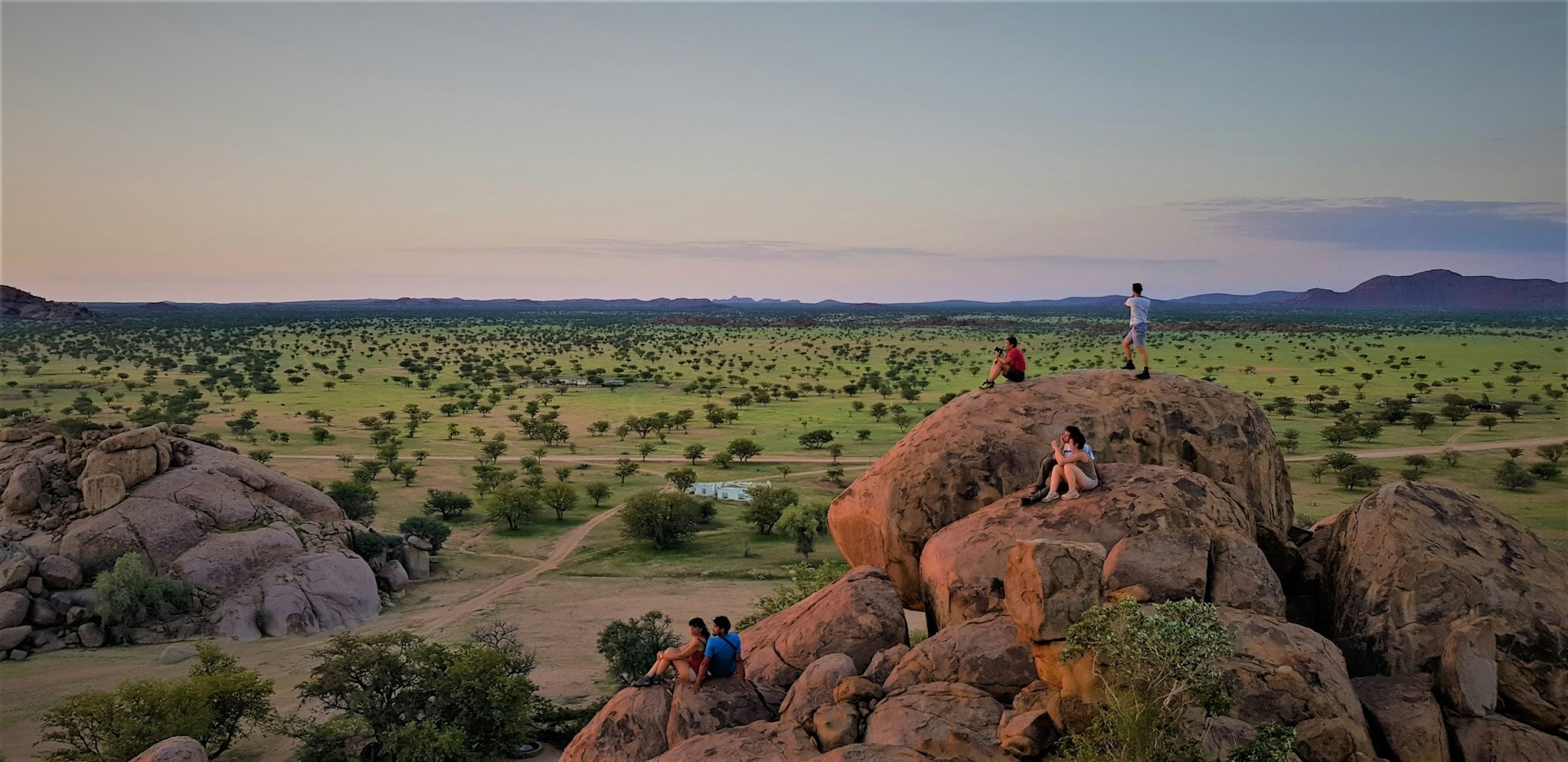
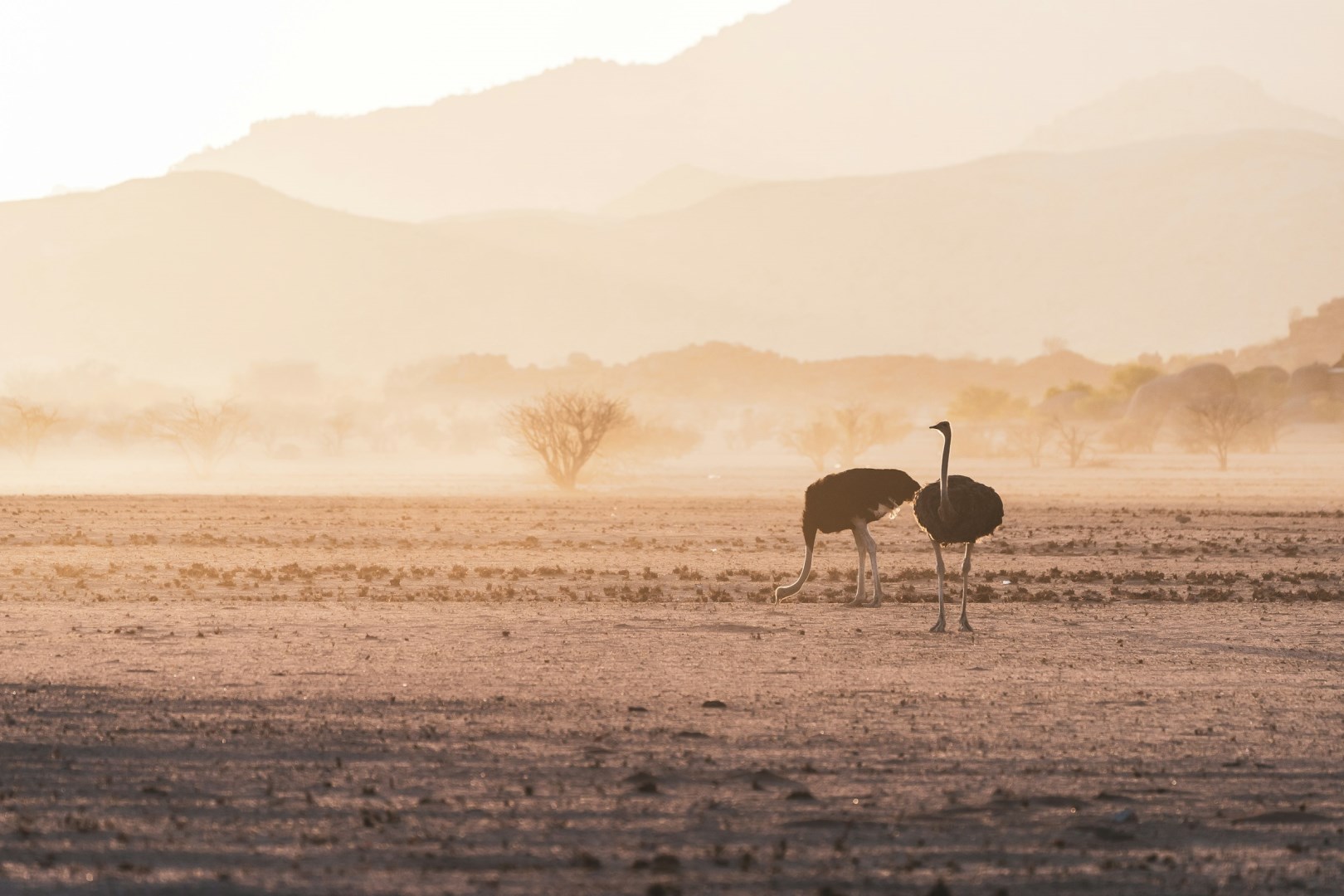
Damaraland, located in northwestern Namibia, is a mesmerizing landscape where ancient history and natural beauty converge. This rugged region, part of the larger Kunene region, is renowned for its dramatic landscapes, including the breathtaking Brandberg Mountain, the highest peak in Namibia. The Brandberg is not only a natural wonder but also a treasure trove of prehistoric rock art, including the famous White Lady painting, which dates back over 2,000 years.
For wildlife enthusiasts, Damaraland offers a rare glimpse of desert-adapted elephants, which roam this arid terrain in search of scarce water sources. These resilient giants are part of the region’s unique wildlife experience, which also includes sightings of black rhinos and various antelope species. The opportunities for game viewing and tracking in Damaraland are unparalleled, providing a once-in-a-lifetime chance to witness these majestic animals in their natural habitat.
The area is also home to the Huab River, a seasonal river that supports a variety of wildlife and provides stunning scenery. Visitors can explore the riverbed and surrounding areas on guided tours, which often include walks with local guides who share insights into the region’s flora, fauna, and traditional cultures. The hospitality of local lodges, offers an immersive experience in this remote wilderness.
Fun fact: The name "Damaraland" is derived from the indigenous Damara people, who have lived in the region for centuries. Their traditional knowledge of the land, including survival strategies in the harsh environment, adds a rich cultural layer to the natural beauty of the area.
Other Popular Destinations in Namibia
Etosha National Park
Etosha National Park, located in northern Namibia, is one of Africa’s most renowned wildlife destinations. Covering nearly 8,500 square miles, it is centered around the Etosha Pan, a massive salt flat that can be seen from space. During the dry season, animals gather around waterholes, creating spectacular wildlife viewing opportunities that attract visitors from around the world.
Swakopmund
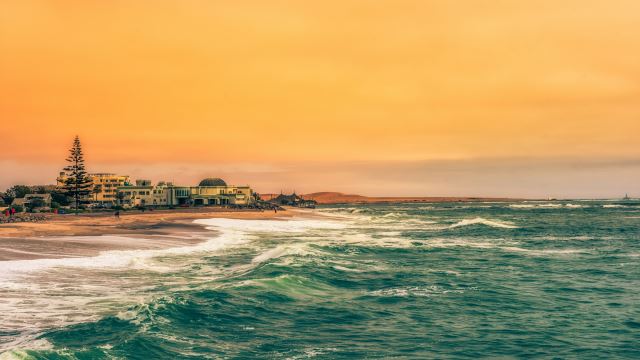
Swakopmund, on Namibia’s Atlantic coast, is a town where desert meets ocean in striking contrast. Founded by German colonists in the late 19th century, its streets are lined with colonial-era buildings painted in pastel colors, giving the town a distinctly European feel.