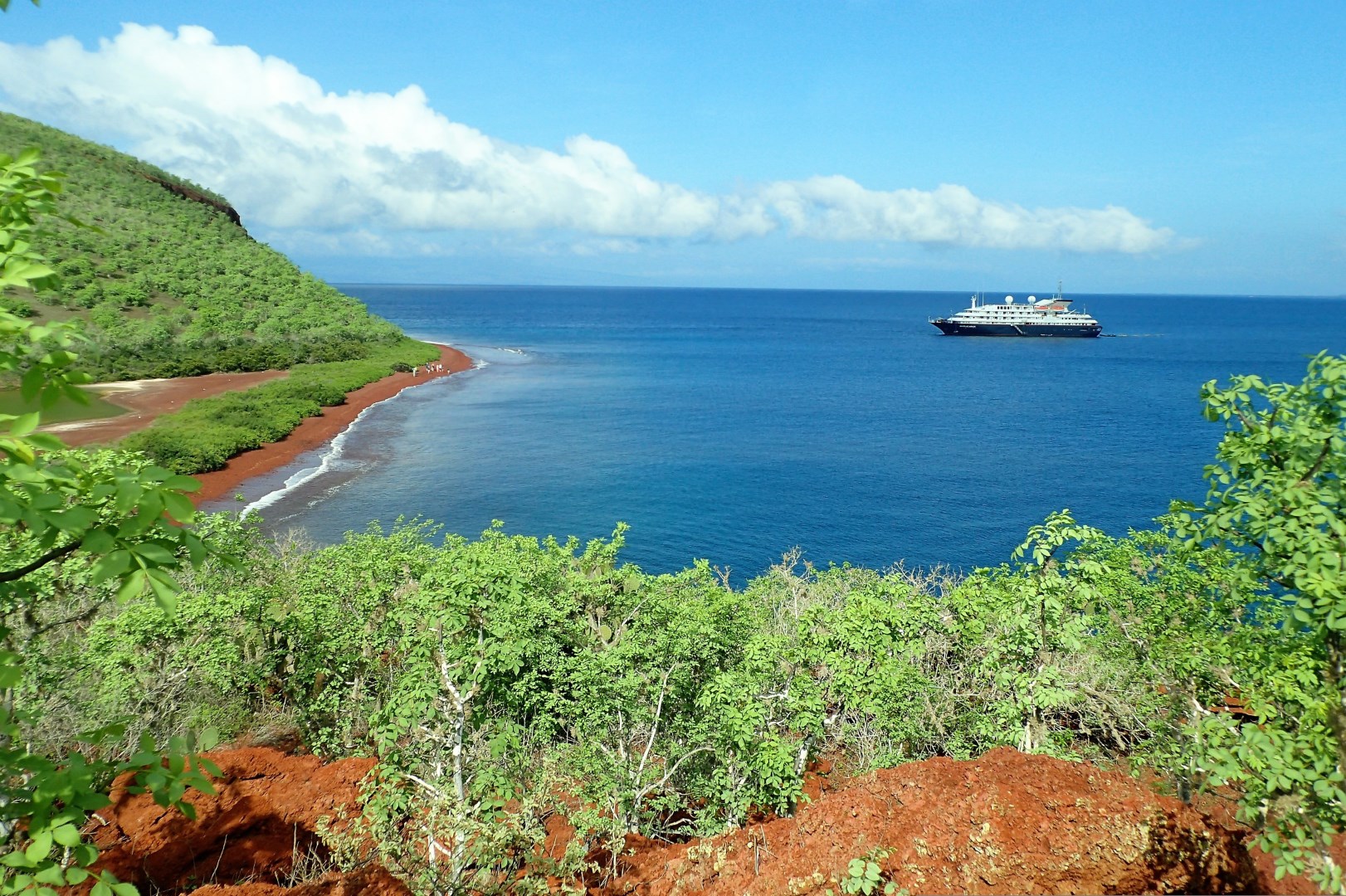
Set in the heart of the Galápagos archipelago, Santiago Island offers a raw and untamed landscape shaped by volcanic forces. Unlike more developed islands in the region, Santiago remains largely uninhabited, giving visitors a rare look at ecosystems that have evolved with minimal human presence. Its coastline shifts from black lava fields to soft sandy beaches, while inland trails reveal hardened flows and scattered vegetation slowly reclaiming the terrain.
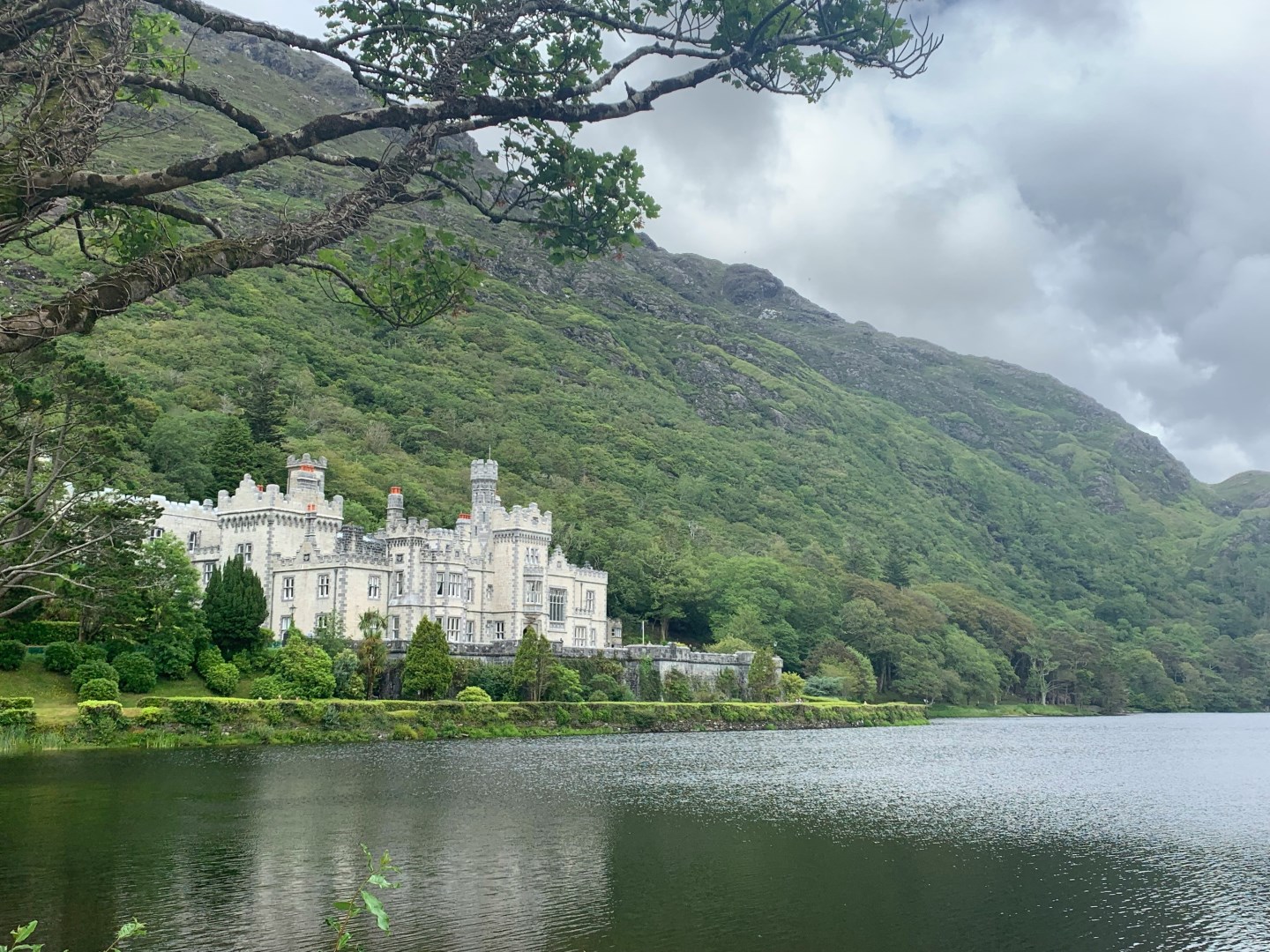
Kylemore, Ireland, sits quietly amidst the mountains and lakes of Connemara, offering visitors a blend of history and scenic views that feels both grand and intimate. The village is best known for Kylemore Abbey, a striking structure set against the backdrop of rolling hills and reflective waters. Visitors approaching the estate are greeted by formal gardens and woodland trails, where the reflections of the abbey shimmer in the calm lake.
Nestled in the heart of New Zealand's South Island, Nelson Lakes National Park is a paradise for nature enthusiasts and adventure seekers alike. This breathtaking park is renowned for its stunning lakes, dense beech forests, and rugged mountains. The twin lakes, Rotoiti and Rotorua, are the park's crown jewels, offering crystal-clear waters framed by lush greenery. Visitors can explore these serene lakes by taking a scenic boat ride or embarking on a picturesque hike along their shores.
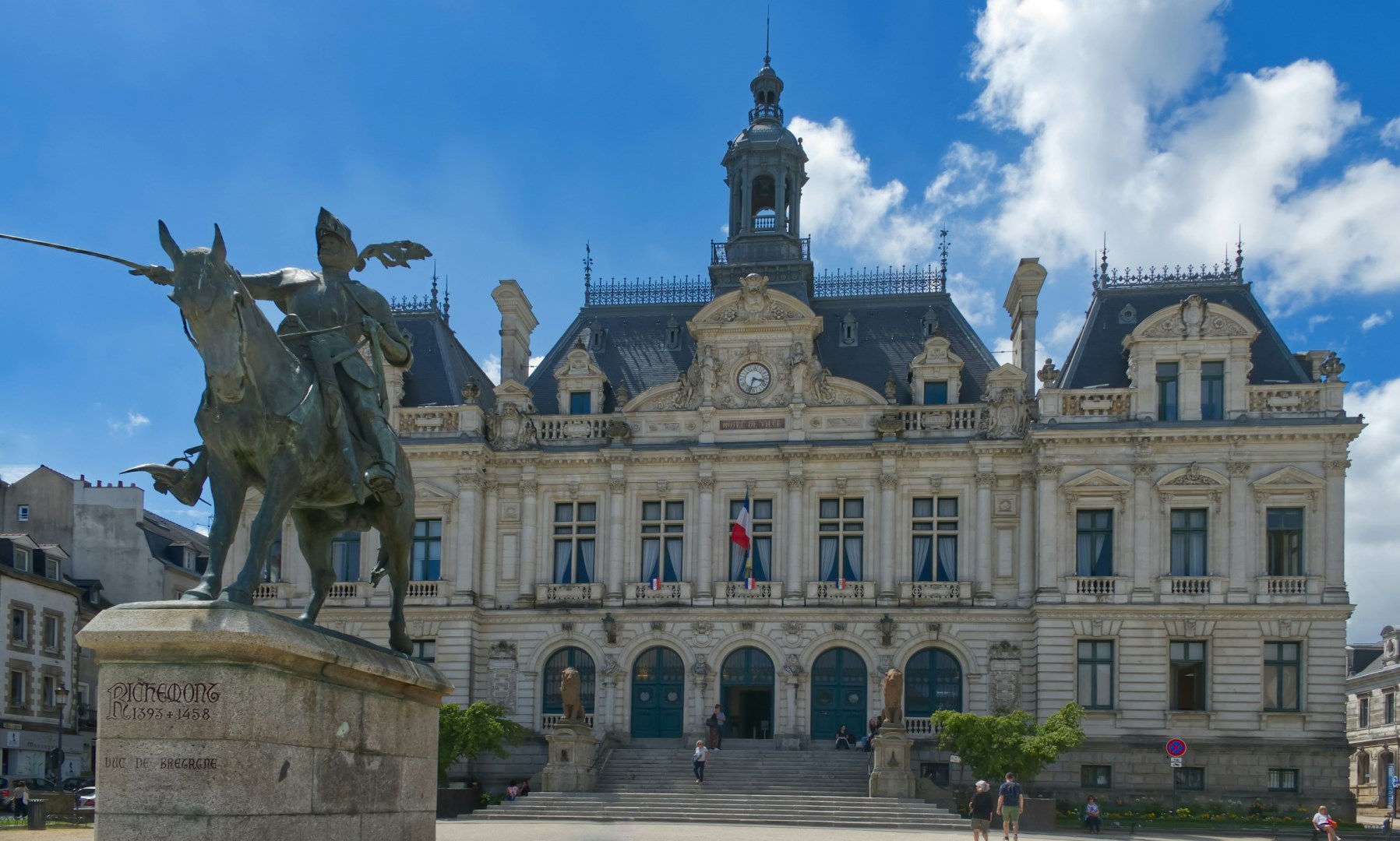
Vannes is a historic port city in Brittany, set at the northern end of the Golfe du Morbihan. Its compact old center is enclosed by medieval fortifications and combines cobbled lanes, half-timbered houses, private mansions, and small squares. The harbor extends the city toward the gulf, making Vannes an important gateway to the islands and coastal landscapes of southern Brittany.
Blaye is a small town on the Gironde estuary in southwestern France, north of Bordeaux, known for its riverside setting, historic citadel, and connection with the vineyards of northern Gironde. The town rises gently from the estuary, with the fortified Citadel of Blaye occupying a prominent position above the water. Its old streets contain stone houses, cafés, and shops, while the waterfront provides views across the broad estuary toward the Médoc peninsula.
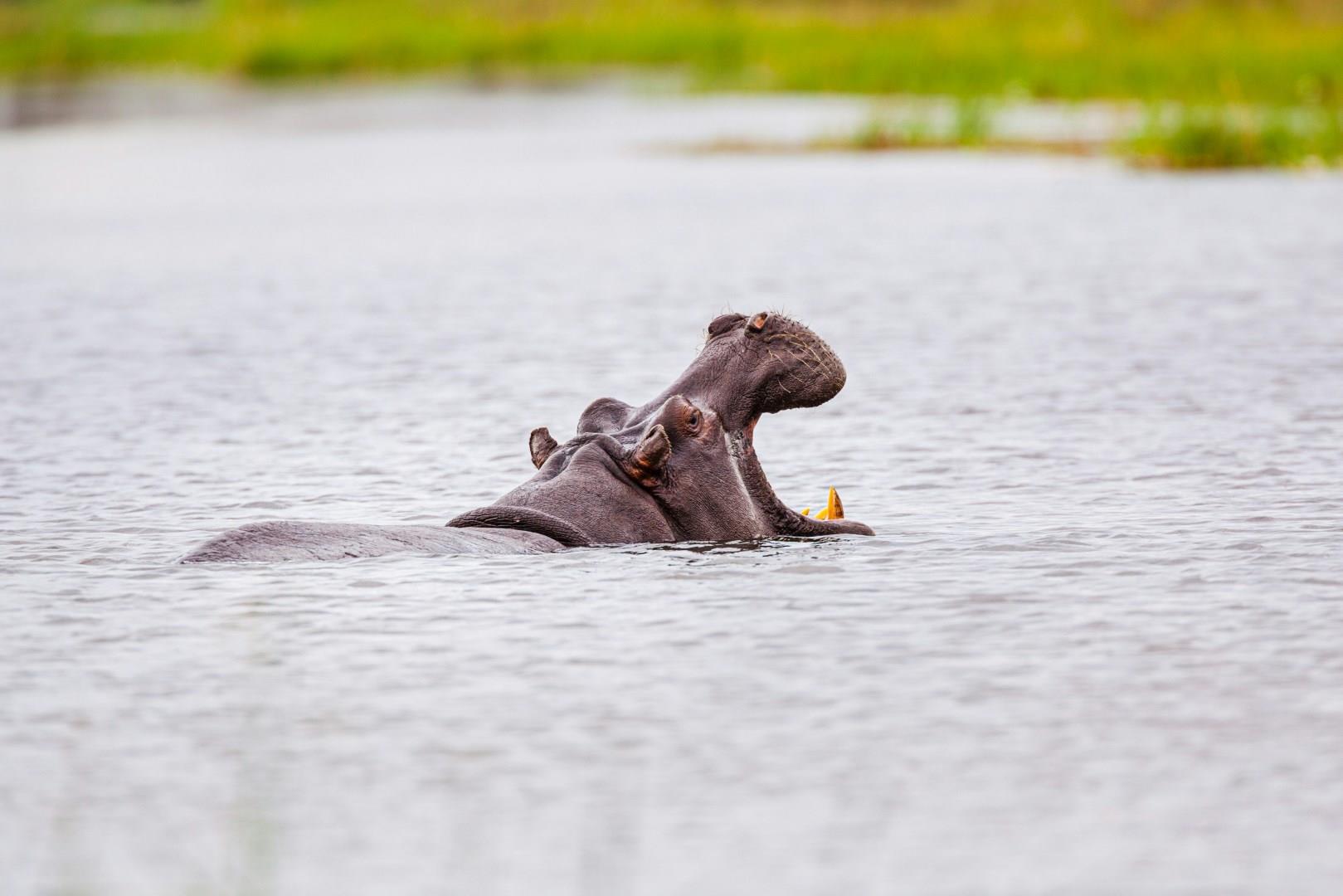
Photo Credit: Photo by Jan Ludwig Tiedemann on Unsplash
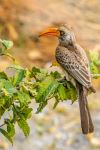
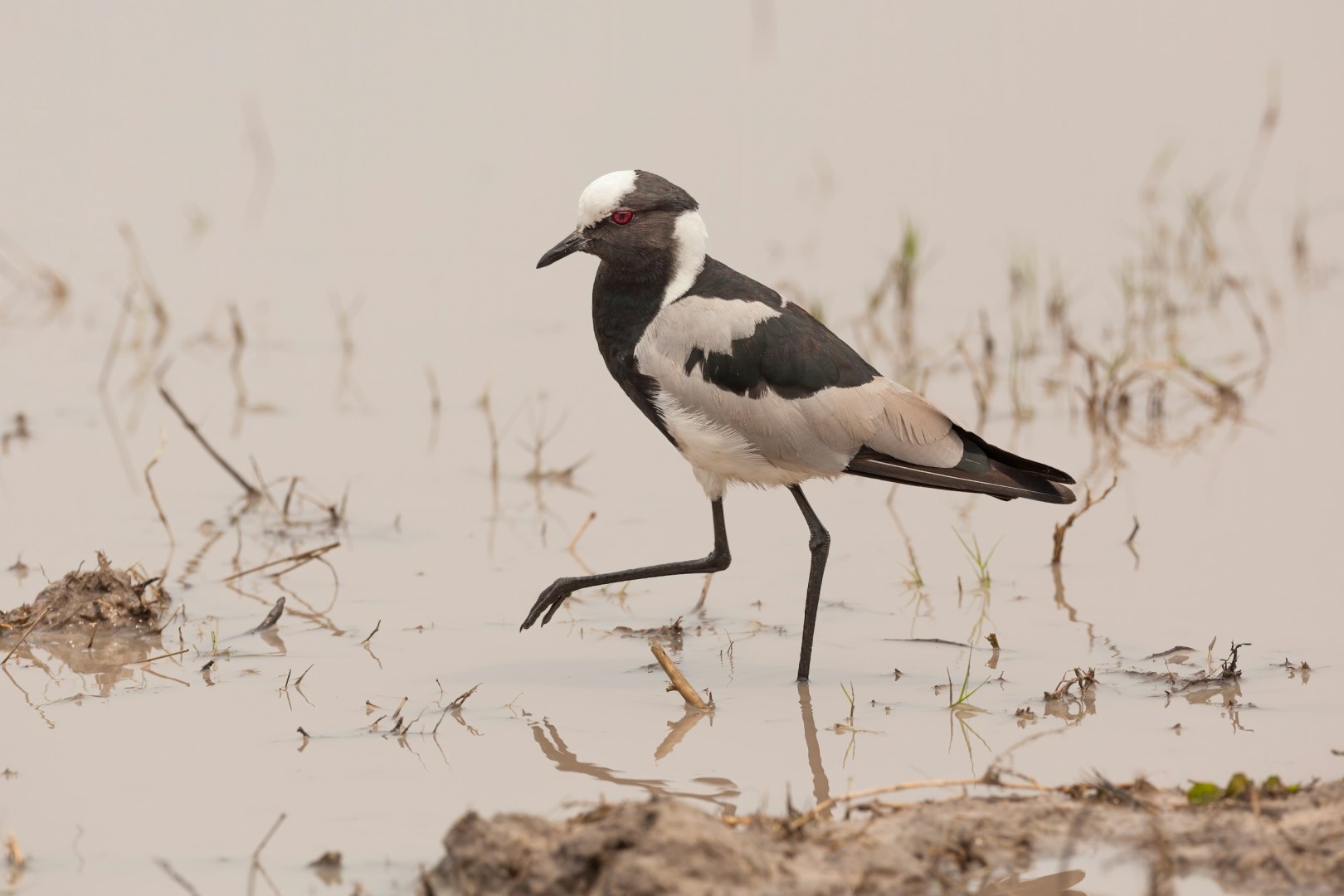
Blacksmith Lapwing
Photo Credit: Photo by Chris Stenger on Unsplash
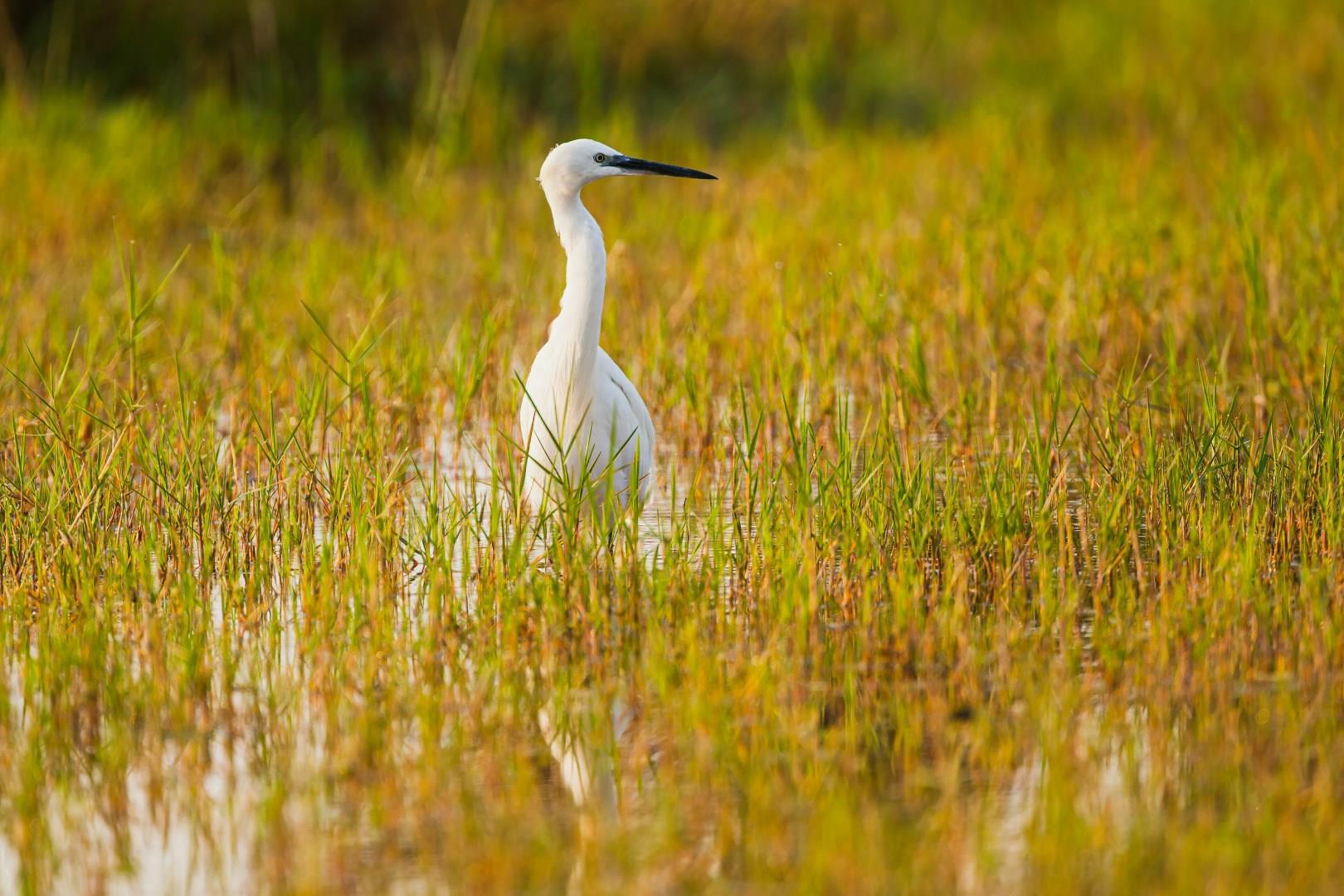
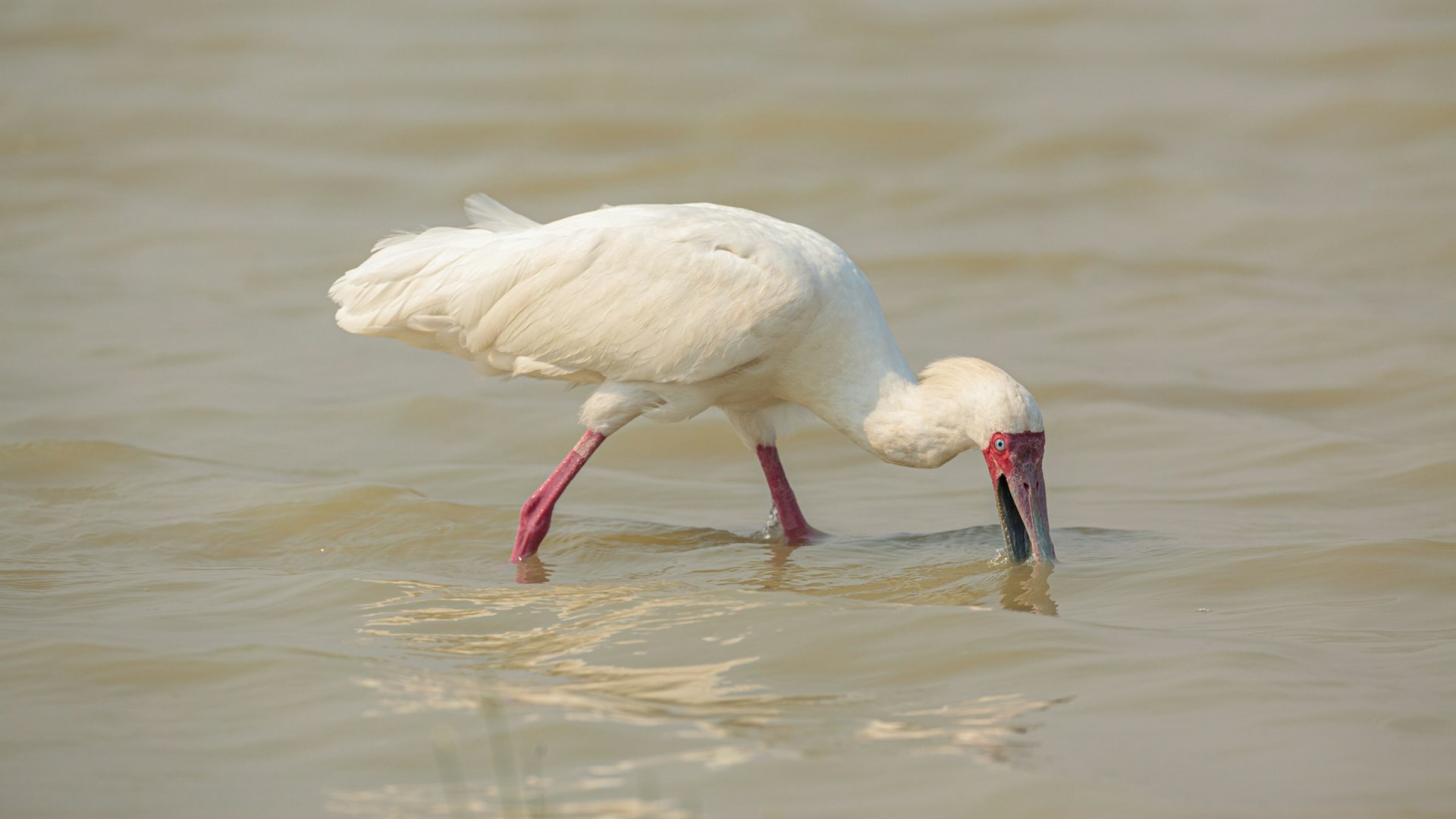
African Spoonbill
Photo Credit: Photo by Chris Stenger on Unsplash
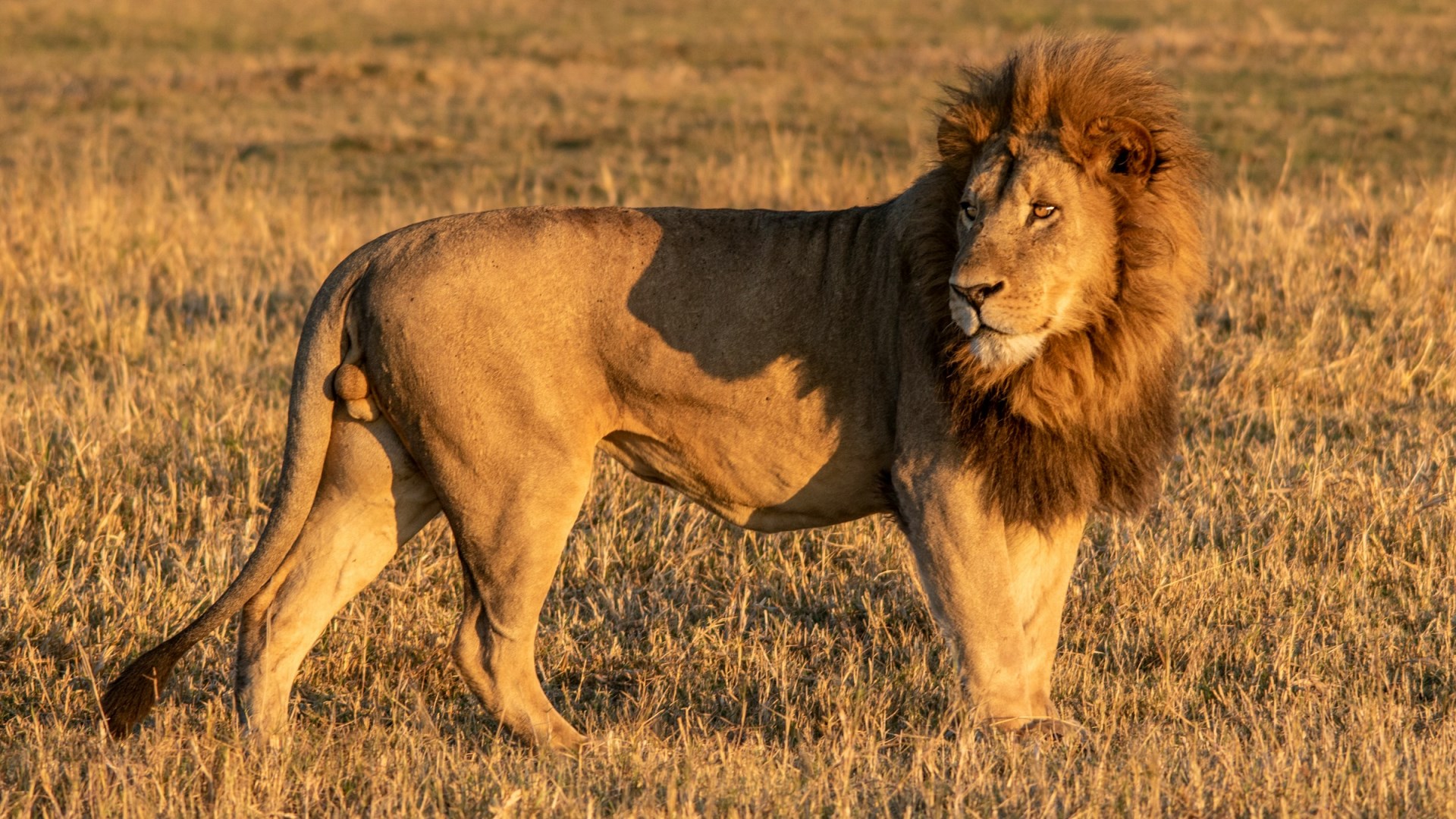
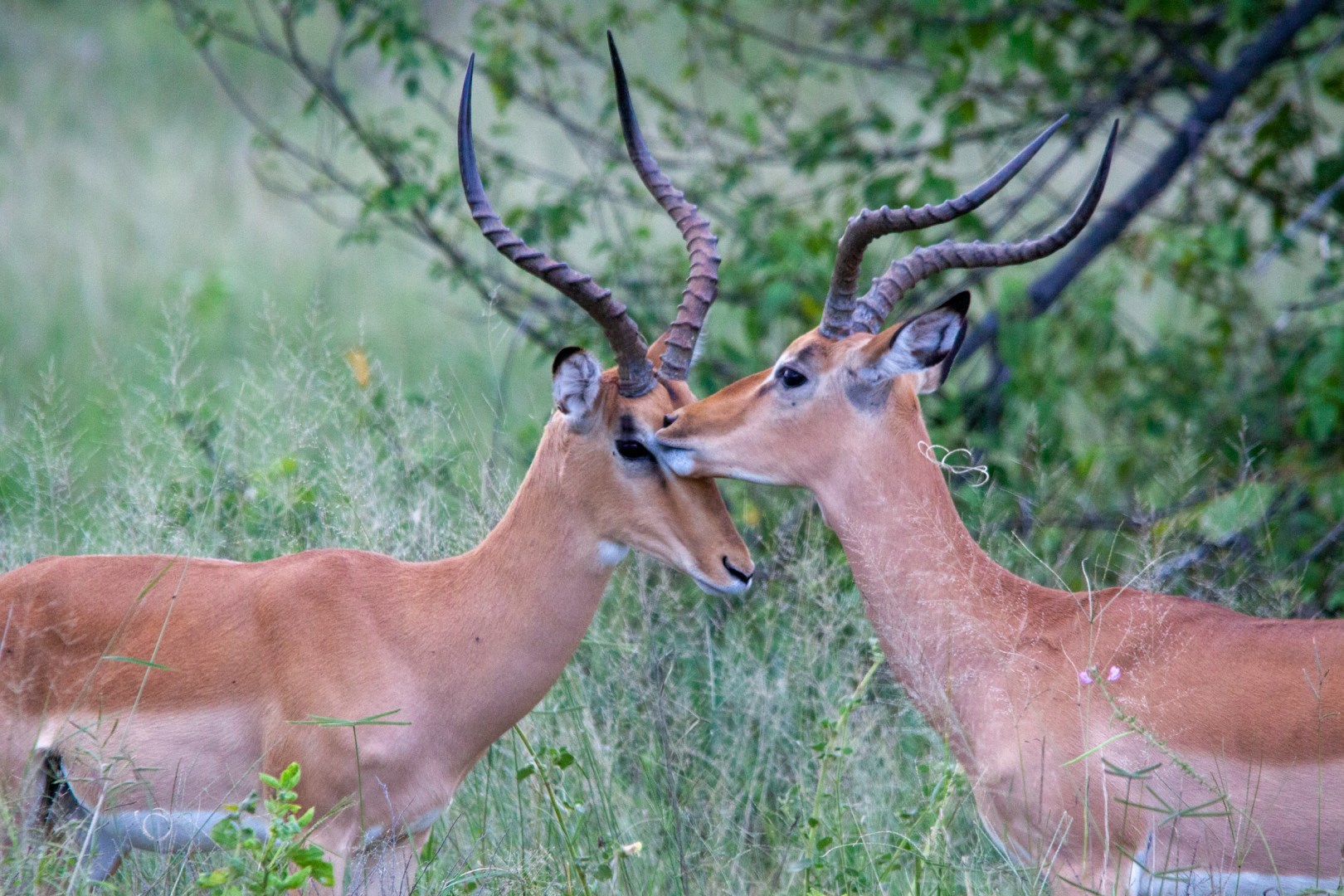
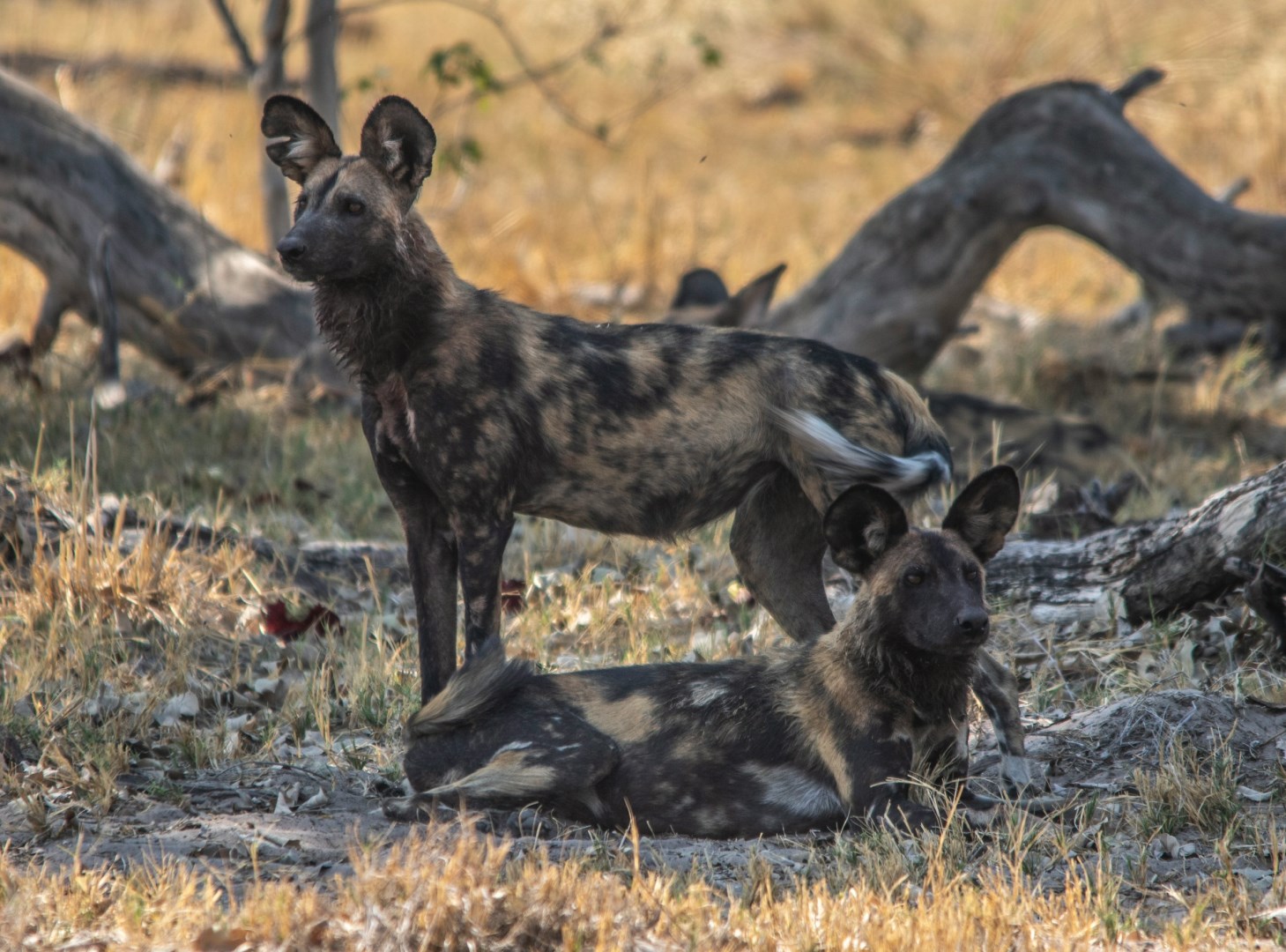
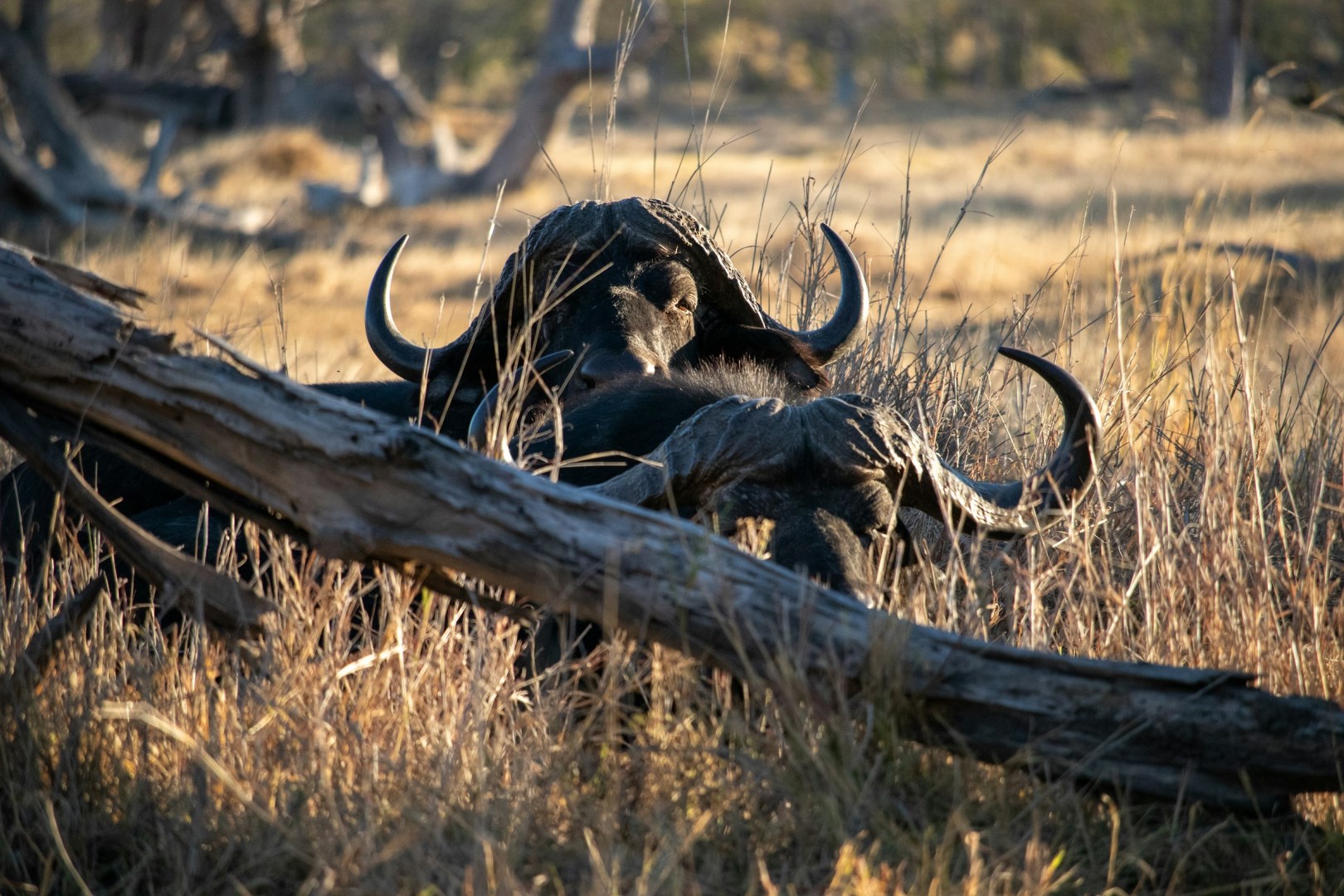
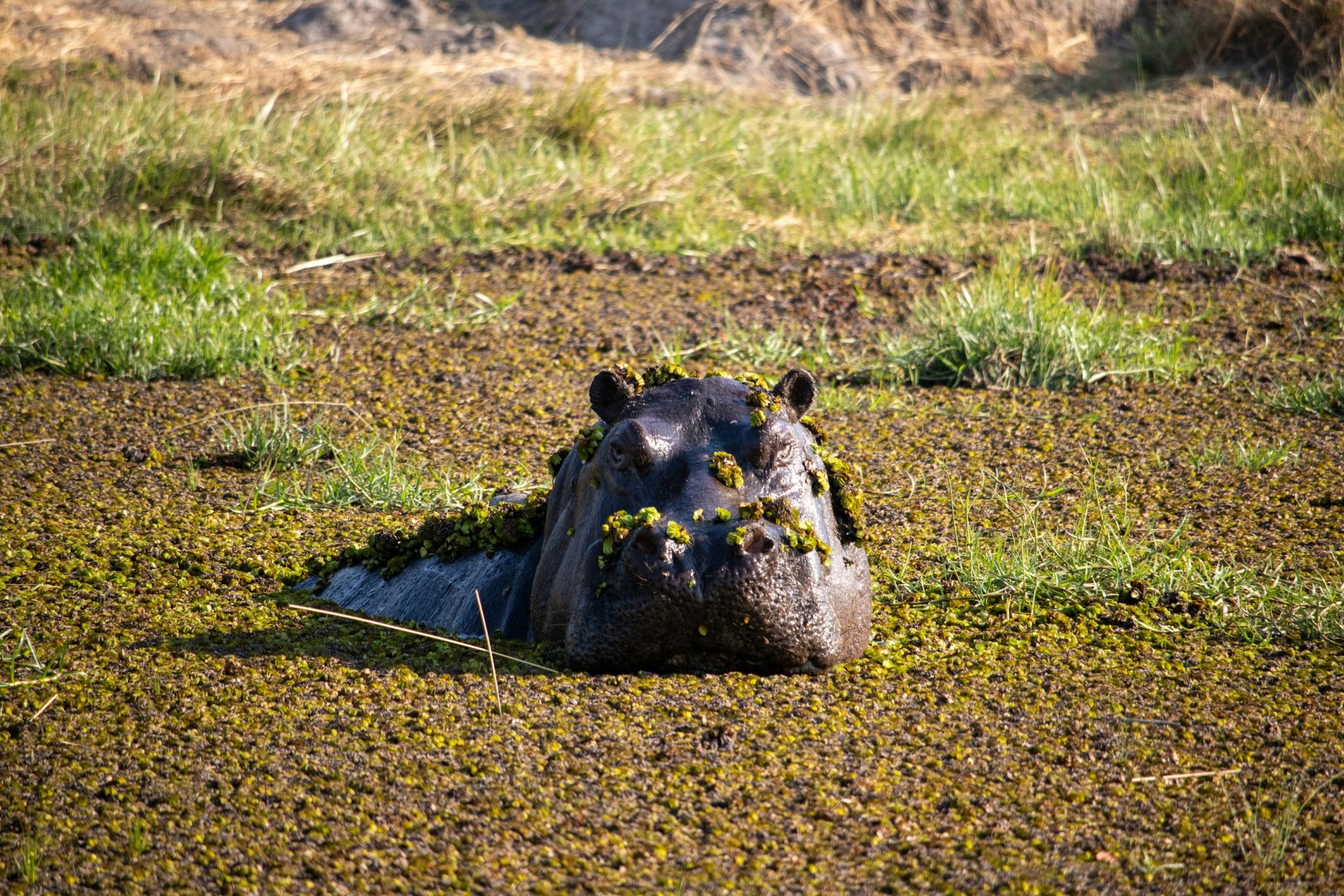
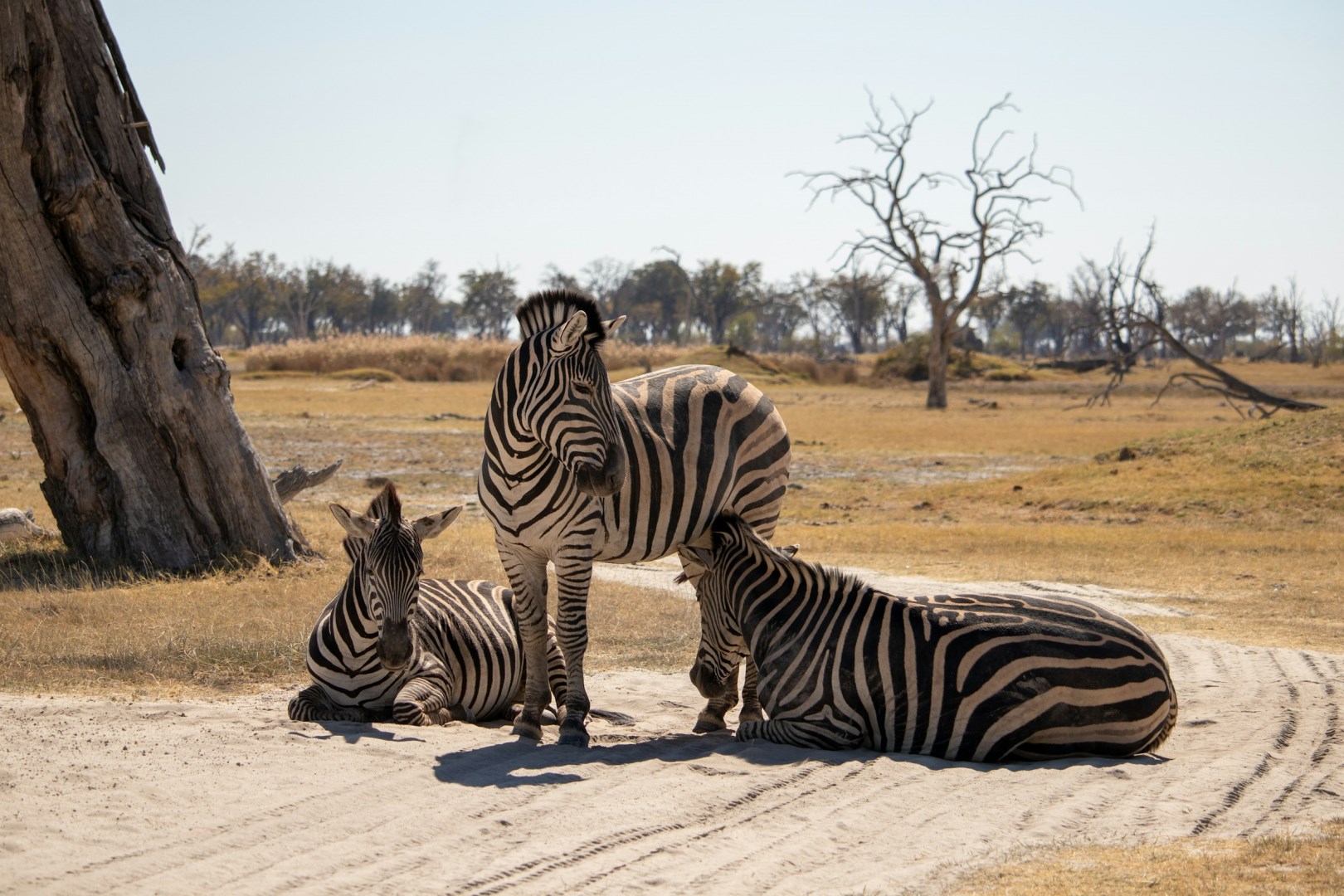
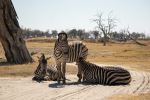
Moremi Wildlife Reserve, nestled in the heart of Botswana’s Okavango Delta, is a premier destination for those seeking an extraordinary safari experience. This pristine reserve, established in 1963, offers a rich tapestry of landscapes including lush floodplains, verdant woodlands, and expansive lagoons. Its diverse ecosystems make it one of Africa's most sought-after wildlife viewing locations. The reserve is renowned for its high concentration of game, including elephants, lions, leopards, and rare wild dogs. A visit here promises an immersive adventure, with opportunities for both traditional game drives and exhilarating mokoro (dugout canoe) safaris.
Moremi's unique terrain creates a dynamic environment for wildlife. The seasonal floodwaters from the Okavango Delta turn the area into a rich mosaic of wetlands and savannahs, attracting a plethora of bird species, including the colorful lilac-breasted roller and the majestic fish eagle. This varied habitat supports a thriving population of animals and makes for spectacular game viewing year-round. The reserve's commitment to conservation and sustainable tourism ensures that visitors experience its beauty in a manner that preserves its ecological integrity.
A fun fact about Moremi is that it was one of the first protected areas in Africa to be managed by a local community. Named after the Bakgatla-Ba-Kgafela Chief Moremi III, the reserve embodies the deep connection between the local people and their natural environment.
Other Popular Destinations in Botswana
Chobe National Park
Chobe National Park, located in the far northeastern corner of Botswana, is a haven for wildlife enthusiasts and one of Africa's premier safari destinations. Known for its immense elephant population—estimated at over 120,000—the park offers an unparalleled opportunity to witness these majestic creatures in their natural habitat
Okavango Delta
The Okavango Delta, located in Botswana, is one of Africa’s most extraordinary natural wonders. This vast inland delta, renowned for its rich biodiversity and stunning landscapes, offers a unique opportunity to experience a pristine wilderness. As the Okavango River meanders into the Kalahari Desert, it creates a sprawling floodplain that transforms into a lush oasis during the annual flood.