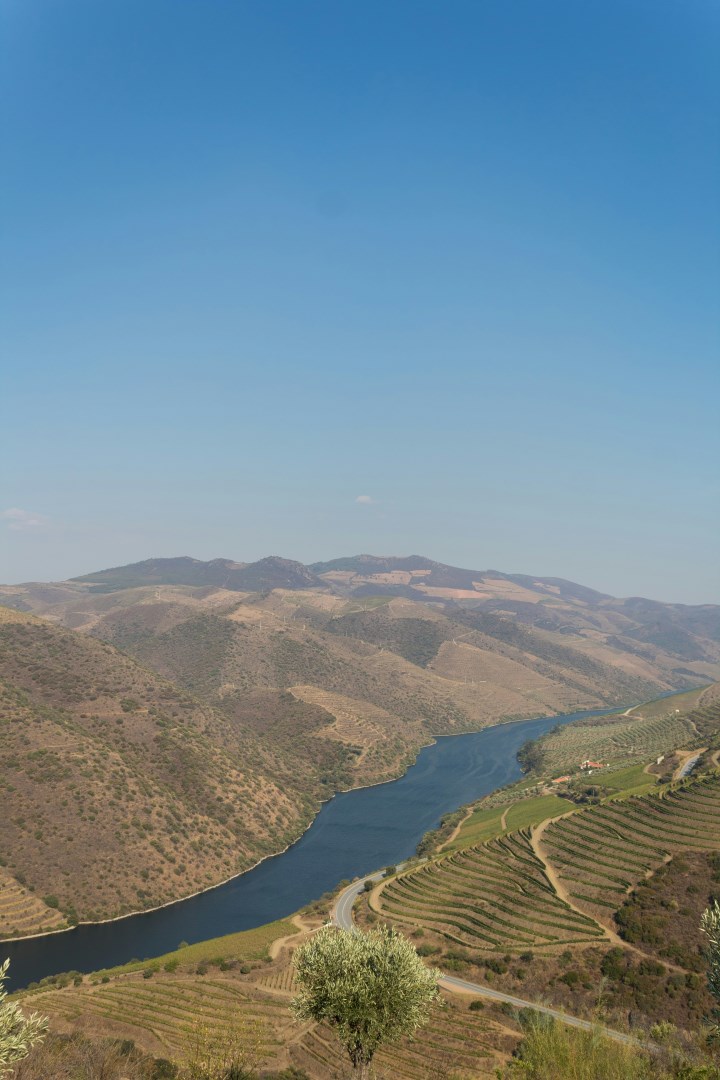
Côa Valley
Coa Valley lies in northeastern Portugal near the Douro River, in a landscape shaped by steep hills, schist cliffs, vineyards, olive groves, and almond trees. The area is best known for its open-air prehistoric rock engravings, spread across the banks of the Coa River and protected as a UNESCO World Heritage Site.
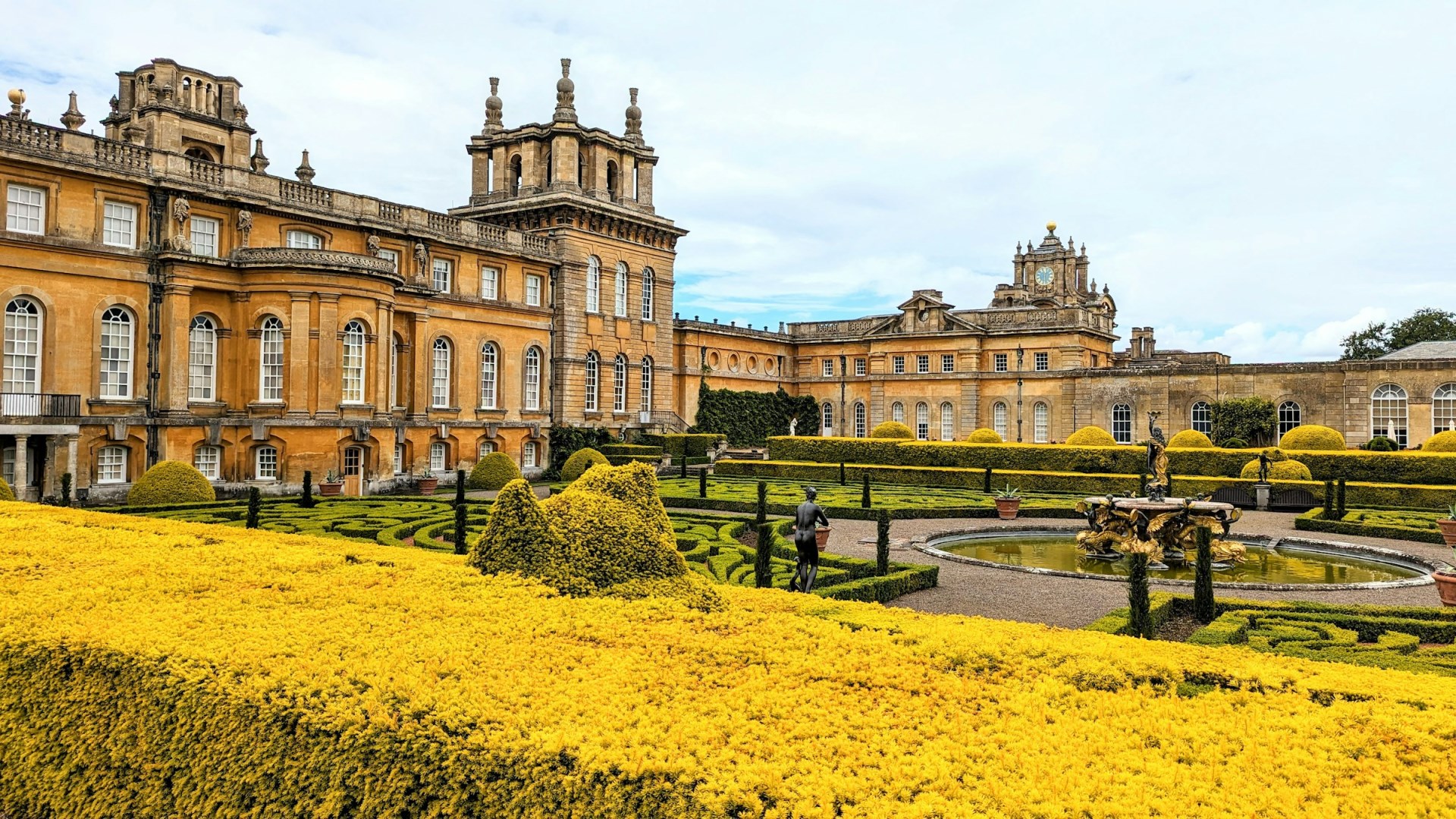
Woodstock
Woodstock is a historic market town in Oxfordshire, located beside the grounds of Blenheim Palace and surrounded by the countryside of the Cotswolds. Its compact centre is lined with honey-coloured stone buildings, independent shops, galleries, cafés, and traditional pubs. The town’s Market Place and Town Hall form a natural focal point, while streets such as Park Street and Oxford Street reveal a mixture of Georgian and older architecture.

Tata
Set along the edge of the Anti-Atlas and the northern reaches of the desert, Tata offers a landscape shaped by sun, stone, and water. The town sits within a wide oasis valley, where palm groves stretch across the land in sharp contrast to the surrounding dry hills. Life here depends on careful use of water, and visitors quickly notice how every field and garden is planned with purpose. The result is a setting that feels both remote and deeply connected to the land.

Shetland Islands
Whether exploring ancient ruins, spotting wildlife along the dramatic coastline, or simply soaking in the calmness of this unique destination, the Shetlands provide a truly extraordinary travel experience.
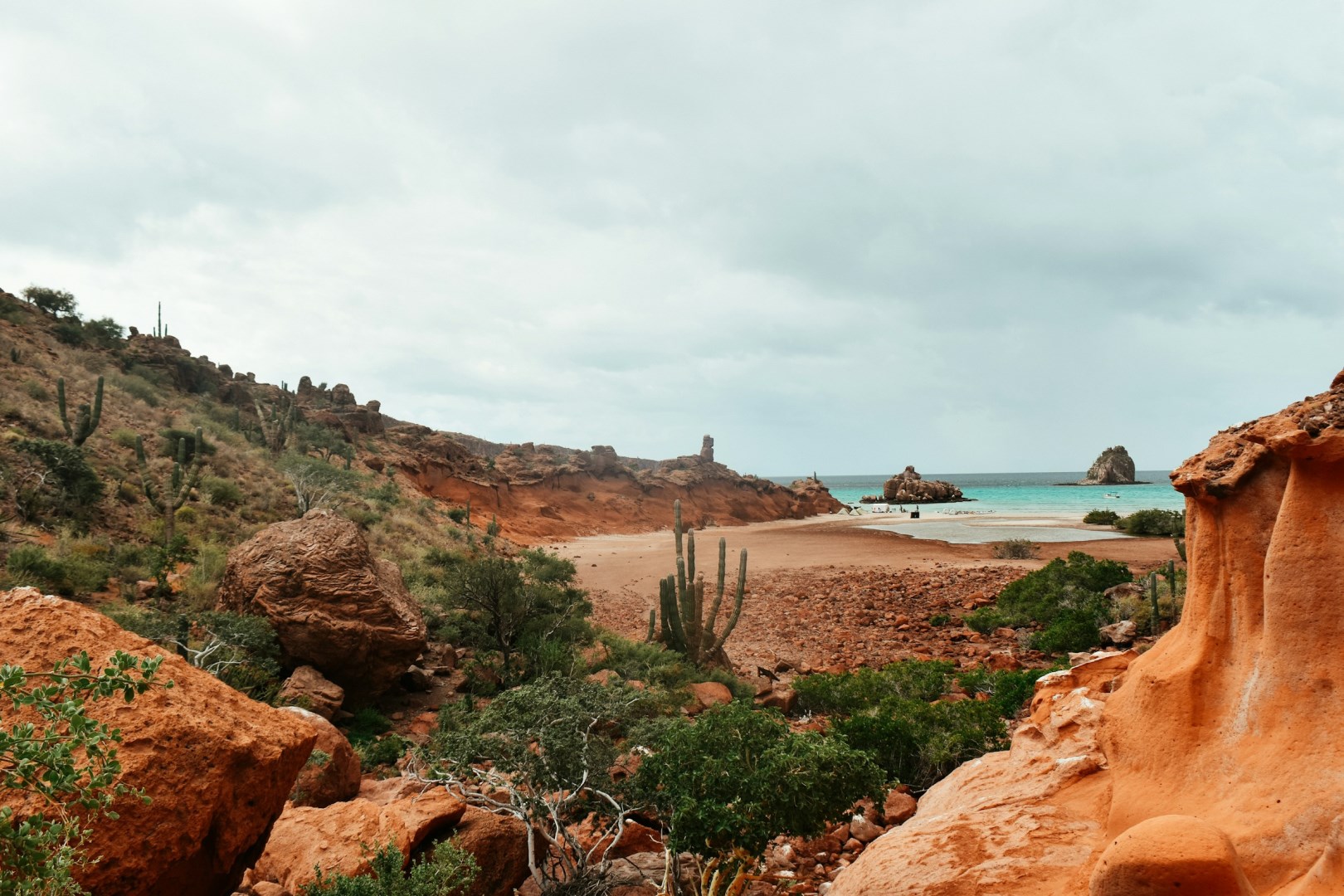
Isla Espiritu Santo
One of the most beautiful islands in the Sea of Cortez, with deeply indented shorelines and dramatically eroded cliff faces.