Lake Nokoué
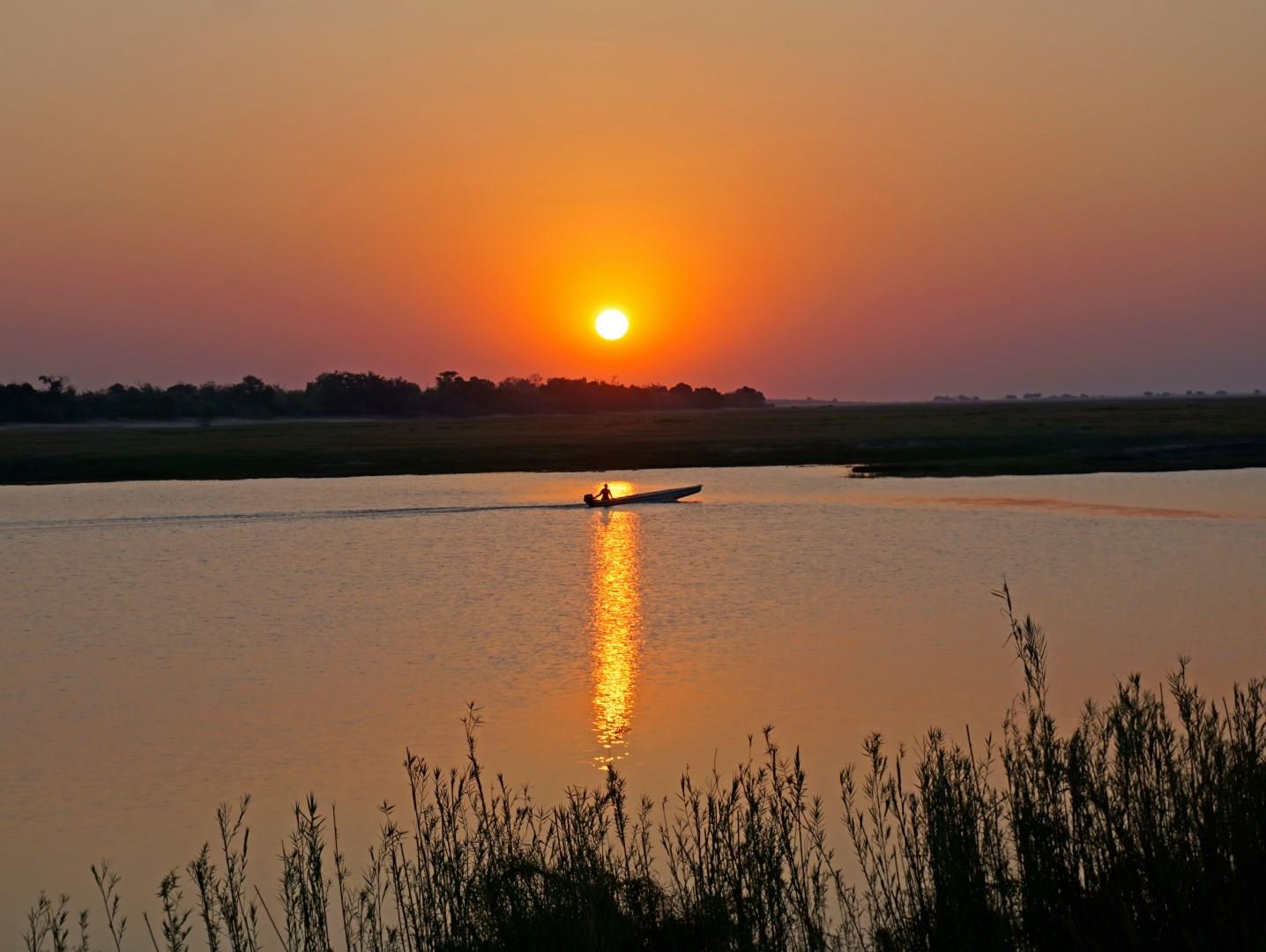
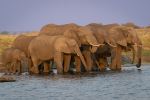
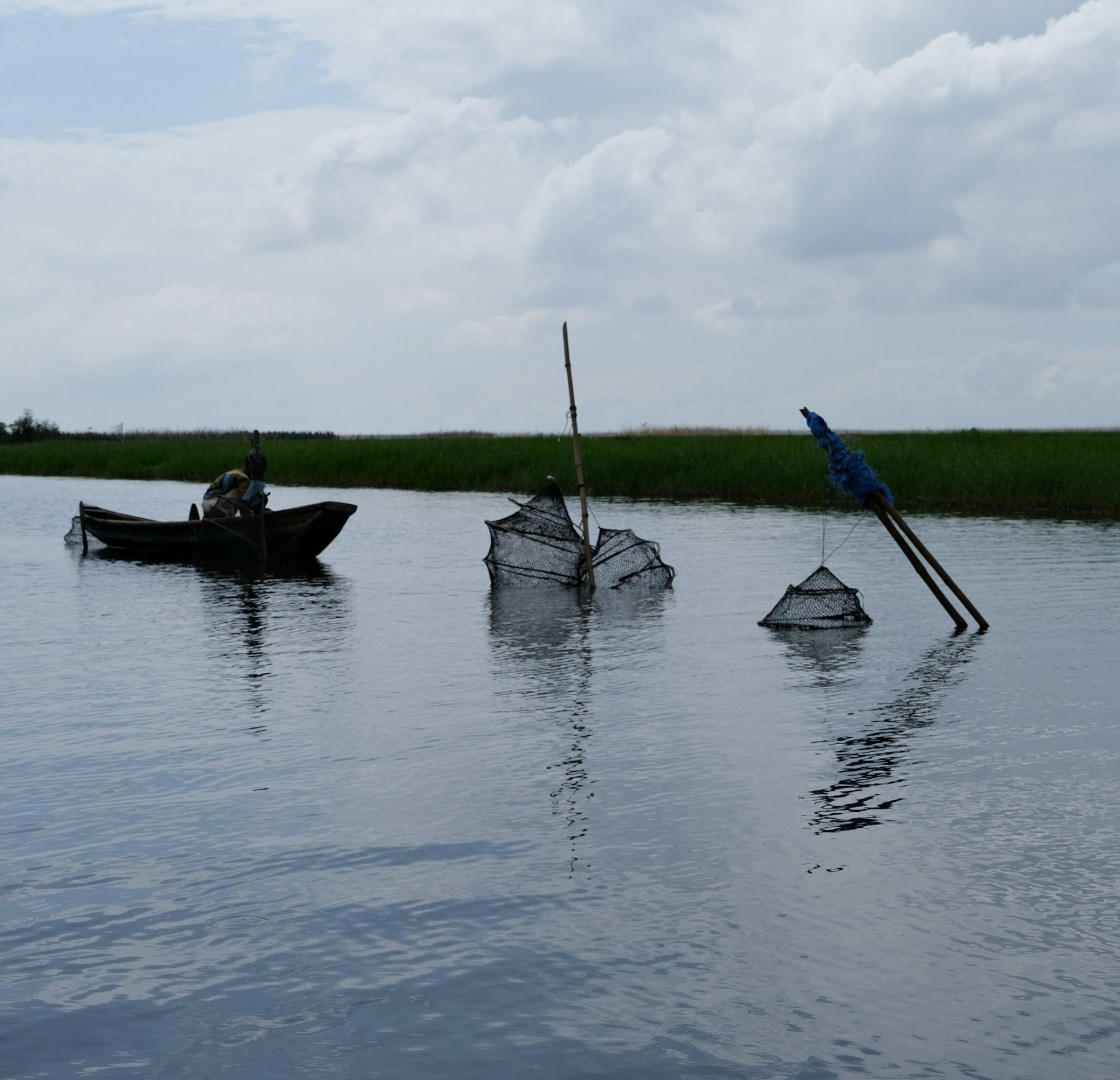
Lake Nokoué is a large lagoon lake in southern Benin, stretching along the Atlantic coastal plain near the cities of Cotonou, Porto-Novo, and Abomey-Calavi. Covering a broad area of shallow water connected to rivers, marshes, and the sea, it plays an important role in transportation, fishing, and daily life for surrounding communities.
Anza-Borrego Desert State Park
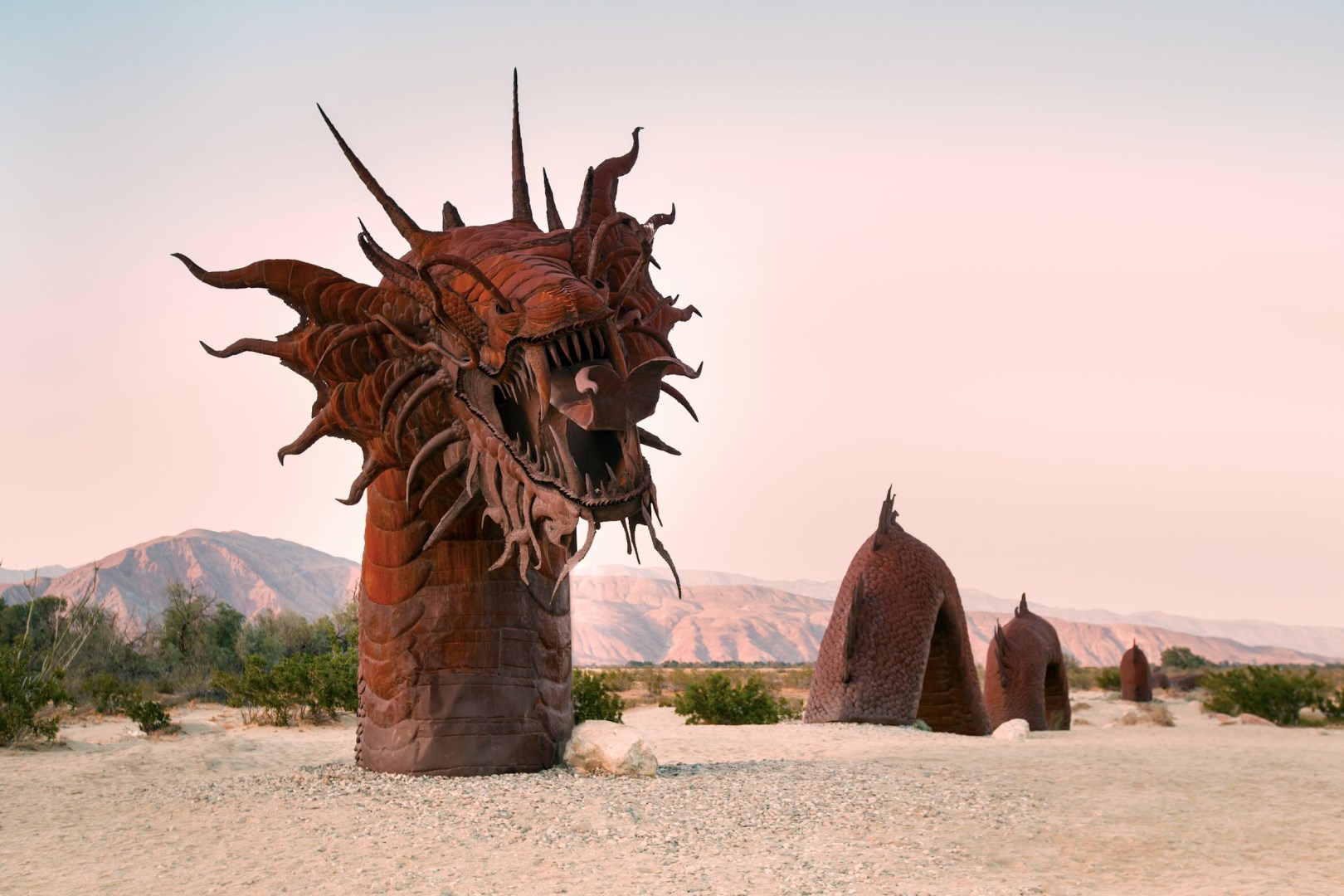
Anza-Borrego Desert State Park occupies a large area of southeastern California, extending across the Colorado Desert east of San Diego County. It is California’s largest state park and contains a varied desert landscape of broad valleys, badlands, rocky mountains, palm oases, dry washes, and sandy plains. The park takes its name from Spanish explorer Juan Bautista de Anza and the Spanish word for bighorn sheep.
Lake Havasu City
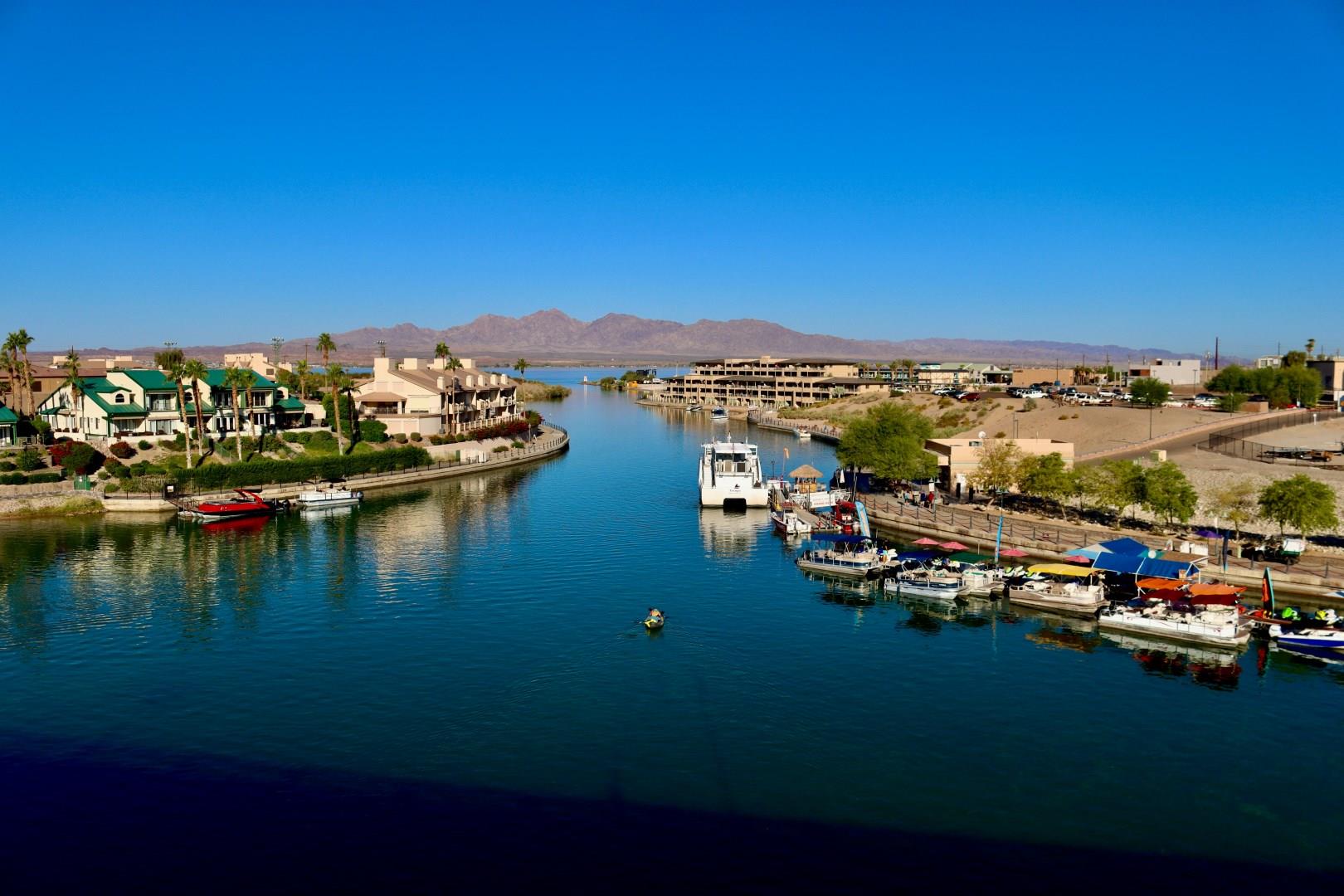
Lake Havasu City rises from the Mojave Desert along the shores of Lake Havasu, a broad reservoir on the Colorado River that draws visitors with its radiant blue water and warm sunshine nearly all year. The most famous landmark here is the London Bridge, a granite-clad structure that once spanned the River Thames in England. This iconic span now connects the mainland to an island filled with shops, restaurants, and resorts, inviting visitors to stroll beneath its arches.
Iringa
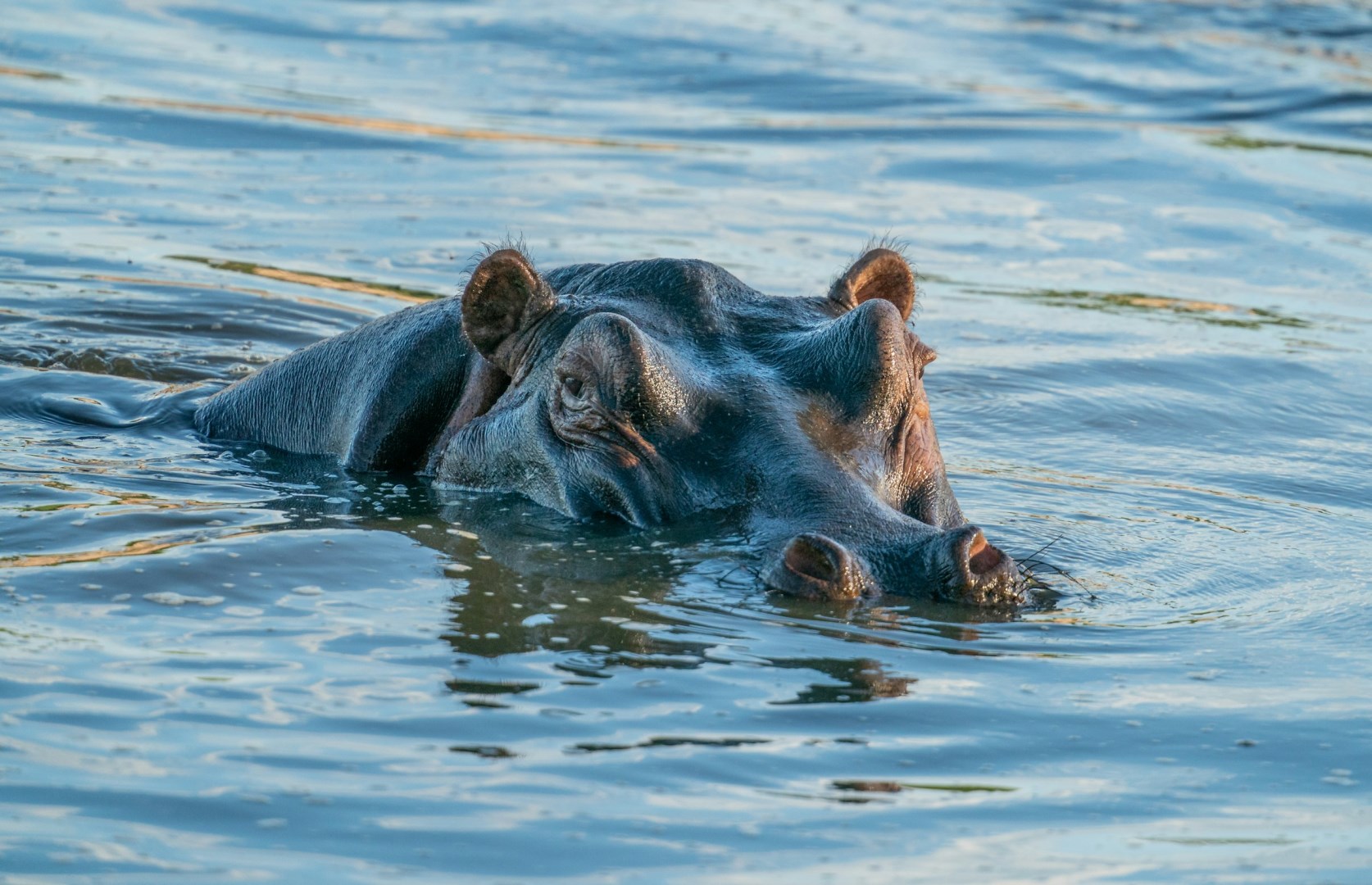
Iringa is a highland city in southern Tanzania, built on steep slopes overlooking the Little Ruaha River. Its elevated setting gives the city a cooler climate and broad views across surrounding hills and agricultural land. Iringa is an important regional centre and serves as a gateway to Ruaha National Park, one of Tanzania’s major wildlife areas.
Kent
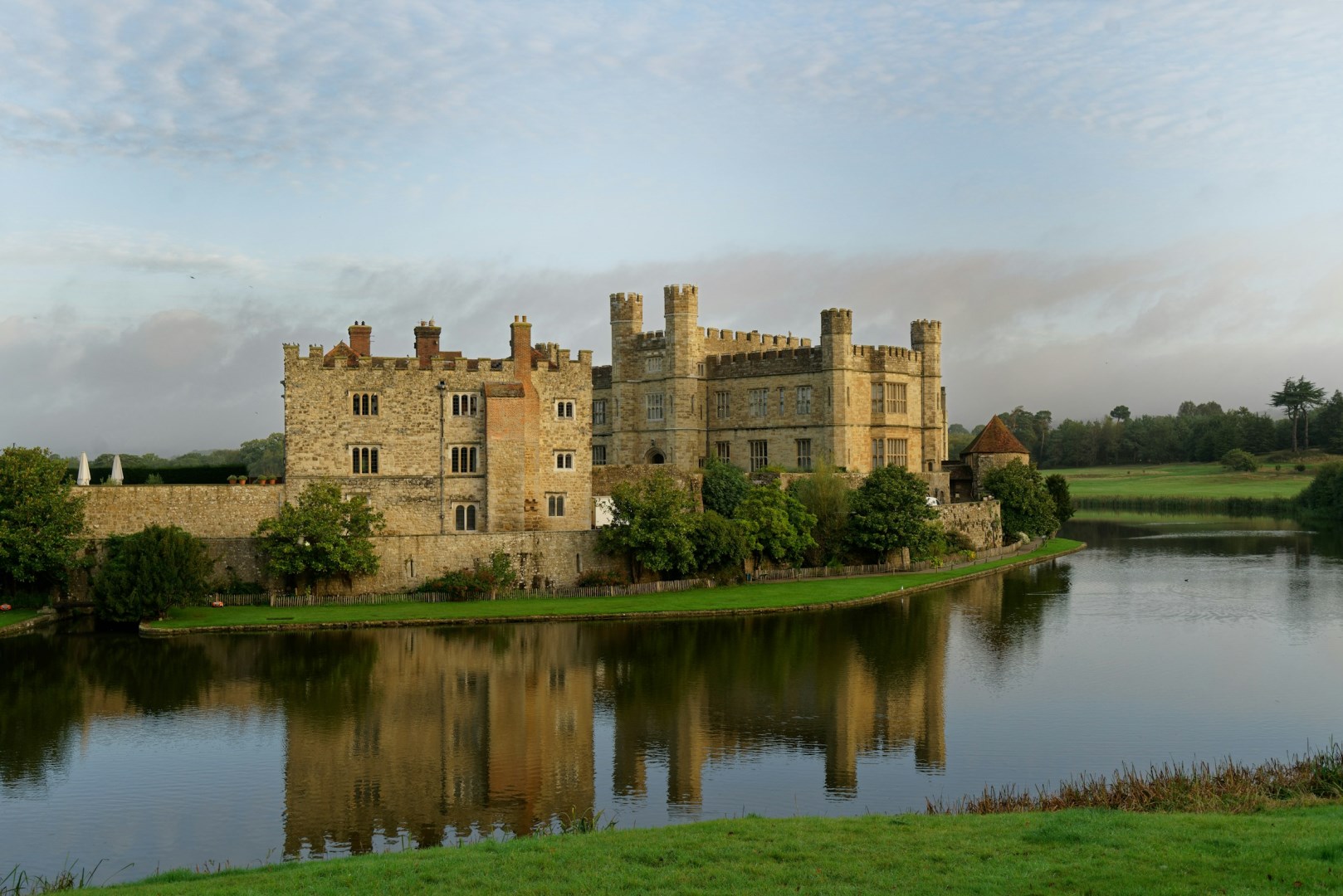
Kent is a county in southeastern England, stretching from the edge of Greater London to the English Channel and the Strait of Dover. Its landscape ranges from the chalk cliffs of the coast and the wooded High Weald to orchards, hop gardens, farmland, and river valleys. Canterbury, Dover, Maidstone, and Royal Tunbridge Wells are among its principal towns, while smaller settlements such as Rye Harbour and Broadstairs contribute distinct coastal and rural character.