Dominica
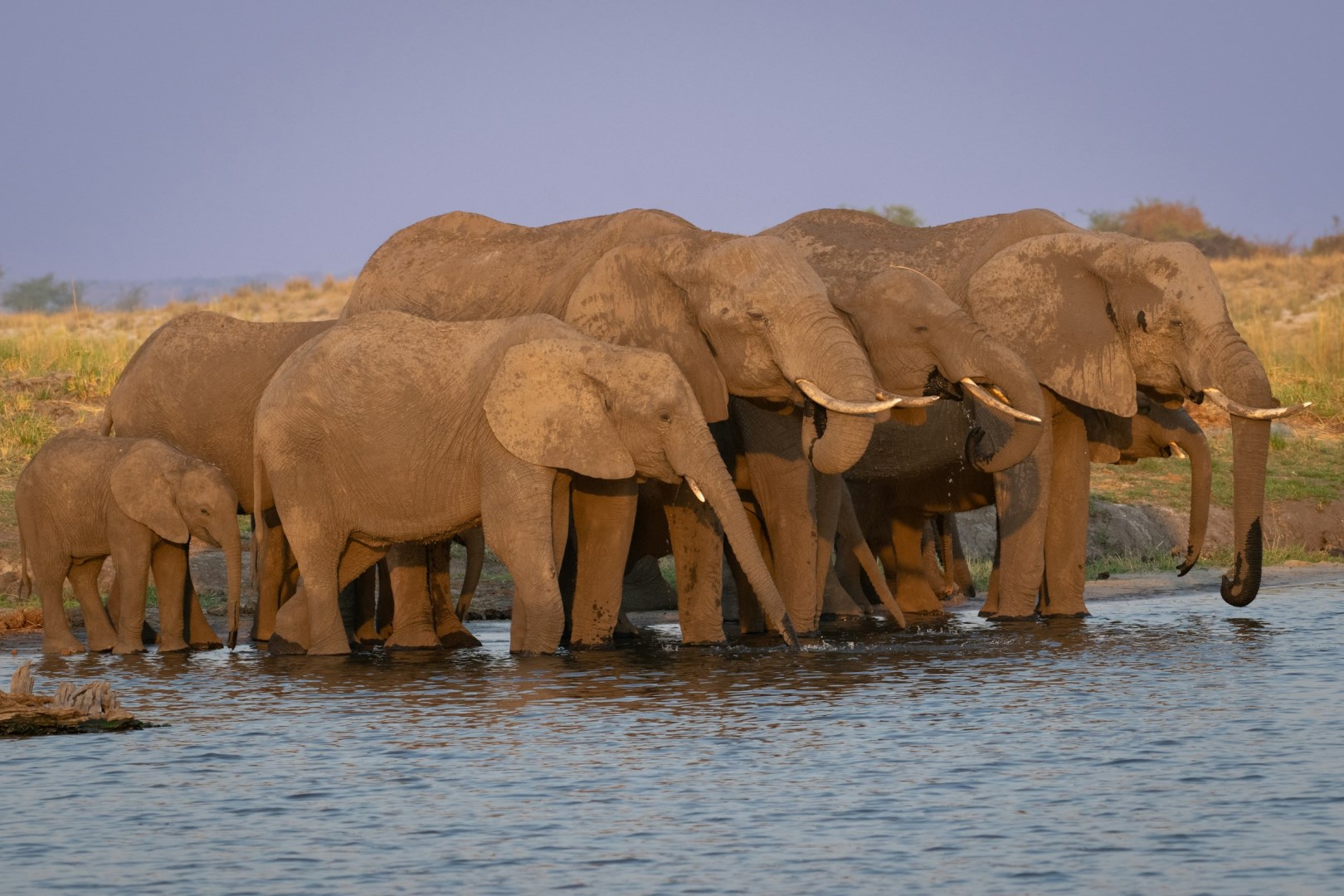
Dominica, known as the “Nature Island of the Caribbean,” is a haven for eco-tourists and adventure seekers. Nestled between the French islands of Guadeloupe and Martinique, this lush island boasts a remarkable landscape of volcanic mountains, dense rainforests, and stunning waterfalls. Dominica’s most iconic natural wonder is the Boiling Lake, the second-largest hot spring in the world.
Sousse
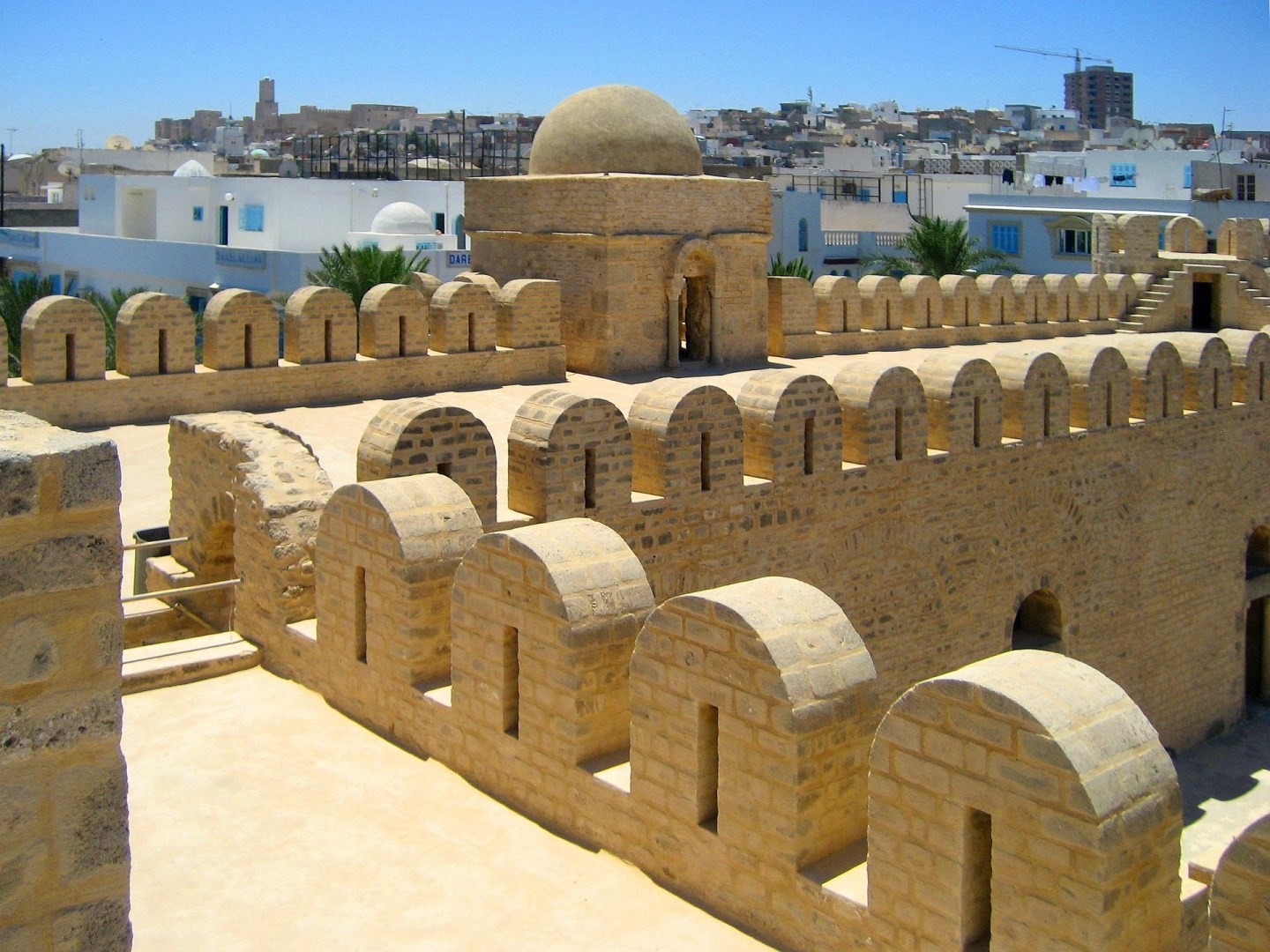
Sousse, a sun-soaked jewel along Tunisia's central coast, offers a blend of ancient history, vibrant culture, and Mediterranean charm. Known as the "Pearl of the Sahel," this city has drawn travelers for centuries with its warm sands, azure waters, and rich heritage.
Reine
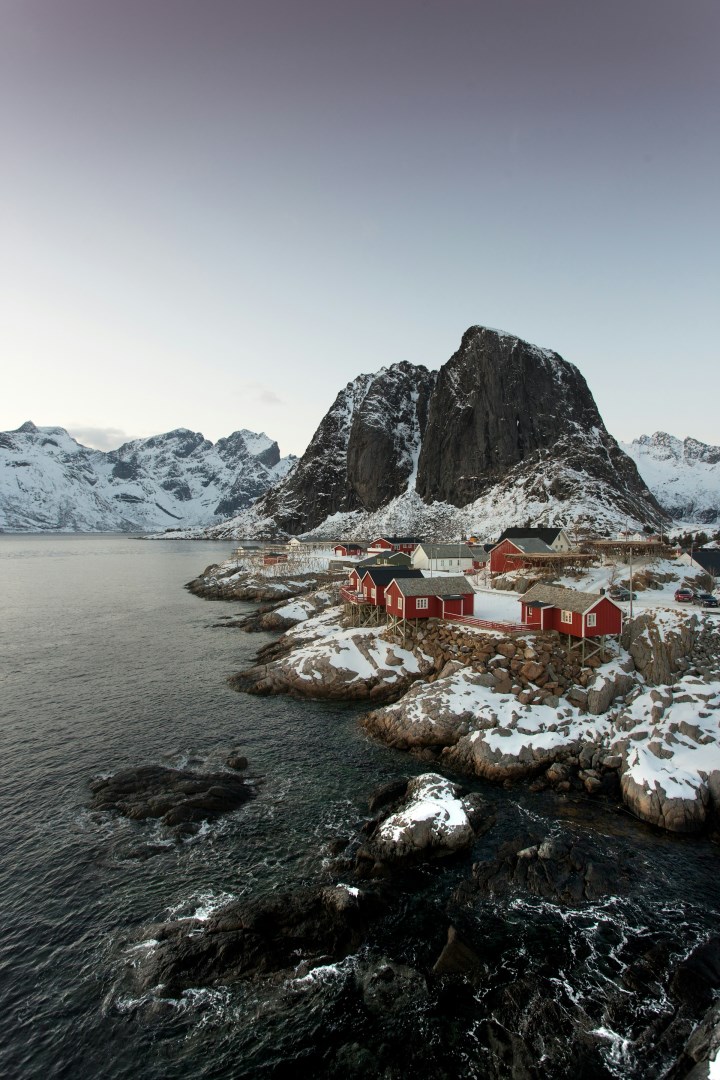
Reine is a small fishing village on Moskenesøya in the Lofoten Islands of northern Norway, where a chain of small islands and bridges sits between Vestfjord and the mountains surrounding Reinefjord. Around 300 people live in the village, which remains an active fishing community with fish reception, processing, and related businesses. Traditional red rorbu fishermen’s cabins stand along the waterfront and on nearby islands, alongside working boats and drying racks for stockfish.
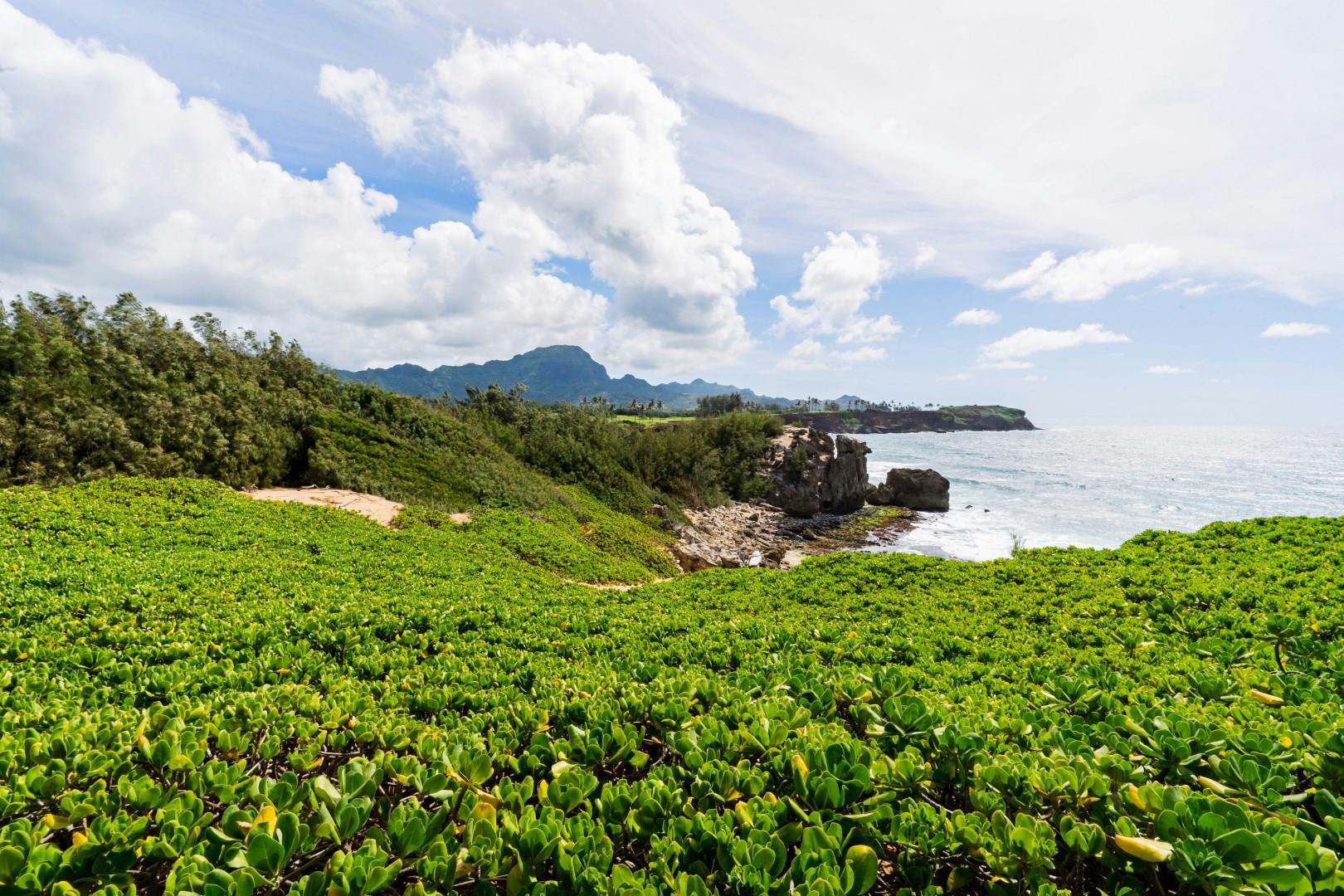
Koloa, Kauai
Koloa sits on Kauai’s south shore and holds a special place in Hawaiian history as the site of the islands’ first successful sugar plantation.
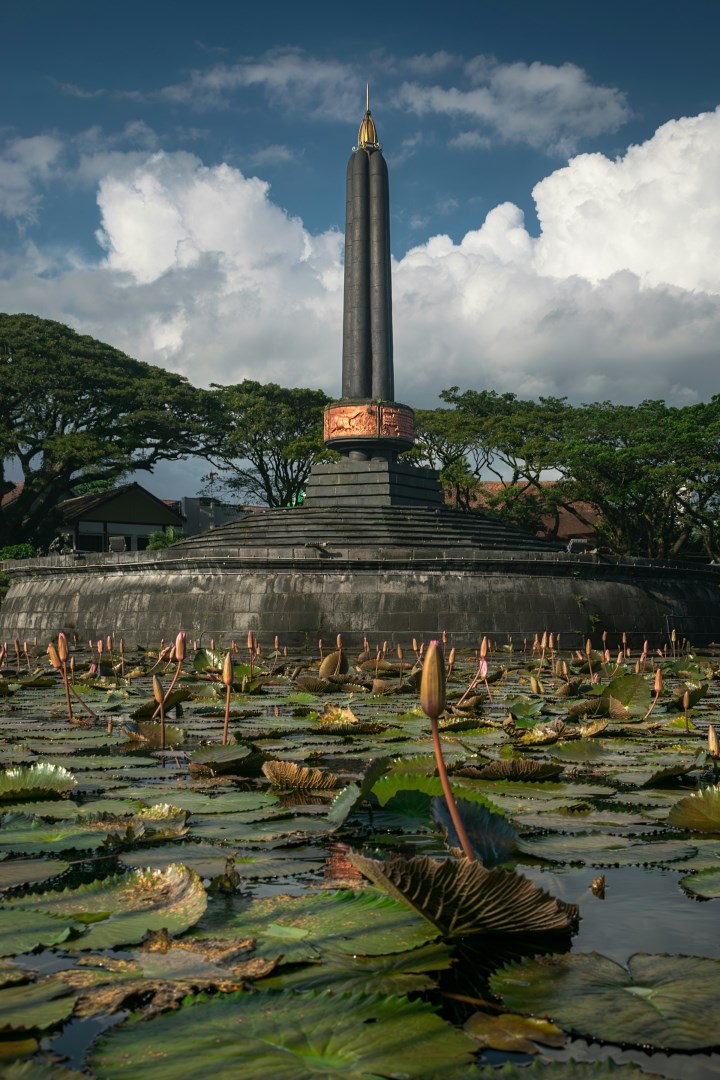
Malang
Malang, located in East Java, Indonesia, is a city known for its cool highland climate, colonial architecture, and rich Javanese heritage. Nestled between volcanic peaks and fertile valleys, it has long been a retreat for travelers seeking both cultural depth and natural beauty.