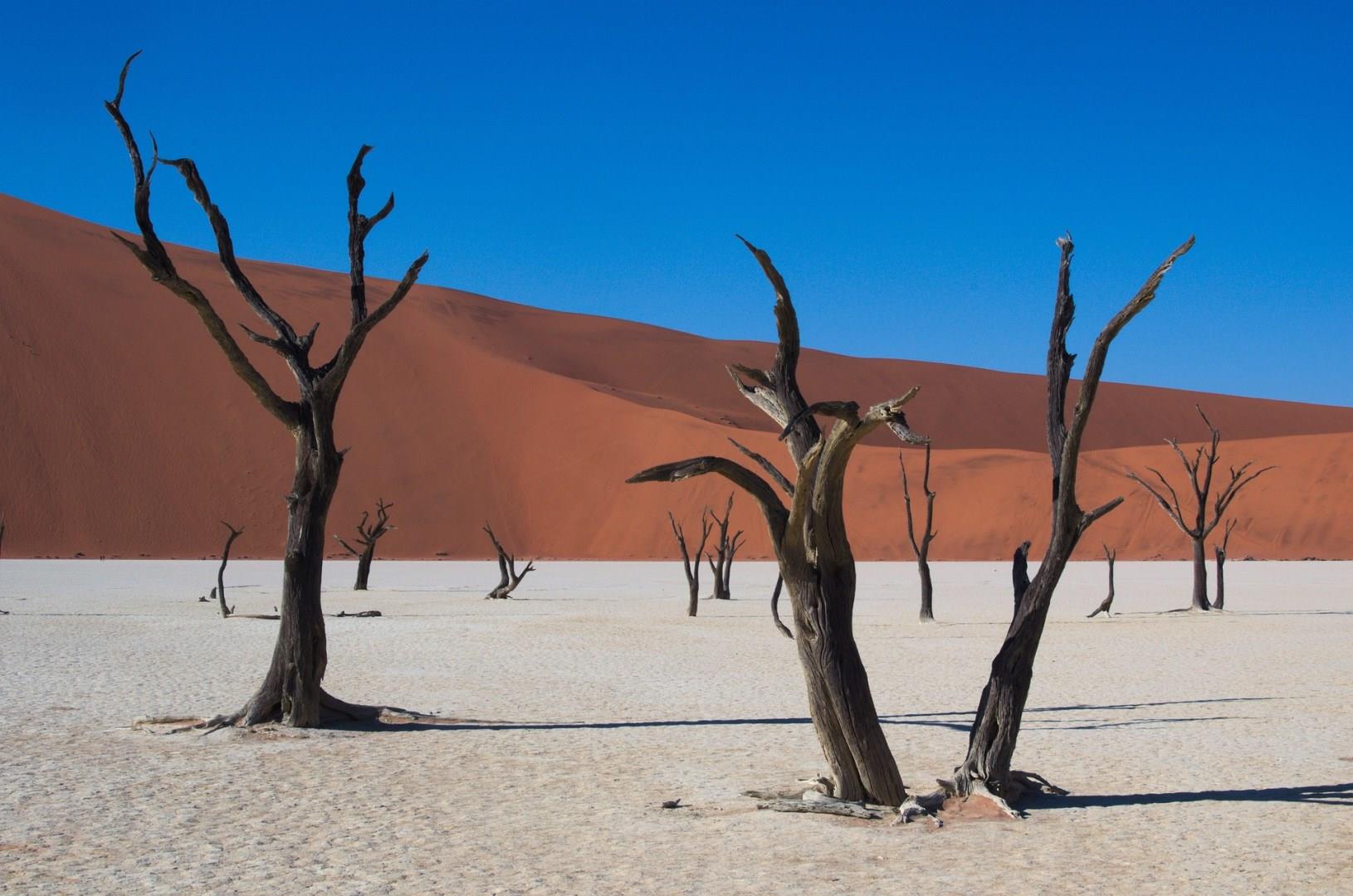
Dramatic and otherworldly, Deadvlei in Namibia is one of the most surreal landscapes on the planet. Located within the Namib-Naukluft National Park, Deadvlei is a white clay pan that was once an oasis filled with acacia trees. Over 900 years ago, a shift in climate and the encroachment of the towering red sand dunes cut off the river that fed the pan, leaving behind a hauntingly beautiful scene of dead trees that have been perfectly preserved in the arid environment.
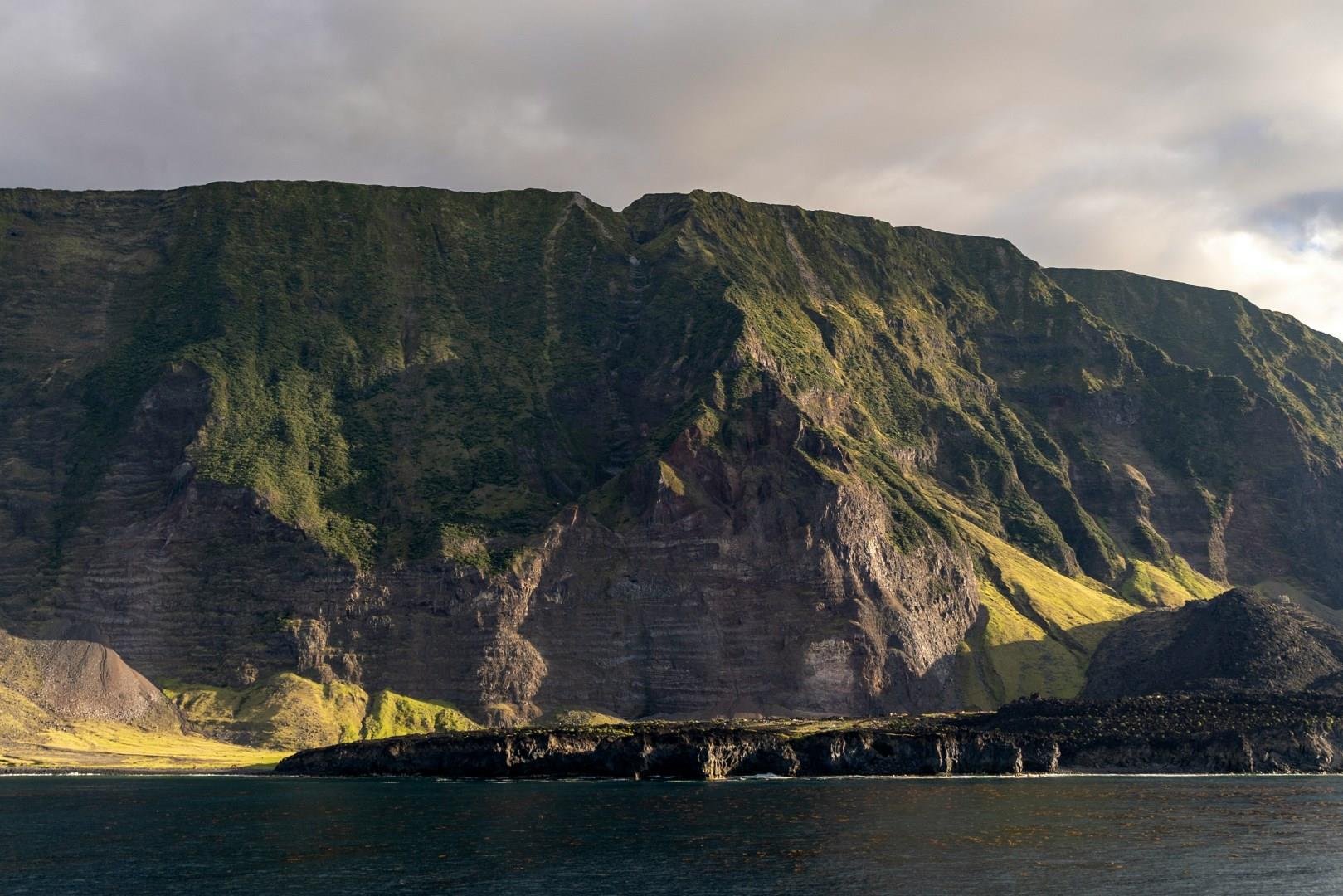
Tristan da Cunha is a remote volcanic island in the South Atlantic Ocean, forming part of a small archipelago along with Inaccessible Island and Nightingale Island. Known as the most isolated inhabited island in the world, it is accessible only by a week-long boat journey from South Africa.
Ho Chi Minh City, Vietnam’s largest metropolis, is a dynamic hub where history, culture, and commerce intersect. Formerly known as Saigon, the city reflects layers of its past, from French colonial architecture to markets and historic districts that capture the energy of daily life.
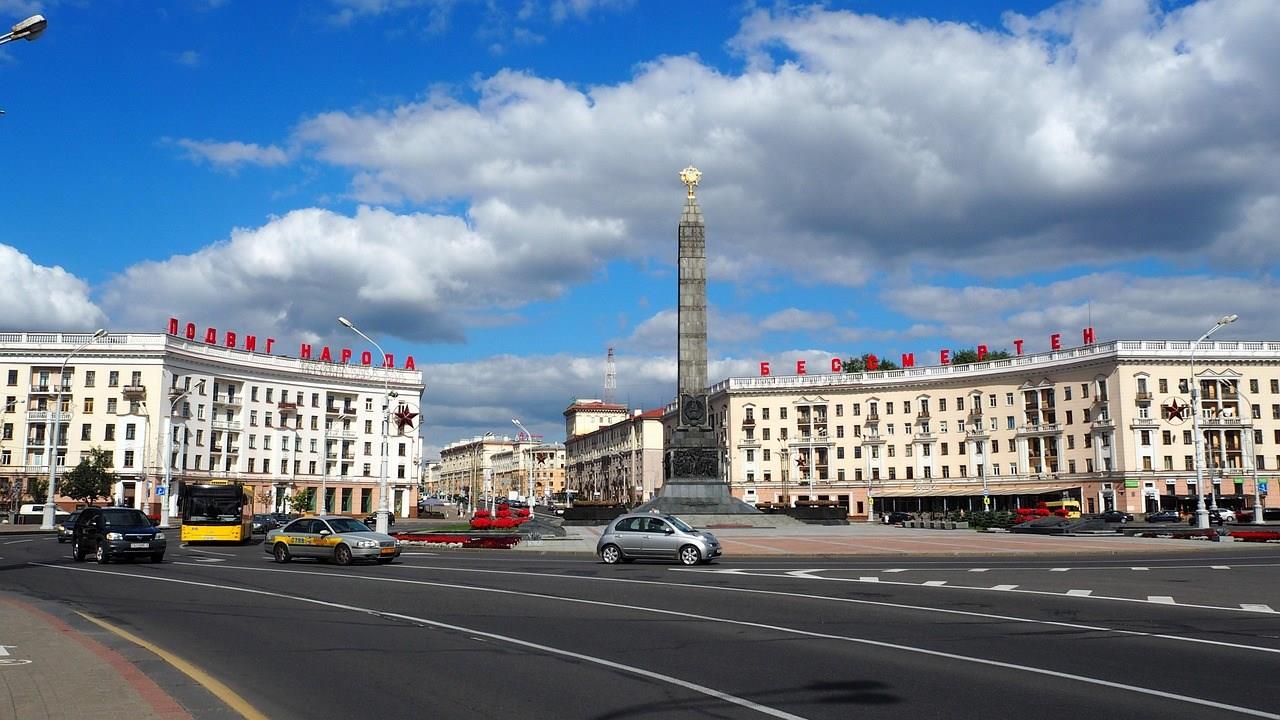
Minsk, the capital of Belarus, is a city rich in history, culture, and architectural beauty. As one of the oldest cities in Europe, it has a unique charm that blends Soviet-era monumentalism with modern urban development.
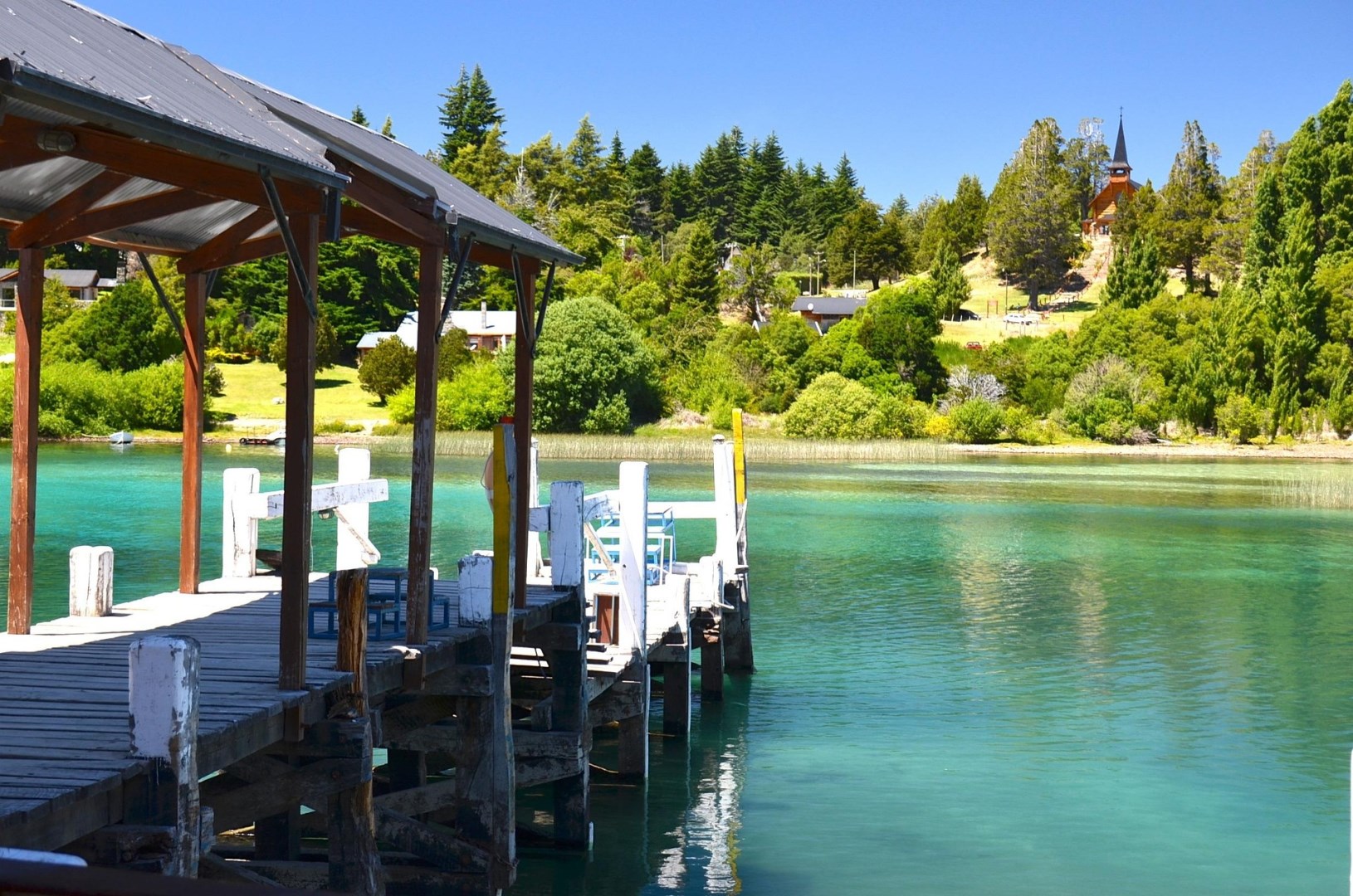
Bariloche, tucked into the foothills of the Andes in Argentina’s Patagonia region, is a town that feels both alpine and uniquely Argentine. With its wooden chalets, Swiss-style architecture, and chocolate shops on every corner, many visitors are surprised to find a lakeside town that resembles parts of Europe. But Bariloche’s identity is all its own, shaped by deep indigenous roots, waves of immigration, and the striking presence of Lake Nahuel Huapi.
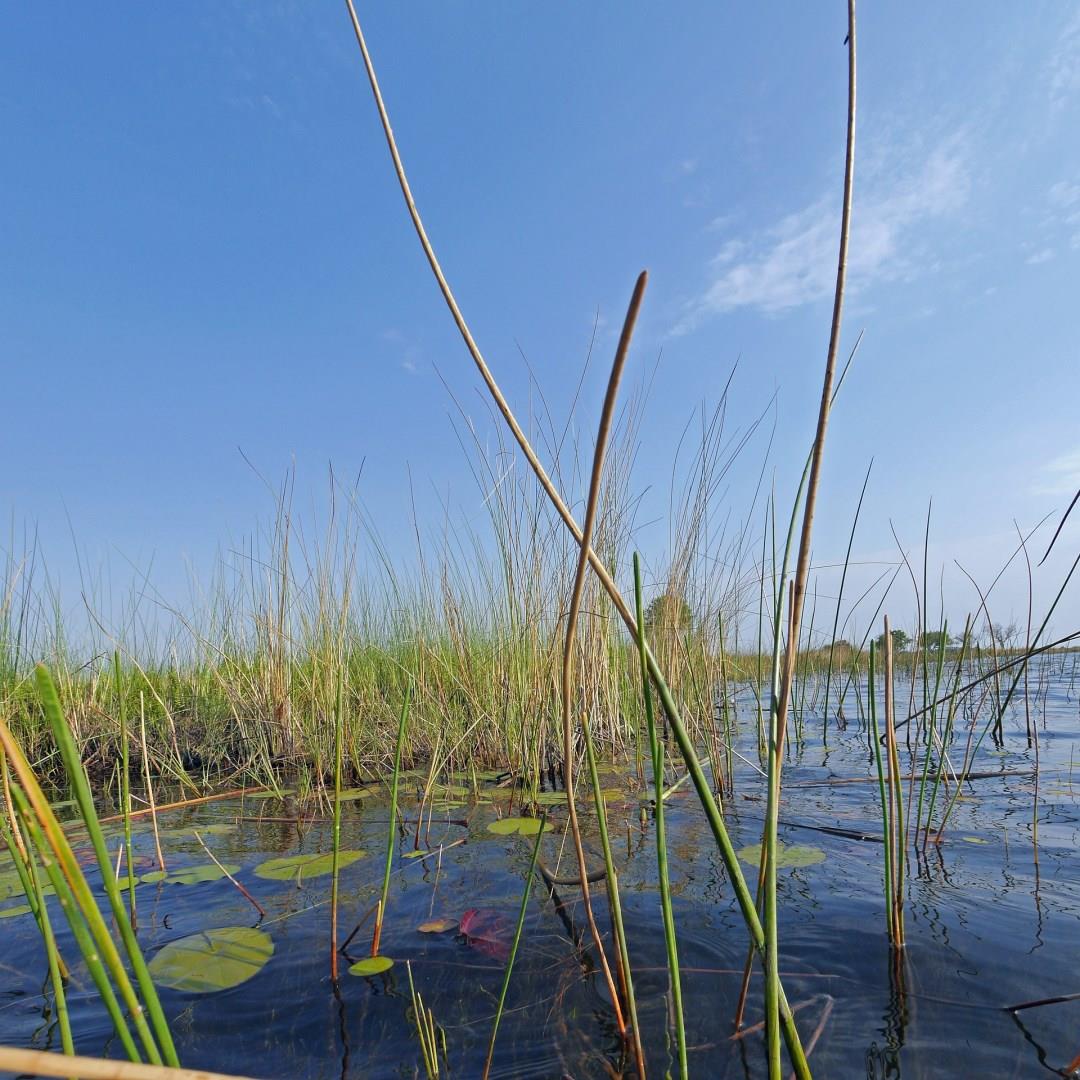
Photo Credit: Photo by Secret Travel Guide on Unsplash
Photo Credit: Photo by Ed Wingate on Unsplash
Photo Credit: Photo by Sam Goodgame on Unsplash
Photo Credit: Photo by Colin Watts on Unsplash
Photo Credit: Photo by Maria Baltazzi on Unsplash
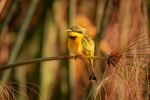
Little Bee-eater
Photo Credit: Photo by Chris Stenger on Unsplash
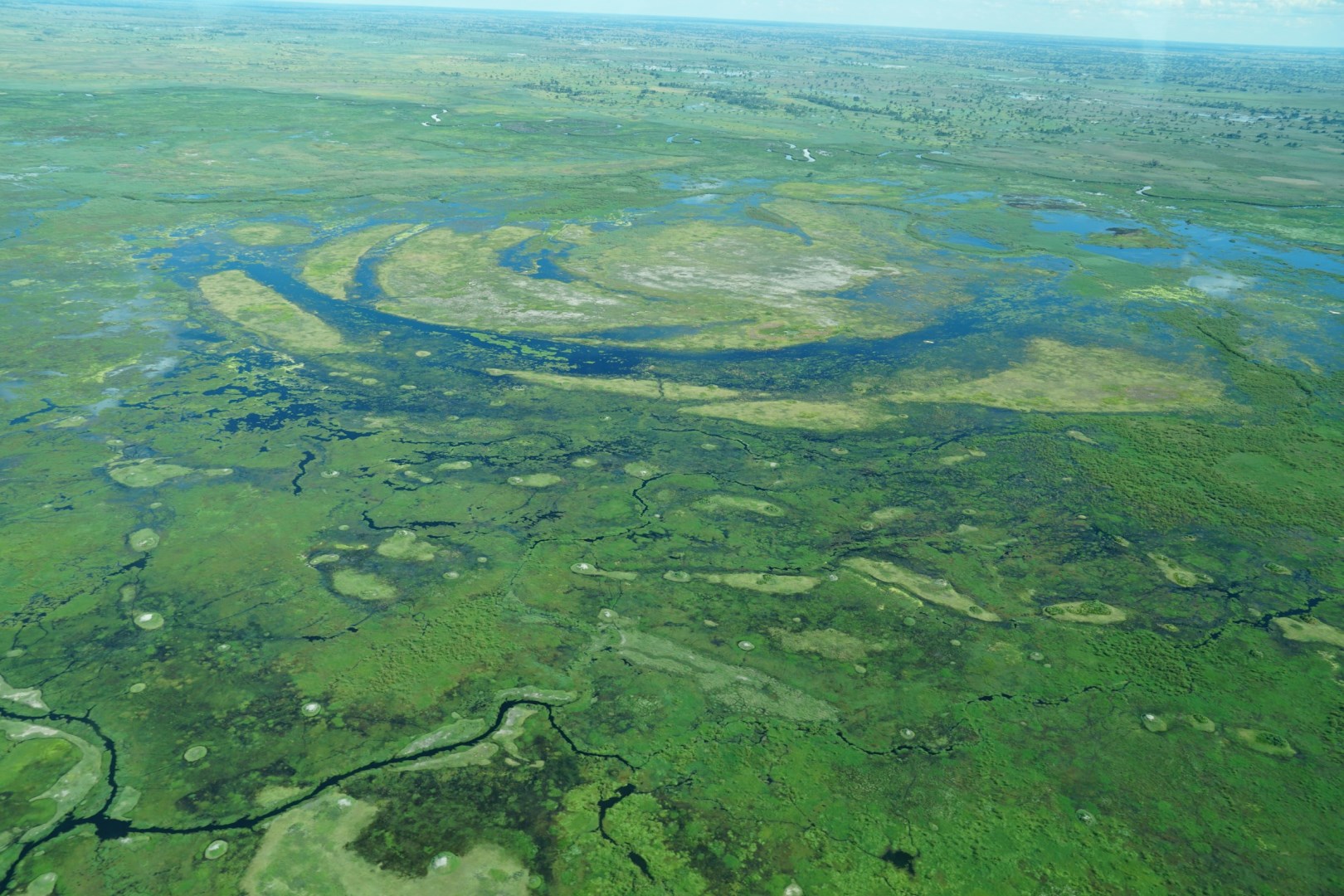
Aerial View
Photo Credit: Photo by Sheila C on Unsplash
Photo Credit: Photo by Andreas Vonlanthen on Unsplash
Photo Credit: Photo by Darya Luganskaya on Unsplash
Photo Credit: Photo by Bob Brewer on Unsplash
Photo Credit: Photo by Andreas Vonlanthen on Unsplash
Photo Credit: Photo by Darya Luganskaya on Unsplash
Photo Credit: Photo by Ed Wingate on Unsplash
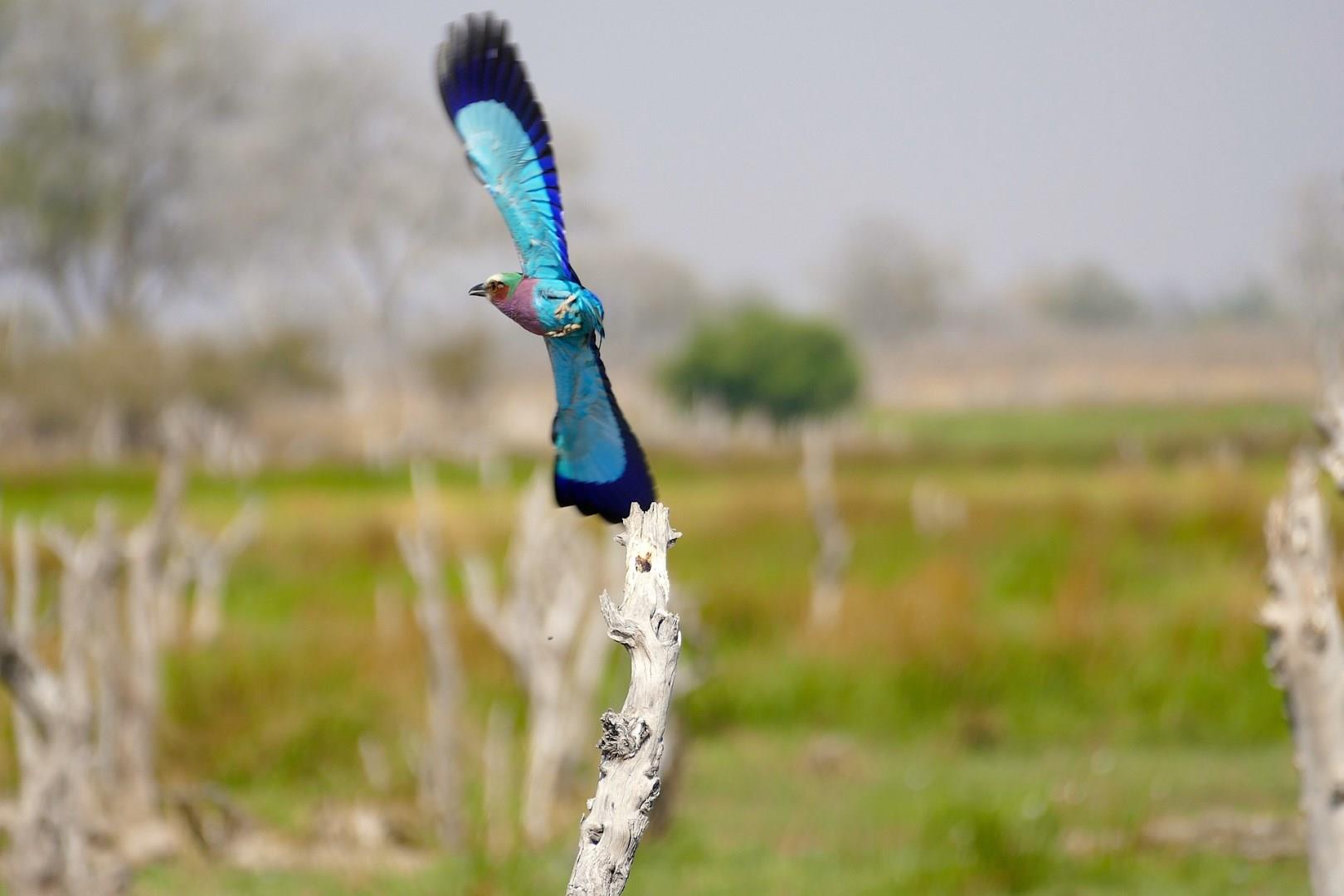
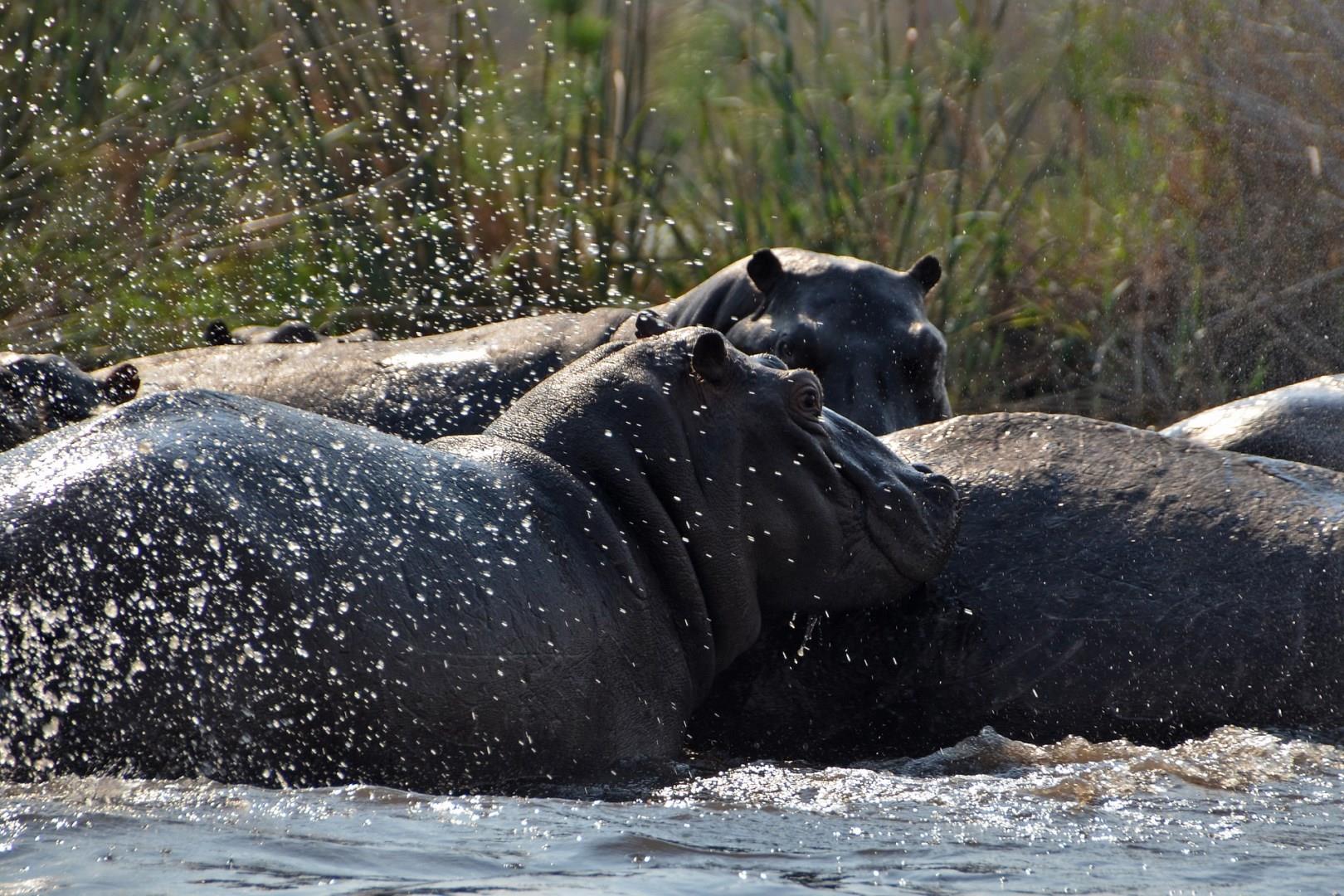
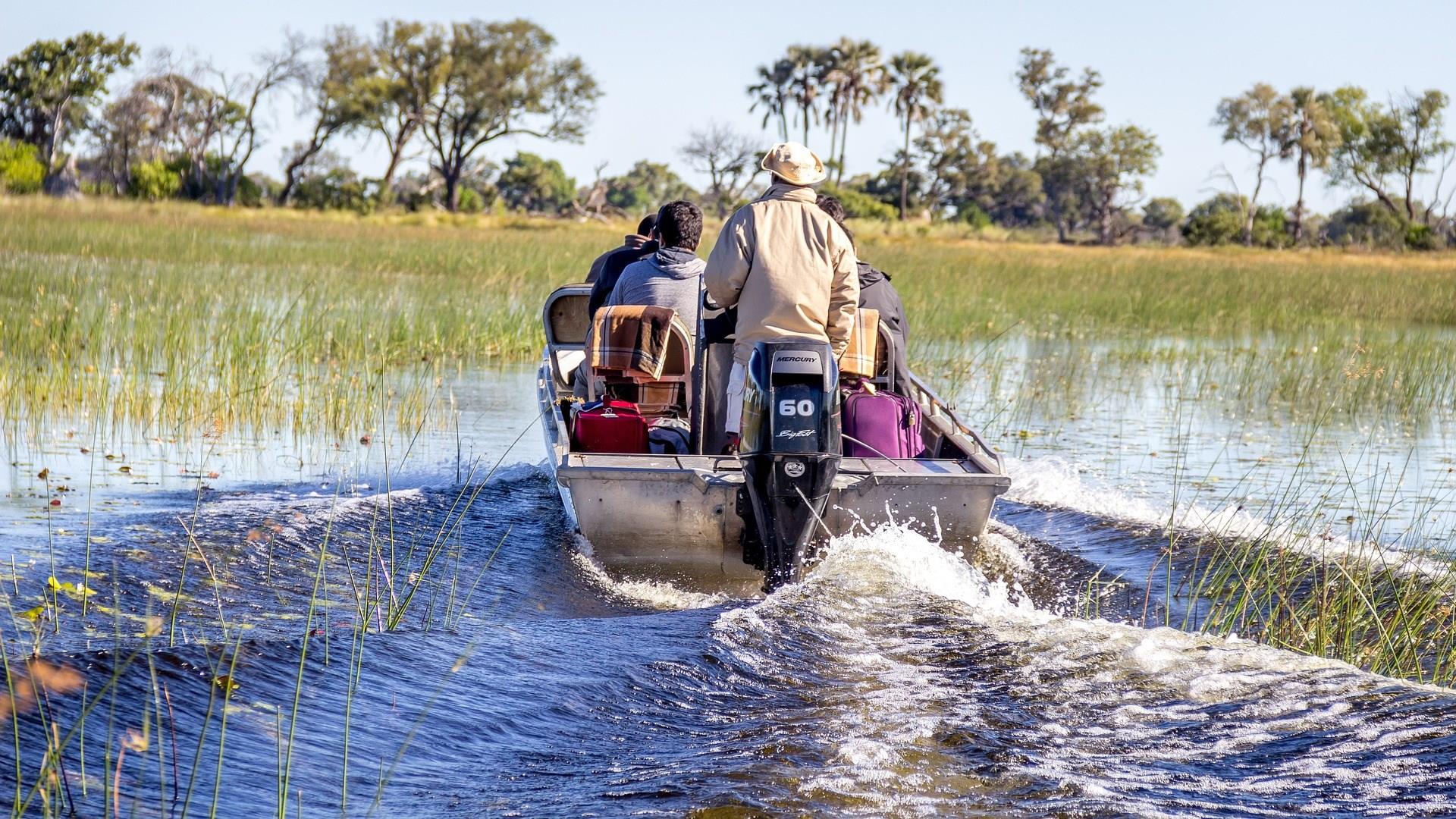
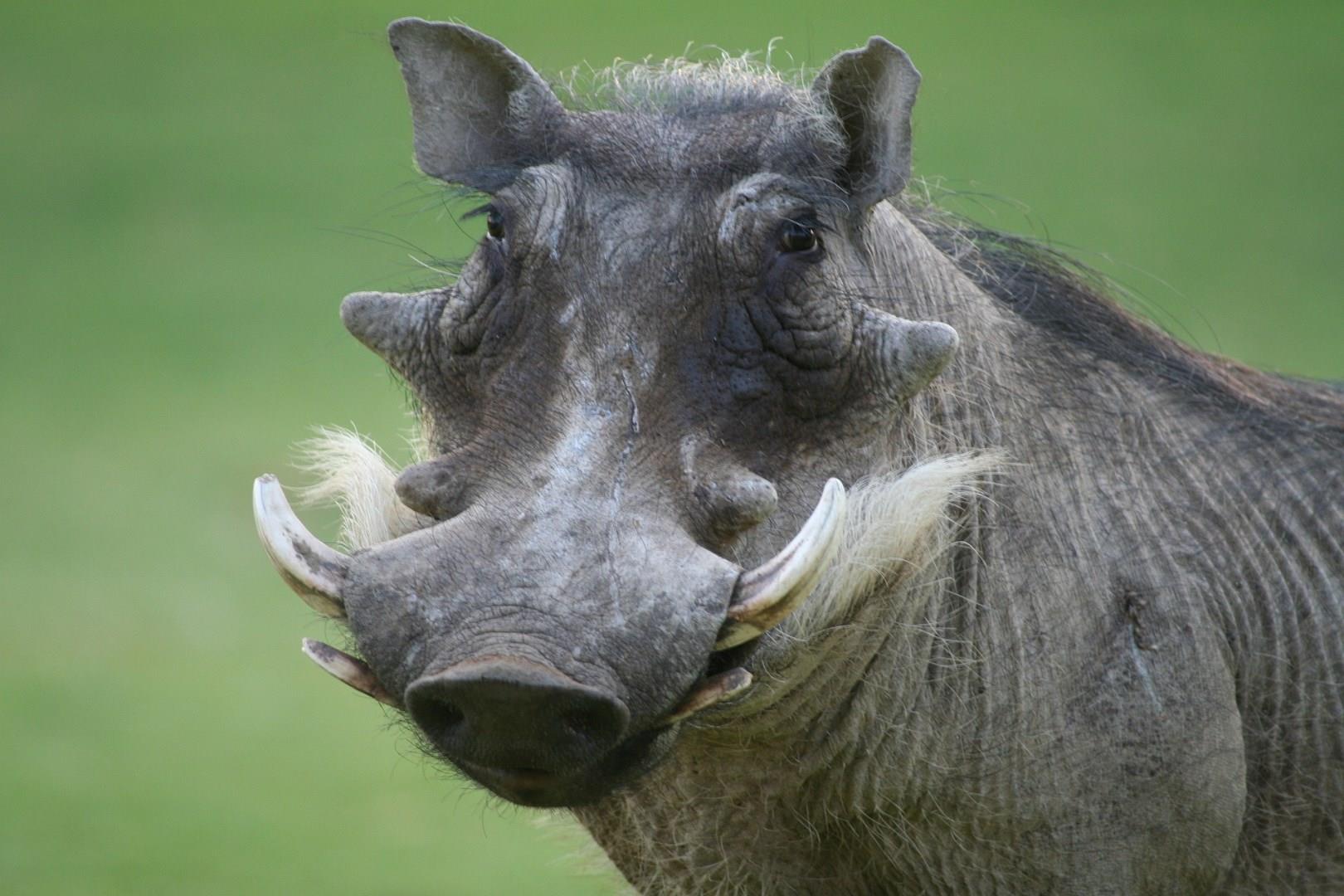
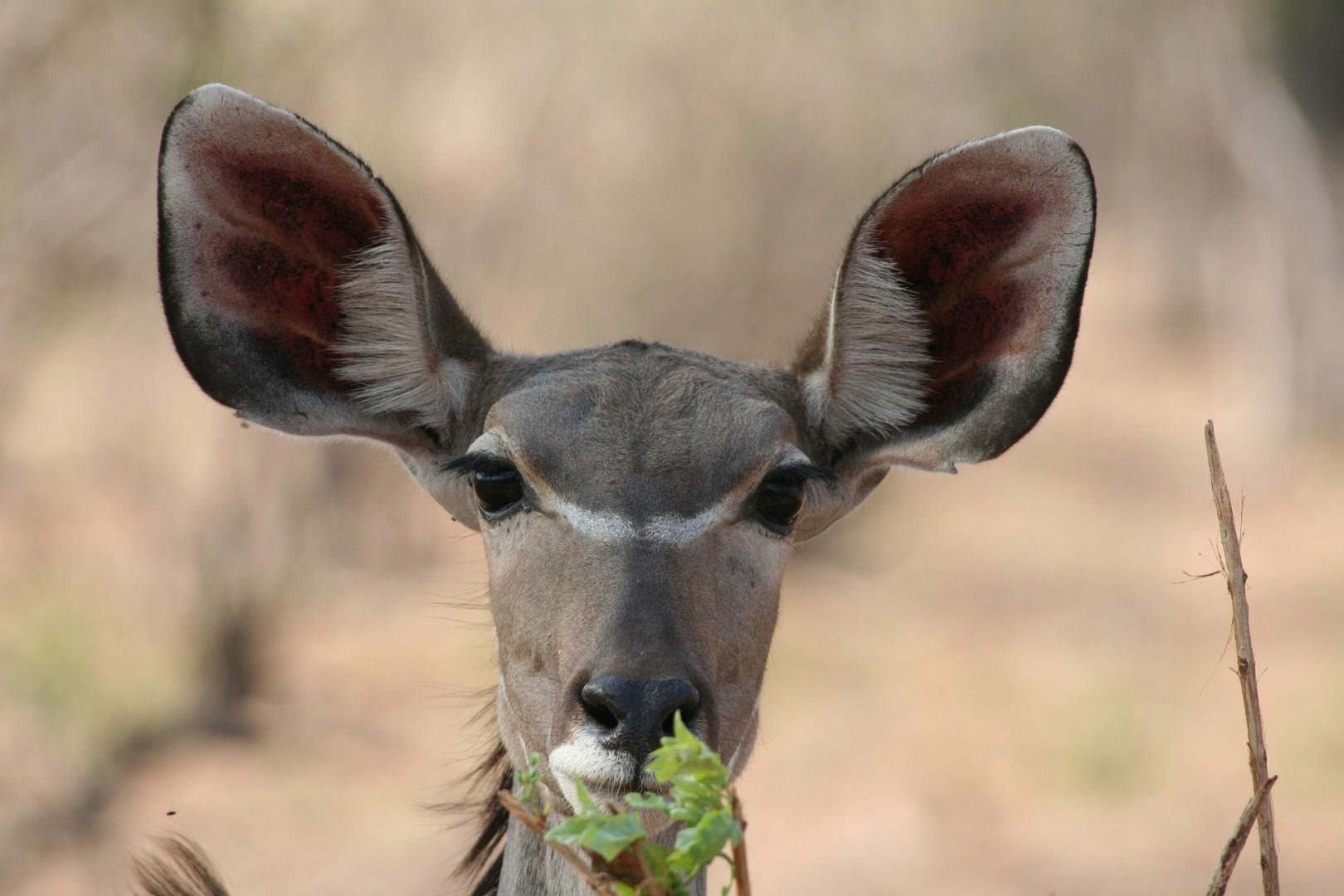
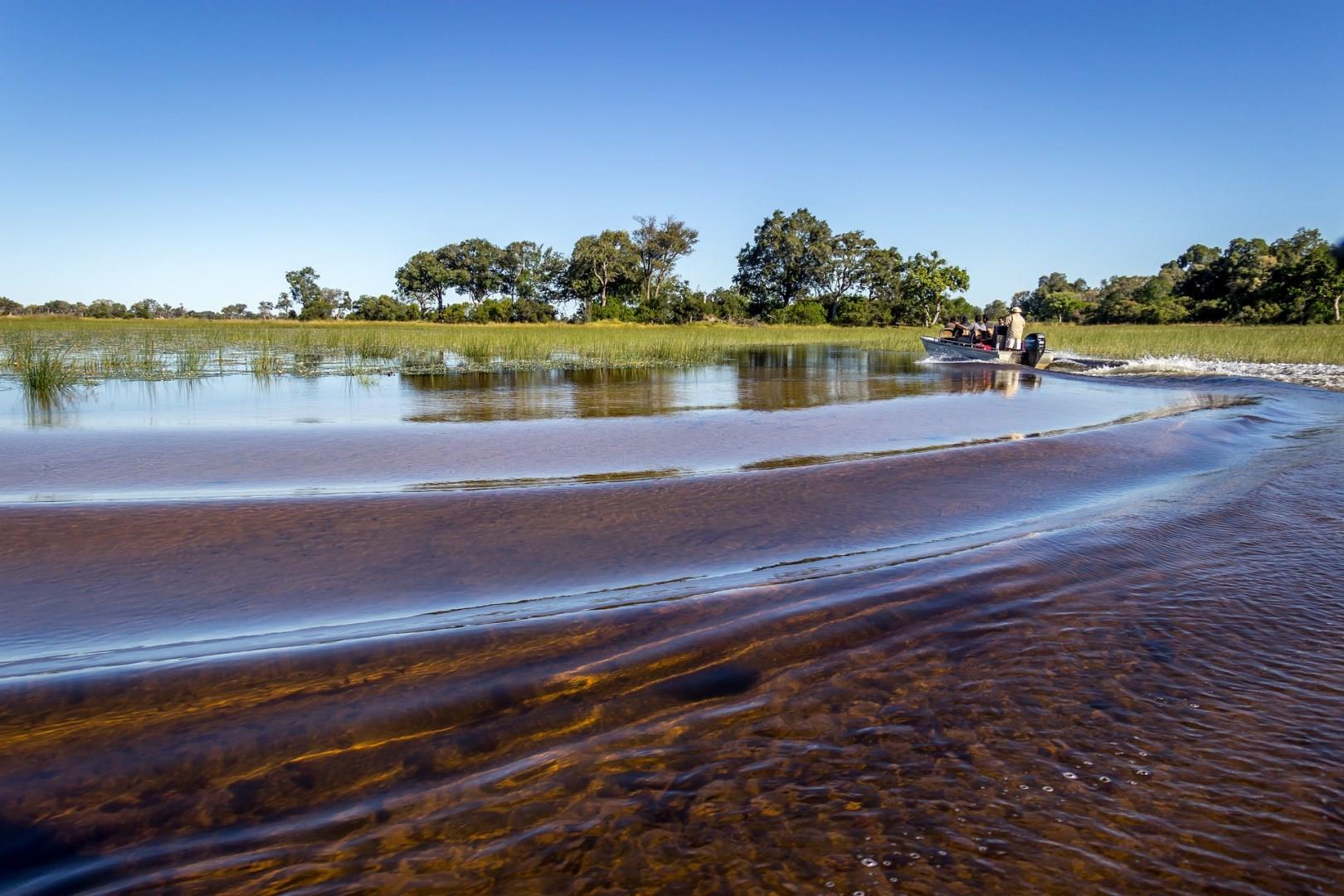
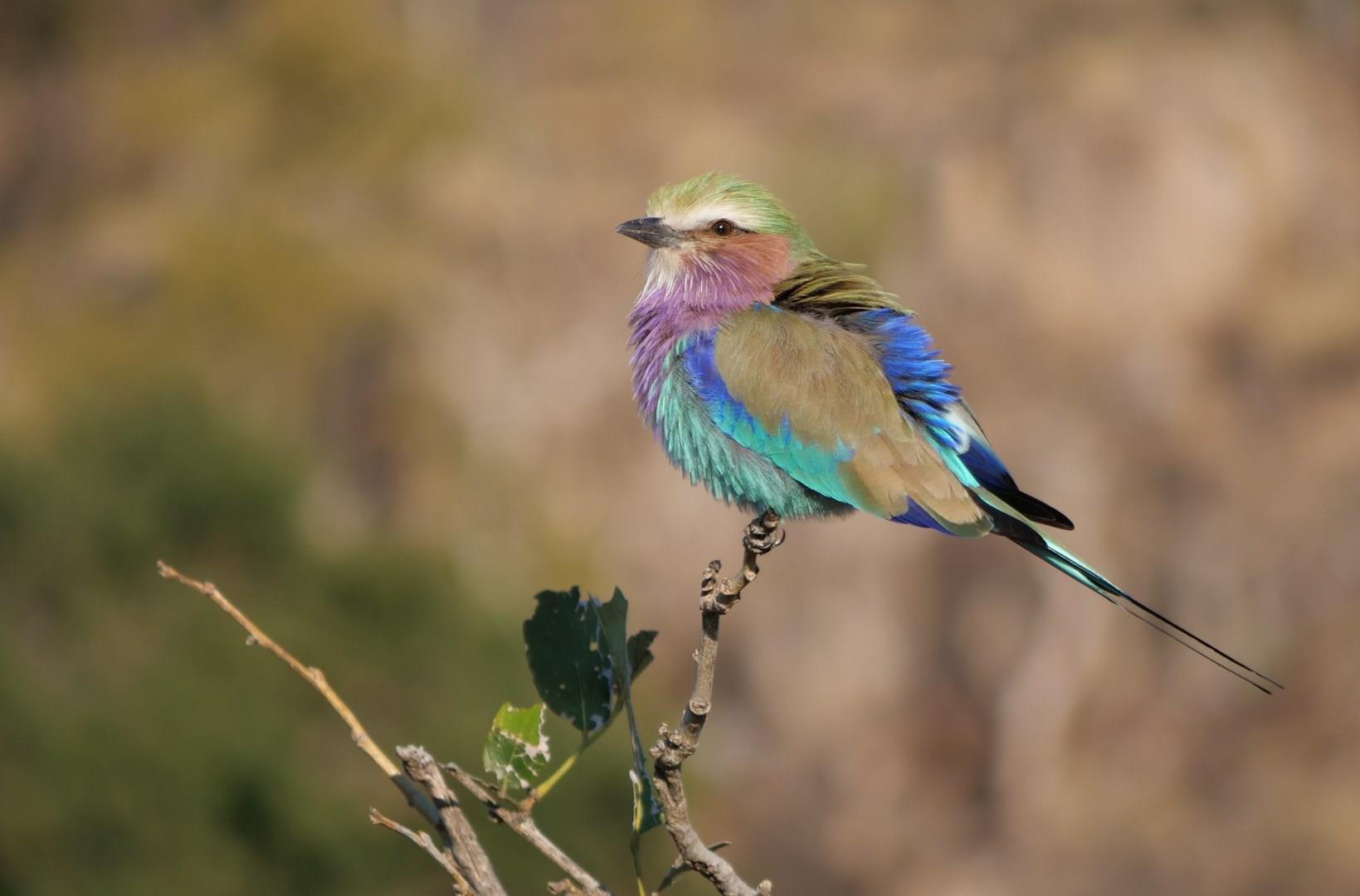
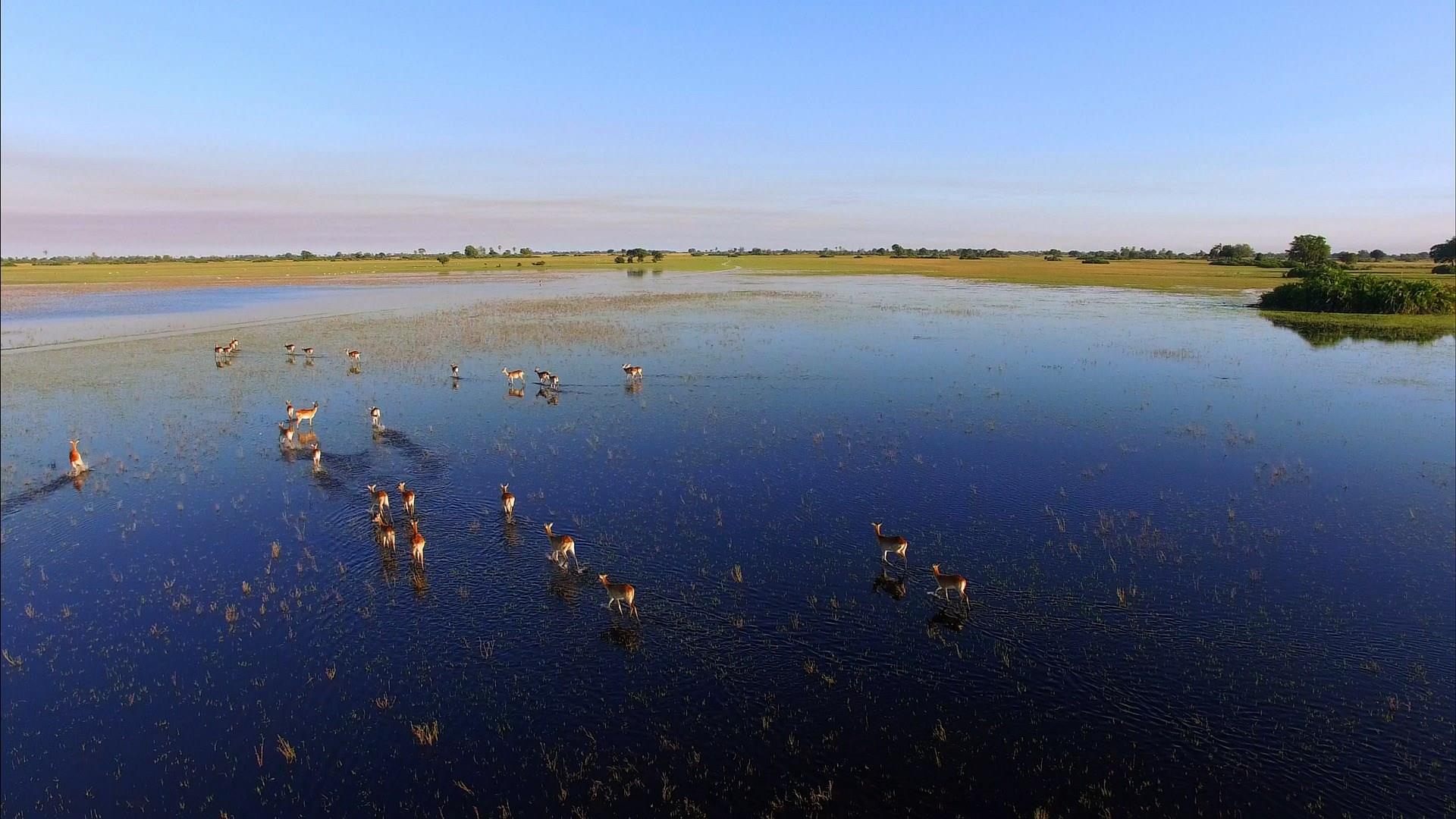
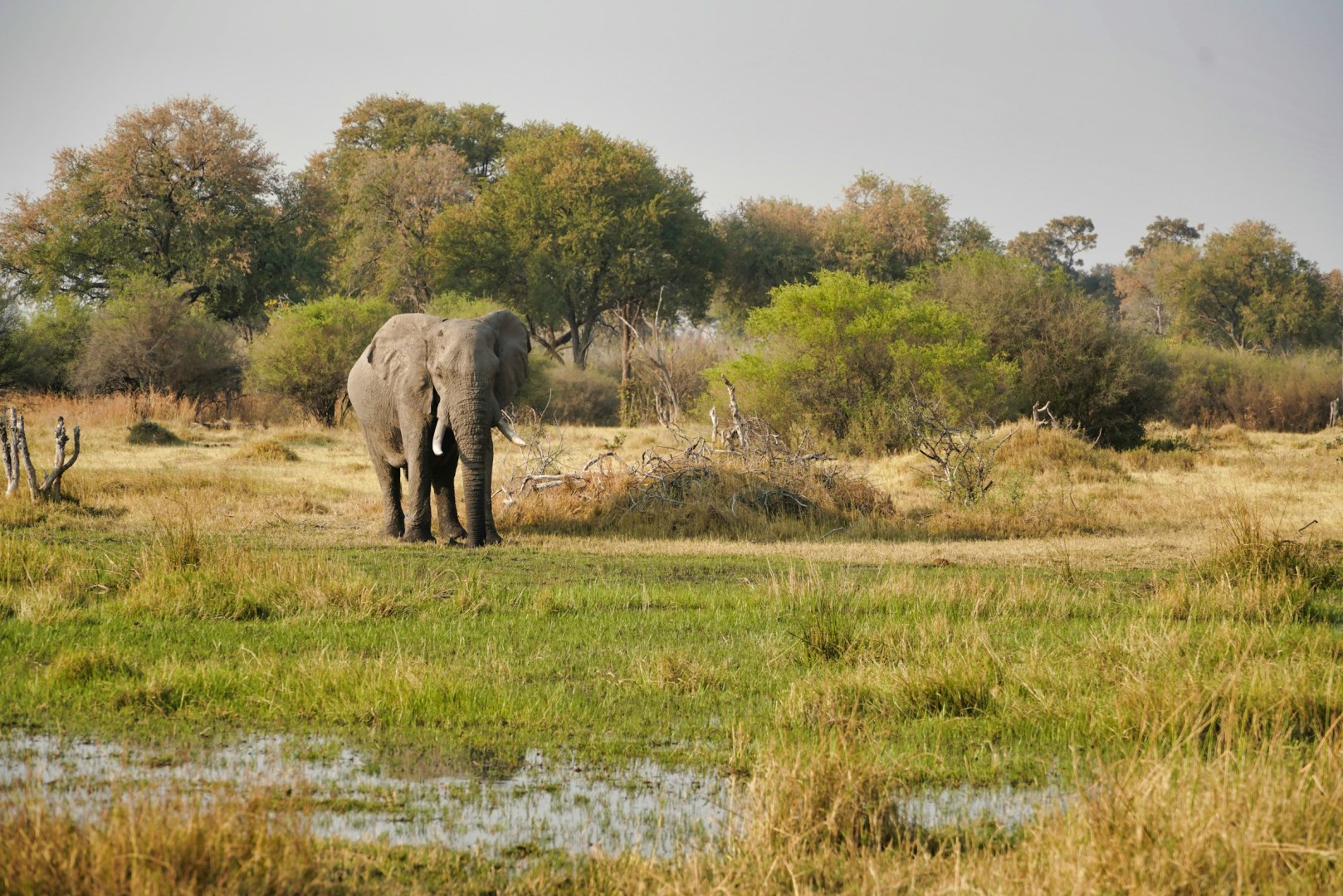
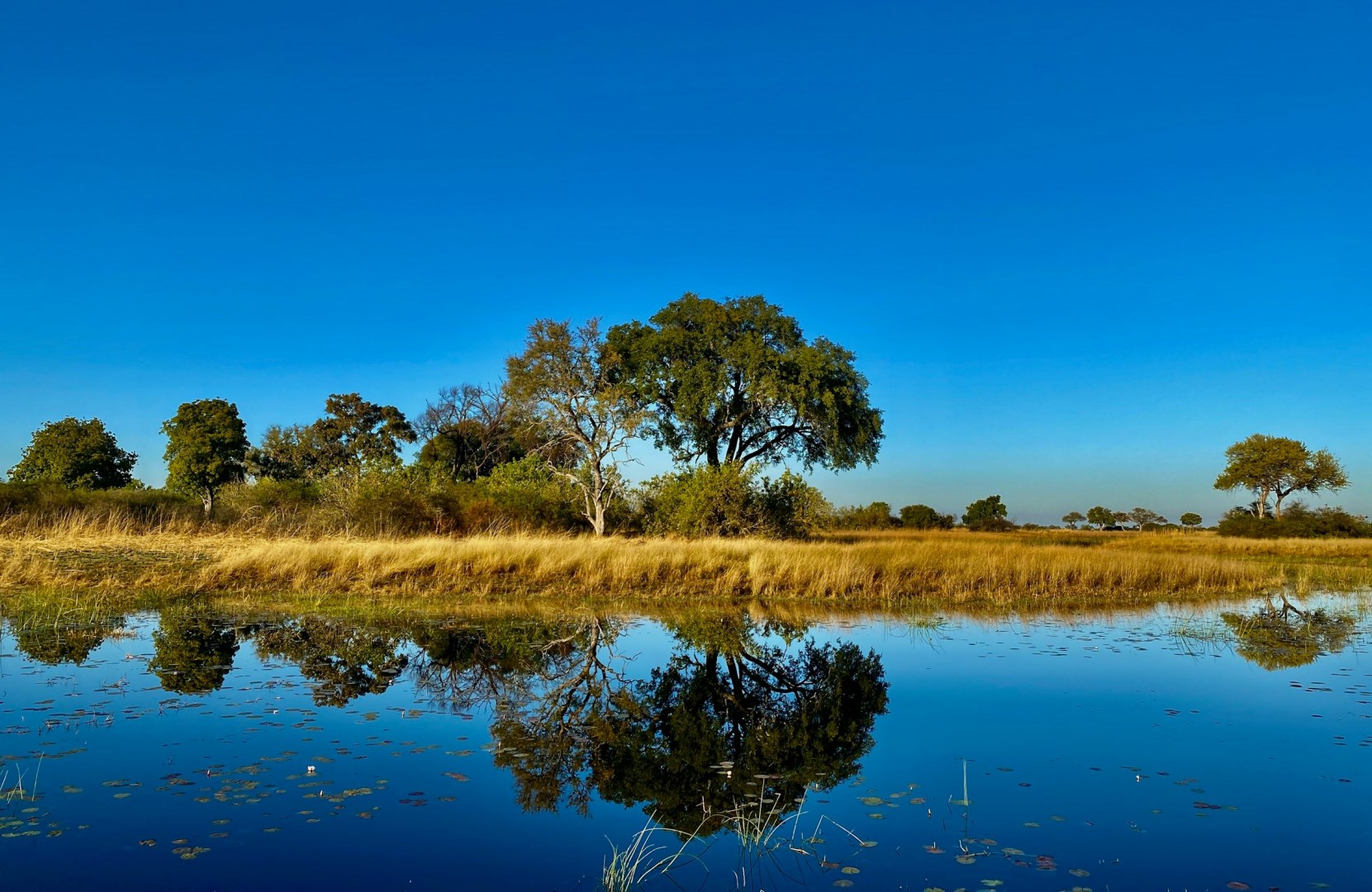
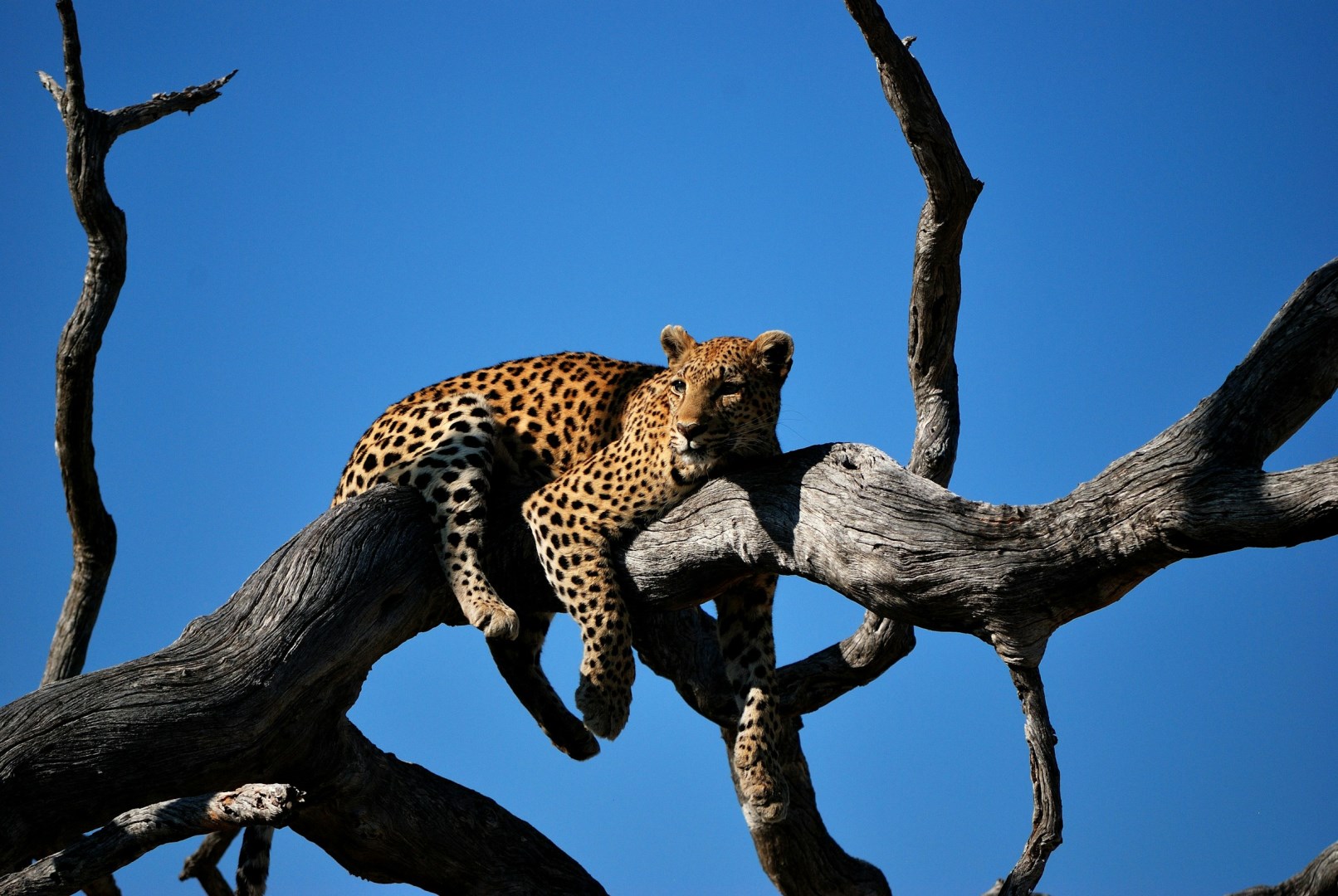
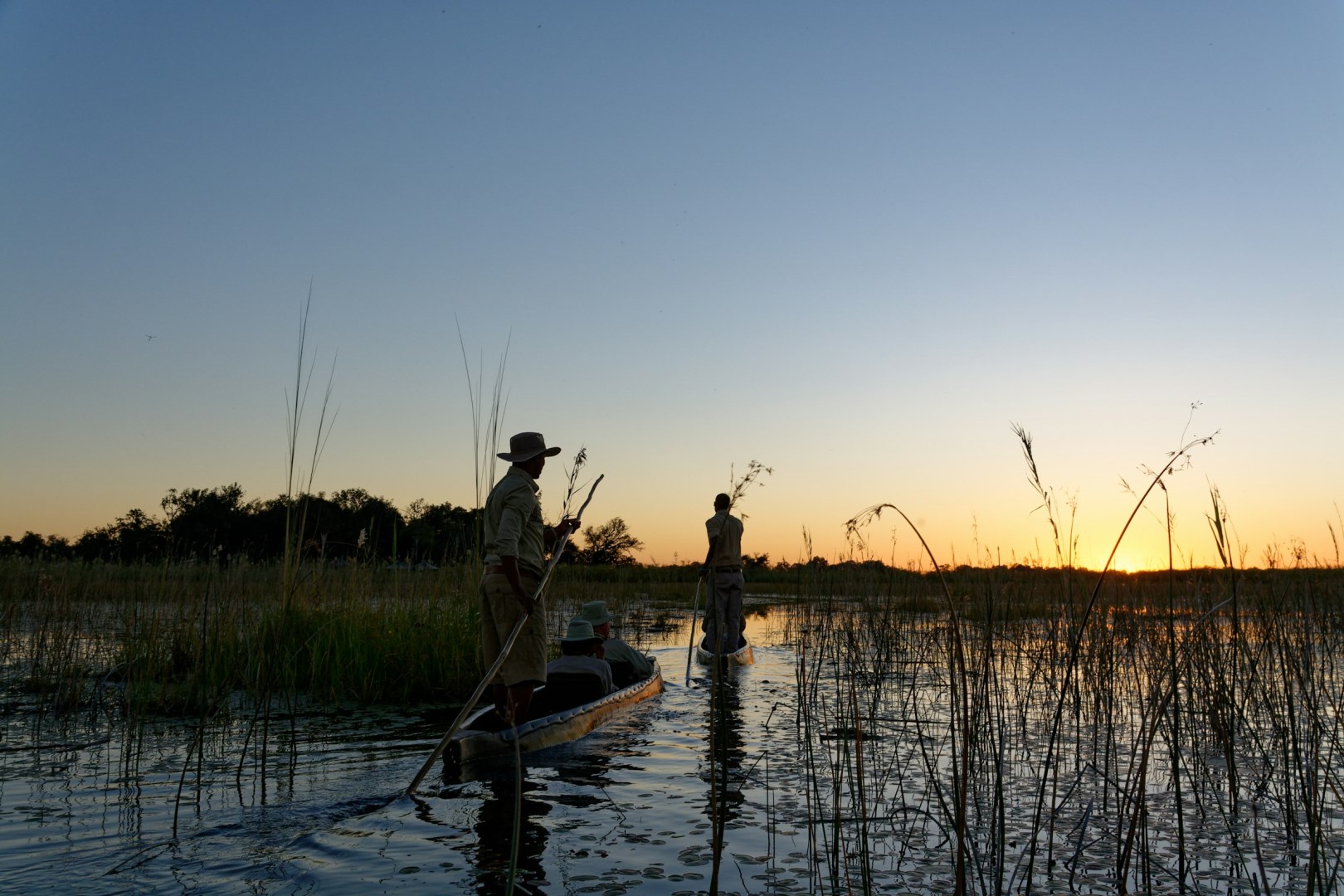
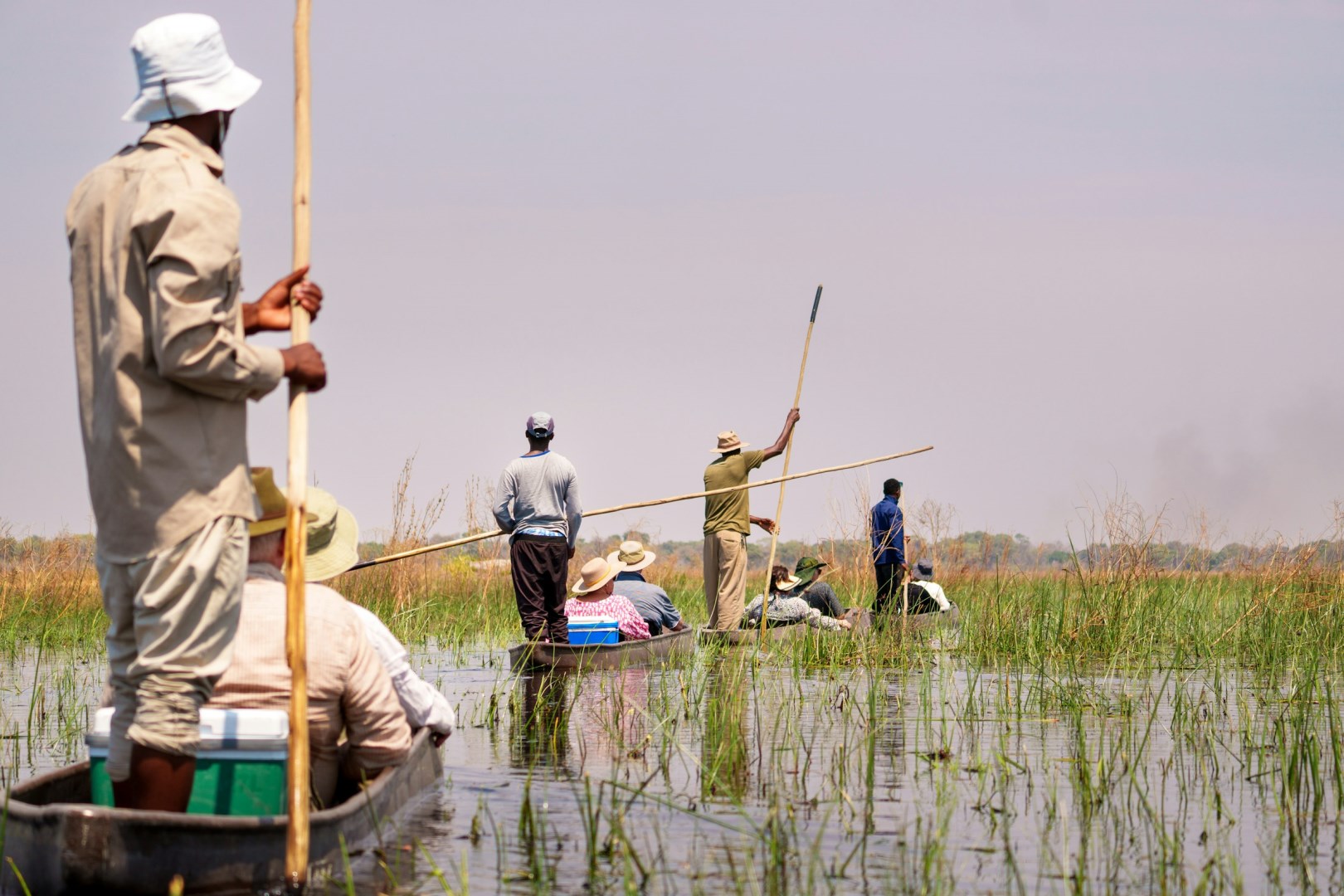
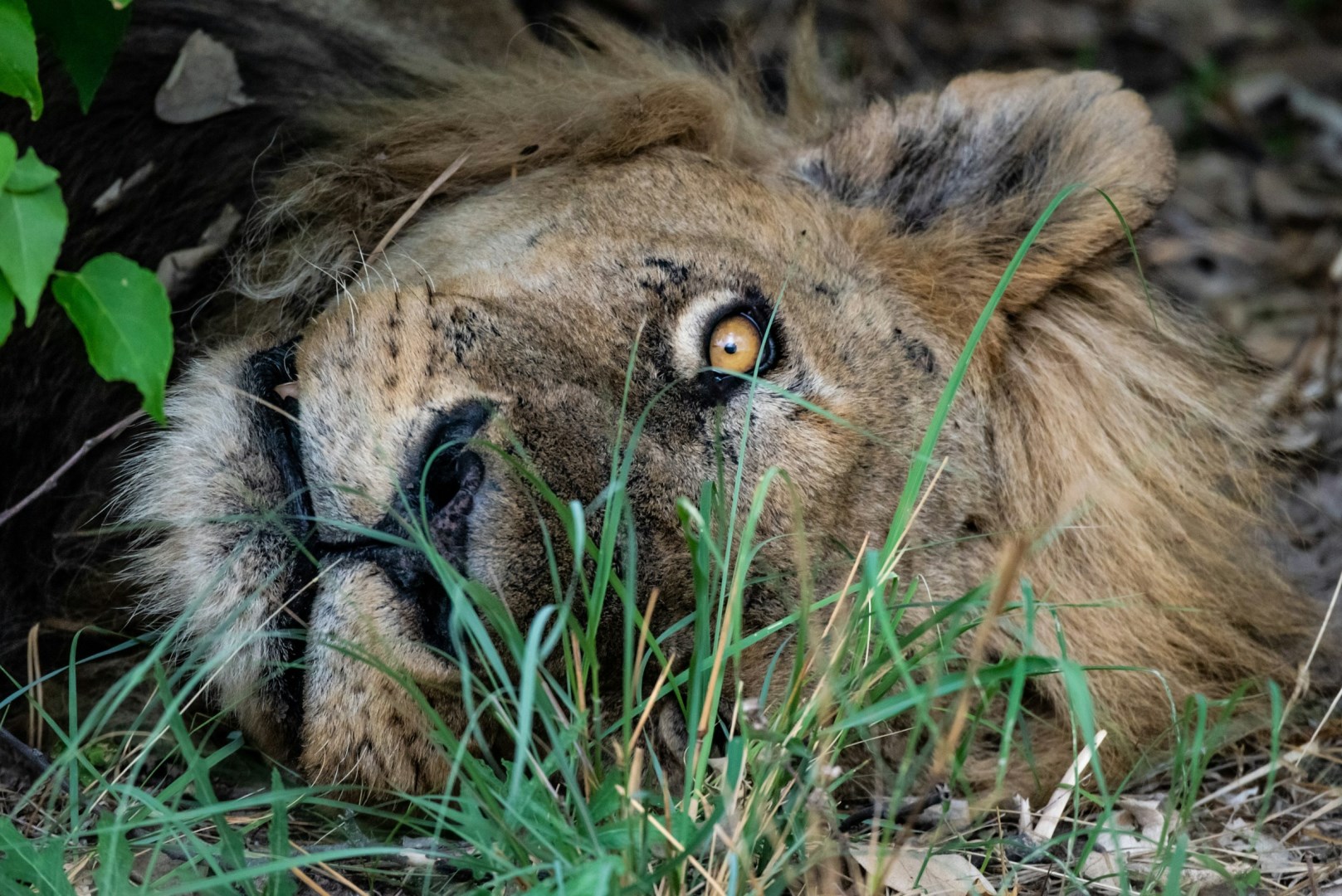
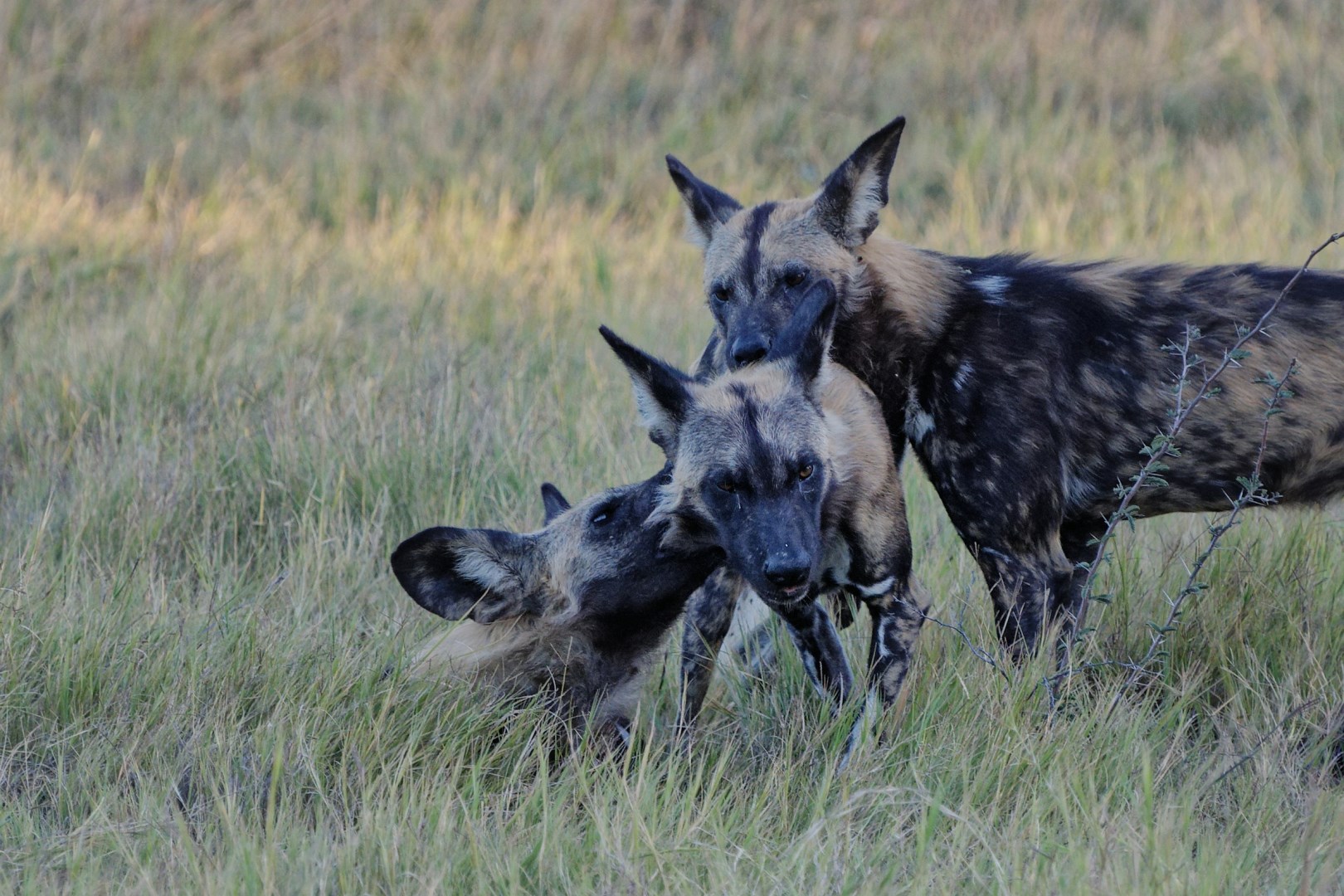
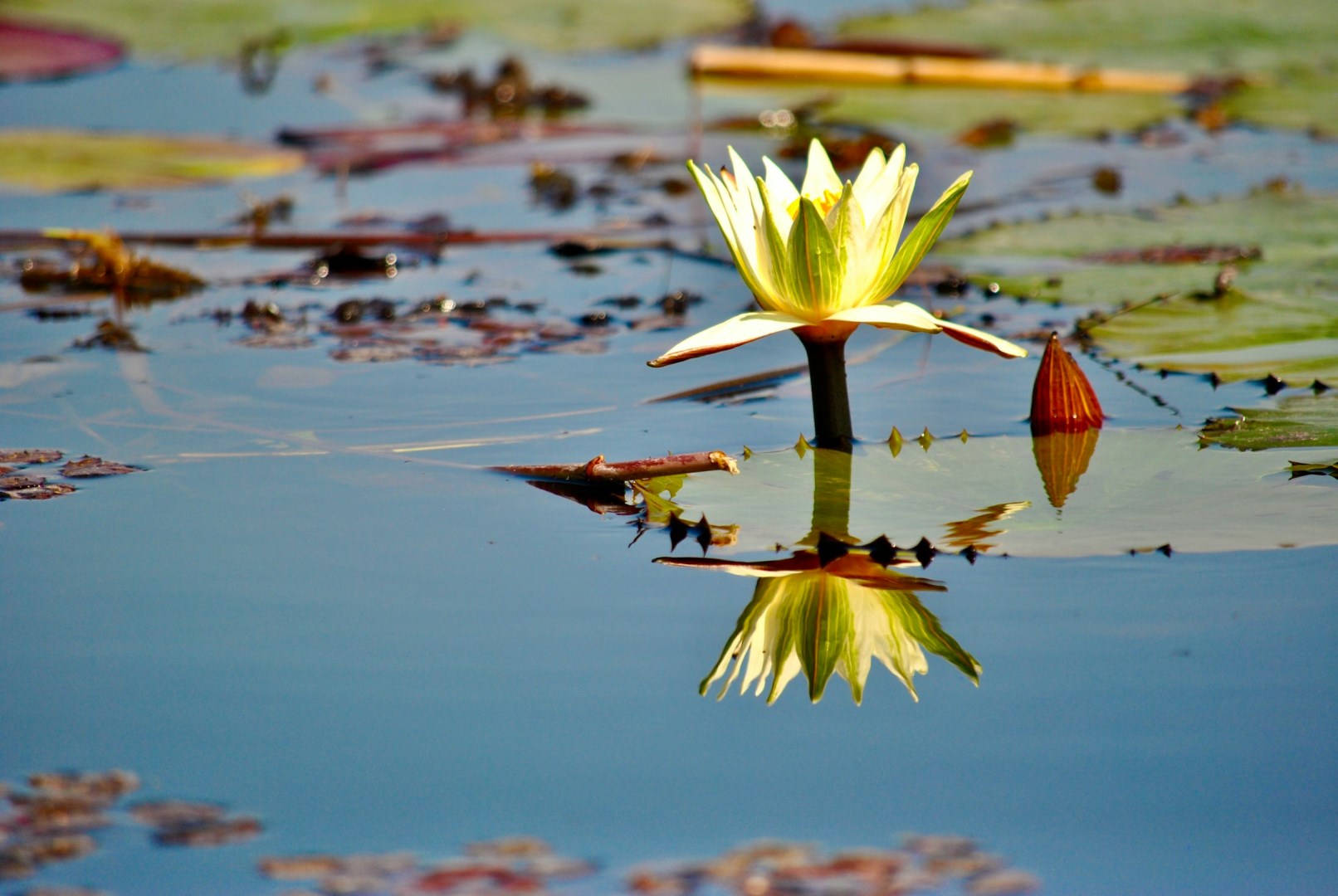
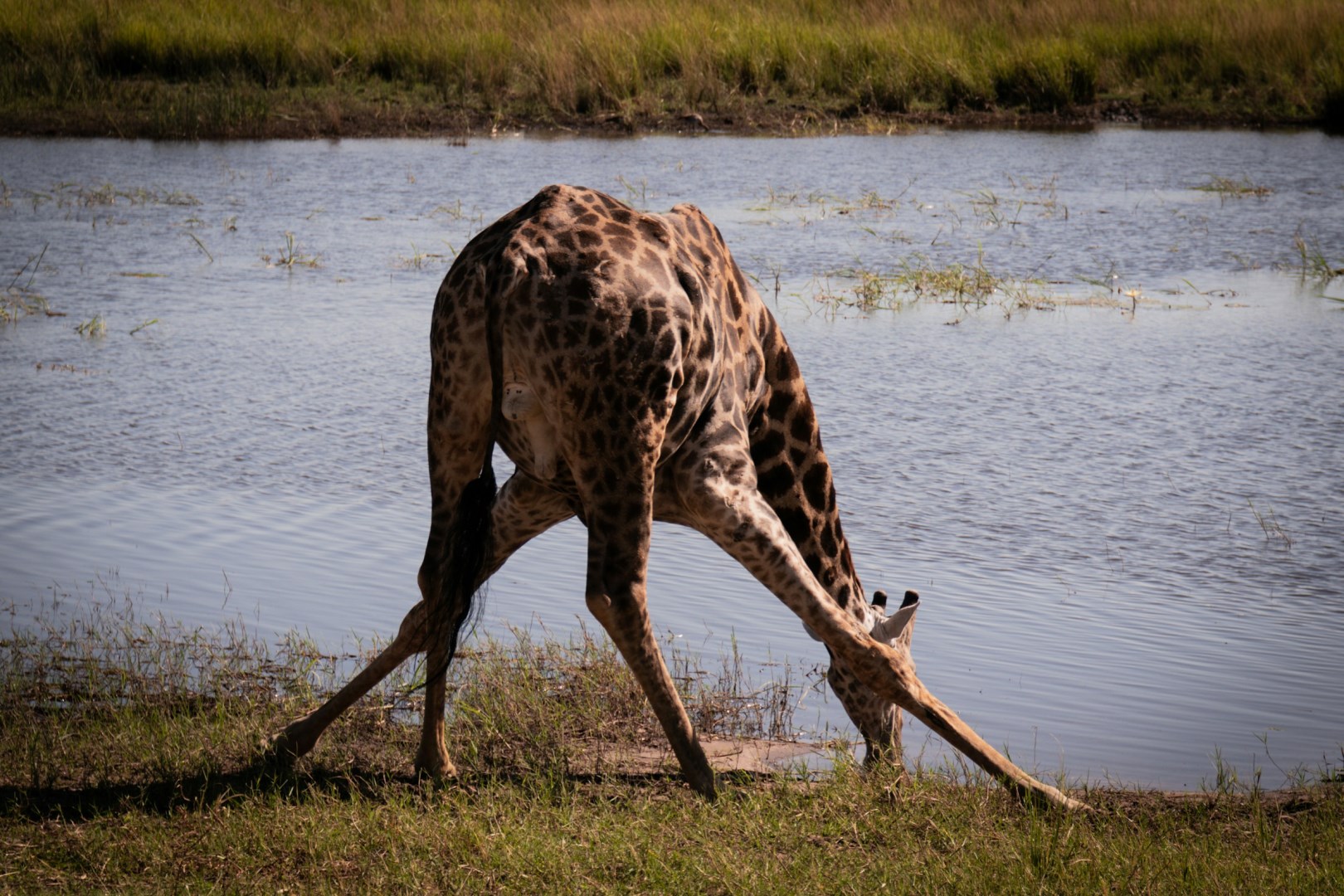
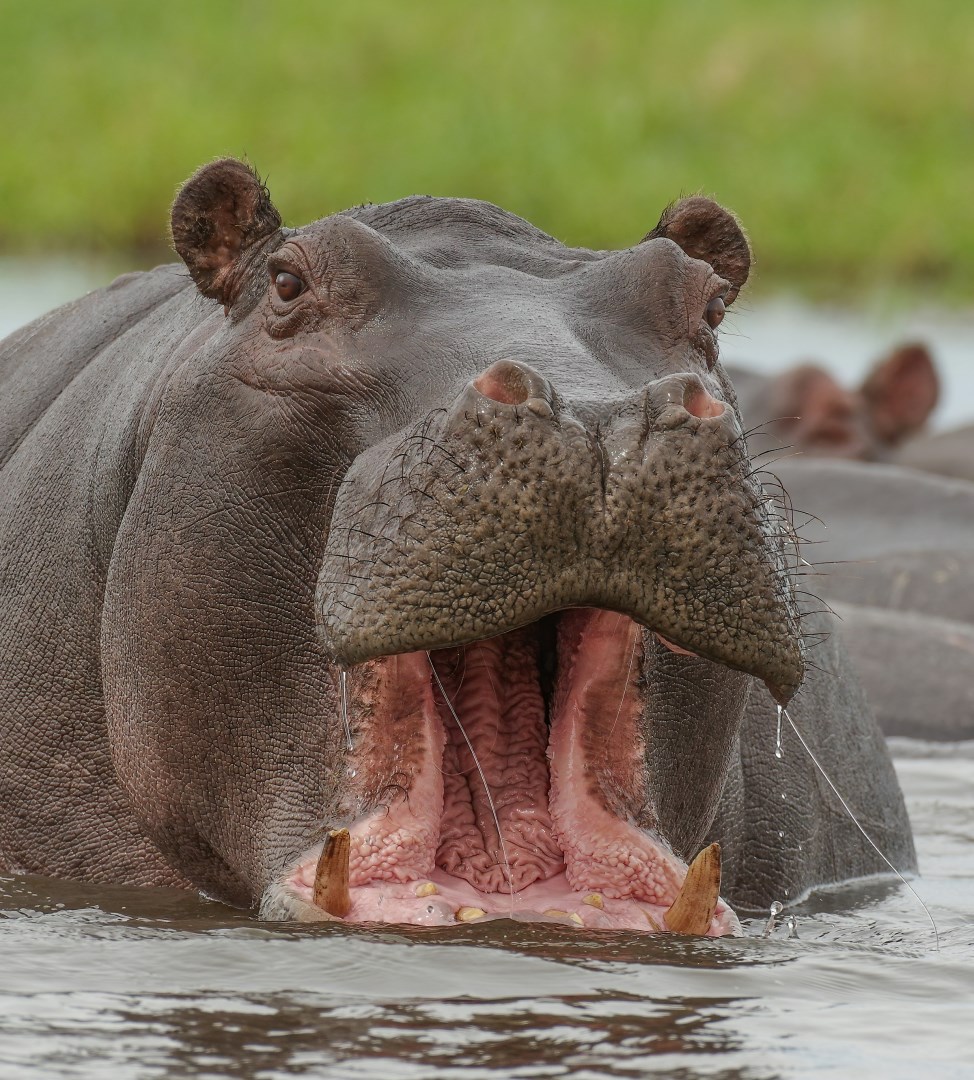
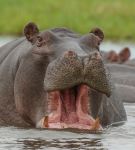
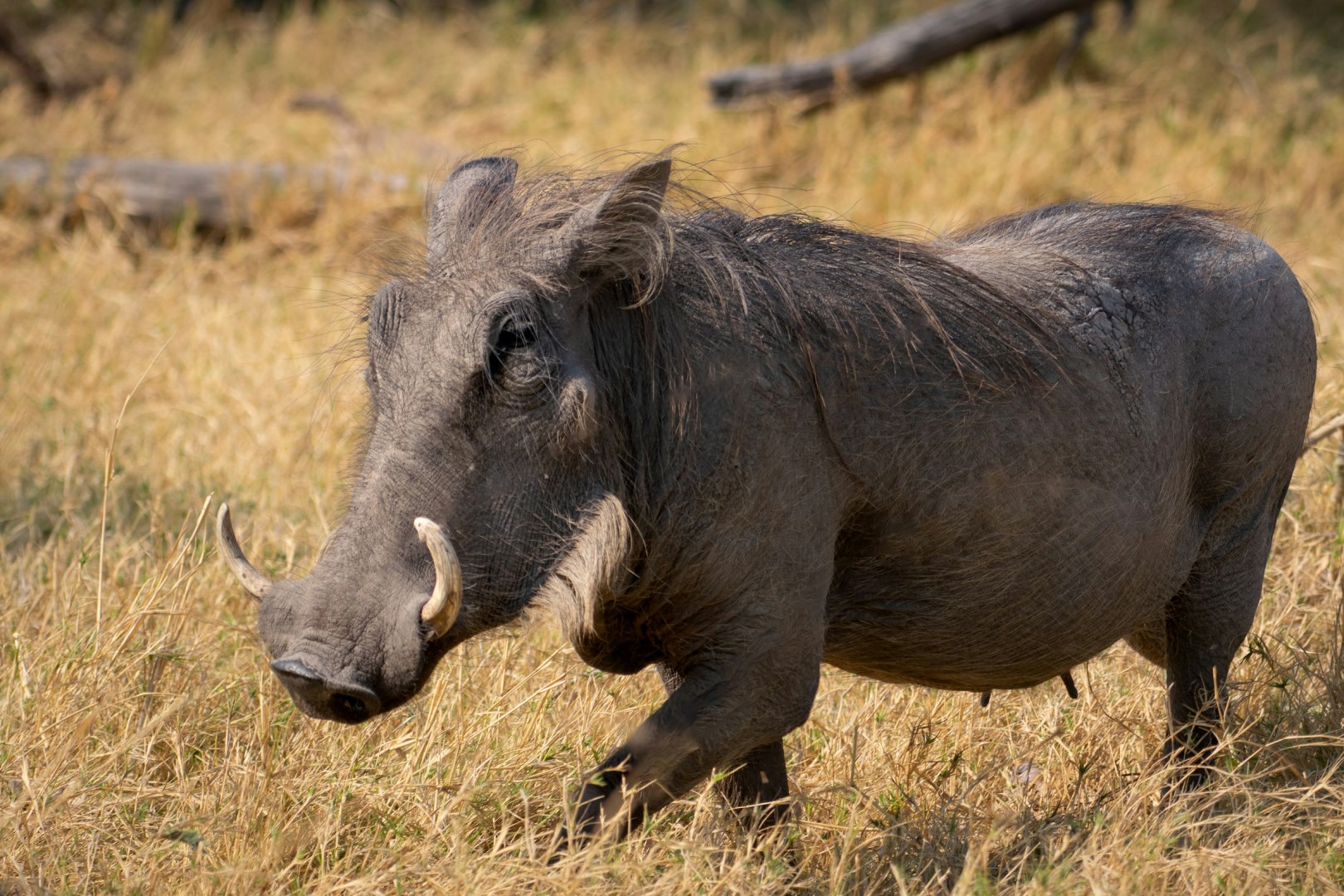
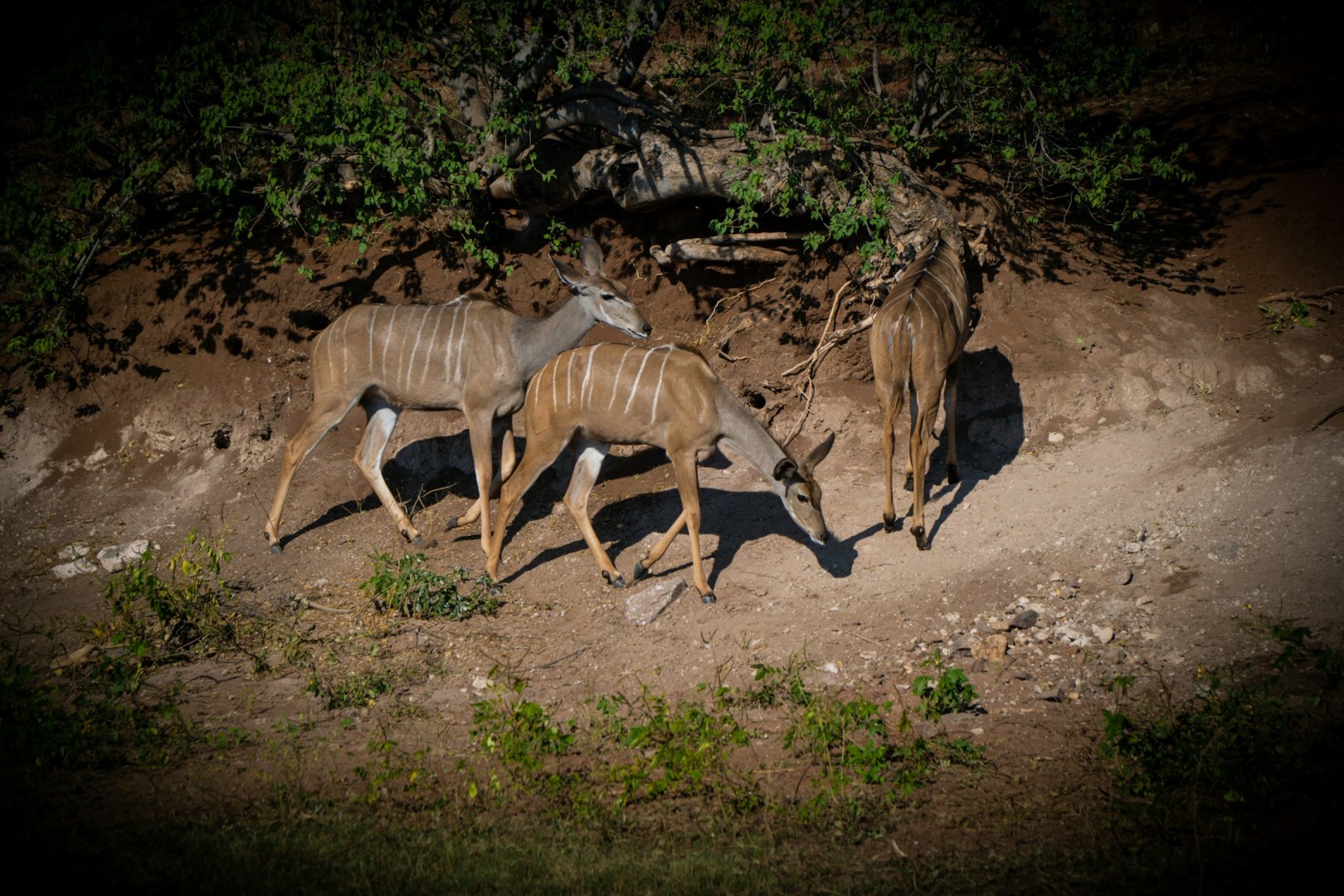
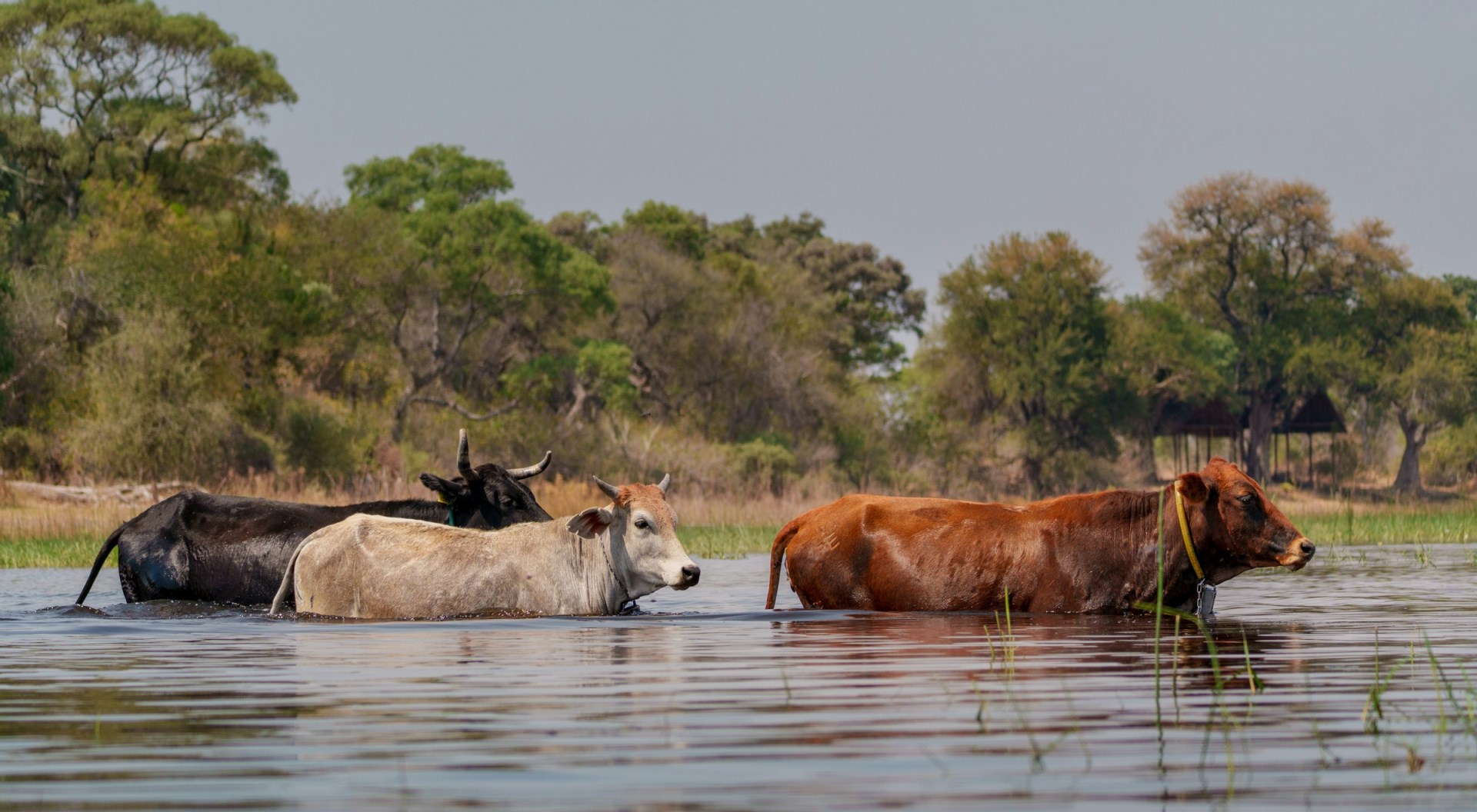
The Okavango Delta, located in Botswana, is one of Africa’s most extraordinary natural wonders. This vast inland delta, renowned for its rich biodiversity and stunning landscapes, offers a unique opportunity to experience a pristine wilderness. As the Okavango River meanders into the Kalahari Desert, it creates a sprawling floodplain that transforms into a lush oasis during the annual flood. The delta’s complex network of channels, lagoons, and islands provides diverse habitats for wildlife and spectacular views.
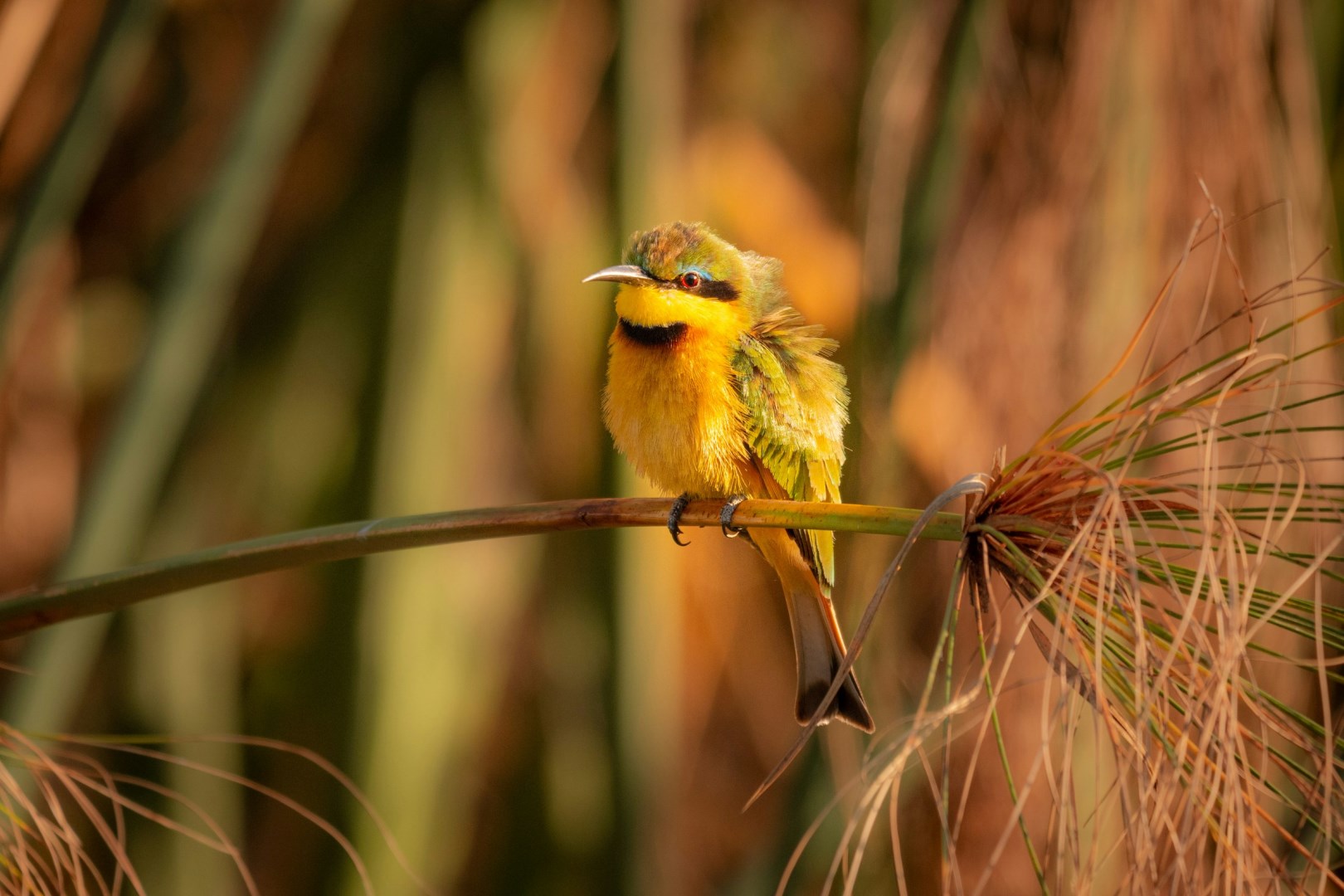
For an immersive experience, consider staying at one of the delta’s luxurious lodges, which blend seamlessly with the environment and offer exceptional wildlife viewing opportunities. The seasonal flood, which peaks between May and August, brings life to the delta and is the best time for wildlife sightings and photographic safaris.
Fun Fact: The Okavango Delta is the world’s largest inland delta and a UNESCO World Heritage Site. Its unique seasonal flooding pattern supports one of the most diverse ecosystems on the planet, making it a vital haven for both endemic and migratory species.
A visit to the Okavango Delta promises a mesmerizing adventure amidst some of the most breathtaking and unspoiled landscapes in Africa, offering unparalleled wildlife encounters and tranquil natural beauty.