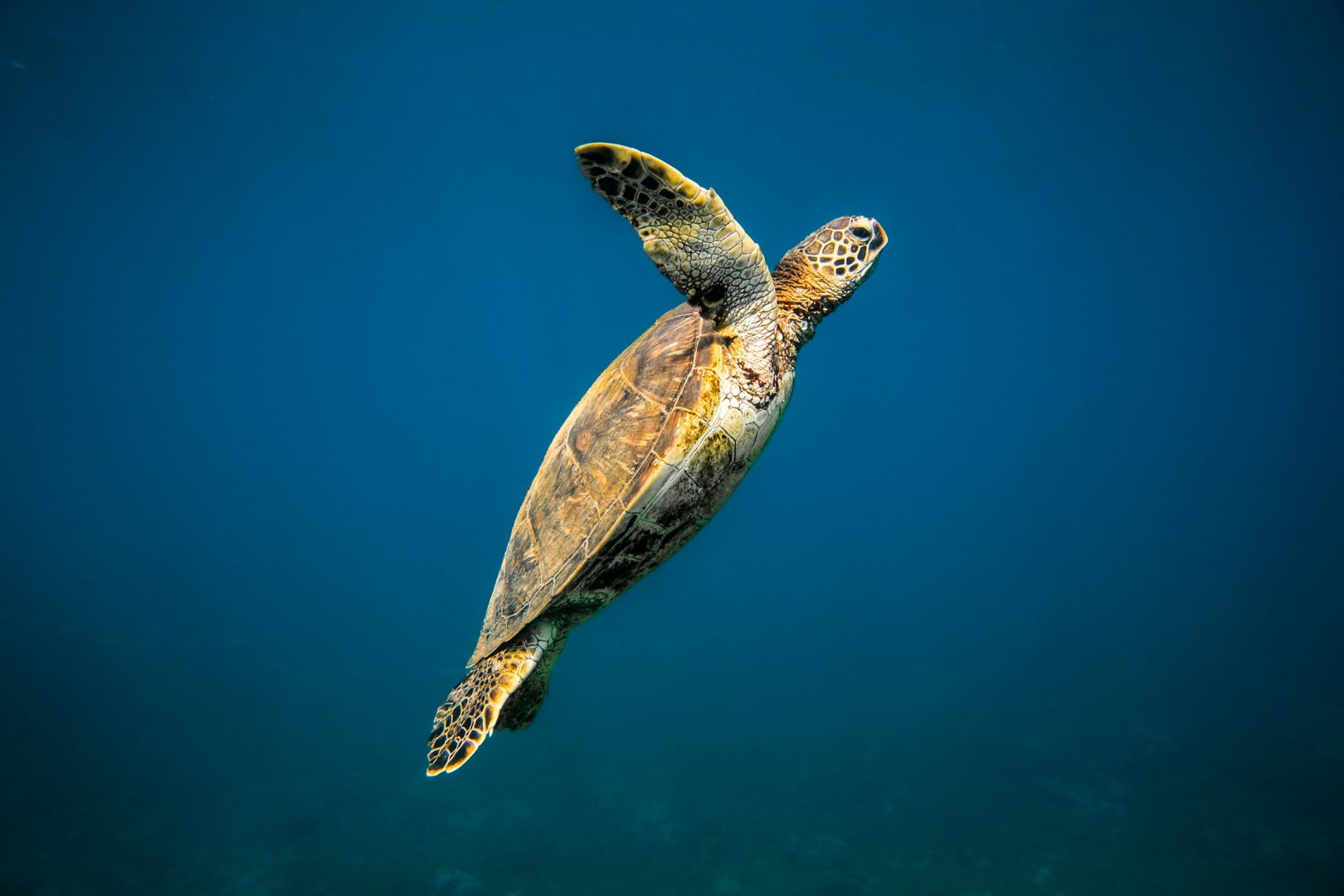
Kapalua is a coastal resort community on the northwest side of Maui, Hawai‘i, set between the West Maui Mountains and the Pacific Ocean. Its landscape includes sheltered bays, volcanic slopes, former agricultural land, and coastal trails, with views toward neighboring islands on clear days.
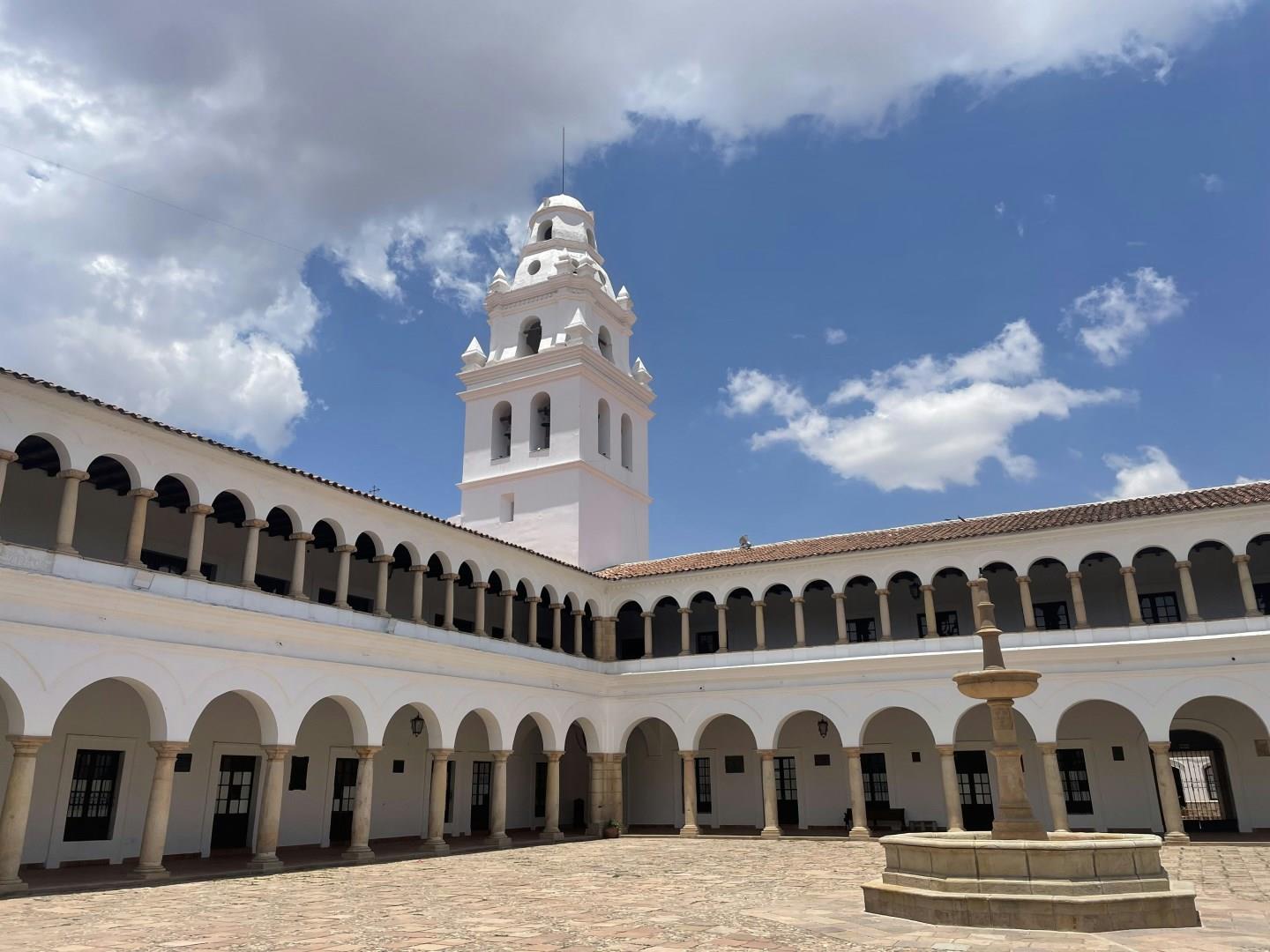
Sucre, Bolivia’s constitutional capital, is a city steeped in history and colonial charm. Founded in the 16th century by the Spanish, it played a pivotal role in South America’s independence movements, earning its place as the birthplace of the Bolivian Republic.
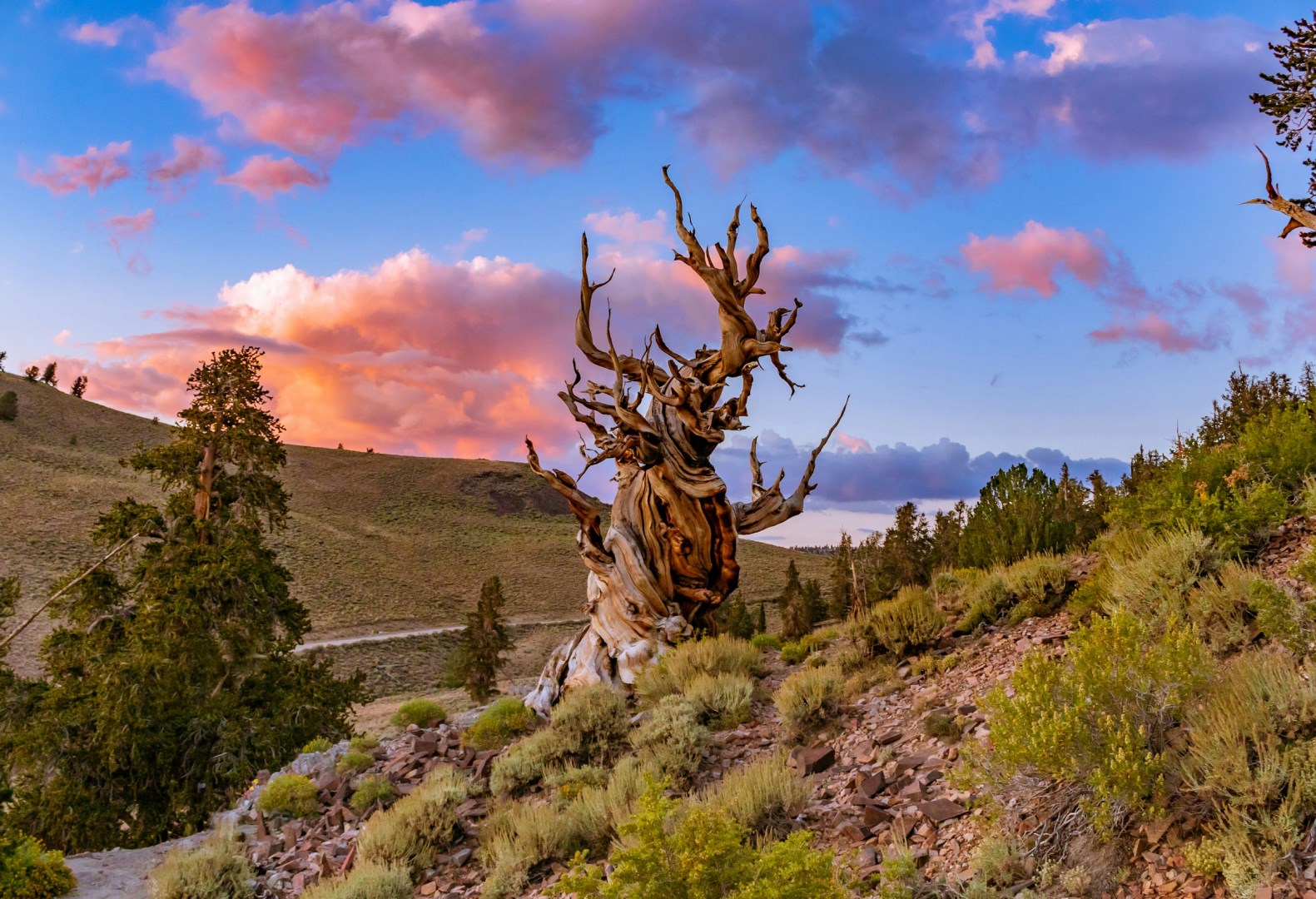
Bishop is a small city in California’s Owens Valley, positioned between the Sierra Nevada to the west and the White Mountains to the east. The city sits along the U.S. Route 395 corridor and serves as a regional center for the surrounding Eastern Sierra communities.
Halong Bay, located in northeastern Vietnam, is a stunning UNESCO World Heritage site known for its emerald waters and towering limestone islands. This natural wonder offers a variety of activities for visitors, including cruising, kayaking, snorkeling, and exploring extraordinary caves like the Sung Sot.
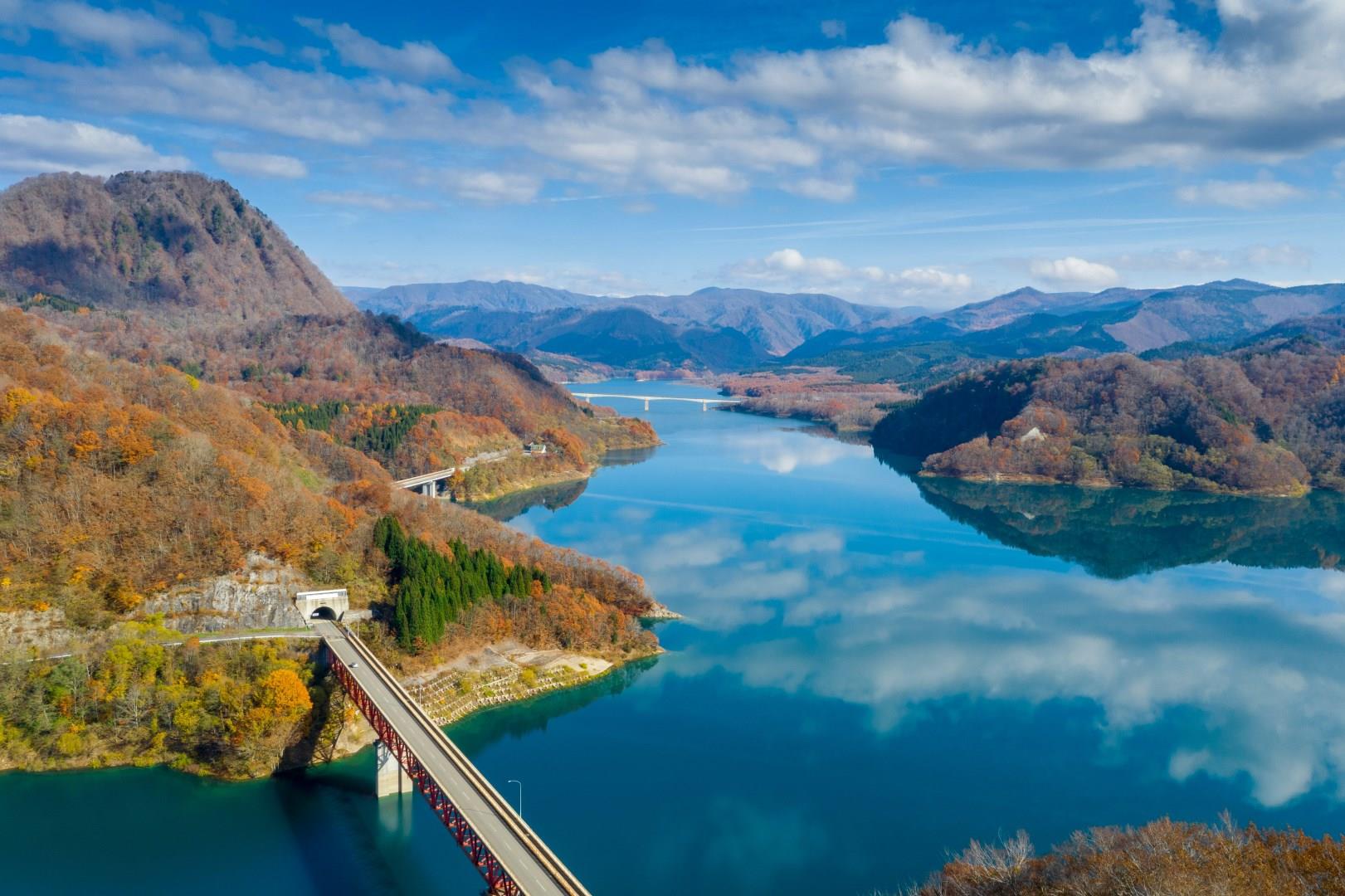
Akita sits in the northern part of Japan’s Tōhoku region and offers travelers experiences rooted in long-held traditions, lively festivals, and scenic valleys. Its capital city blends seasonal appeal with cultural offerings, from Senshu Park, once the site of Kubota Castle, where cherry blossoms and lotuses draw locals and visitors alike, to the Akita Museum of Art, a striking building designed by famed architect Tadao Ando that displays works including pieces by Tsuguharu Foujita.
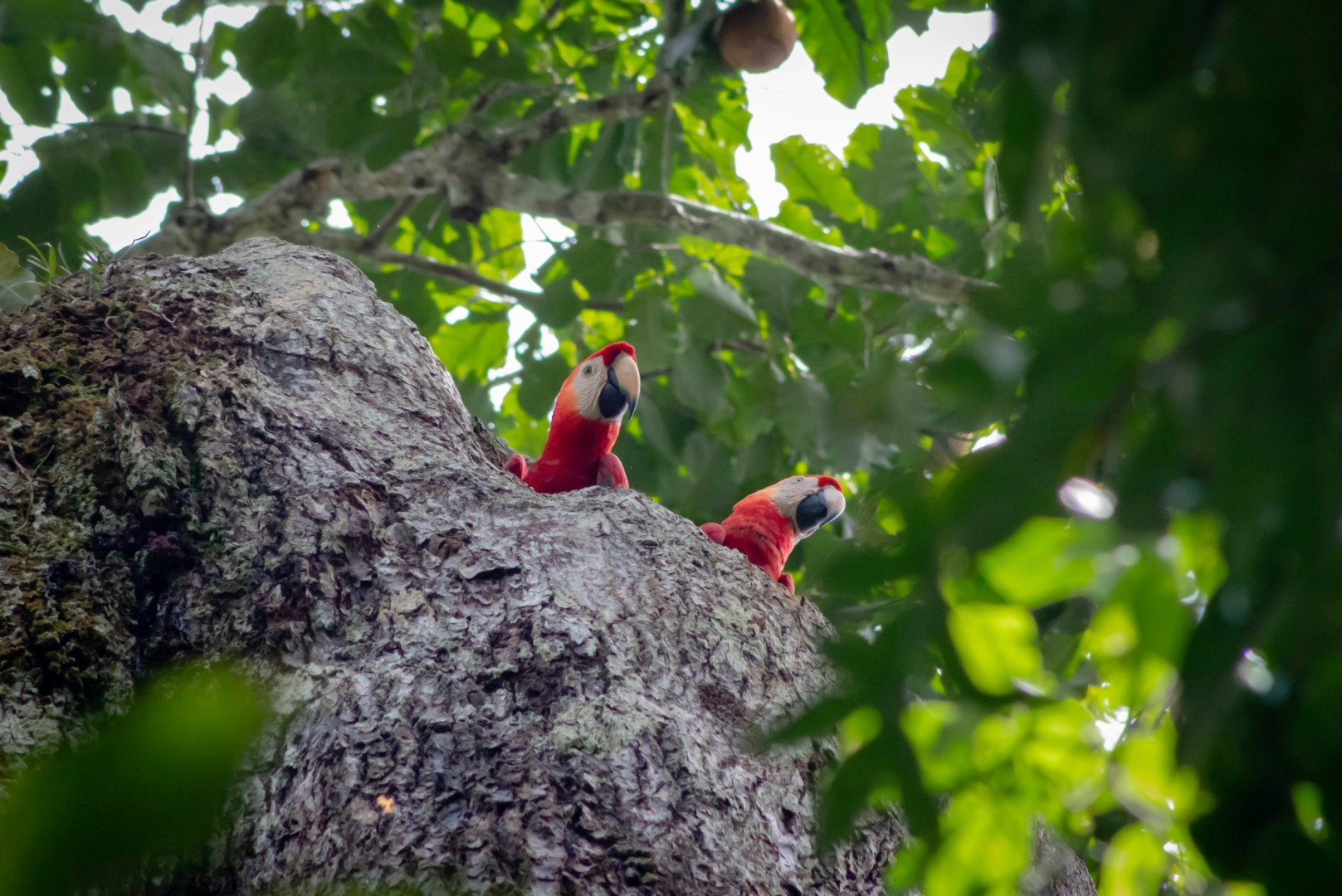
Nestled in the heart of Peru's Amazon rainforest, Puerto Maldonado serves as a gateway to one of the world's most biodiverse regions. This vibrant city, often referred to as the gateway to the Peruvian Amazon, offers a unique opportunity to explore lush rainforests, encounter exotic wildlife, and experience the rich culture of the Amazonian tribes. The nearby Tambopata National Reserve and Manu National Park are prime destinations for eco-tourists and adventurers alike.
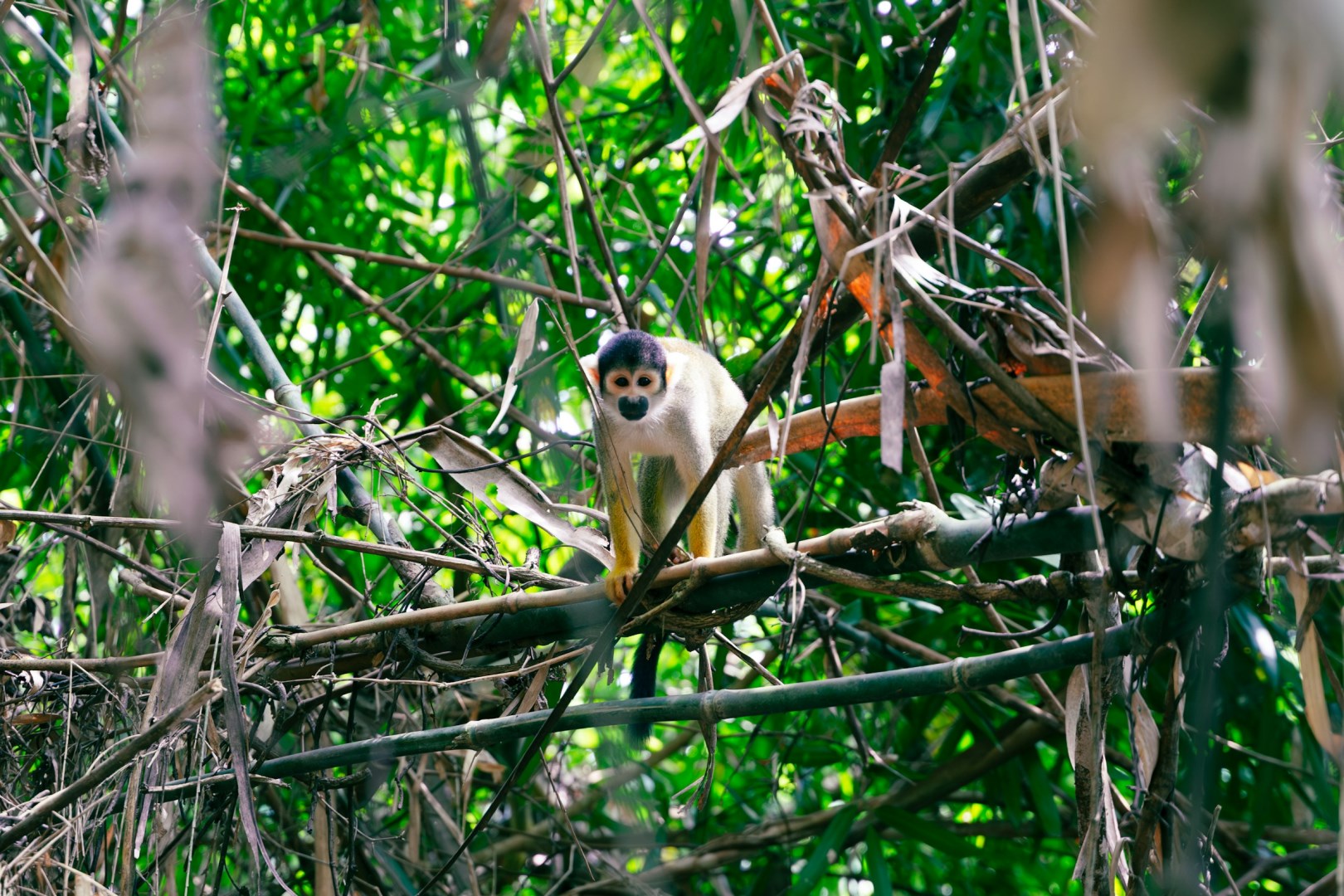
Visitors to Puerto Maldonado can embark on thrilling jungle expeditions, where they may spot the elusive jaguar, playful monkeys, and colorful macaws. The city's location along the Madre de Dios River makes it ideal for boat tours, providing a serene way to explore the waterways and spot wildlife from the comfort of your vessel. Guided tours often include visits to local indigenous communities, where travelers can learn about traditional customs and crafts, enriching their understanding of Amazonian culture.
The area's natural beauty is complemented by its commitment to conservation and sustainable tourism. The lodges and eco-resorts around Puerto Maldonado are designed to blend seamlessly with their surroundings, offering eco-friendly amenities and immersive experiences that minimize environmental impact. This commitment helps preserve the pristine environment and supports local conservation efforts.
Fun fact: Puerto Maldonado is named after the Spanish explorer Pedro Maldonado, who was one of the first Europeans to explore the Amazon basin. The city’s name reflects its deep connection to the history and exploration of the Amazon, making it not only a destination for nature lovers but also for those fascinated by the legacy of early explorers
Other Popular Destinations in Peru
Cusco
Cusco once served as the heart of the Inca Empire, and that legacy still shapes every corner of the city even as it serves as a gateway to Machu Picchu. Outside the historic center, the ruins of Sacsayhuamán overlook the city from a nearby hilltop. This ceremonial complex is best known for its massive zigzag stone walls, some weighing over 100 tons. During the Inti Raymi festival in June, thousands gather here to reenact ancient Andean rituals.
Machu Picchu
Machu Picchu is a story carved into stone, perched nearly 2,500 meters above sea level in the cloud forests of southern Peru. Built in the 15th century and later abandoned, this Inca citadel was unknown to the outside world until 1911, when explorer Hiram Bingham brought it to international attention. Today, it remains remarkably well-preserved, with more than 150 stone structures, terraced fields, ceremonial fountains, and temples aligned with astronomical events.