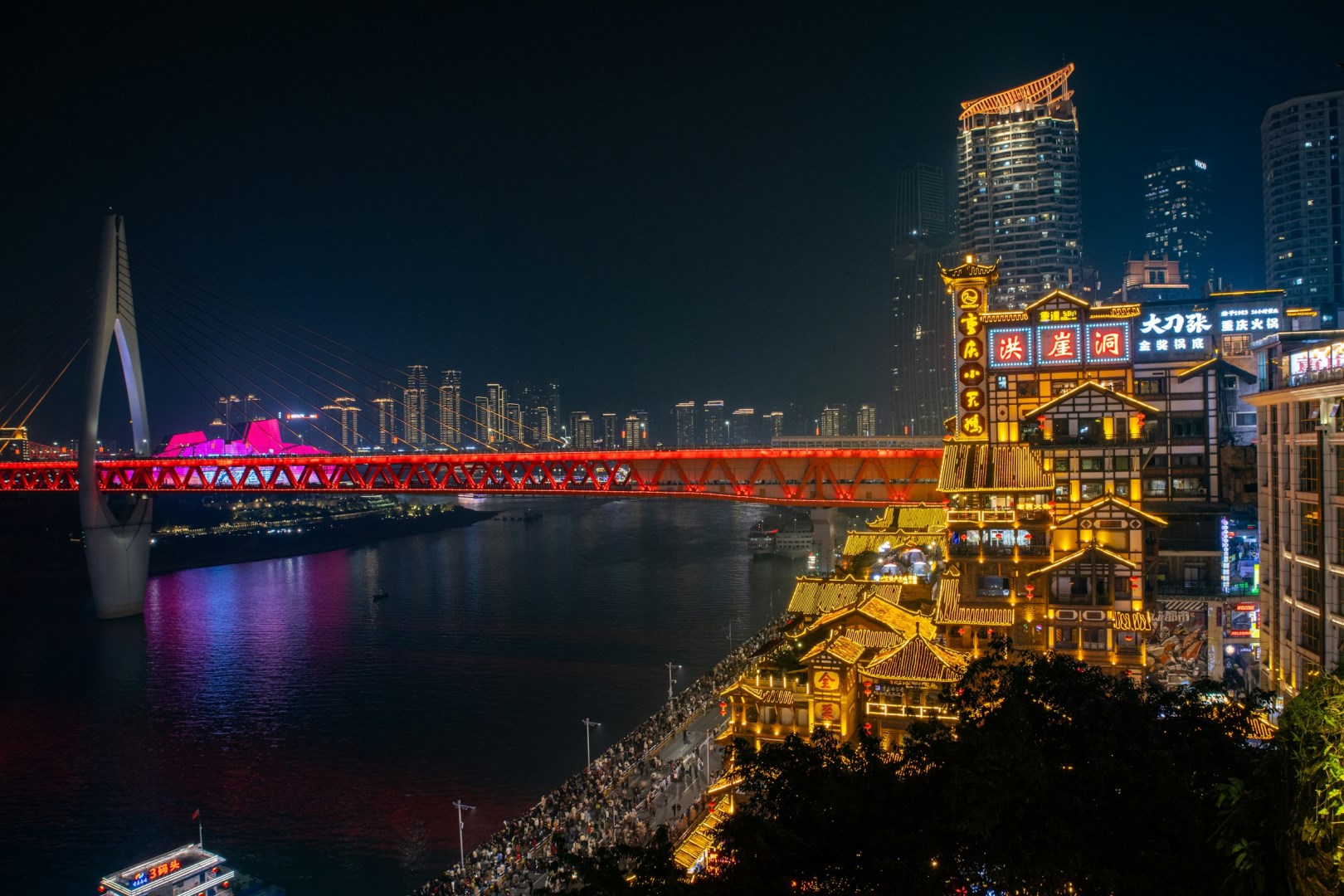
Chongqing
The largest city in Sichuan Province and a port-of-call on the Yangtze River. Located at the heart of where the Jialing and Yangtze Rivers meet, this beautiful combination of ancient and modern will take your breath away.
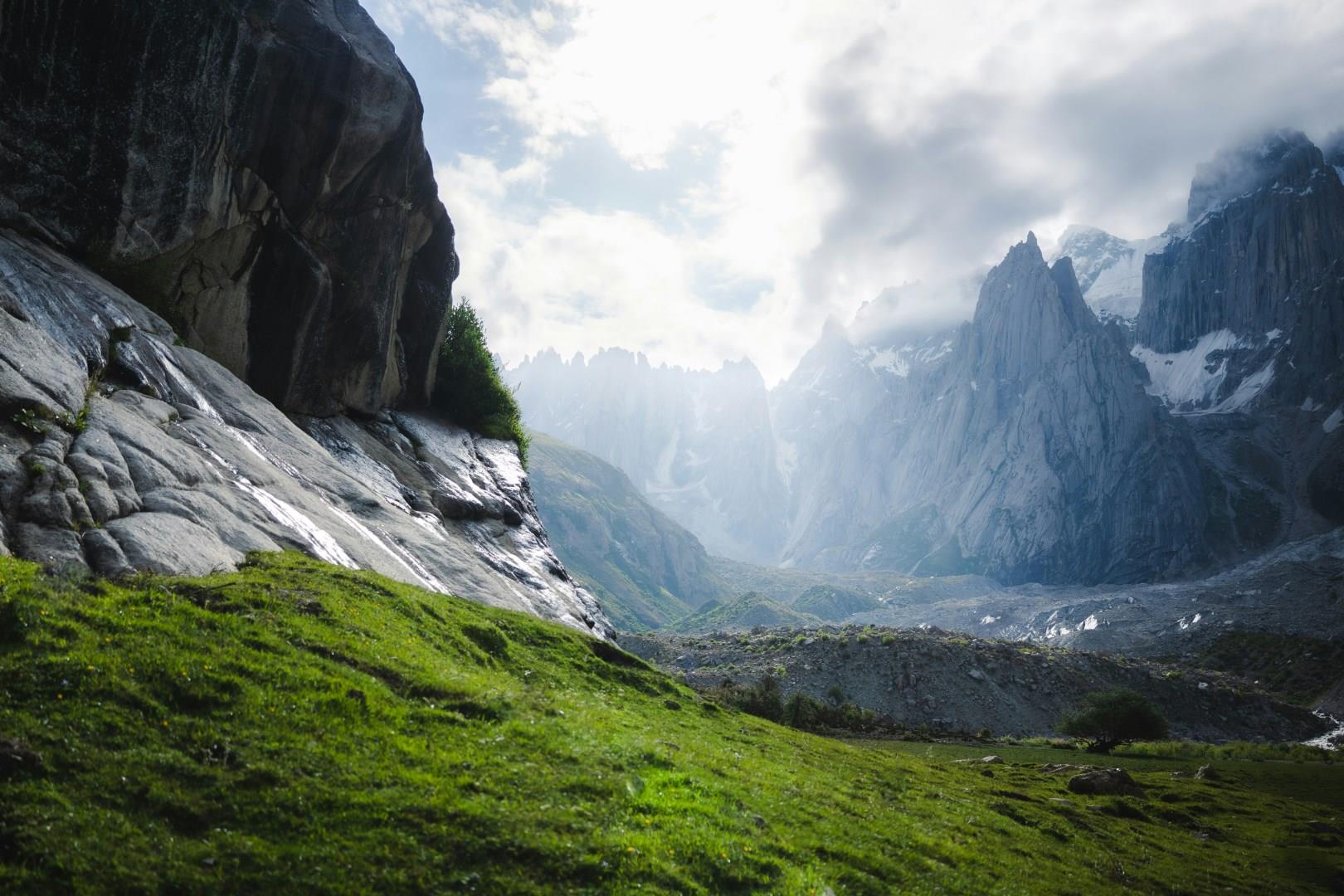
Nangma Valley
Nangma Valley, tucked deep within the Karakoram Range of northern Pakistan, is a place where towering granite spires rise dramatically above alpine meadows and clear streams. Located near the small town of Hushé in Gilgit-Baltistan, the valley is often described as a natural amphitheater of peaks. Climbers and trekkers from around the world are drawn to its vertical walls, but the valley’s quiet trails and sweeping views also offer an extraordinary experience .
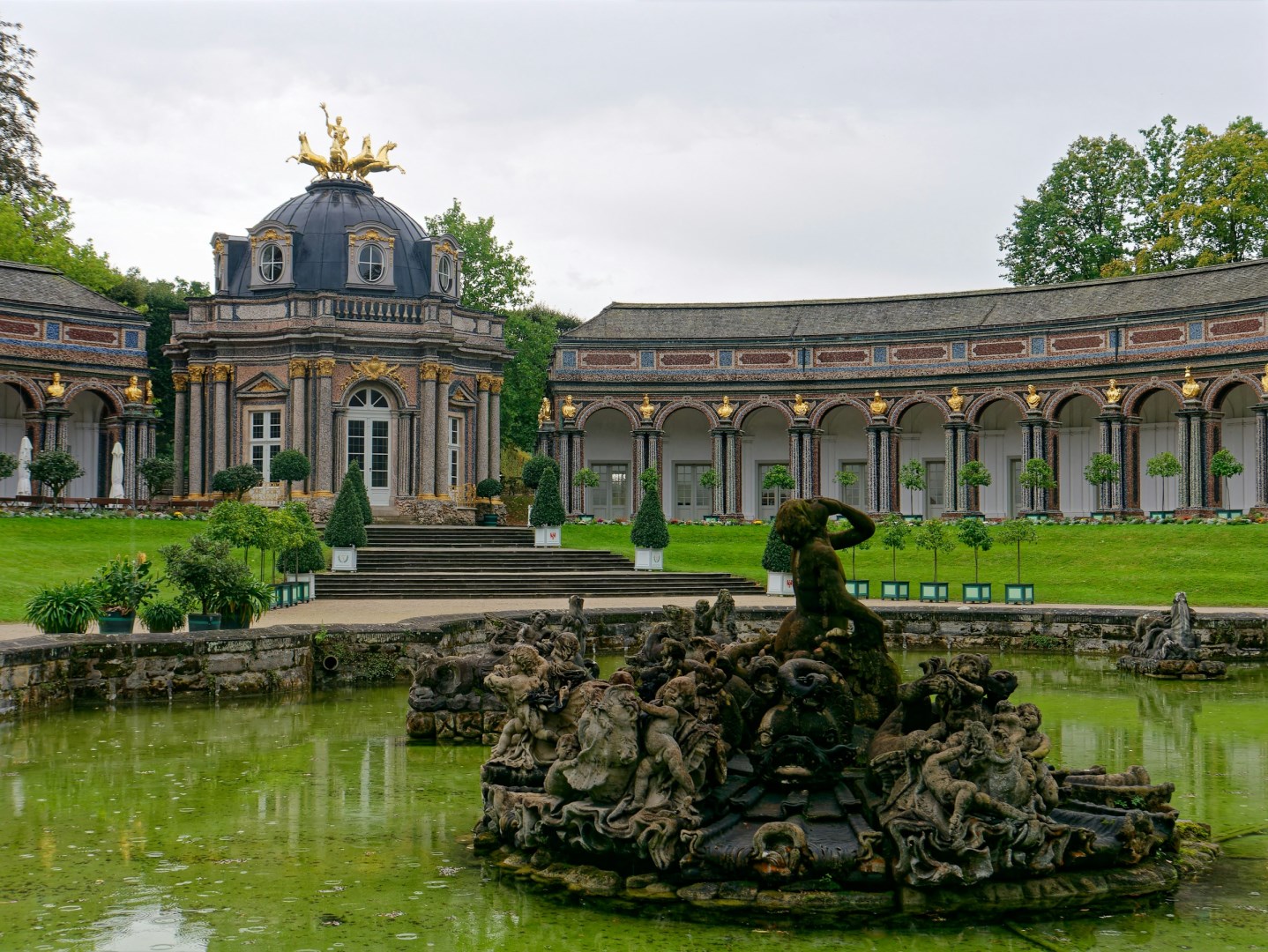
Bayreuth
A hundred and forty seven miles from Frankfurt, Bayreuth is an important town the the history of classical music. There's a museum in this town dedicated to the composer who made Bayreuth famous, Richard Wagner. Every year, from the end of July and throughout August, the Bayreuth Festival pays homage to Wagner by presenting various operas he created.
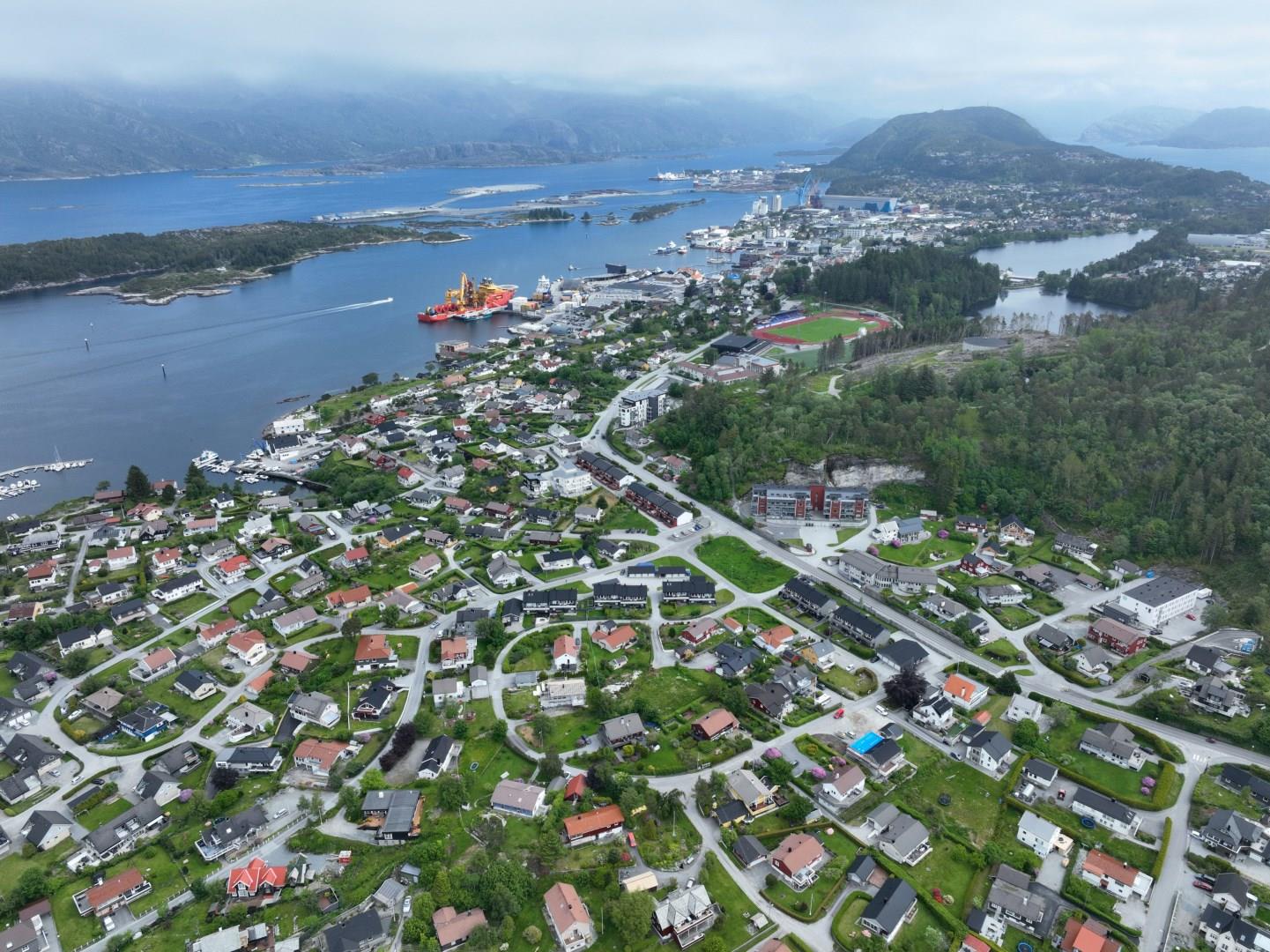
Florø
Florø, the westernmost town in Norway, sits right at the edge of the sea as a small, coastal town with deep maritime roots and front-row views of the North Atlantic. Established in 1860 as a herring fishing hub, Florø still carries the rhythm of the ocean in daily life. Though small in size, the town serves as a jumping-off point to explore the rugged coastline, scenic fjords, and a collection of islands that each have their own stories and scenery.
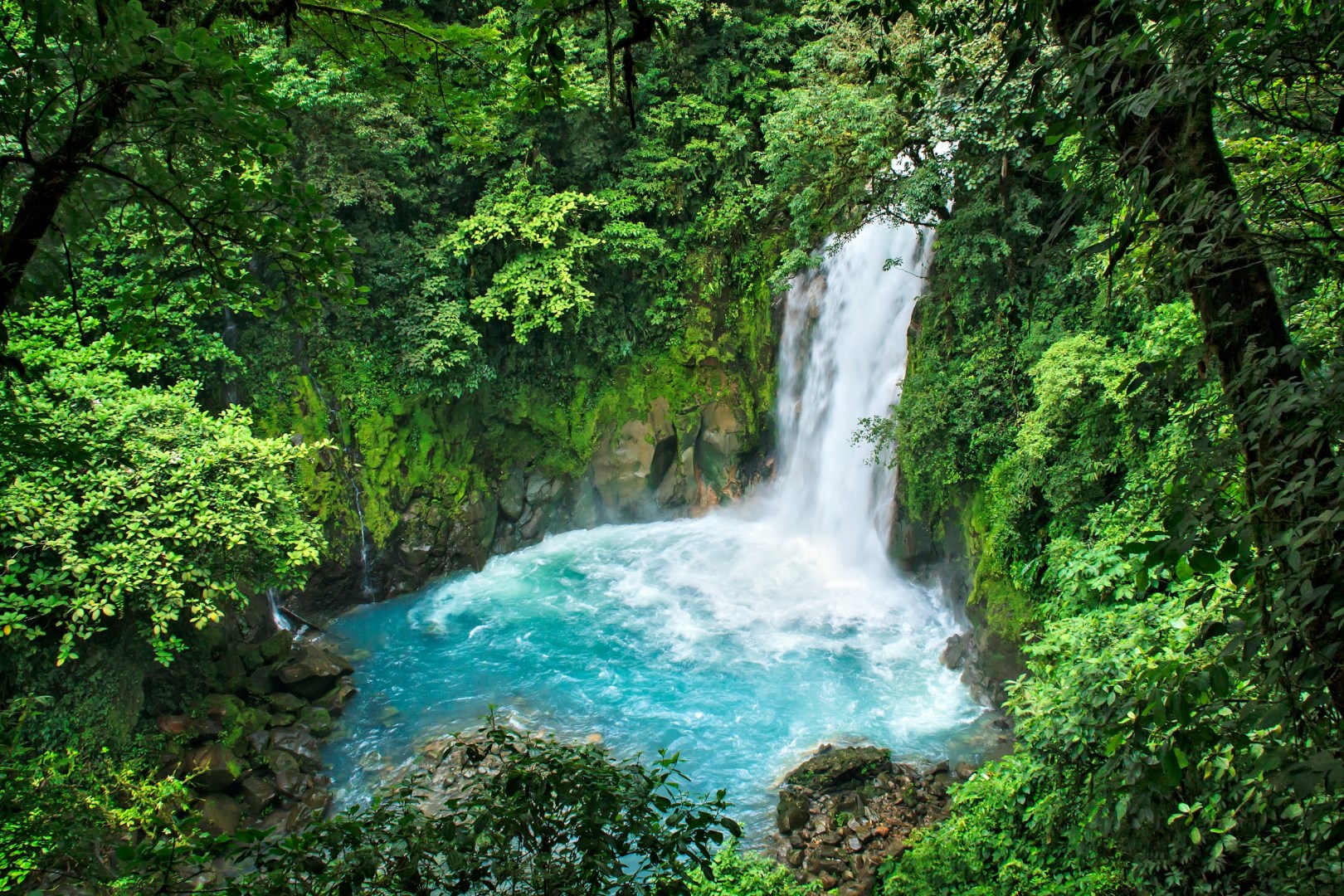
Tenorio Volcano National Park
A relatively recent addition to Costa Rica's list of national parks is Tenorio Volcano National Park, home to its namesake Tenorio Volcano as well as its taller sister, Miravalles Volcano, also the highest mountain in the Guanacaste Mountains.