Dominica
Dominica, known as the “Nature Island of the Caribbean,” is a haven for eco-tourists and adventure seekers. Nestled between the French islands of Guadeloupe and Martinique, this lush island boasts a remarkable landscape of volcanic mountains, dense rainforests, and stunning waterfalls. Dominica’s most iconic natural wonder is the Boiling Lake, the second-largest hot spring in the world.

Namib Desert
The Namib Desert, one of the world’s oldest deserts, stretches along the western coast of Namibia, offering a landscape of stunning, otherworldly beauty. The name “Namib” means "vast place," and fittingly so, as this desert spans over 2,000 kilometers and includes some of the tallest sand dunes on Earth, such as those found in Sossusvlei.

Savuti
Savuti, located in the northern part of Botswana, is a prime destination for those seeking an extraordinary wildlife experience. Nestled within the Chobe National Park, Savuti is renowned for its dynamic landscapes and prolific game viewing opportunities. This area is particularly famous for its seasonal changes, where the Savuti Channel, a once-dry riverbed, transforms into a vibrant waterway during periods of flooding.

Monkey Mia
Monkey Mia, located within the Shark Bay World Heritage Area on the western coast of Australia, is a serene paradise known for its world-famous wild dolphin encounters. This remote coastal gem, surrounded by the turquoise waters of the Indian Ocean, invites visitors to experience up-close interactions with bottlenose dolphins in their natural habitat. For over 50 years, these dolphins have made daily visits to Monkey Mia’s shores, creating a unique tradition that brings awe to travelers.
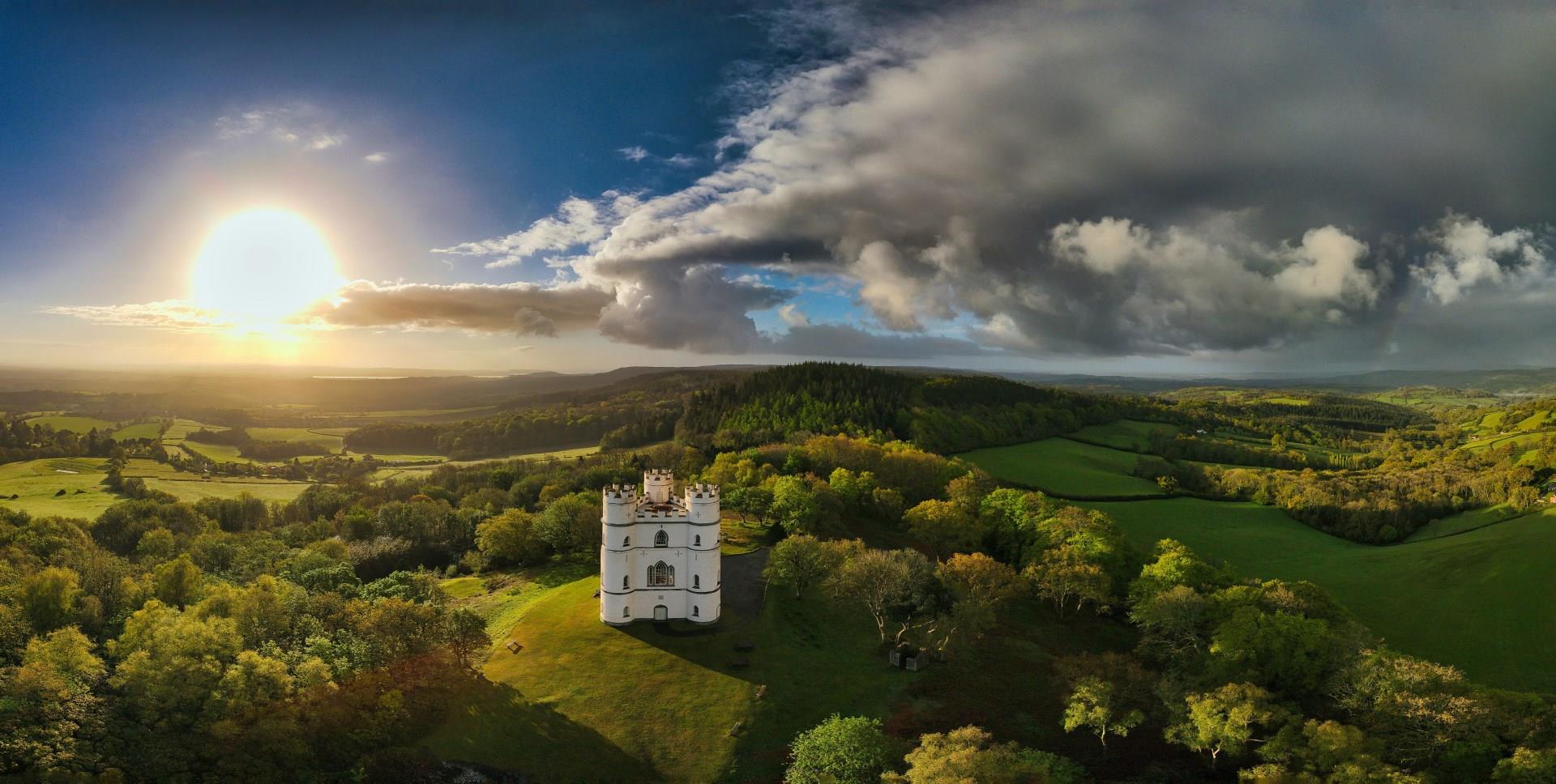
Exeter
Exeter sits in southwest England at a natural crossing of the River Exe, a position that has shaped its role since Roman times.