St. Kitts
St. Kitts, part of the twin-island federation of Saint Kitts and Nevis, is known for its volcanic landscape, coastal plains, and long stretches of shoreline. The island’s layout is shaped by its central peaks, including Mount Liamuiga, which rises above surrounding farmland and villages. Basseterre, the capital, serves as the main hub for commerce and government, with a harbor that regularly receives cruise ships.
Lívingston
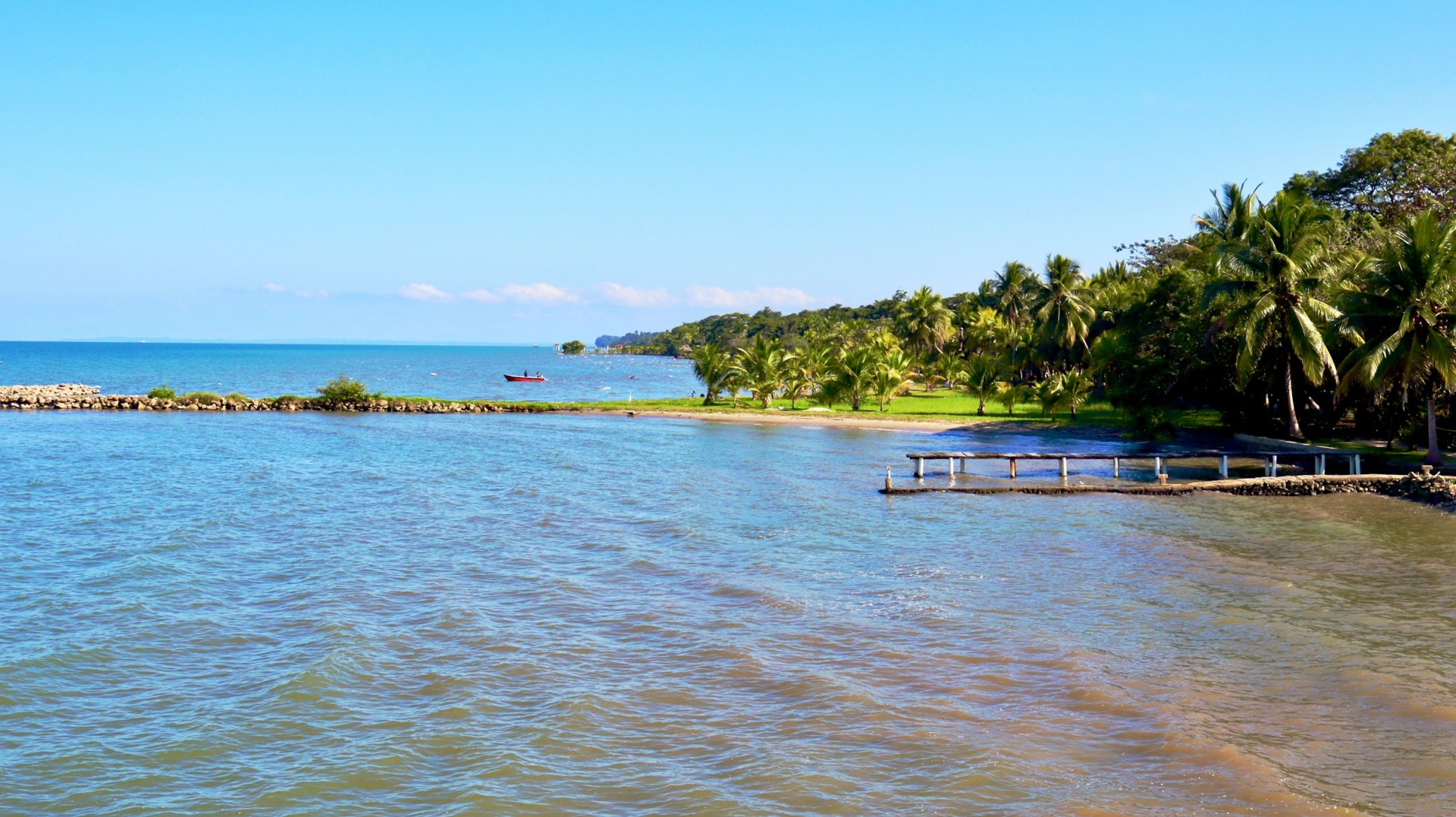
Livingston is a small coastal town in Guatemala's Izabal department, situated where the Río Dulce meets the Caribbean Sea. Unlike much of the country's interior, Livingston is reached primarily by boat, with regular water transport connecting it to Puerto Barrios and Río Dulce. The town is surrounded by tropical vegetation, waterways, and Caribbean coastline, giving it a distinct geographic setting within Guatemala.
Vernon
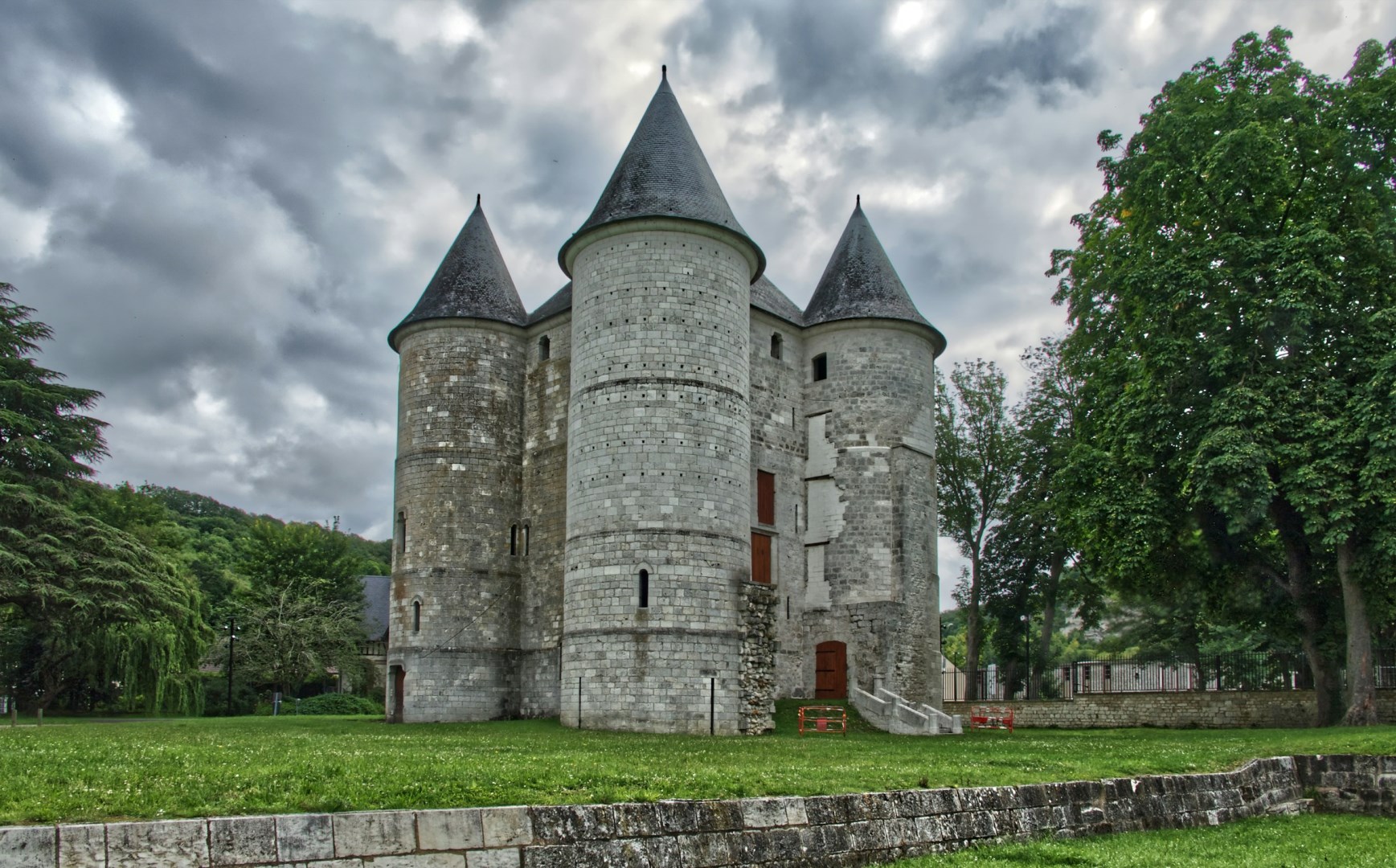
Vernon, located in the picturesque Normandy region along the banks of the Seine River, is a charming town that offers a delightful mix of history, culture, and natural beauty.
Augsburg
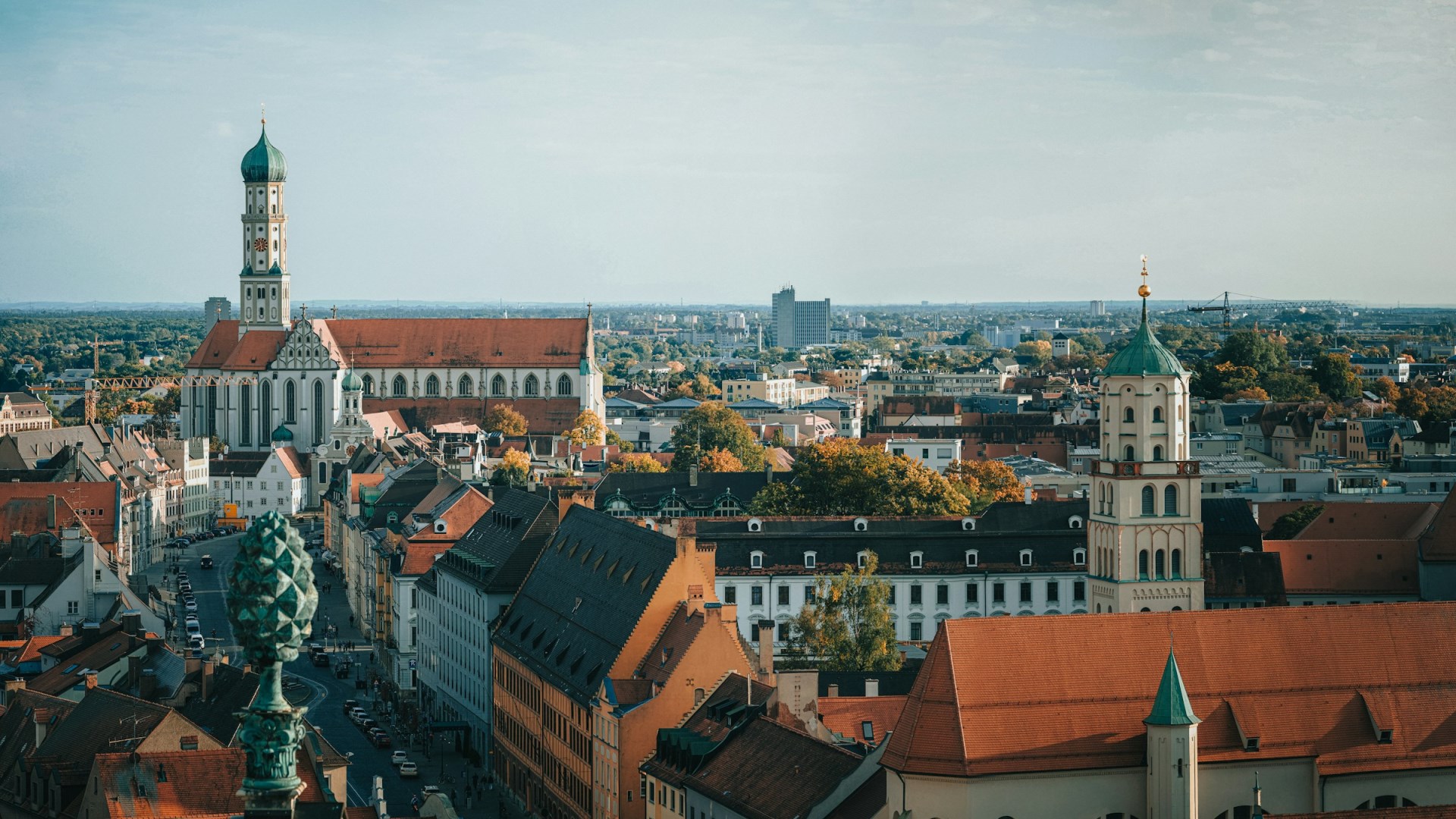
Augsburg was founded in 15 BC under the rule of the Roman emperor Augustus. For 400 years the city was the seat of a provincial government of the Roman empire. Its ideal location made it a crossroad of all important routes to the south. An advantage from which the powerful merchants and bankers, the Fugger family and the seafaring Welsers, likewise profited. They elevated Augsburg to rank among the world's most powerful cities. Kings and emperors were frequent guests here.
Cameroon
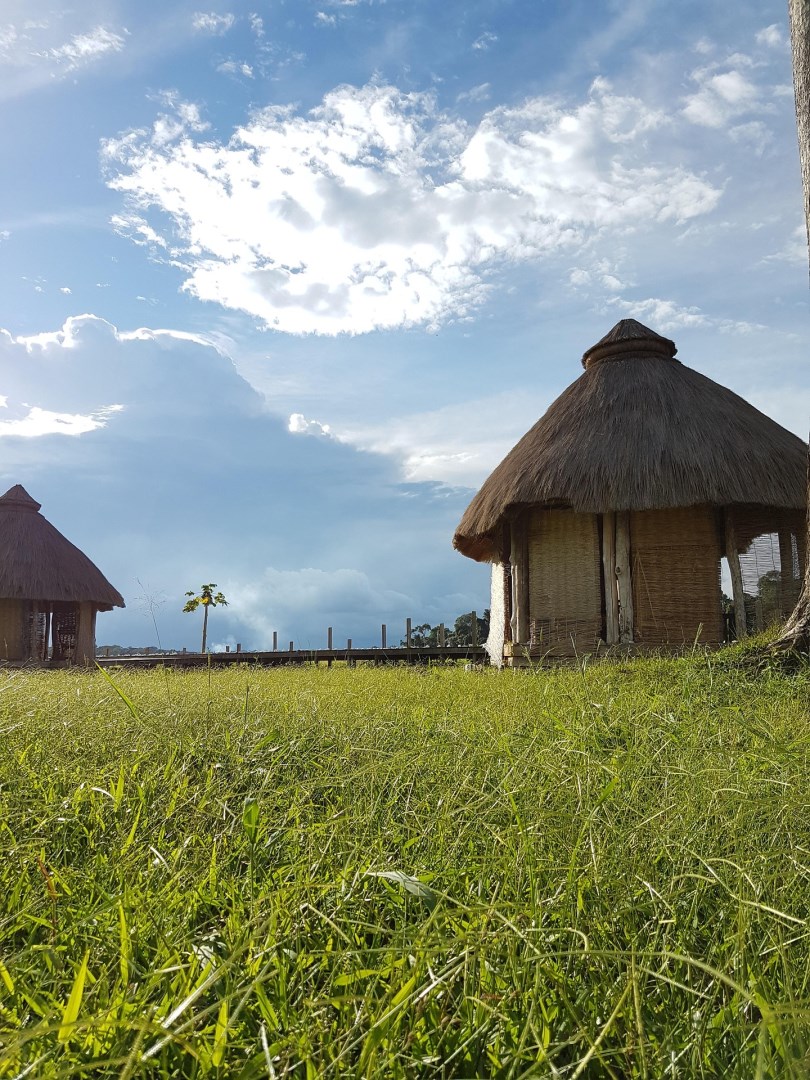
Cameroon is often called “Africa in miniature” for good reason. Within its borders, travelers can explore coastal beaches, dense rainforests, vast savannas, active volcanoes, and snow-capped peaks, all without crossing a border. The country’s most iconic landmark, Mount Cameroon, is the highest mountain in West Africa and an active volcano that draws hikers from around the world.