Colonia del Sacramento
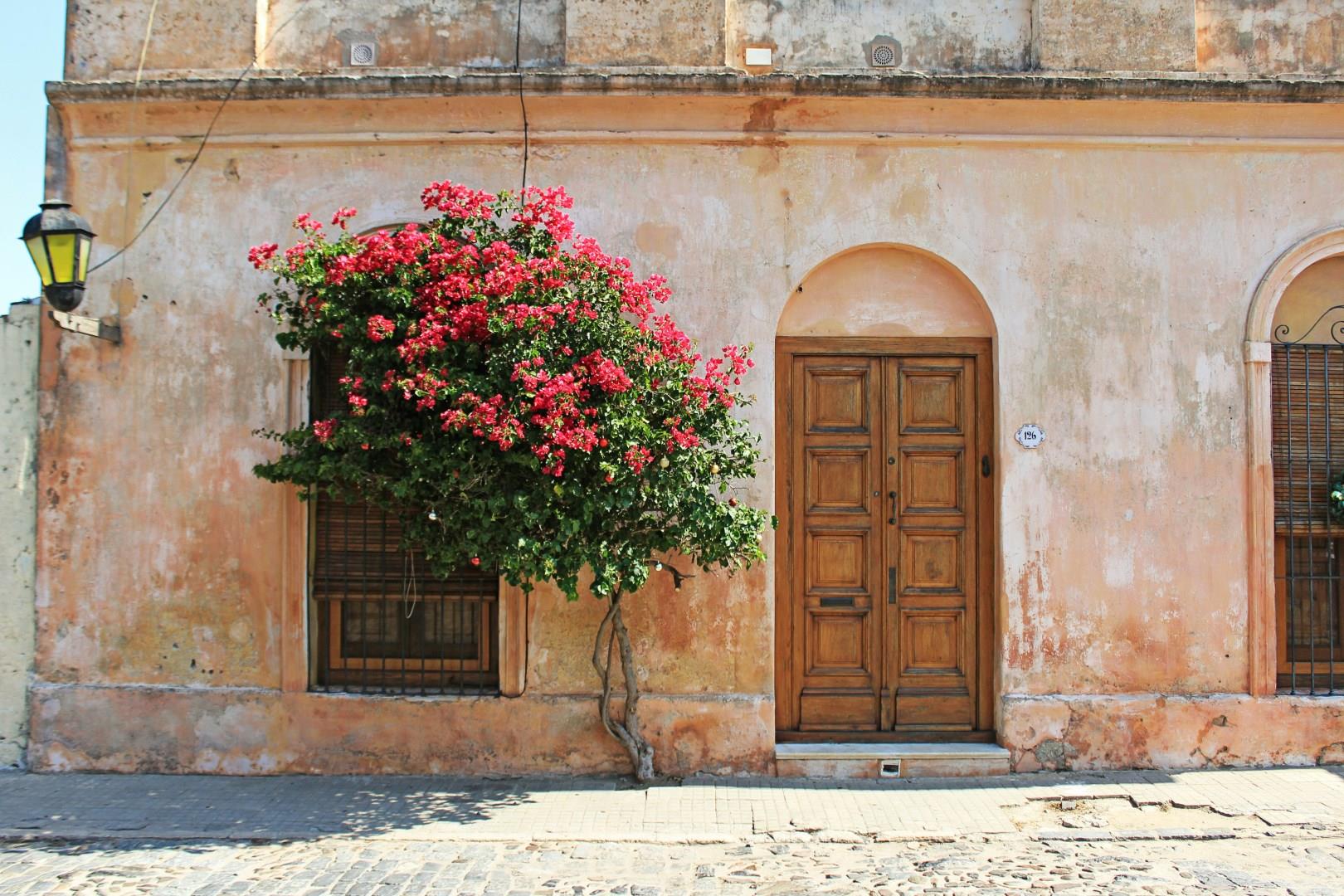
Colonia del Sacramento is where time lingers. Founded in 1680 by the Portuguese and later contested by the Spanish, the town’s past is etched into its cobblestone streets and weathered facades. The Barrio Histórico, a UNESCO World Heritage Site, is compact enough to walk in an afternoon yet layered with centuries of stories. Visitors can explore remnants of the original city walls and climb the iconic lighthouse for sweeping views of the Río de la Plata.
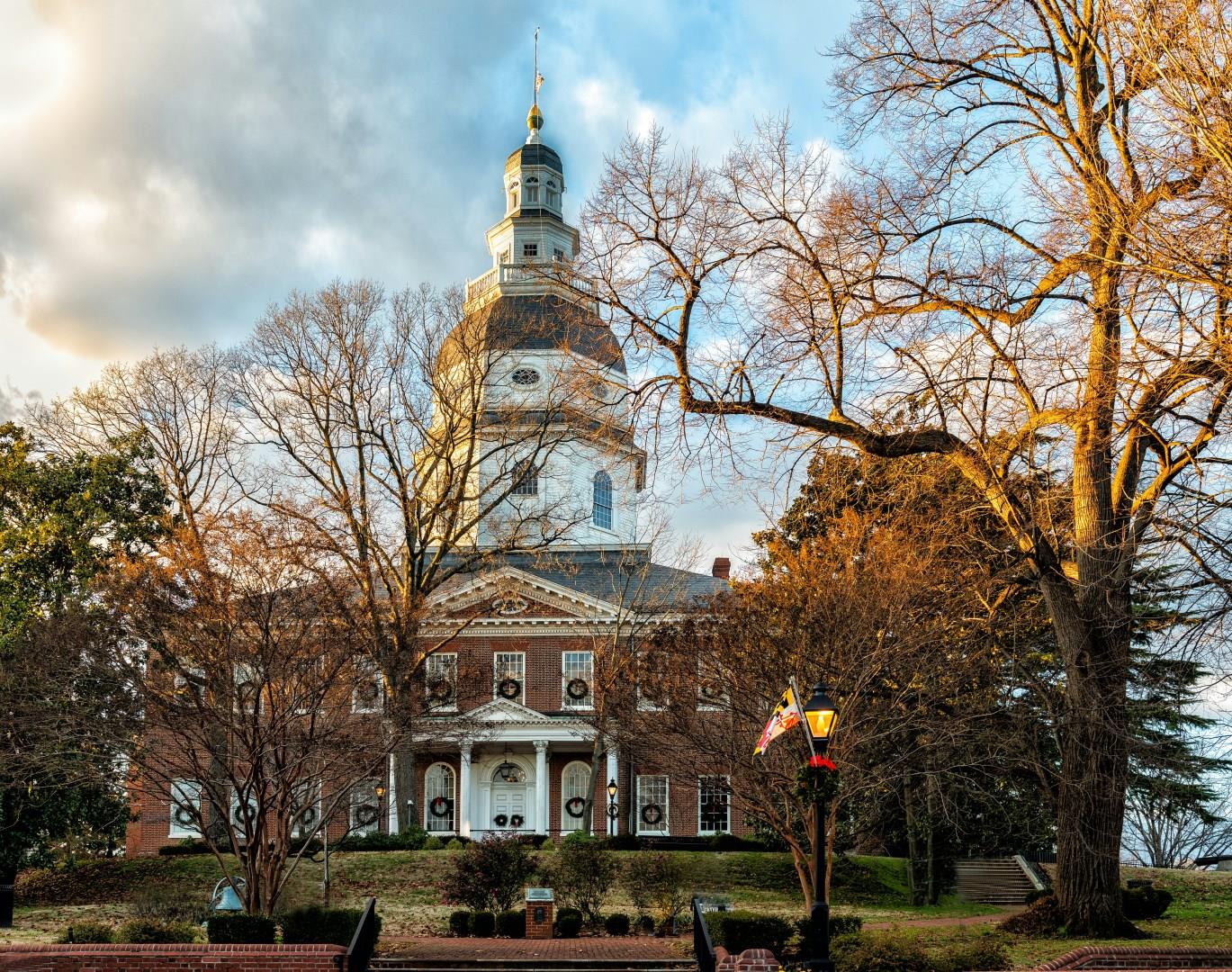
Annapolis
Annapolis may be best known as the state capital, but its real charm lies in its deep maritime history, walkable streets, and Chesapeake Bay lifestyle. Founded in 1649, Annapolis served as the temporary capital of the United States in 1783 and is still home to the oldest state house in continuous legislative use. A visit to the Maryland State House, where George Washington famously resigned his military commission, offers a direct link to the early days of American democracy.

Looe
Looe is a small seaside town on the south coast of Cornwall, England, divided by the River Looe into East and West Looe and connected by a graceful stone bridge. With origins as a medieval port, the town has long been shaped by fishing and seafaring, traditions that still define its identity today.

Hobart Tasmania
Hobart, the vibrant capital of Tasmania, Australia, is a city where history and natural beauty intertwine seamlessly. Nestled on the banks of the Derwent River and framed by the rugged peaks of Mount Wellington, Hobart is a captivating destination for those seeking both cultural richness and stunning landscapes.

Popoyo
Popoyo is a small coastal community on Nicaragua's southwestern Pacific coast, in the department of Rivas. It is known for its broad sandy shoreline, rocky coastal points, and consistent Pacific surf. The surrounding landscape remains largely rural, with pastureland, farms, tropical vegetation, and small settlements extending inland from the beach.