Skopje
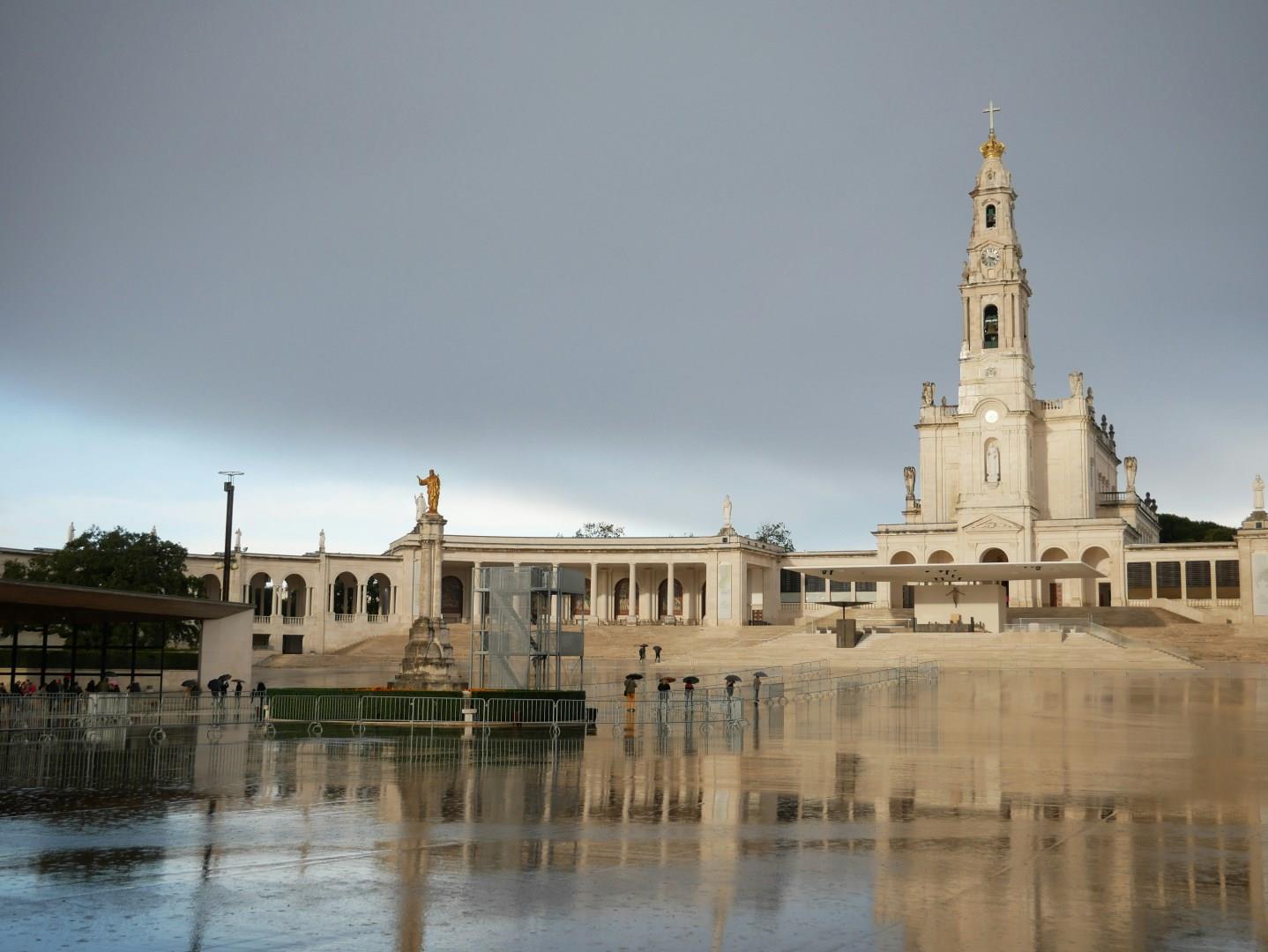
Skopje, the capital of North Macedonia, offers a fascinating blend of ancient history and modern transformation. A walk through the city reveals layers of Roman, Byzantine, and Ottoman influences, making it a treasure trove for history lovers. Begin your journey at the iconic Stone Bridge, a symbol of the city that dates back to the 15th century, linking the Ottoman Old Bazaar with Skopje’s modern city center.

Las Vegas
Las Vegas, Nevada, is an electrifying city where glitz and glamour meet entertainment and excitement. Known as "The Entertainment Capital of the World," Las Vegas offers an unparalleled array of attractions, from its iconic casinos and luxurious hotels to its world-class dining and live shows. The city's entertainment scene is second to none, featuring legendary headliners, cutting-edge performances, and an array of themed attractions.
Saint-Émilion
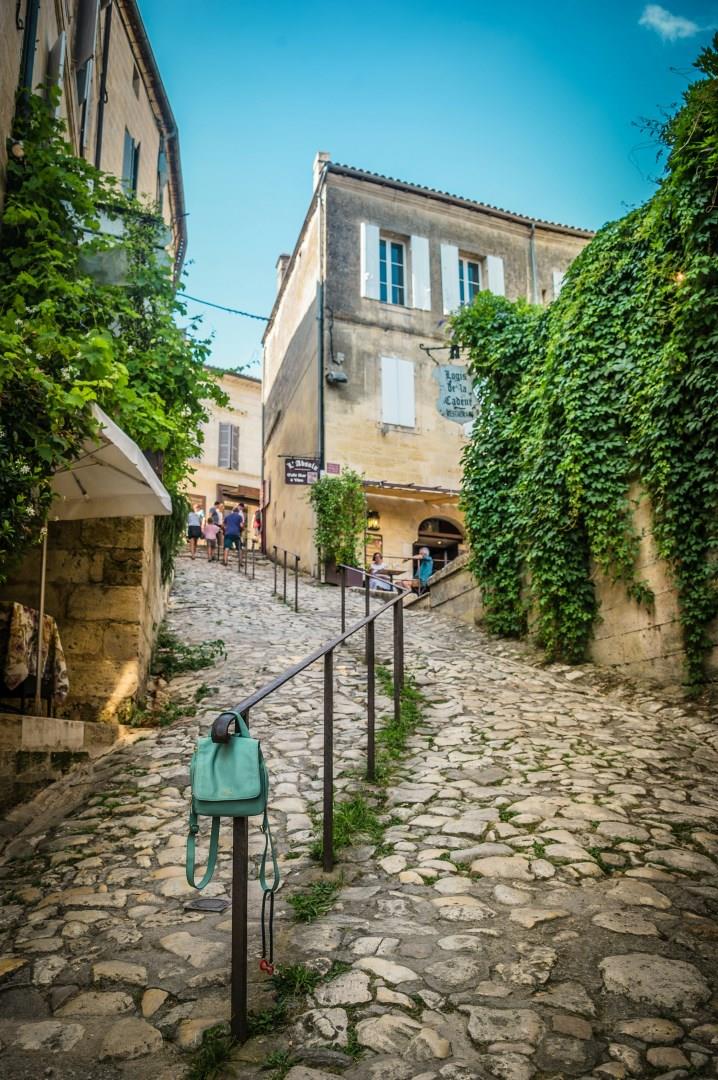
Saint-Émilion, nestled in the heart of southwest France, is a living monument to centuries of craftsmanship, faith, and wine-making. Recognized as a UNESCO World Heritage Site since 1999, this medieval town sits on a limestone plateau surrounded by vineyards that date back to Roman times. Visitors can explore cobbled streets that wind past centuries-old stone houses, descend into underground catacombs carved by monks, and visit the astonishing Monolithic Church.
Burgos
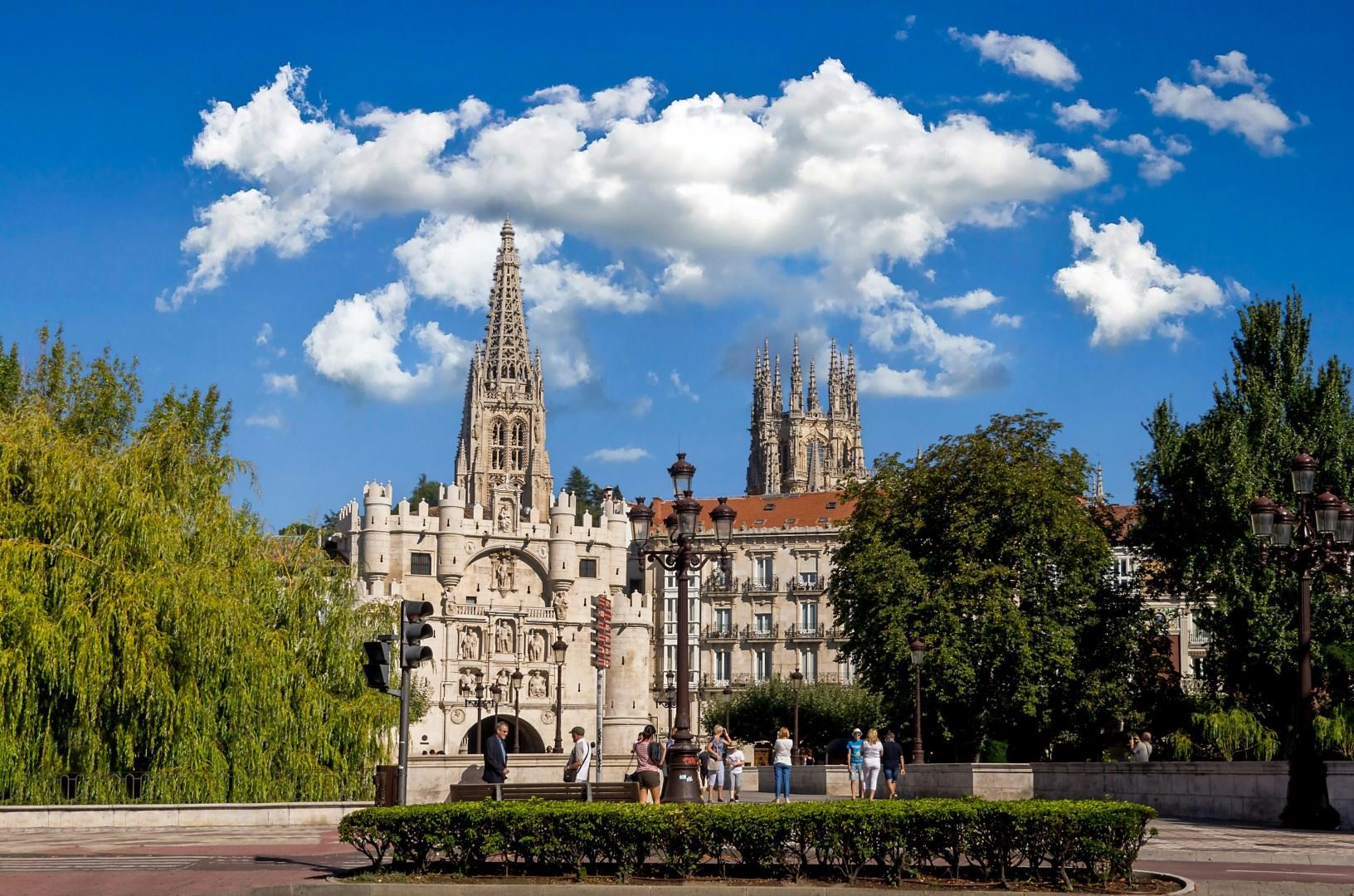
Burgos, located in northern Spain, is a city where medieval heritage is still part of daily life. At its heart stands the Burgos Cathedral, a UNESCO World Heritage Site and one of the most striking examples of Gothic architecture in Europe. Construction began in 1221 and continued for over 300 years, resulting in a cathedral that features elaborate spires, stained glass, and the tomb of El Cid, Spain’s legendary military leader.

Durham
Seen from the train, Durham presents a magnificent sight, with cathedral and castle perched atop a bluff enclosed by a loop of the River Wera, and linked to the suburbs by a series of sturdy bridges.