Sandakan Sabah
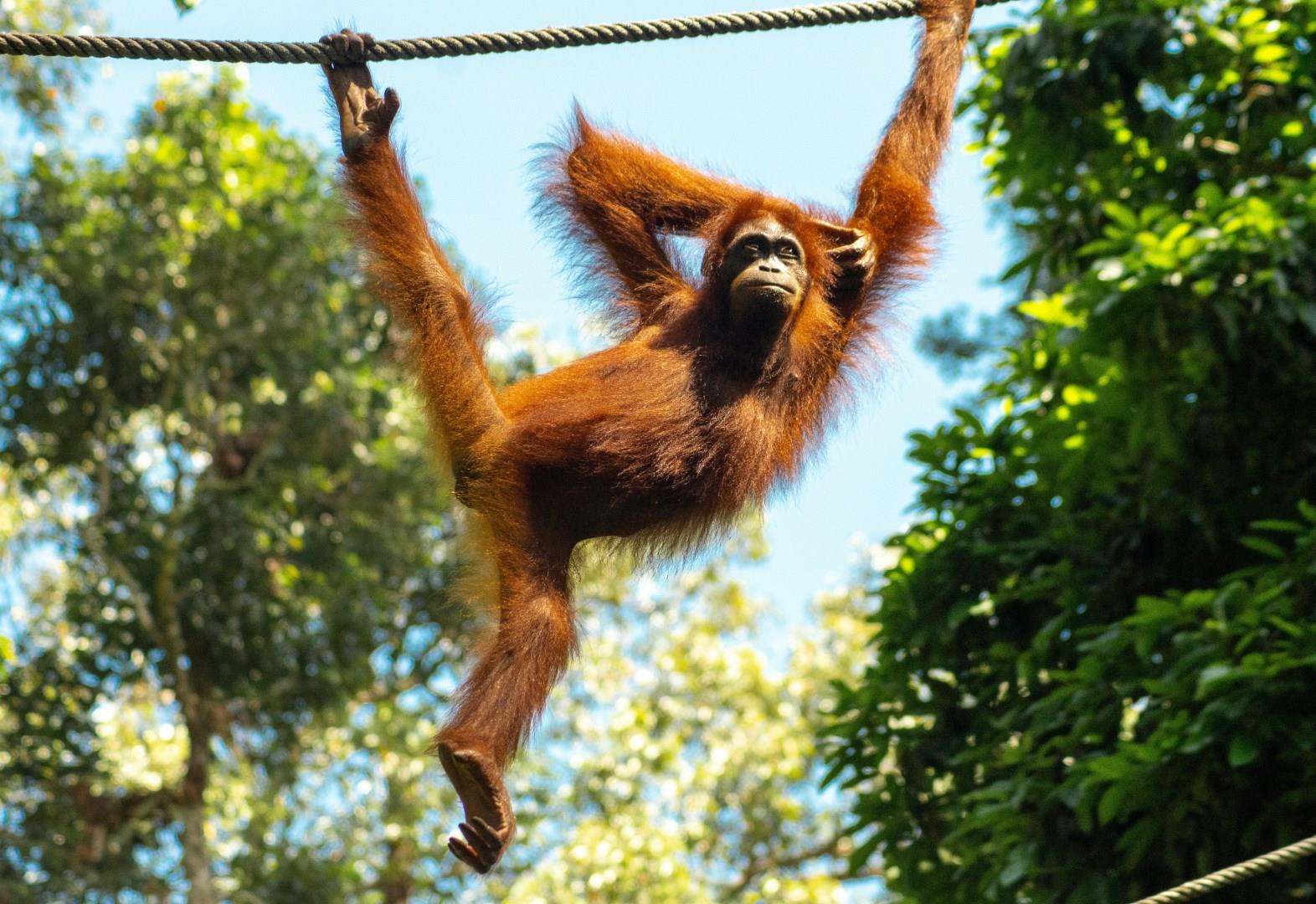
Sandakan, on the northeast coast of Sabah in Malaysian Borneo, is a city where history, wildlife, and culture come together. Once a major trading port known as “Little Hong Kong” for its bustling connections to the wider world, Sandakan has retained its multicultural character, with influences from Chinese, Malay, and Indigenous communities visible in its temples, markets, and cuisine.
Ooty
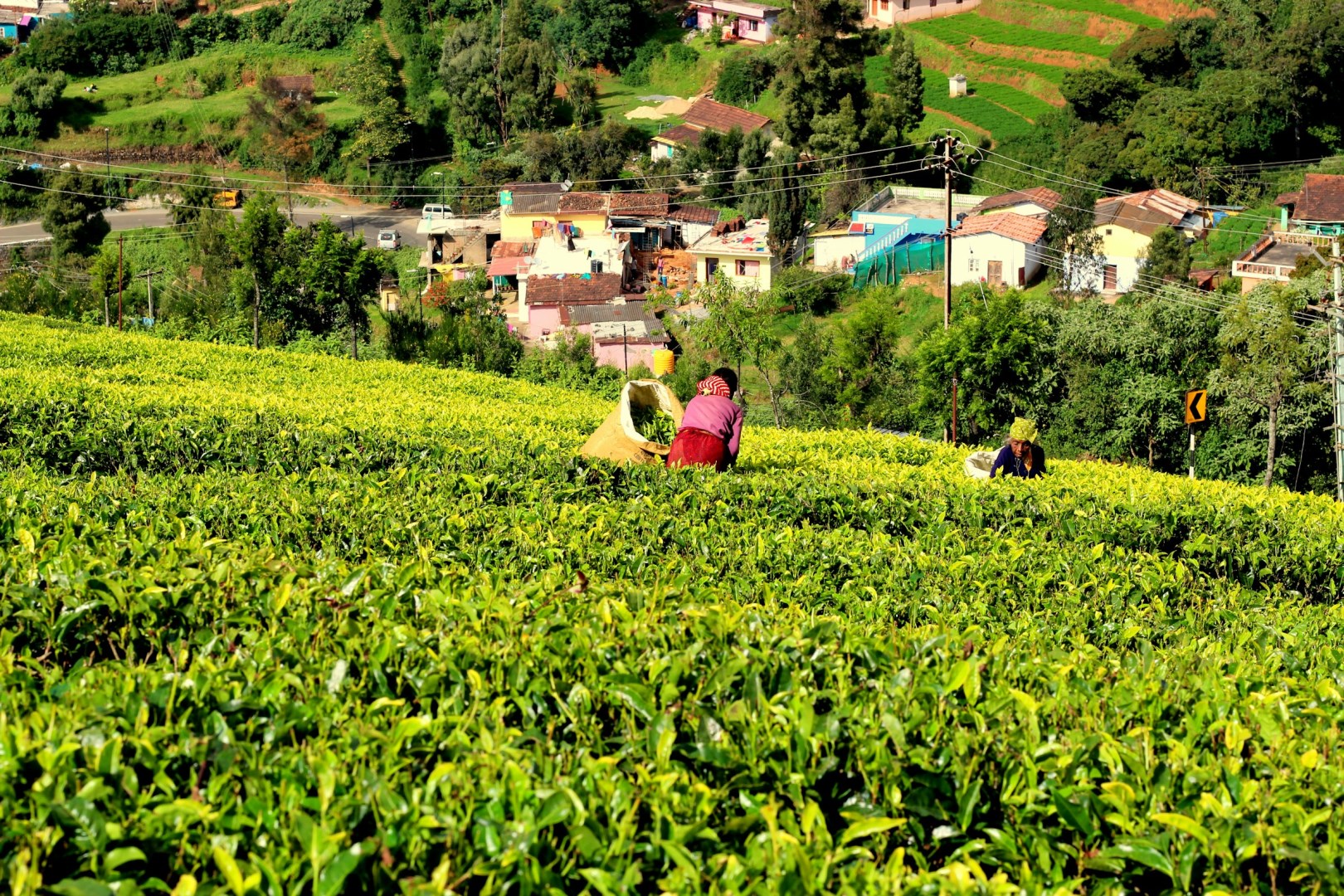
Ooty, officially known as Udhagamandalam, is a hill town in Tamil Nadu’s Nilgiri Hills, surrounded by tea estates, eucalyptus-covered slopes, shola vegetation, and rolling mountain scenery. Sitting at more than 2,000 metres above sea level, it has a notably cooler climate than the plains of southern India. The town developed as an important hill settlement and remains the main urban centre of the Nilgiris.
Zaragoza
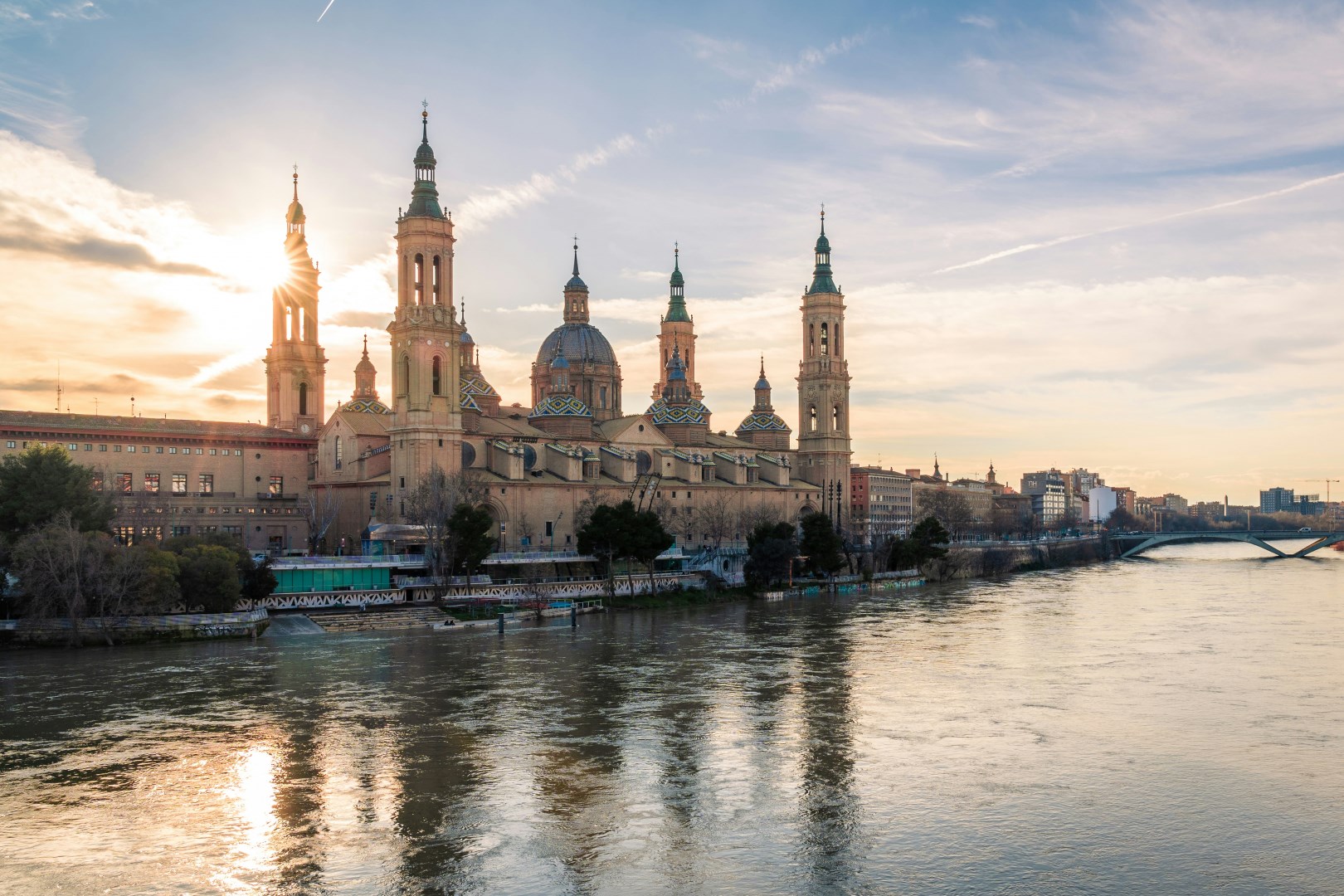
Zaragoza stands on the banks of the Ebro River in northeastern Spain and serves as the capital of the Aragón region. The city is known for its mix of Roman remains, Islamic influences, Mudéjar architecture, and large Baroque landmarks.
Nashville
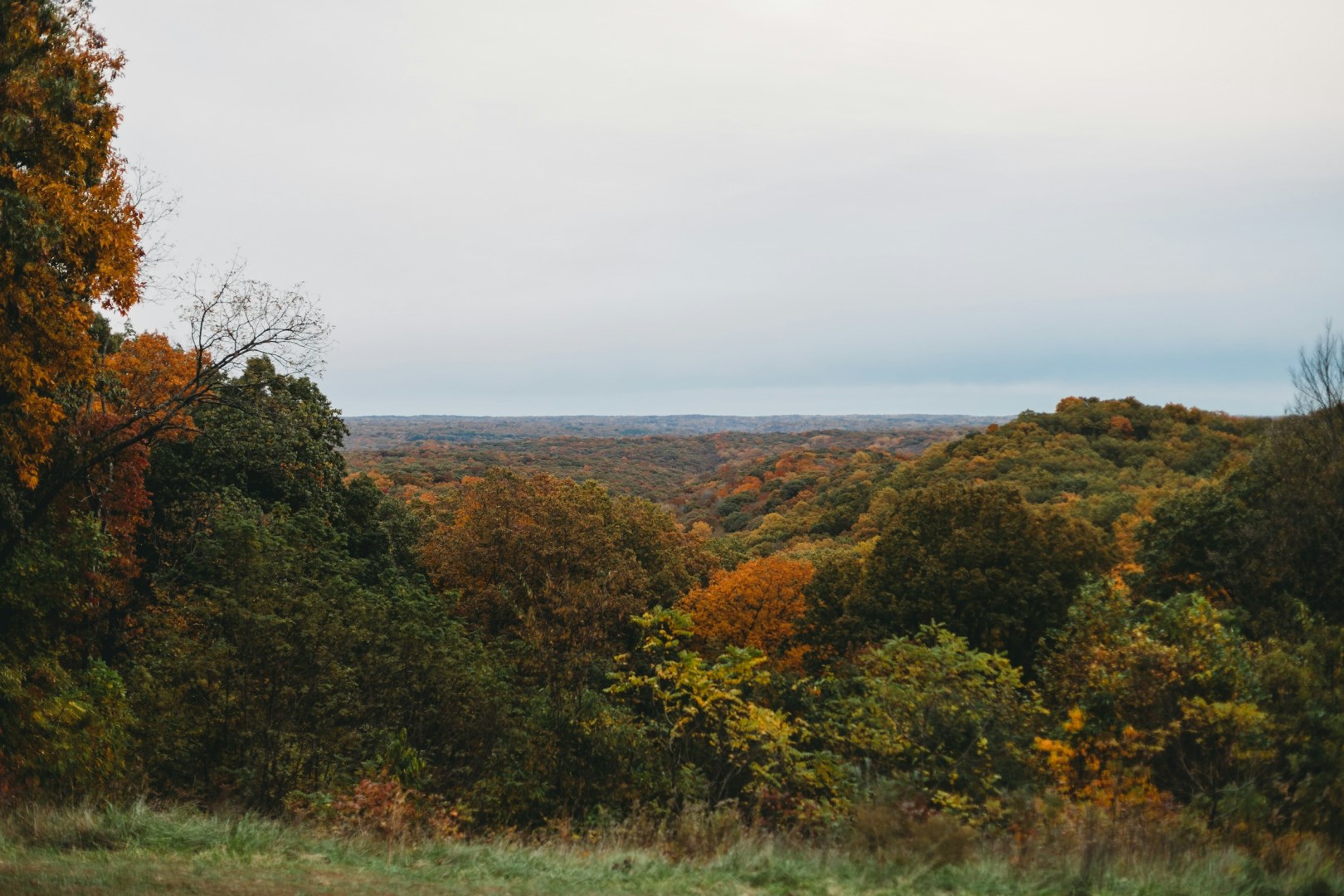
Nashville is a small town in Brown County, southern Indiana, surrounded by the wooded hills and winding roads of the region. It is best known for its concentration of independent shops, art galleries, craft studios, restaurants, and locally made goods, with much of the commercial district located within a few blocks of the town center. The surrounding countryside is markedly different from Indiana’s flatter agricultural landscapes, with steep ridges, narrow valleys, and forested slopes.
Alton
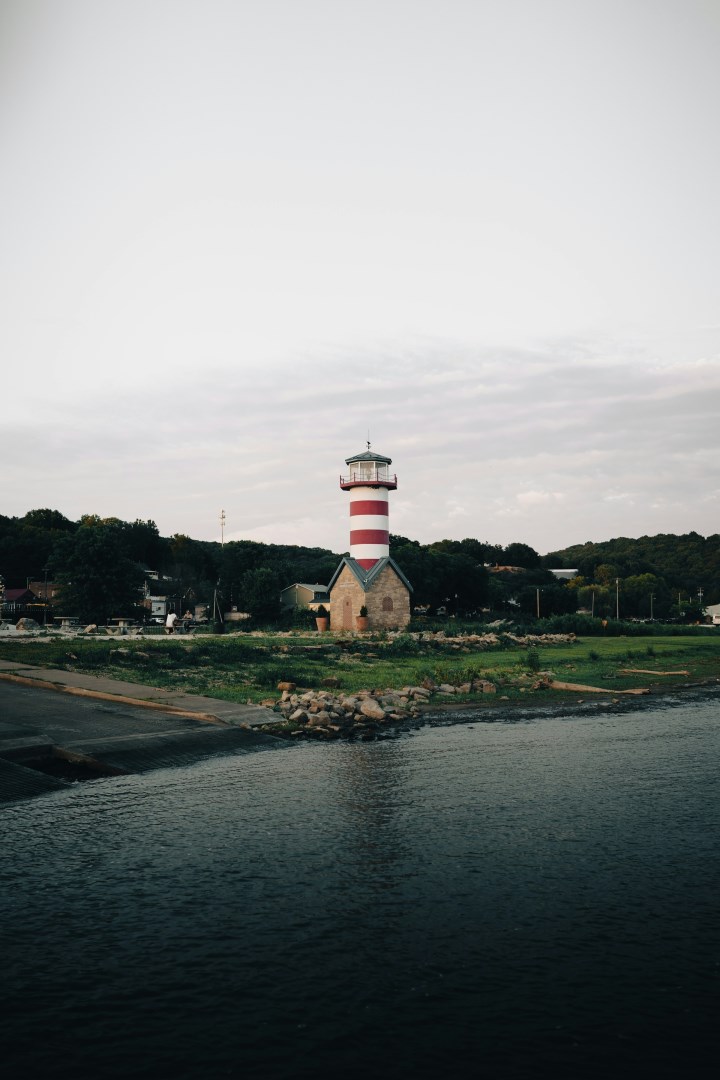
Alton is a historic Mississippi River city in southwestern Illinois, located about 25 miles north of St. Louis, Missouri. Its position along the river has shaped the community’s industry, transportation, architecture, and recreation. The city rises from the riverfront into wooded bluffs, creating a landscape of steep hills, limestone outcrops, and broad views across the Mississippi. Downtown Alton contains historic commercial buildings, local restaurants, galleries, and museums, while the riverf