Launceston is a city in northern Tasmania, Australia, positioned where the Tamar, North Esk, and South Esk rivers meet. It serves as one of the island’s main urban centers and is known for its well-preserved streetscapes, public parks, and proximity to agricultural regions.
Also known as Limnos, Lemnos is the 8th-largest island of Greece, located in the Aegean Sea off the coast of Turkey. Its capital and main port is Myrina, a village stretched along two picturesque bays and overlooked by the ruins of an imposing Byzantine castle.
Cobh, a colorful harbor town in County Cork, holds a unique place in Irish history and maritime heritage. Once known as Queenstown, it was the final port of call for the Titanic in 1912. Today, the Titanic Experience Cobh offers visitors a chance to step into the footsteps of the 123 passengers who boarded that day. Located in the original White Star Line ticket office, the museum tells personal stories of those who left from this very spot, blending interactive exhibits with original artifacts.
Copper Canyon is actually not a single canyon, but rather a series of more than 20 canyons running through the northern region of Mexico. The canyon covers over 20,000 square miles and is four times larger than the Grand Canyon in the United States.
Connemara, on Ireland’s rugged west coast in County Galway, is a region defined by its untamed landscapes, Gaelic traditions, and tranquil pace of life. Known for its windswept boglands, heather-covered hills, and granite mountains, Connemara feels both remote and deeply authentic, a place where Irish language and culture remain vibrant. The area has long inspired artists and writers drawn to its wild beauty and poetic solitude.
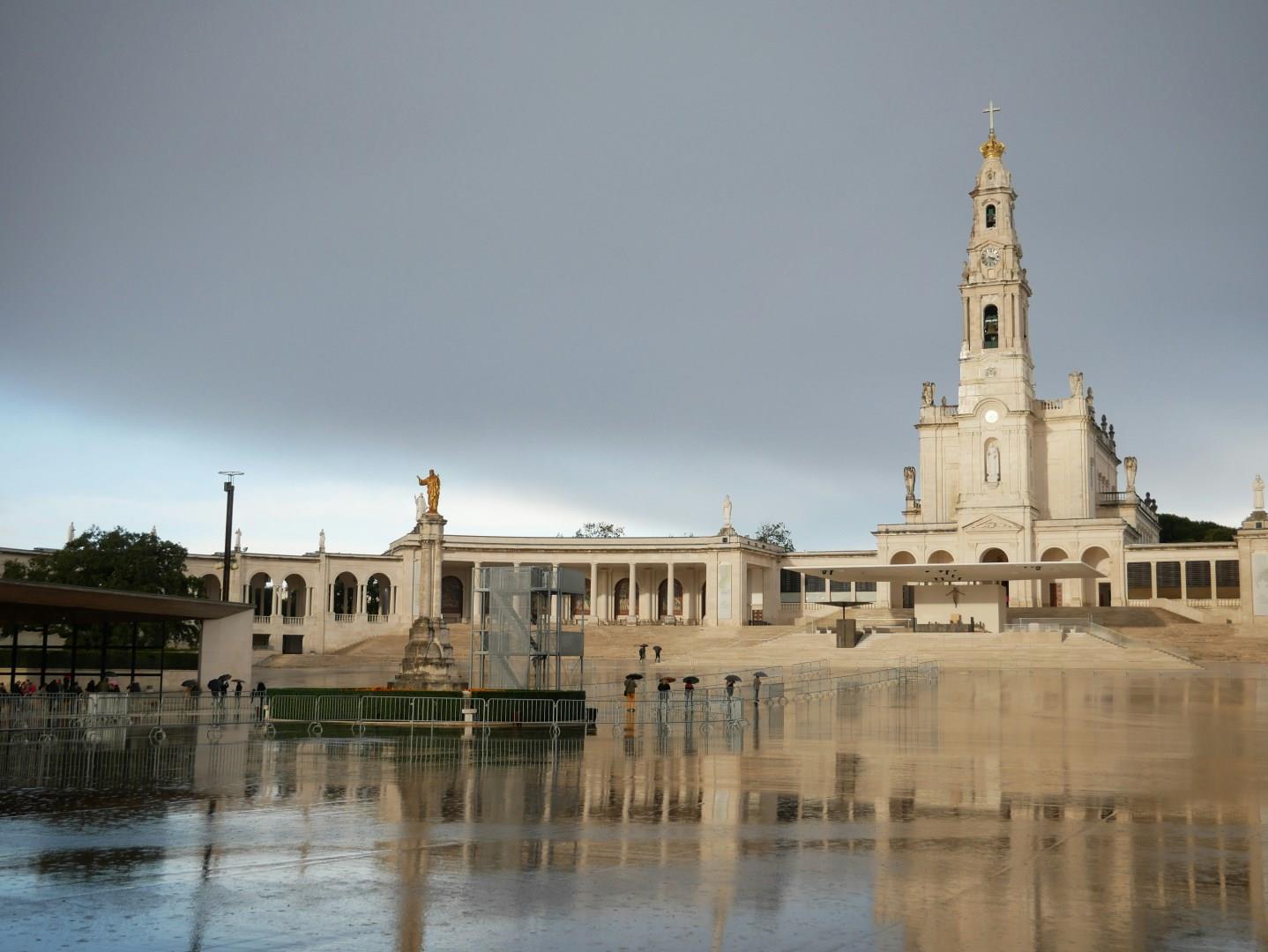
Fátima, a small town in central Portugal, has become one of the most significant pilgrimage sites in the world, drawing millions of visitors annually. The Sanctuary of Fátima, a sprawling complex of religious buildings and monuments, stands at the heart of the town. Pilgrims from all over the globe come to light candles, attend mass, and walk the sacred paths in reverence.
Beyond its religious significance, Fátima also offers cultural and historical insights. The nearby village of Aljustrel, the birthplace of the three children, provides a glimpse into rural Portuguese life in the early 20th century. Visitors can explore the humble homes of the seers and learn about their lives before and after the apparitions. Additionally, Fátima’s Museum of Sacred Art and Ethnology showcases a collection of religious artifacts, paintings, and ethnographic items, adding depth to the town's spiritual heritage.
Each year on May 13 and October 13, the anniversaries of the first and last apparitions, Fátima hosts grand candlelight processions. These events, filled with prayer and song, are among the most attended religious gatherings in the world, creating a profound and unforgettable experience for those who partake.