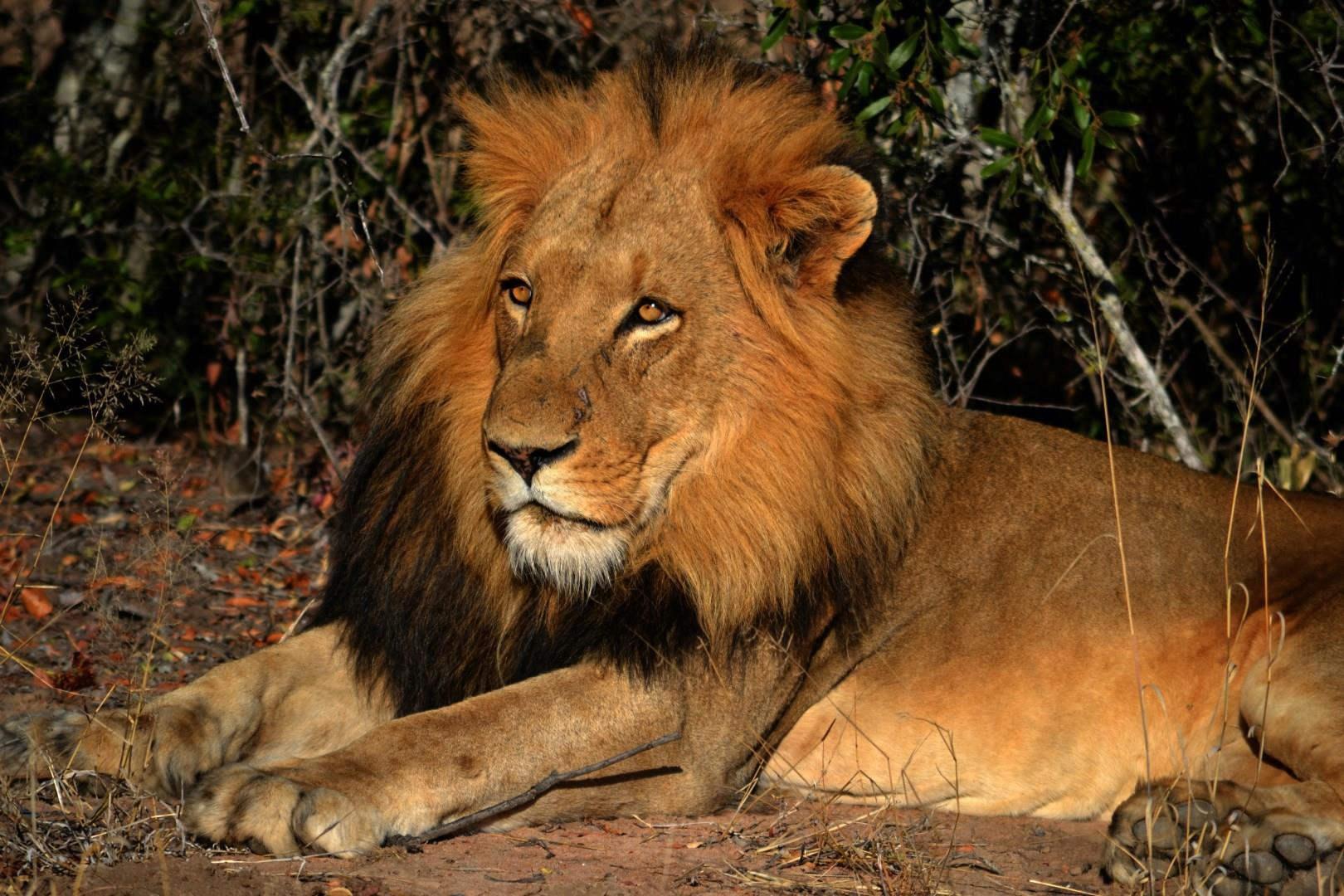
Kapama Private Game Reserve is a vast wildlife sanctuary located in South Africa’s Limpopo province, bordering the greater Kruger region. Spanning more than 13,000 hectares, the reserve plays an important role in conservation while offering visitors an immersive experience in one of Africa’s most celebrated ecosystems.
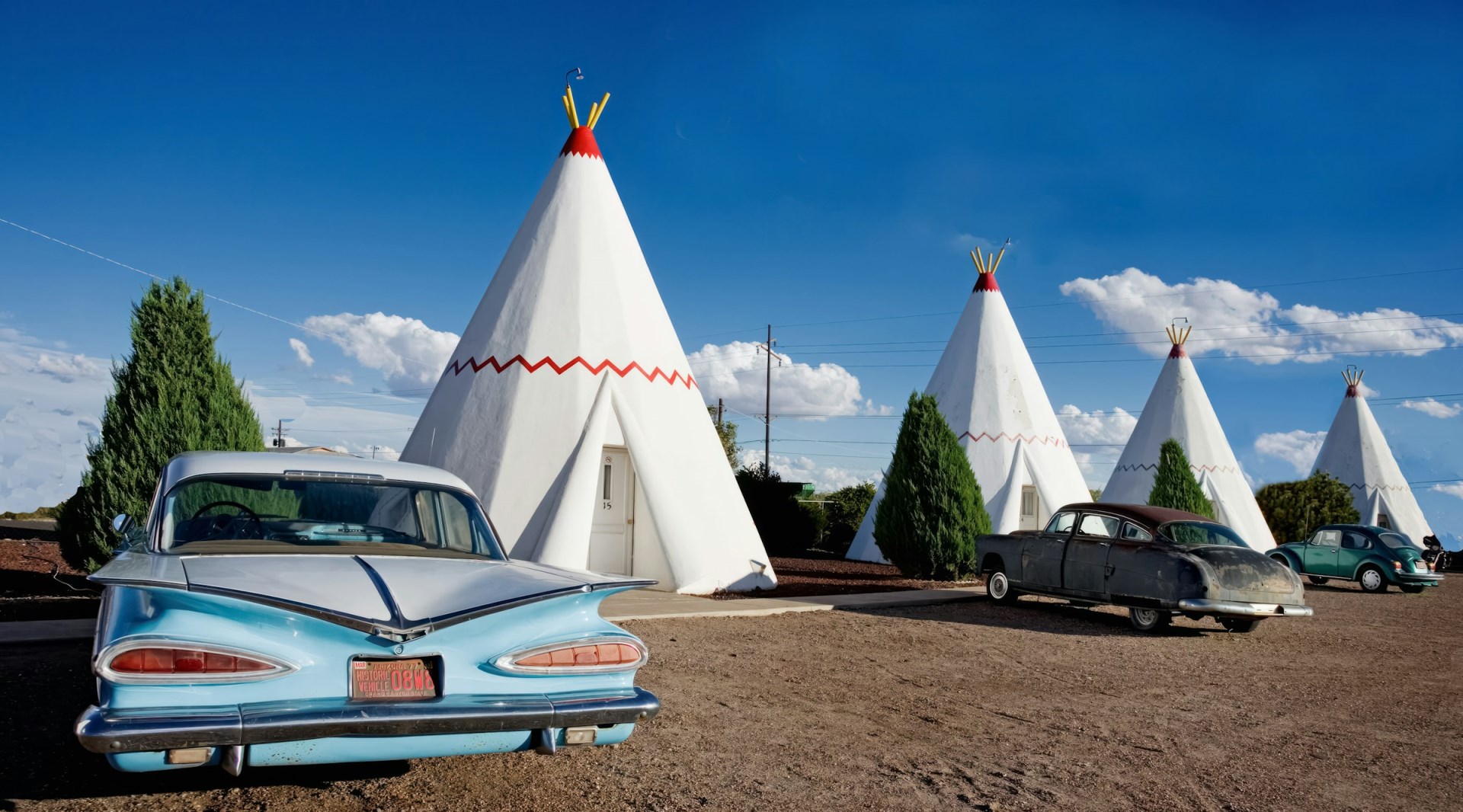
Holbrook is a small city in northeastern Arizona, located along Interstate 40 in Navajo County and serving as a gateway to several distinctive landscapes of the Colorado Plateau. The community lies near the Little Colorado River and is surrounded by open grassland, desert, and colorful badlands. Holbrook has long been associated with transportation across northern Arizona, and its location on the historic Route 66 corridor remains an important part of its identity.
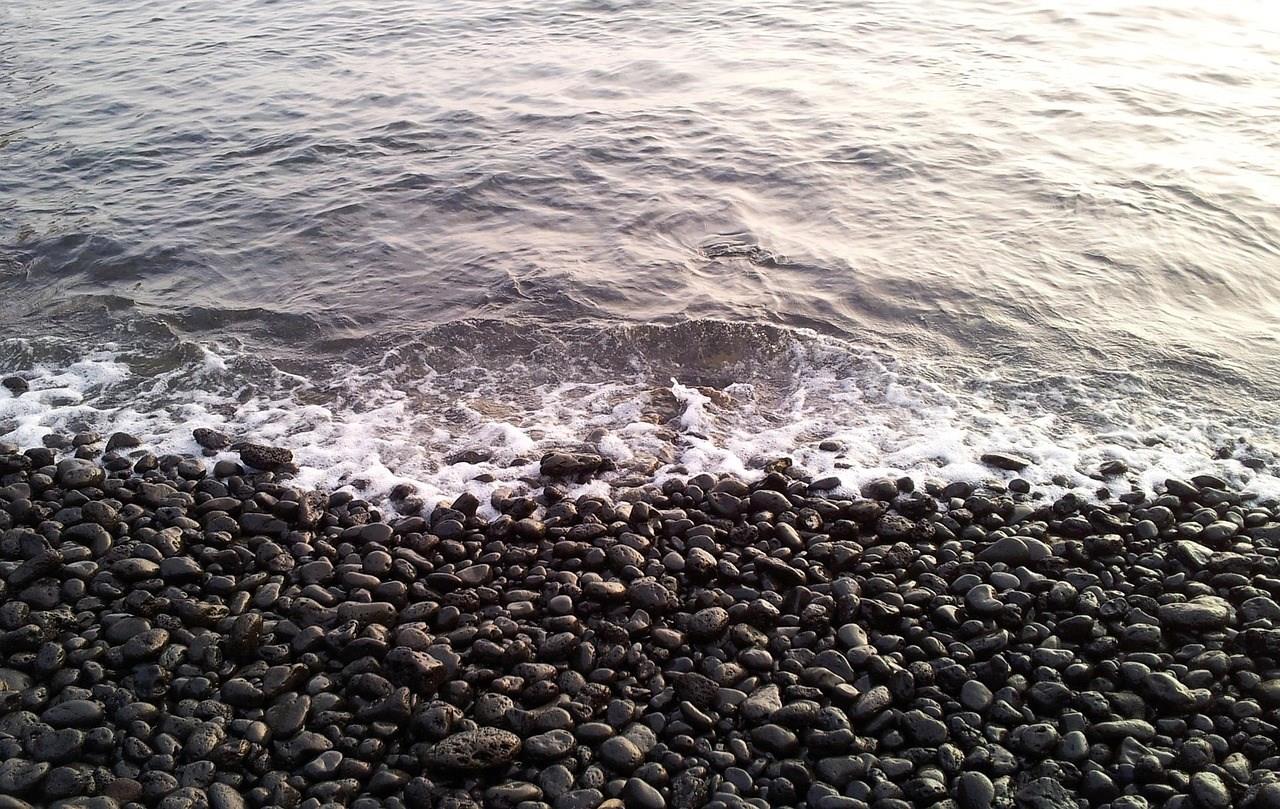
Keauhou, located on the Kona Coast of Hawai‘i Island, is recognized as the birthplace of King Kamehameha III, and many nearby sites still reflect its royal past.
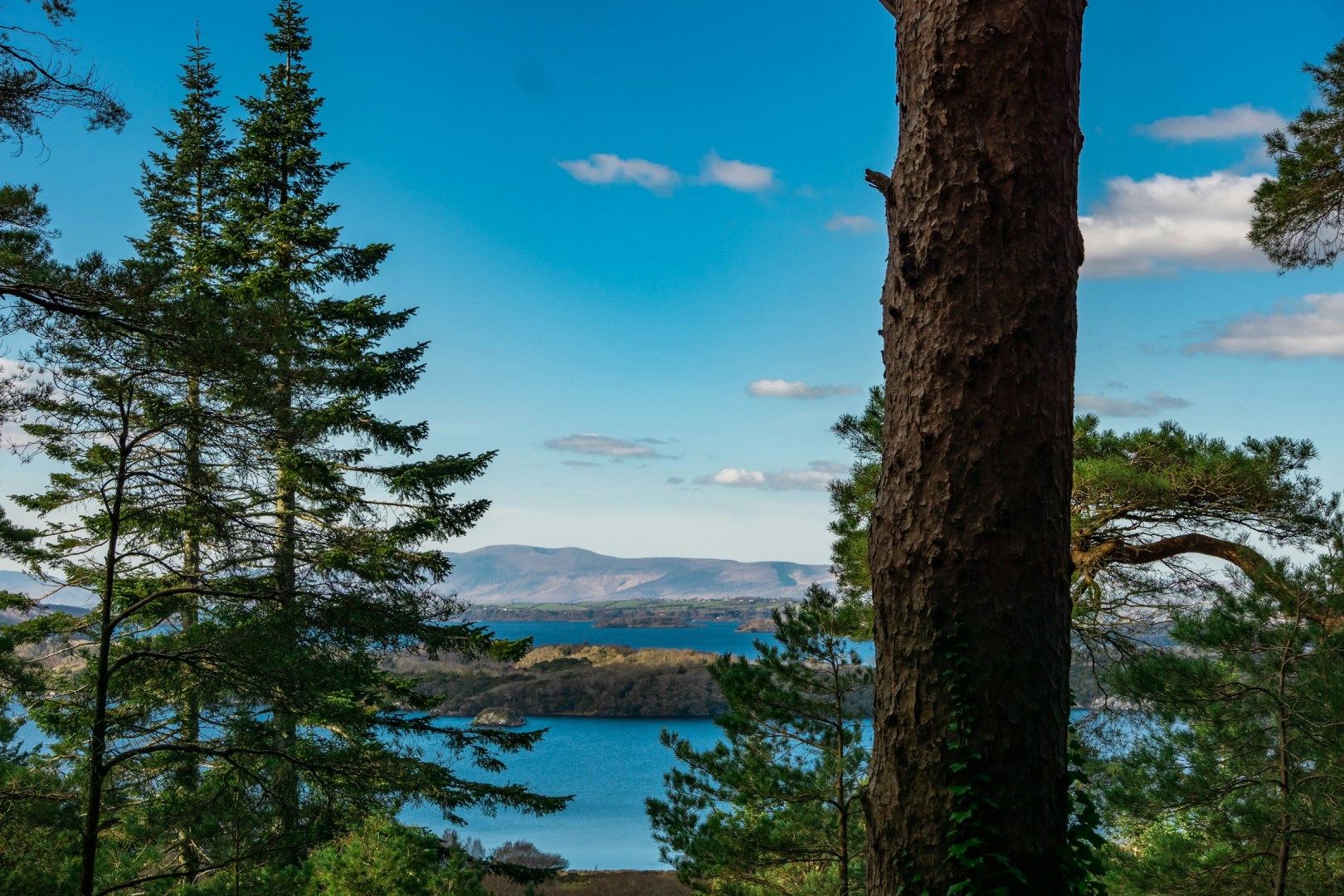
Killarney National Park occupies more than 10,000 hectares in County Kerry in southwest Ireland, surrounding lakes, mountains, woodland, waterfalls, and historic estates. Established as Ireland’s first national park, it includes Lough Leane, Muckross Lake, and Upper Lake, with the peaks of MacGillycuddy’s Reeks forming a dramatic backdrop. Much of the park is covered by native woodland, including areas of ancient oak forest and yew woodland.
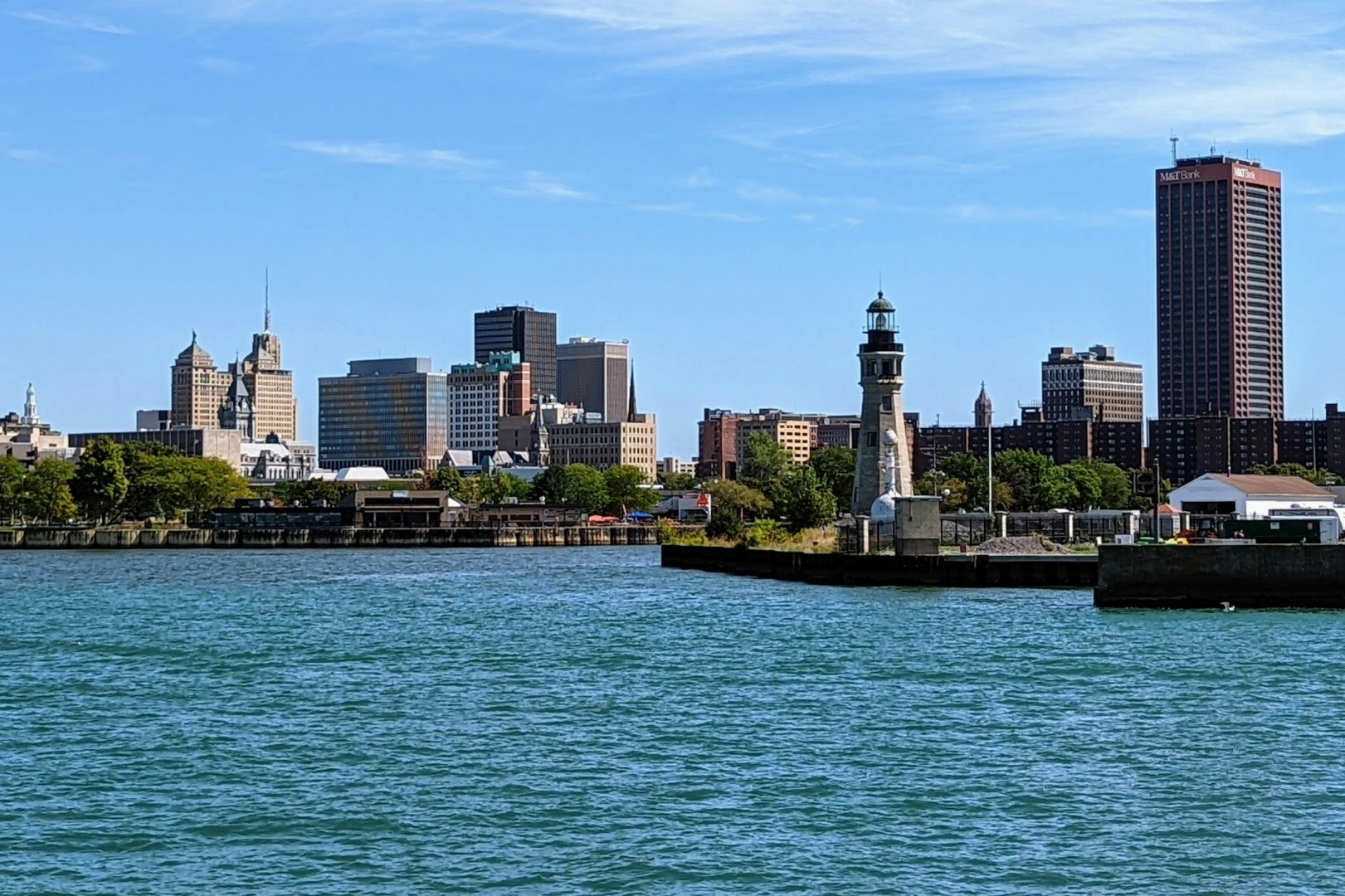
Buffalo, the second-largest city in New York State, sits at the eastern end of Lake Erie where the Niagara River begins its journey toward Niagara Falls. Once a powerhouse of American industry and trade, Buffalo thrived in the 19th and early 20th centuries as a major shipping and manufacturing hub, thanks to its strategic location along the Erie Canal and Great Lakes.
Canyonlands National Park, located in southeastern Utah, offers an awe-inspiring landscape of deep canyons, rugged mesas, and striking rock formations. This vast park is divided into four districts: Island in the Sky, the Needles, the Maze, and the Rivers. Each district showcases its own unique geological features and breathtaking vistas. The Island in the Sky district provides panoramic views from its high mesa, including breathtaking vistas of the Colorado and Green Rivers.
Adventure seekers and nature enthusiasts will find much to explore in the Needles district, renowned for its colorful spires and challenging hiking trails. The Chesler Park trail, for example, leads hikers through a surreal landscape of rock formations and expansive views. The Maze district, characterized by its remote and intricate terrain, offers some of the most challenging off-road and hiking opportunities in the park.
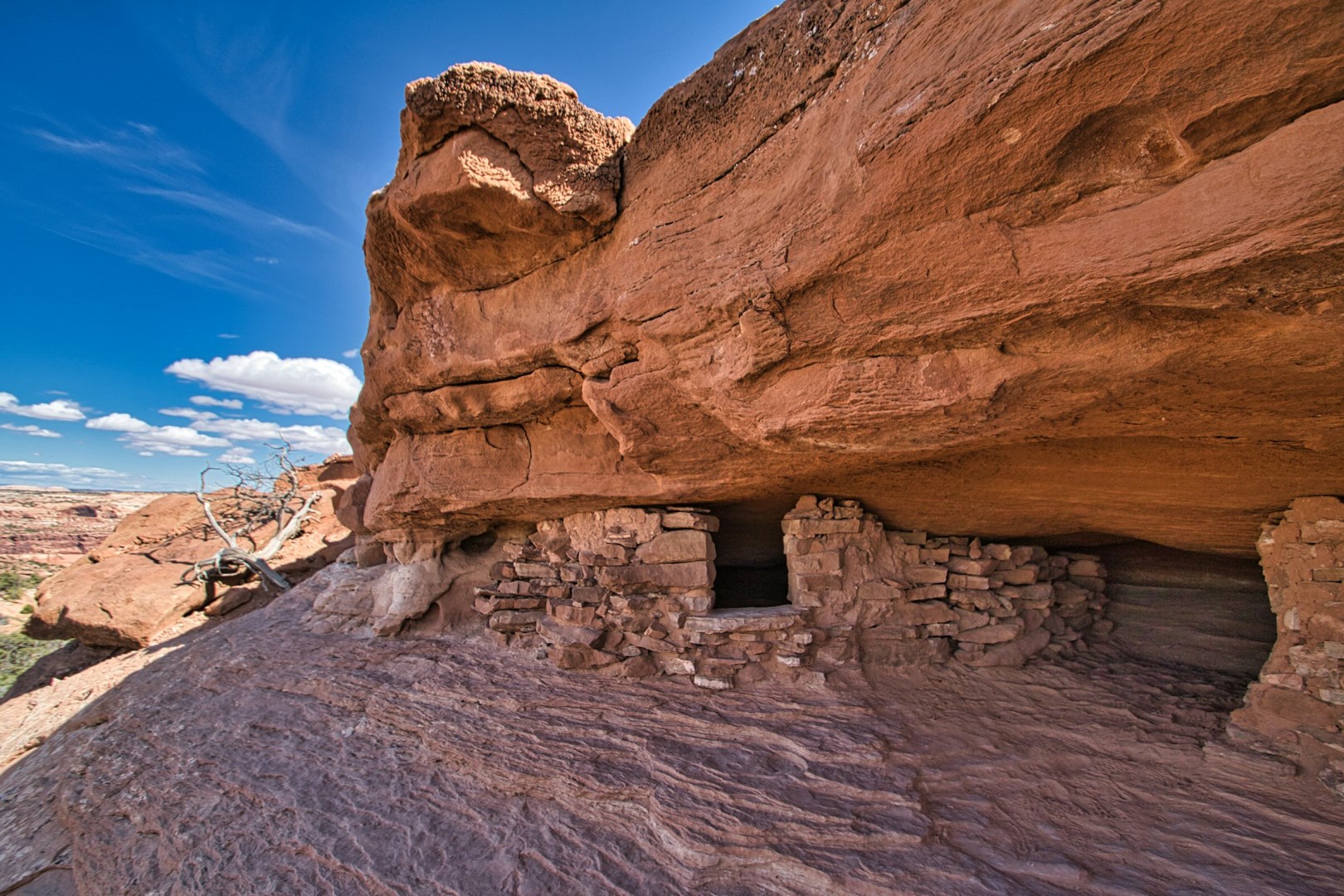
For those interested in river adventures, the confluence of the Colorado and Green Rivers is a prime spot for river rafting and kayaking. The park’s diverse ecosystems support a variety of wildlife, including desert bighorn sheep and golden eagles. Additionally, visitors can explore ancient rock art and ruins left by the Ancestral Puebloans, adding a rich cultural dimension to their visit.
Fun Fact: Canyonlands National Park is home to the famous "Upheaval Dome", a mysterious geological formation whose origin remains debated among scientists. It’s believed to be either an ancient meteorite impact crater or a salt dome intrusion .
Other Popular Destinations in Utah
Bryce Canyon
Bryce Canyon, tucked into the high plateaus of southern Utah, offers one of the most unusual landscapes in the American Southwest. It’s not actually a canyon but a series of natural amphitheaters carved into the edge of the Paunsaugunt Plateau. What makes Bryce unique is its dense collection of hoodoos which are tall, thin spires of rock formed over millions of years by frost-wedging and erosion.
Zion National Park
Zion National Park, located in southwestern Utah, is known for its massive sandstone cliffs, narrow slot canyons, and unique desert ecosystems. Established in 1919, it was Utah’s first national park and continues to attract visitors with its dramatic elevation shifts and striking rock formations. The park’s most iconic feature, Zion Canyon, stretches for 15 miles and reaches depths of up to 2,640 feet, carved over time by the Virgin River.