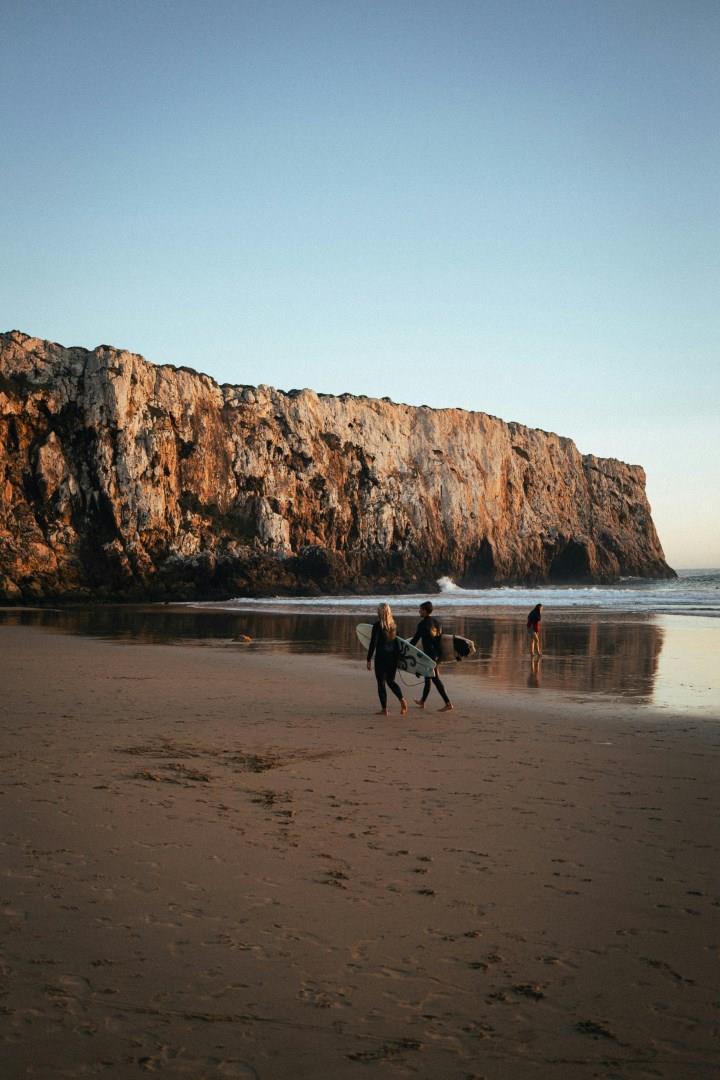
Sagres sits at the southwestern edge of continental Europe in Portugal’s Algarve region, where the Atlantic’s wide horizon meets rugged cliffs and open skies. For centuries this point was linked to maritime adventure and visitors can still feel that sense of discovery in the air. Here, people like Prince Henry the Navigator gathered cartographers, shipbuilders and astronomers in the 1400s to push beyond maps of the known world and shape the early Age of Discovery from Sagres’ dramatic headlands.
Machu Picchu is a story carved into stone, perched nearly 2,500 meters above sea level in the cloud forests of southern Peru. Built in the 15th century and later abandoned, this Inca citadel was unknown to the outside world until 1911, when explorer Hiram Bingham brought it to international attention. Today, it remains remarkably well-preserved, with more than 150 stone structures, terraced fields, ceremonial fountains, and temples aligned with astronomical events.
Nestled in the heart of Istria, the charming town of Grožnjan offers an enchanting escape into a world where history and art seamlessly blend. Often referred to as the "City of Artists," Grožnjan is renowned for its vibrant cultural scene and picturesque medieval architecture. As you wander through its narrow, cobbled streets, you'll encounter well-preserved stone houses, quaint squares, and an array of art galleries and studios showcasing the work of local artists.
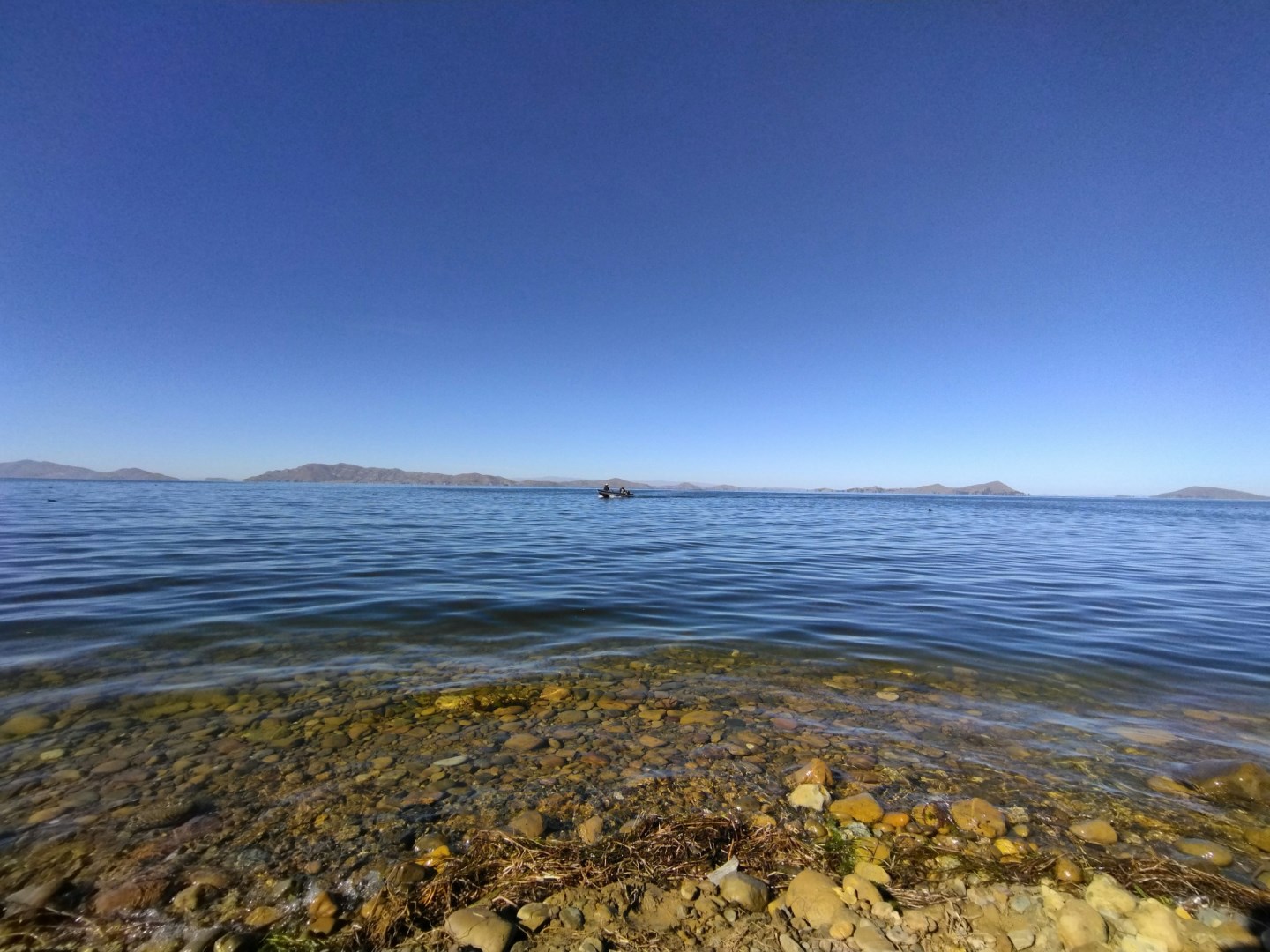
Huatajata is a serene lakeside village on the Bolivian shore of Lake Titicaca, the world’s highest navigable lake. Surrounded by the majestic Andes, this small community offers a peaceful atmosphere with stunning views of shimmering blue waters and distant snowcapped peaks.
Moldova, a hidden gem nestled in the heart of Eastern Europe, invites travelers to discover a unique blend of history, culture, and nature. Often overlooked by mainstream tourism, this charming country boasts a rich tapestry of traditions that date back over a thousand years. Visitors can explore ancient monasteries and stunning landscapes along the Răut River.
Canyonlands National Park, located in southeastern Utah, offers an awe-inspiring landscape of deep canyons, rugged mesas, and striking rock formations. This vast park is divided into four districts: Island in the Sky, the Needles, the Maze, and the Rivers. Each district showcases its own unique geological features and breathtaking vistas. The Island in the Sky district provides panoramic views from its high mesa, including breathtaking vistas of the Colorado and Green Rivers.
Adventure seekers and nature enthusiasts will find much to explore in the Needles district, renowned for its colorful spires and challenging hiking trails. The Chesler Park trail, for example, leads hikers through a surreal landscape of rock formations and expansive views. The Maze district, characterized by its remote and intricate terrain, offers some of the most challenging off-road and hiking opportunities in the park.
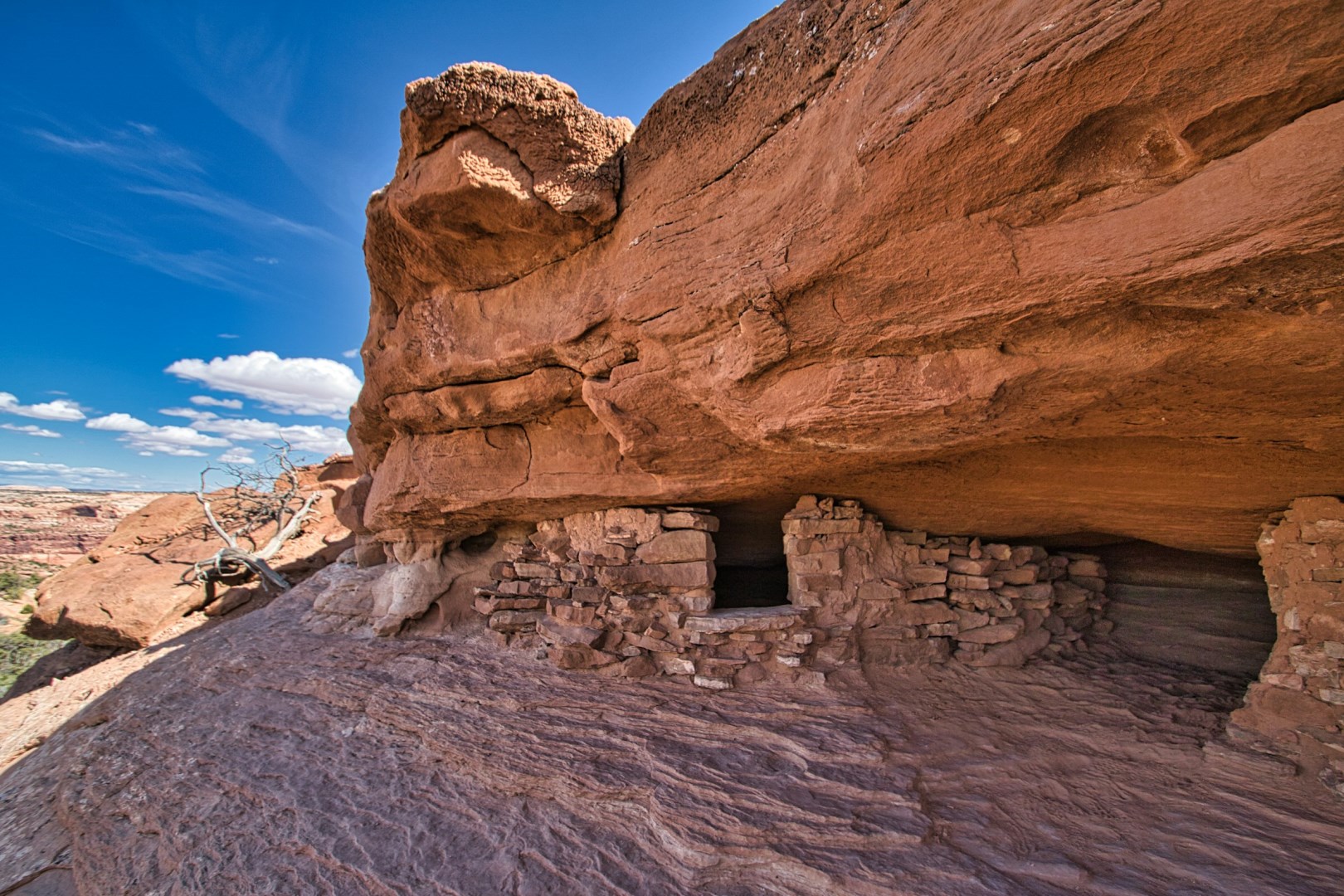
For those interested in river adventures, the confluence of the Colorado and Green Rivers is a prime spot for river rafting and kayaking. The park’s diverse ecosystems support a variety of wildlife, including desert bighorn sheep and golden eagles. Additionally, visitors can explore ancient rock art and ruins left by the Ancestral Puebloans, adding a rich cultural dimension to their visit.
Fun Fact: Canyonlands National Park is home to the famous "Upheaval Dome", a mysterious geological formation whose origin remains debated among scientists. It’s believed to be either an ancient meteorite impact crater or a salt dome intrusion .
Other Popular Destinations in Utah
Zion National Park
Zion National Park, located in southwestern Utah, is known for its massive sandstone cliffs, narrow slot canyons, and unique desert ecosystems. Established in 1919, it was Utah’s first national park and continues to attract visitors with its dramatic elevation shifts and striking rock formations. The park’s most iconic feature, Zion Canyon, stretches for 15 miles and reaches depths of up to 2,640 feet, carved over time by the Virgin River.
Bryce Canyon
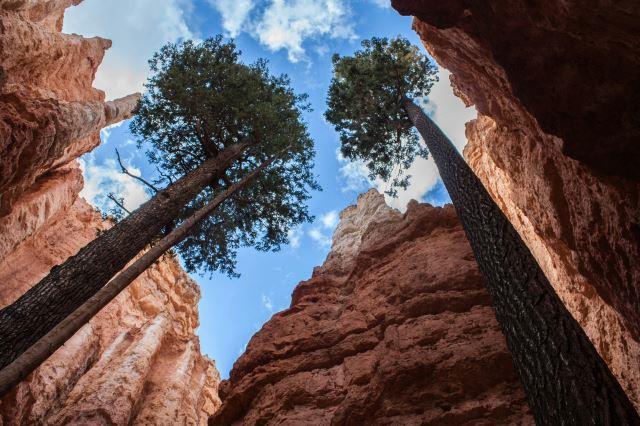
Bryce Canyon, tucked into the high plateaus of southern Utah, offers one of the most unusual landscapes in the American Southwest. It’s not actually a canyon but a series of natural amphitheaters carved into the edge of the Paunsaugunt Plateau. What makes Bryce unique is its dense collection of hoodoos which are tall, thin spires of rock formed over millions of years by frost-wedging and erosion.