On Greenland’s west coast, Ilulissat (once known as Jakobshavn) welcomes travelers with astonishing ice scenery and a sense of scale that feels almost otherworldly. The town sits beside Disko Bay, where immense icebergs drift silently past, glowing pink and gold in the Arctic light. The name “Ilulissat” means “icebergs,” and it could not be more fitting. Here, every turn toward the sea offers a fresh view of towering ice forms, each one sculpted by nature into something fleeting and beautiful.
Cape Cod, Massachusetts, is a captivating destination known for its scenic beauty and charming coastal villages. Stretching out into the Atlantic Ocean, Cape Cod offers a quintessential New England experience with its pristine beaches, historic lighthouses, and quaint towns. A visit to the Cape Cod National Seashore is a must, where visitors can explore miles of sandy shores, salt marshes, and tidal flats.
Dominica, known as the “Nature Island of the Caribbean,” is a haven for eco-tourists and adventure seekers. Nestled between the French islands of Guadeloupe and Martinique, this lush island boasts a remarkable landscape of volcanic mountains, dense rainforests, and stunning waterfalls. Dominica’s most iconic natural wonder is the Boiling Lake, the second-largest hot spring in the world.
Nestled within Freycinet National Park on Tasmania's stunning east coast, Wineglass Bay is a destination that calls out to nature lovers and adventure seekers alike.
Massachusetts, a state steeped in American history and vibrant culture, offers visitors a rich tapestry of experiences. Begin your journey in Boston, the state capital, where history comes alive along the Freedom Trail. This 2.5-mile route takes you through pivotal sites such as the Massachusetts State House, Paul Revere’s House, and the Old North Church, where the famous signal lanterns were hung during the American Revolution.
Photo Credit: Photo by Caroline Rodrigues on Unsplash
Photo Credit: Photo by John Cameron on Unsplash
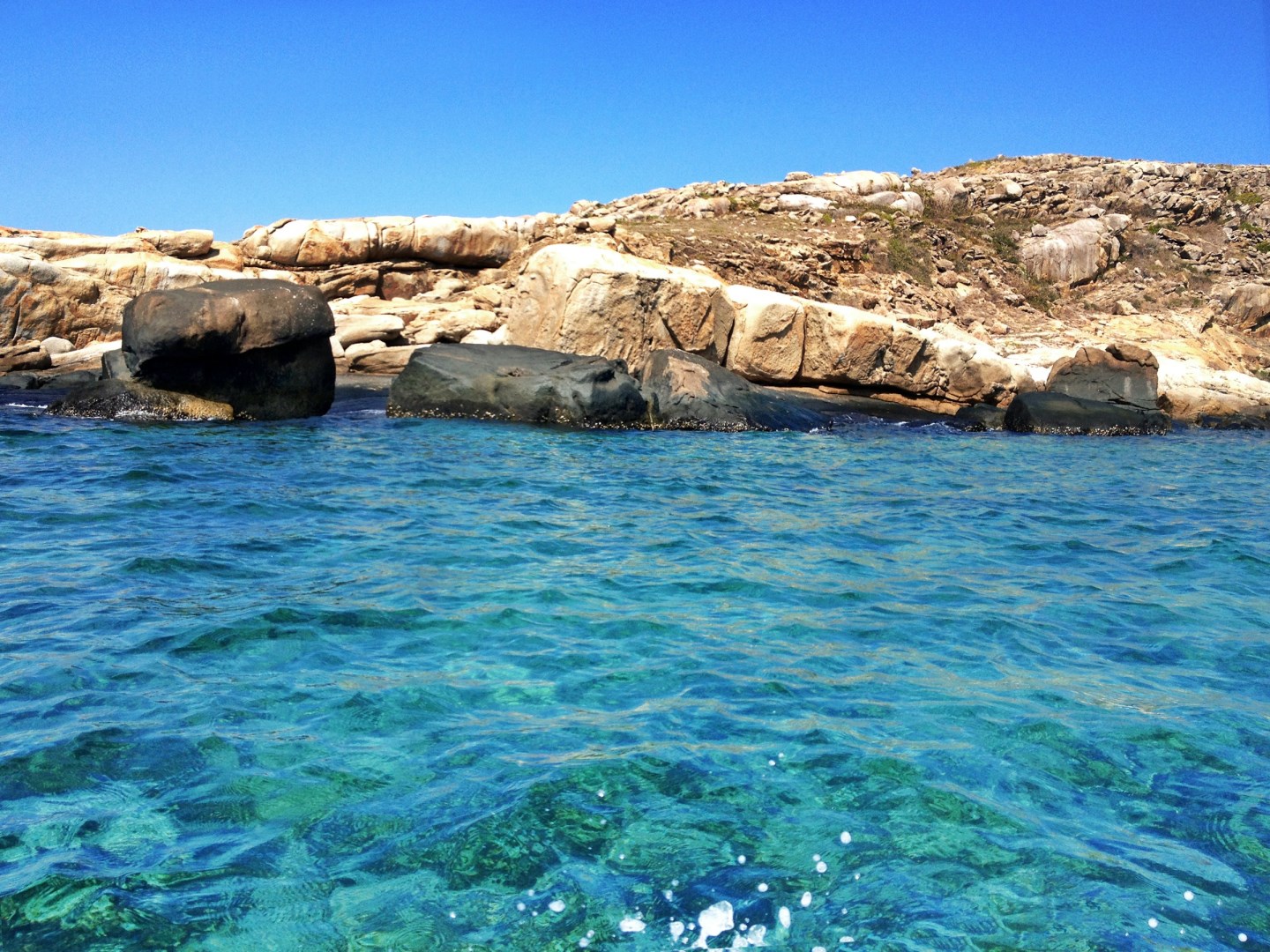
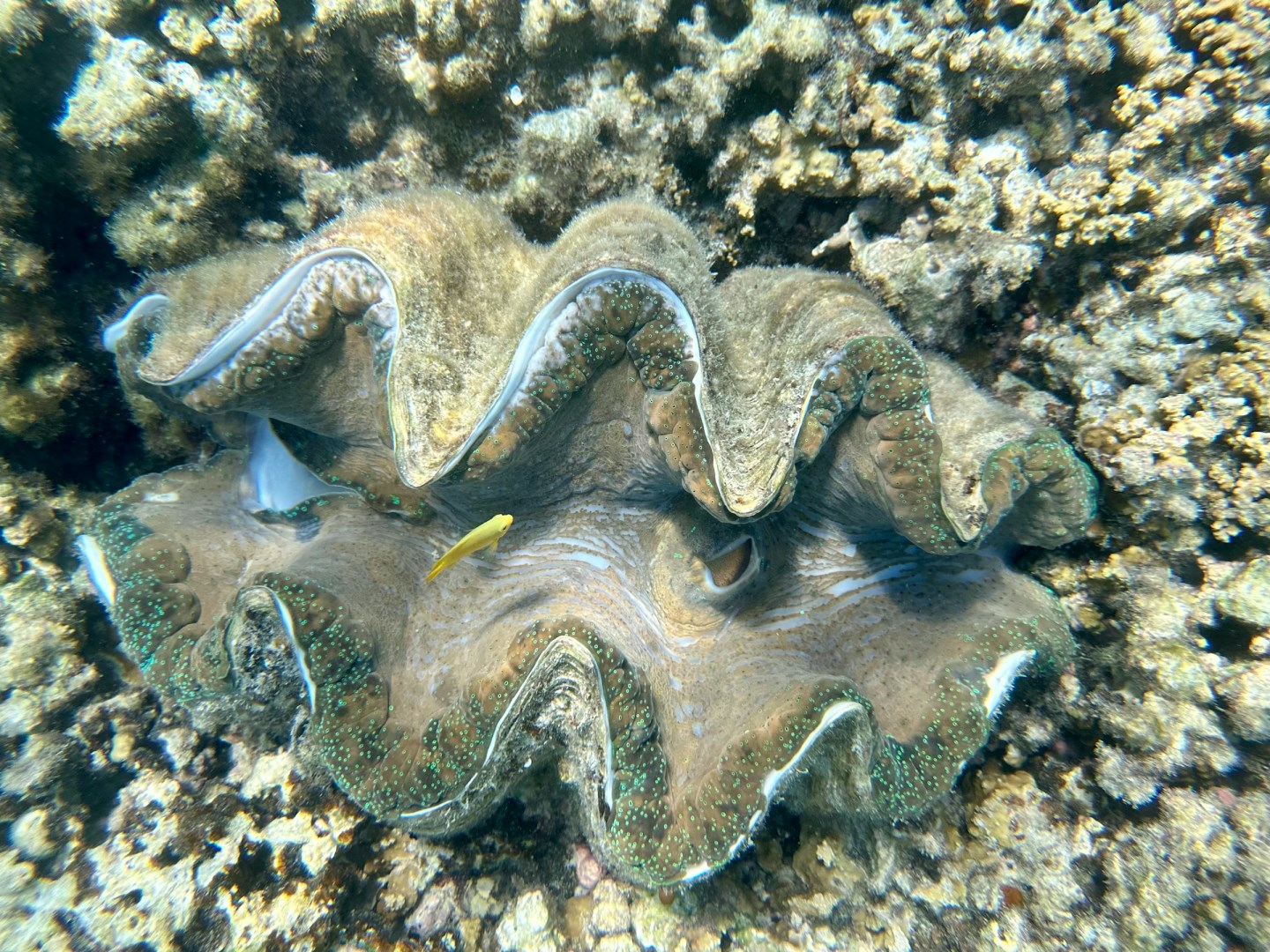
Seclusion is the name of the game on Lizard. It's a large national-park island (21 sq km), located 240km from Cairns and surrounded by Osprey Island, Seabird Islet, South and Palfrey islands. Lizard has special historical interest due to Captain Cook's visit. It also has fine diving and fishing possibilities (it's only 15km from the outer edge of the reef), 23 superb beaches (among the reef's best) and great swimming and snorkelling. However, seclusion and isolalion do not come cheaply, and children under the age of six are banned from the island's small resort.
The resort has the usual sporting facilities, including a floodlit tennis court and swimming pool. The use of all water-sports equipment is included in the daily tariff, but boating trips cost extra. There's also a small campsite, but campers must be entirely self-sufficient as the resort does not particularly welcome non-tariff-paying visitors. This is a pity, as it has an excellent reputation for its cuisine. There's great diving, even right off the beach, but again it isn't cheap. Heavy-tackle fishing is a big attraction, particularly from September to December, and many game-fishing boats use Lizard as a base
during this time. The island has many fine walks and abundant wildlife, such as the huge lizards which gave the island its name, five species of snakes, a small colony of bats and more than 40 species of birds. Almost all resort guests arrive from Cairns by air. There is no regular shipping or ferry service, and the only other possibility is to take a cruise, which will anchor offshore for a night or two. Lizard is one of the most popular anchorages along the reef, and it's the last really
good mooring place before you get to Thursday Island.