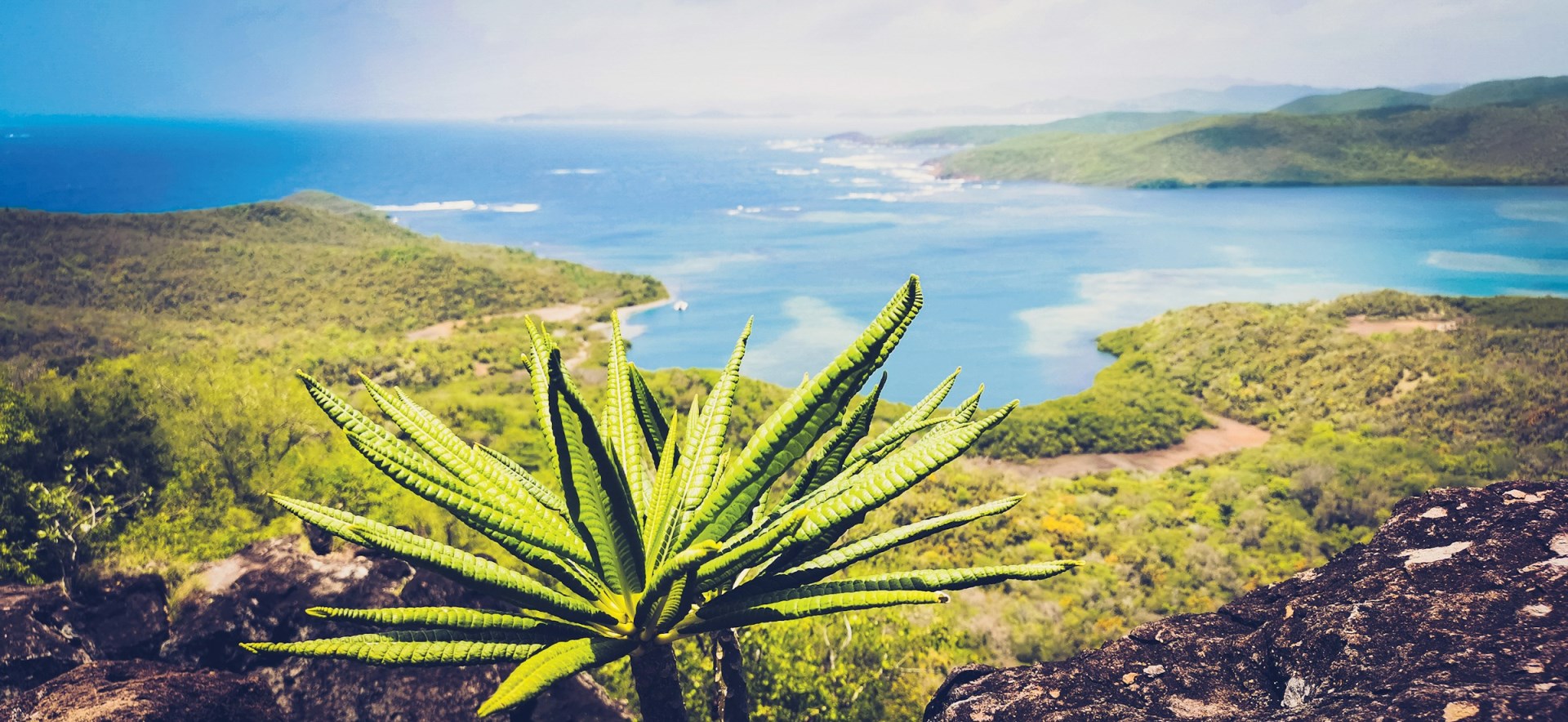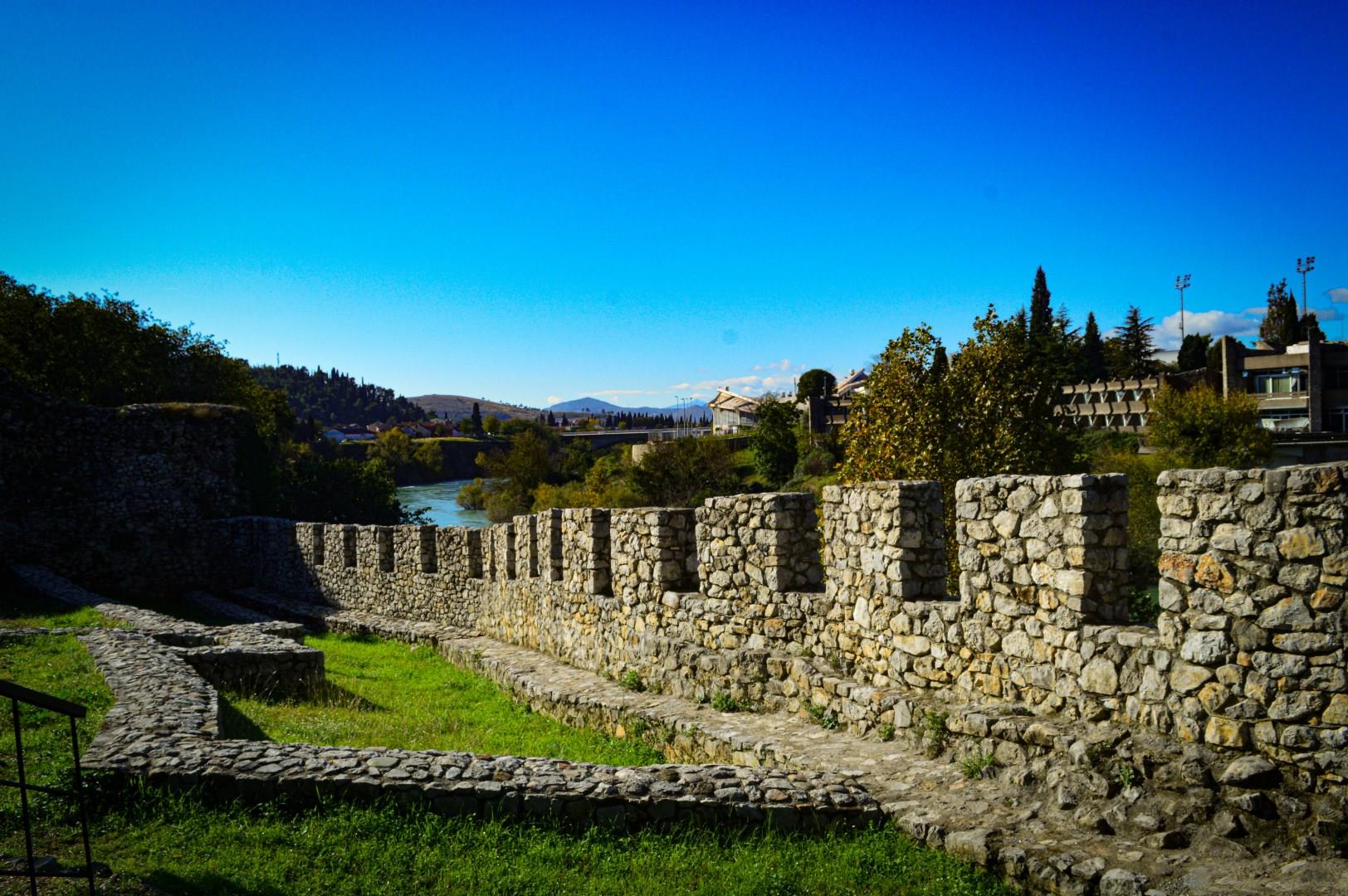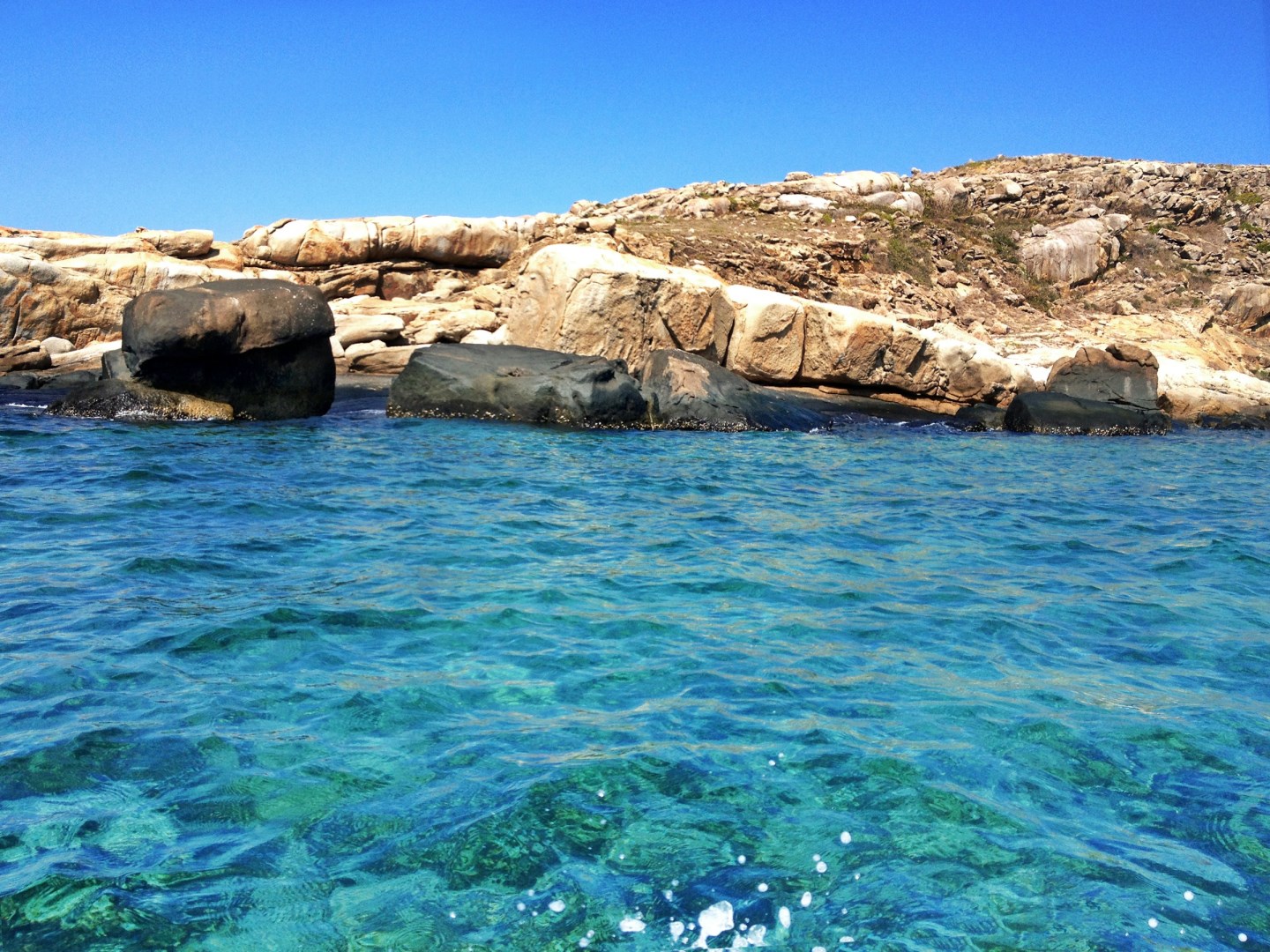
Dominica, known as the “Nature Island of the Caribbean,” is a haven for eco-tourists and adventure seekers. Nestled between the French islands of Guadeloupe and Martinique, this lush island boasts a remarkable landscape of volcanic mountains, dense rainforests, and stunning waterfalls. Dominica’s most iconic natural wonder is the Boiling Lake, the second-largest hot spring in the world.
The Isle of Skye rises from Scotland’s west coast with a shape that feels almost sculpted by hand. Its ridges and peninsulas stretch outward from a mountainous core, where the Cuillin range cuts a jagged line across the sky. Travelers often begin in Portree, a harbor town lined with brightly painted buildings and small seafood spots. From here, narrow roads lead to cliff edges, quiet bays, and sweeping views where golden eagles and red deer are part of the everyday scene.
Glenwood Springs, Colorado, is a picturesque resort town famous for its geothermal springs. Nestled in a scenic canyon of the Rocky Mountains where the Colorado and Roaring Fork Rivers meet, Glenwood Springs will enthrall you with its natural beauty, including towering red sandstone cliffs, snow-capped mountains, and lush forests.
Santa Cruz is in stark contrast to La Paz. Climate is tropical and altitude is only 1,250 feet. It is on the eastern lowland side of the Andes mountain range and one of the gateways to Bolivia's jungle area. Trinidad is the other. Much of Bolivia's natural resources, including agricultural products, are found in this area. Although Santa Cruz has grown tremendously some parts of downtown still retain a look of an Old West frontier town. Carnival is an especially happy time to be in Santa C
Sarapiquí is a rural region in northeastern Costa Rica, known for its network of rivers, rainforest reserves, and agricultural landscapes. Centered around Puerto Viejo de Sarapiquí, the area serves as a gateway to the Caribbean lowlands while remaining distinct from coastal destinations.
Photo Credit: Photo by Caroline Rodrigues on Unsplash
Photo Credit: Photo by John Cameron on Unsplash
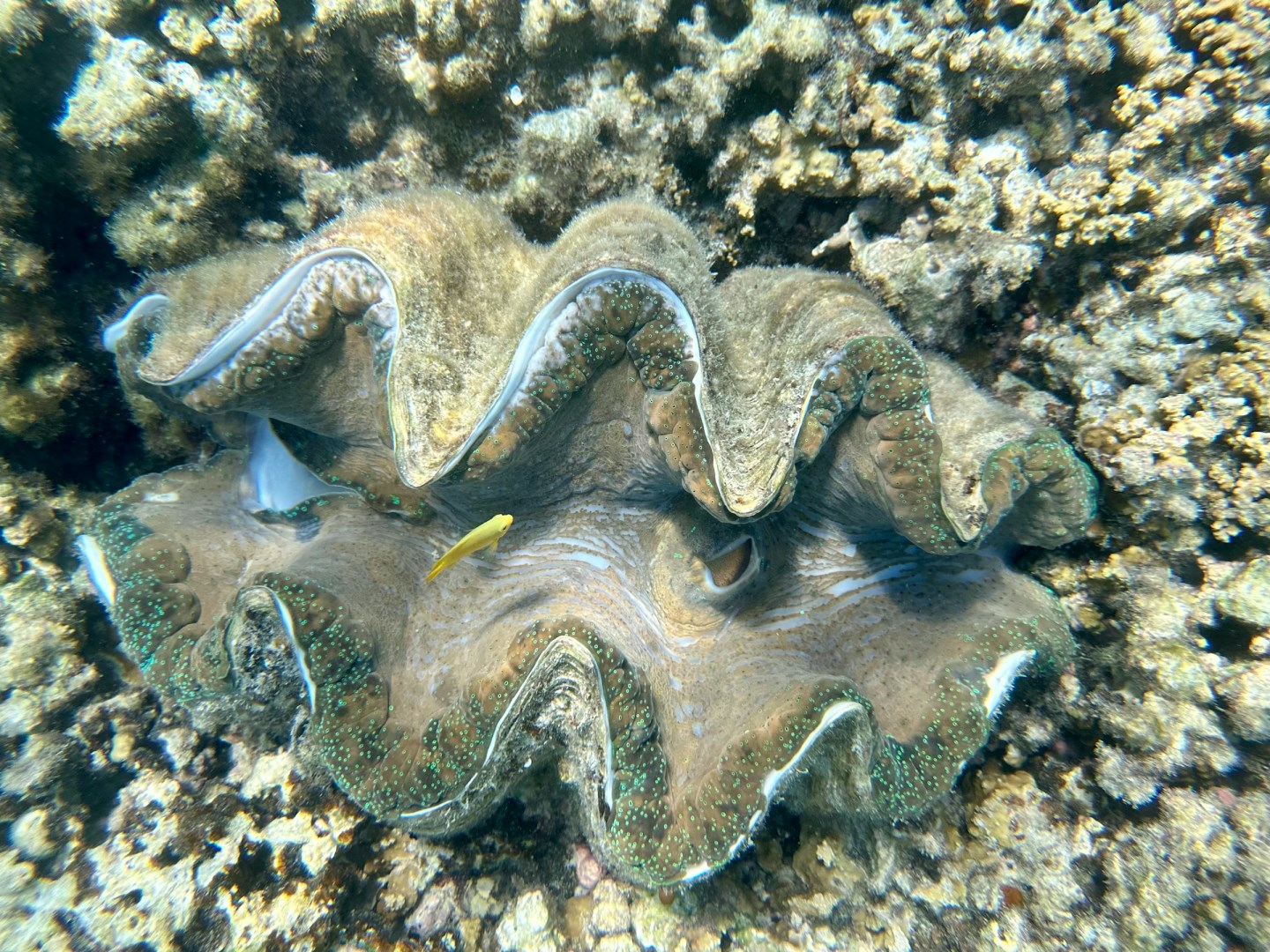
Seclusion is the name of the game on Lizard. It's a large national-park island (21 sq km), located 240km from Cairns and surrounded by Osprey Island, Seabird Islet, South and Palfrey islands. Lizard has special historical interest due to Captain Cook's visit. It also has fine diving and fishing possibilities (it's only 15km from the outer edge of the reef), 23 superb beaches (among the reef's best) and great swimming and snorkelling. However, seclusion and isolalion do not come cheaply, and children under the age of six are banned from the island's small resort.
The resort has the usual sporting facilities, including a floodlit tennis court and swimming pool. The use of all water-sports equipment is included in the daily tariff, but boating trips cost extra. There's also a small campsite, but campers must be entirely self-sufficient as the resort does not particularly welcome non-tariff-paying visitors. This is a pity, as it has an excellent reputation for its cuisine. There's great diving, even right off the beach, but again it isn't cheap. Heavy-tackle fishing is a big attraction, particularly from September to December, and many game-fishing boats use Lizard as a base
during this time. The island has many fine walks and abundant wildlife, such as the huge lizards which gave the island its name, five species of snakes, a small colony of bats and more than 40 species of birds. Almost all resort guests arrive from Cairns by air. There is no regular shipping or ferry service, and the only other possibility is to take a cruise, which will anchor offshore for a night or two. Lizard is one of the most popular anchorages along the reef, and it's the last really
good mooring place before you get to Thursday Island.