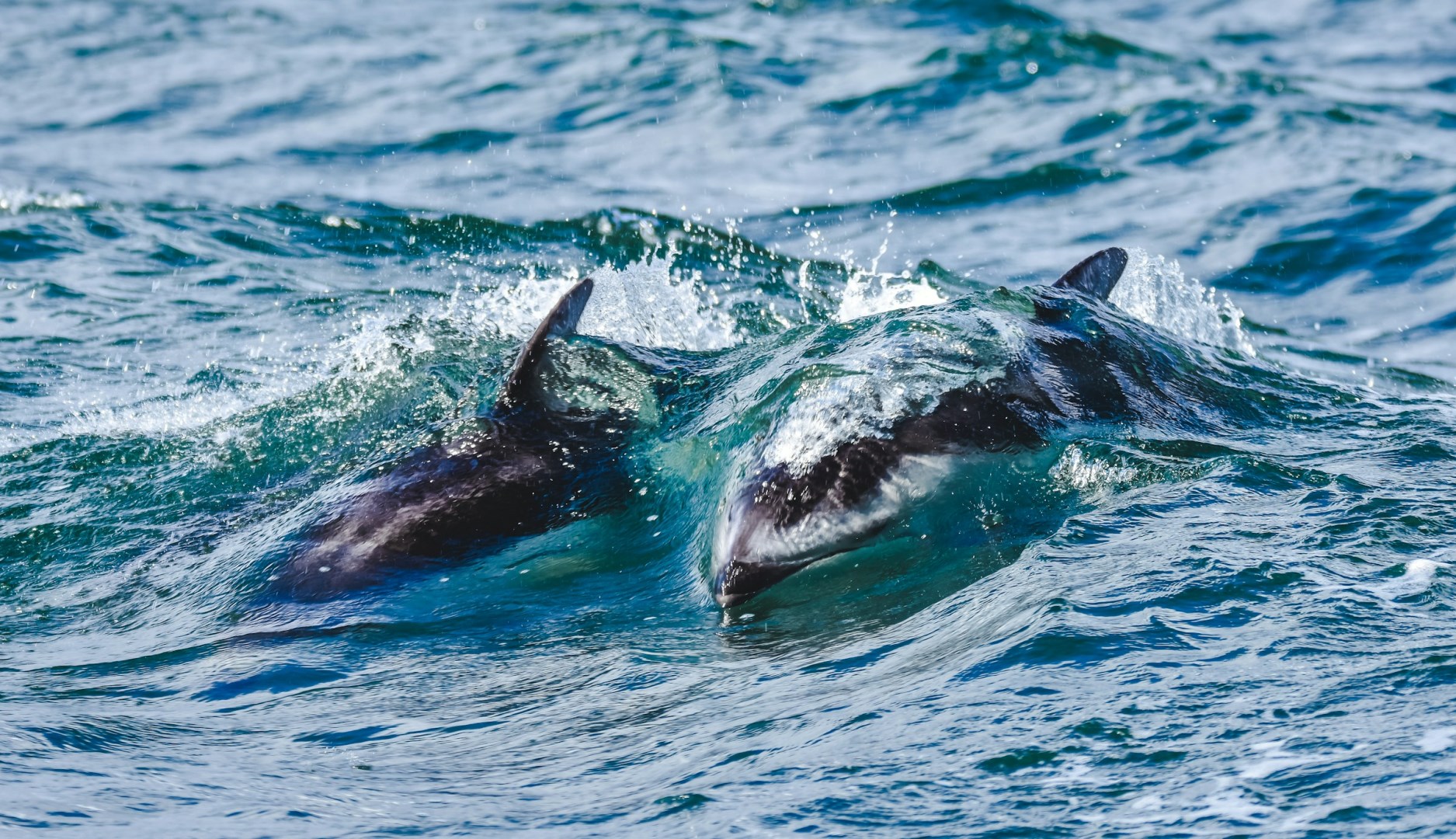
Cormorant Island
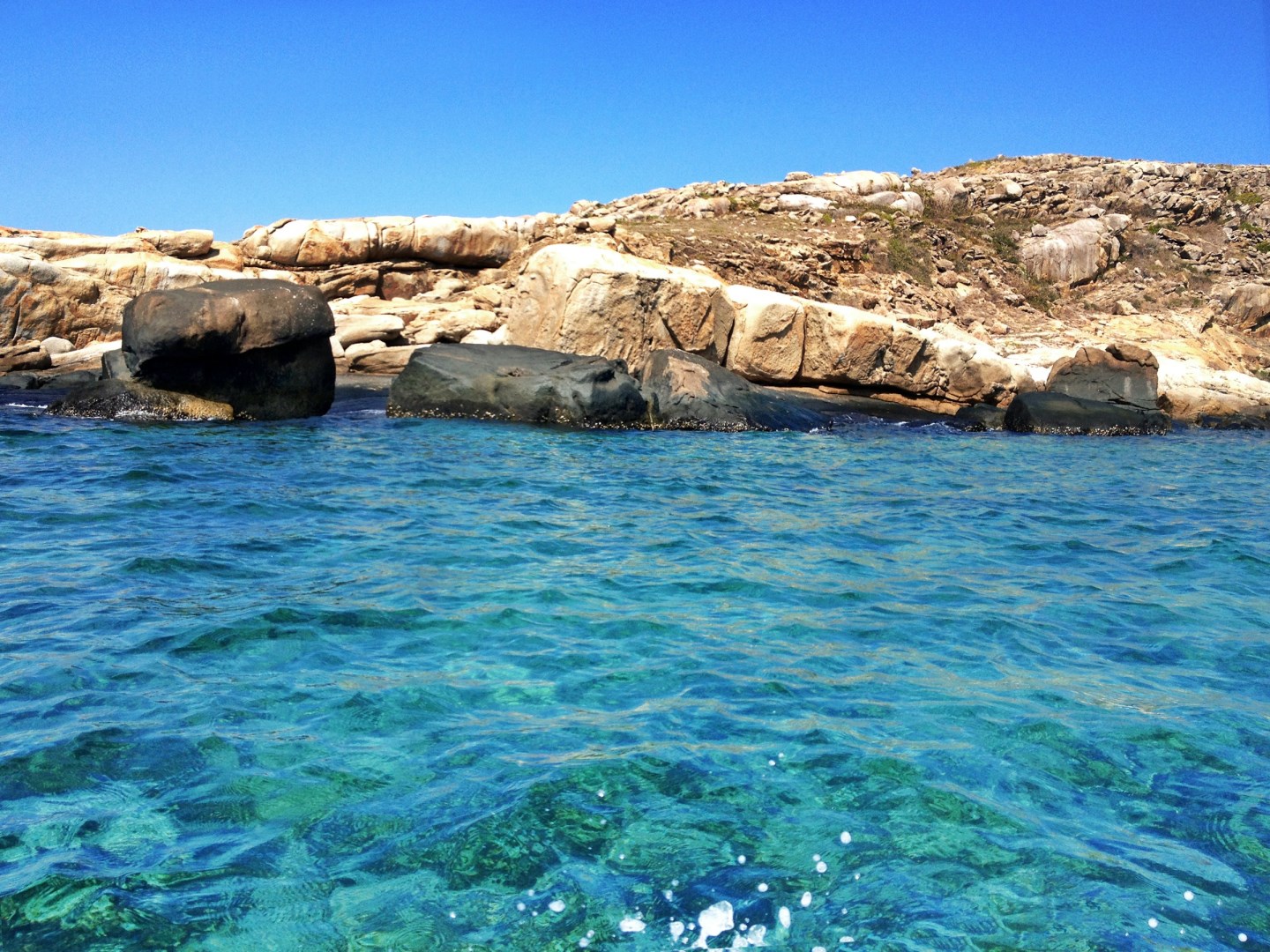
Cormorant Island is a small, forested island off the northeastern coast of Vancouver Island in British Columbia, with Alert Bay as its main community. The island faces the sheltered waters of the Broughton Strait and Queen Charlotte Strait, where coastal forests meet rocky shorelines, tidal marshes, and marine habitats.

Ghent
If it wasn't for Paris, Ghent would be medieval Europe's largest city. Steeped in history both rebellious and industrious, it sits at the junction of the Leie and Scheldt rivers and was once the site of armed battles by its townsfolk, who raged against heavy taxes and restricted civil liberties.

Longyearbyen
Longyearbyen, the northernmost settlement of its size in the world, offers a unique and captivating experience in the Arctic archipelago of Svalbard, Norway. Nestled between icy peaks and sprawling glaciers, this remote town is a gateway to exploring the rugged beauty of the Arctic landscape.

Atacama Desert
The Atacama Desert in Chile, the driest non-polar desert on Earth, is a place of extraordinary beauty and otherworldly landscapes. Stretching over 600 miles along the Pacific coast, the Atacama's stark, lunar-like terrain is punctuated by salt flats, active geysers, and rugged canyons. One of the most striking sights is the Valle de la Luna, or Valley of the Moon, where wind-sculpted sand dunes and jagged rock formations create a surreal environment that appears as if it's straight from another

Denver
Denver, Colorado, known as the “Mile High City” for its elevation exactly 5,280 feet above sea level, offers far more than a mountain backdrop. It’s a city where old saloons, Victorian homes, and vintage brick warehouses sit beside sleek skyscrapers and buzzing food halls. While the nearby Rocky Mountains are visible from almost anywhere in the city, places like City Park and Washington Park offer wide green spaces right in town.