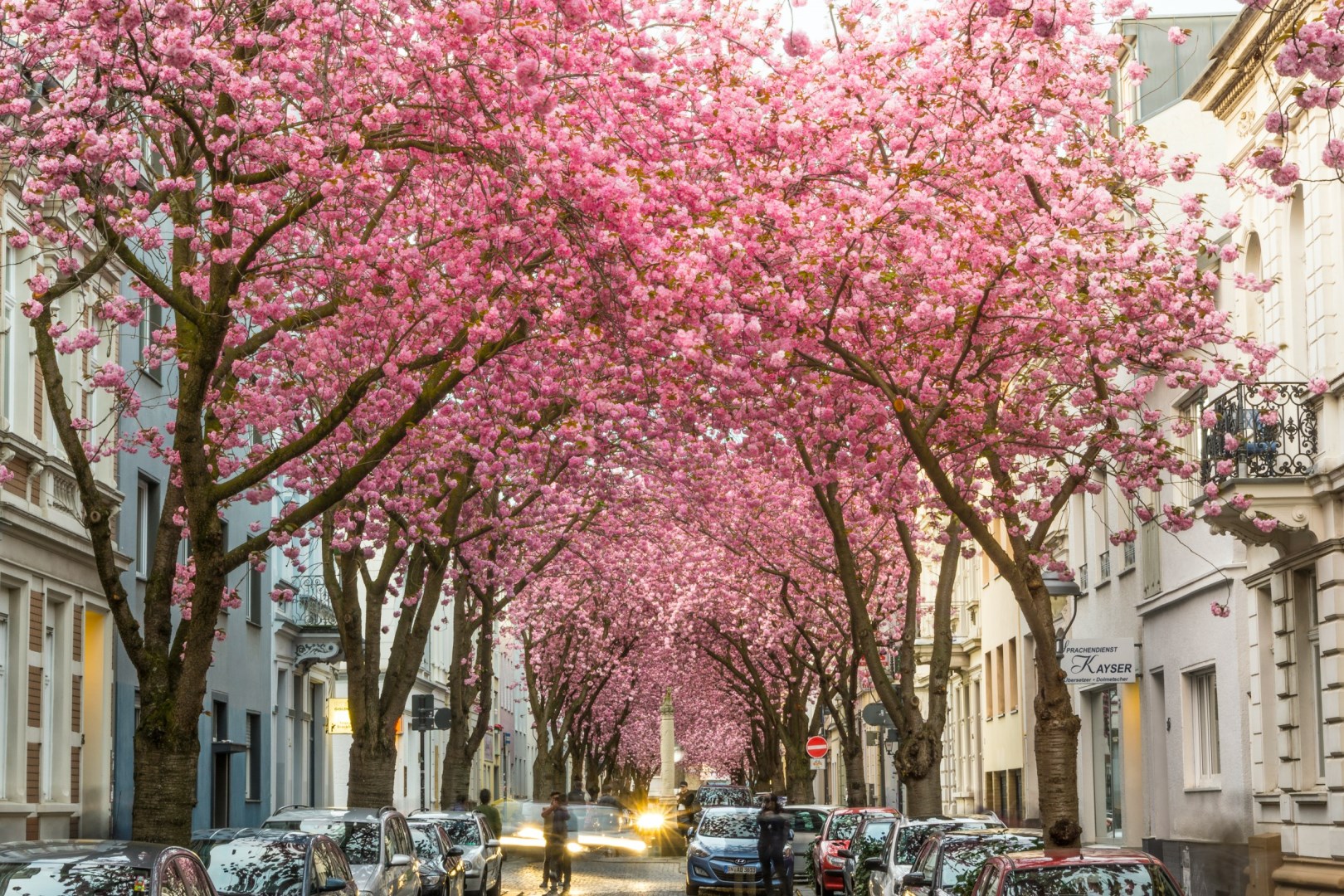
Two thousand years have left their mark in Bonn, tracing its development from a Roman camp into the settlement known as "Villa Basilica," and on through the Baroque era's Electoral Palace, which today houses the University.
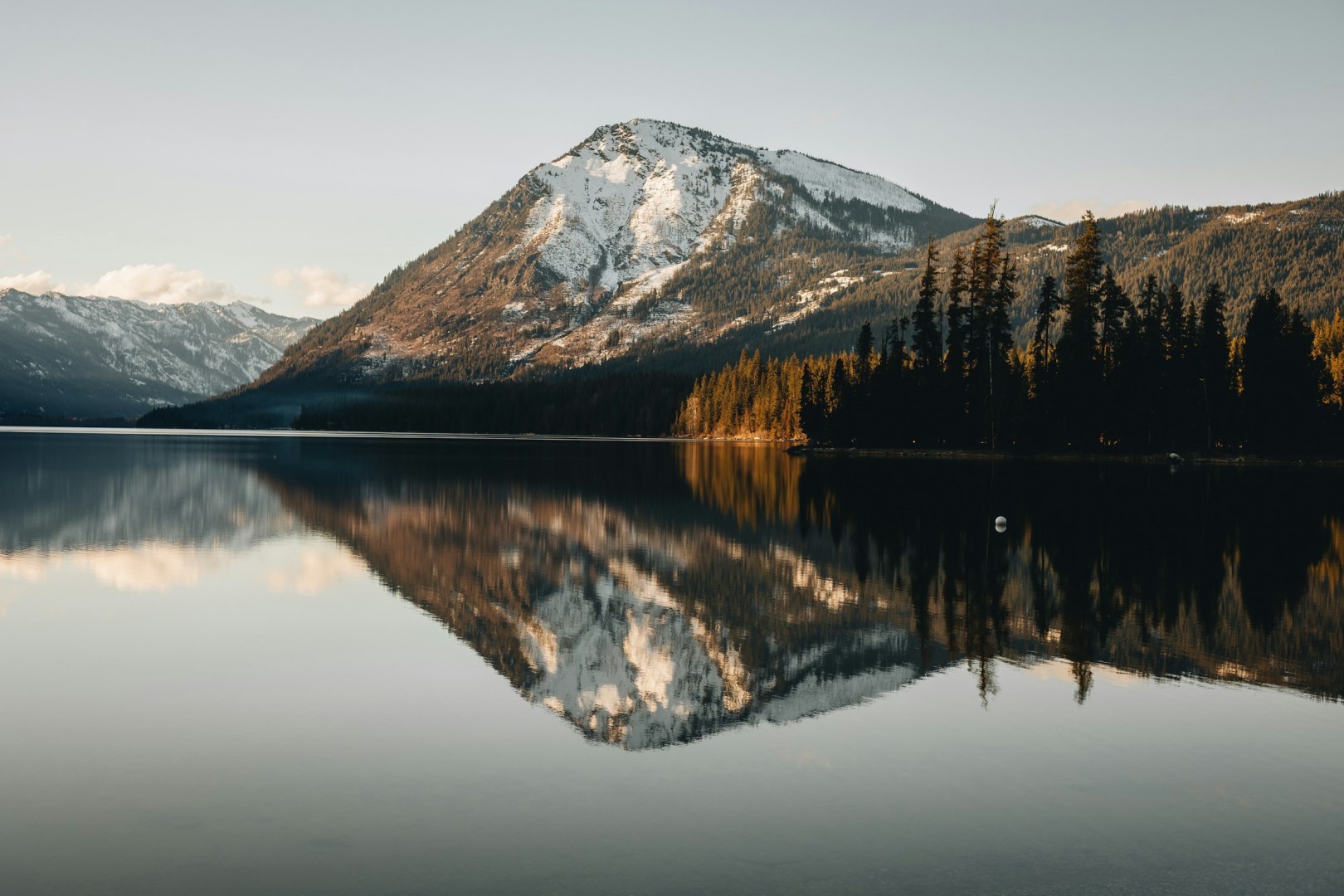
Our mountains are high with lush forest and pristine alpine lakes hidden from the too casual viewer. Wildlife abound along the rippling streams that feed the wild waters of the Wenatchee River, finally merging with the mighty Columbia. King salmon fighting to return to their birthplace can be viewed from the Rocky Reach Dam. Nature is at its unspoiled best
Nestled in the heart of South Africa’s Cape Winelands, Franschhoek is a charming village renowned for its exquisite vineyards and rich history. Founded by French Huguenots in the late 17th century, the village’s French heritage is palpable in its architecture, cuisine, and local culture.
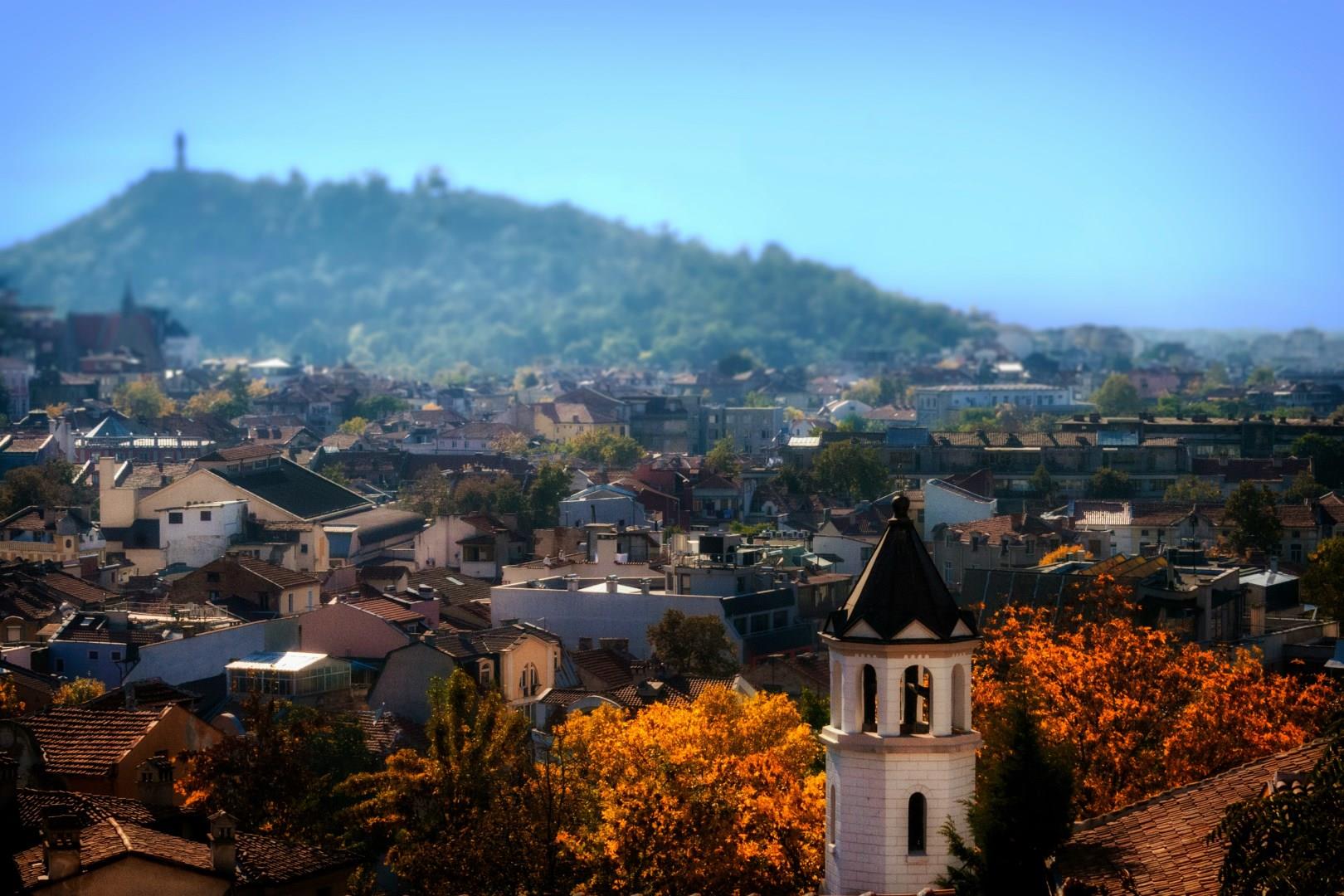
Plovdiv, one of the oldest continuously inhabited cities in Europe, carries over 8,000 years of history layered into its streets. The Roman Theater, still in use today, was discovered by accident in the 1970s and now hosts operas and concerts overlooking the Rhodope Mountains. Nearby, visitors can walk the remains of a Roman stadium buried beneath the main pedestrian street, where modern shops and cafés stand above ancient foundations.
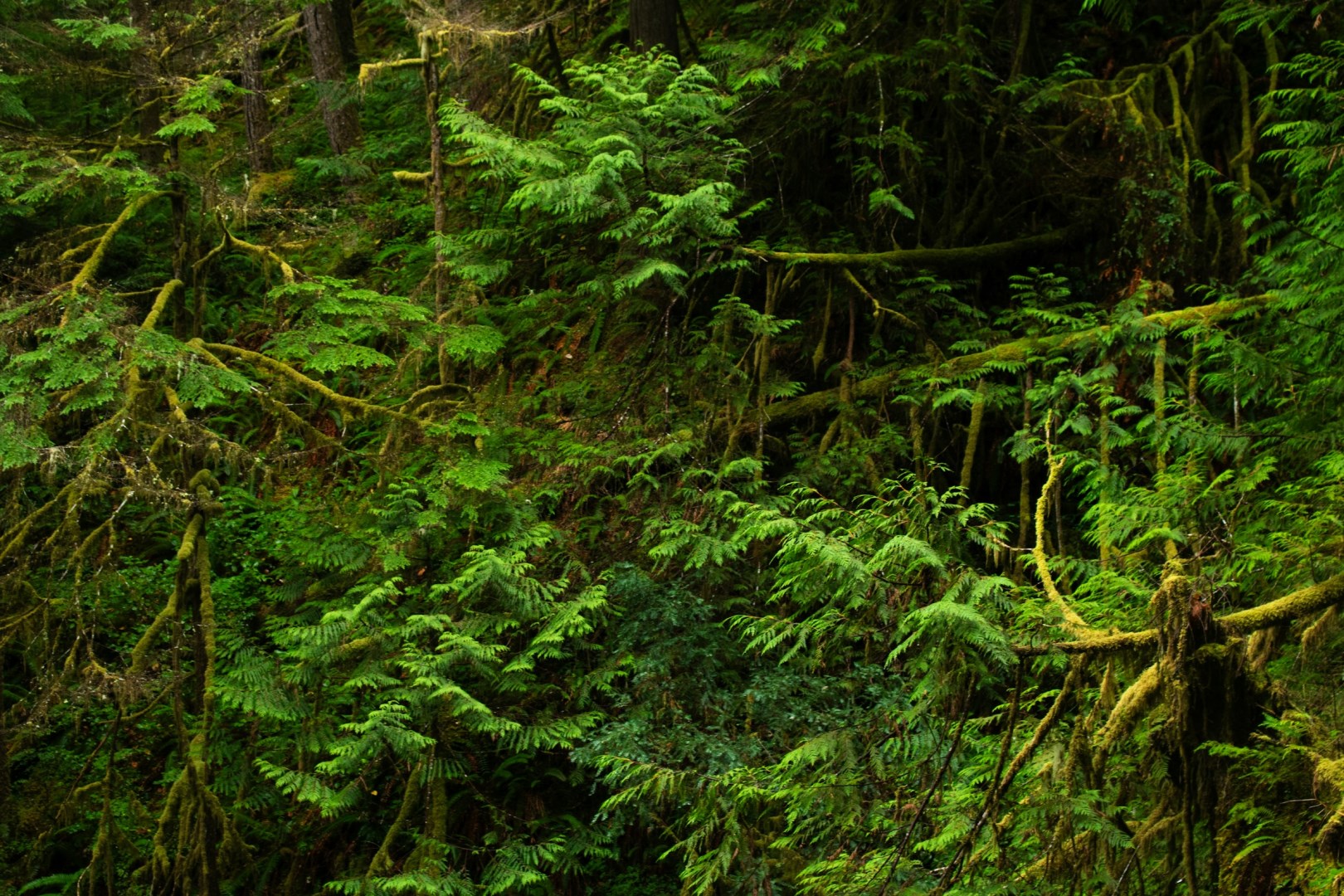
Port Angeles is a coastal city on Washington’s Olympic Peninsula, positioned along the Strait of Juan de Fuca with views toward Vancouver Island and the mountains of Olympic National Park. The city serves as an important gateway to the Olympic Peninsula, combining a working waterfront with a compact downtown, marinas, parks, and nearby forested landscapes.
Photo Credit: Photo by Sébastien Jermer on Unsplash
Photo Credit: Photo by Johnny Africa on Unsplash
Photo Credit: Photo by Anastasiia Chepinska on Unsplash
Photo Credit: Photo by Ben Michel on Unsplash
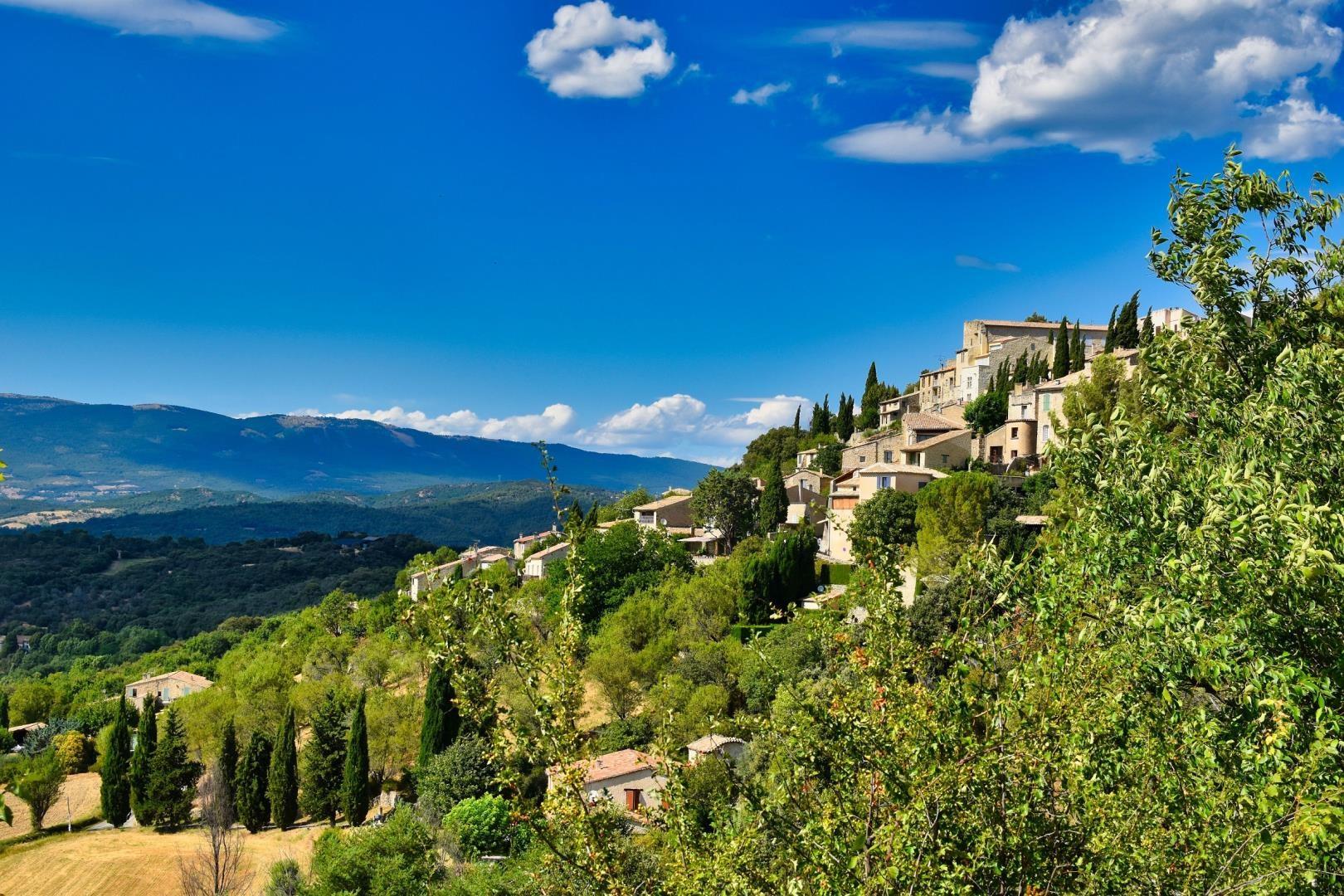
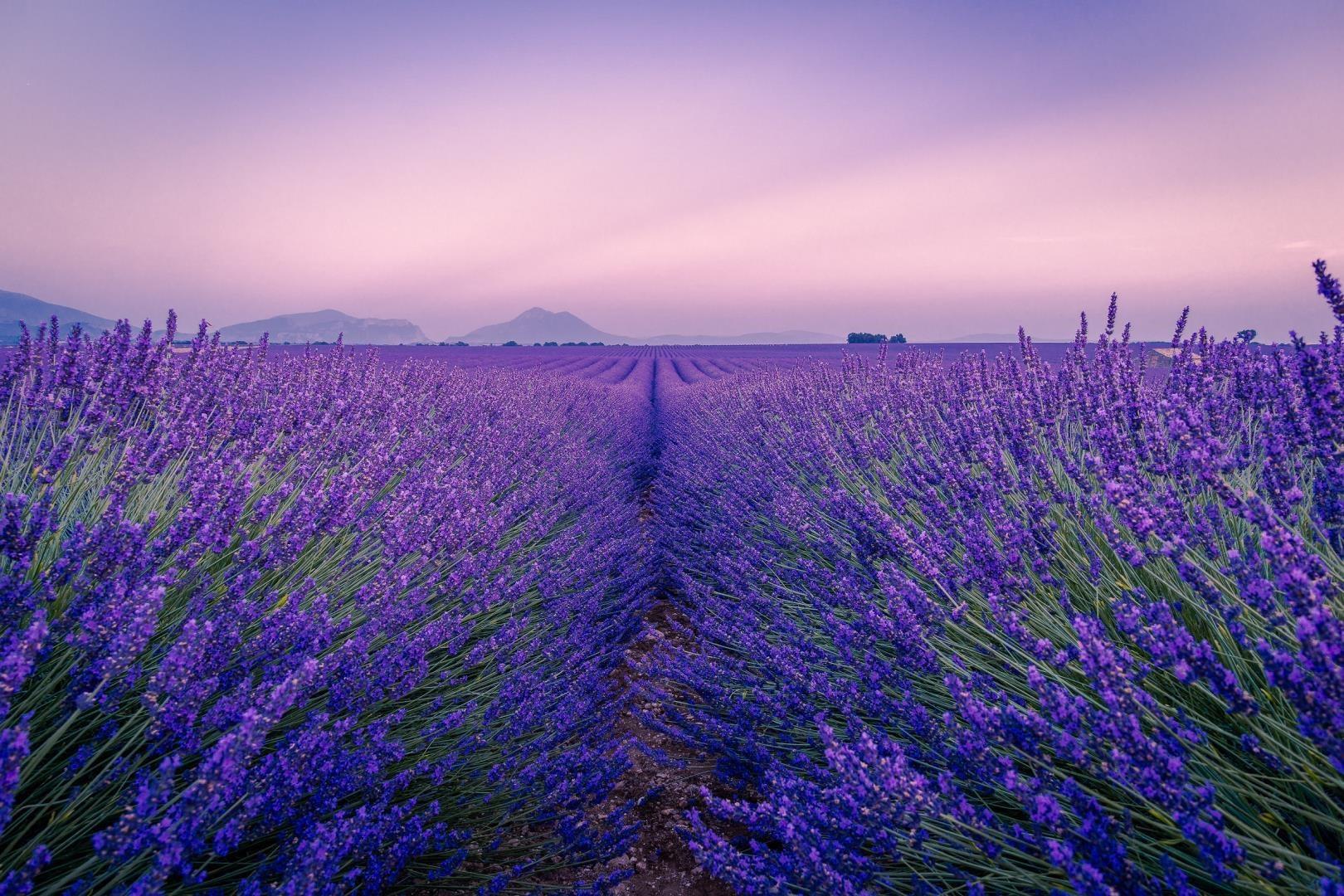
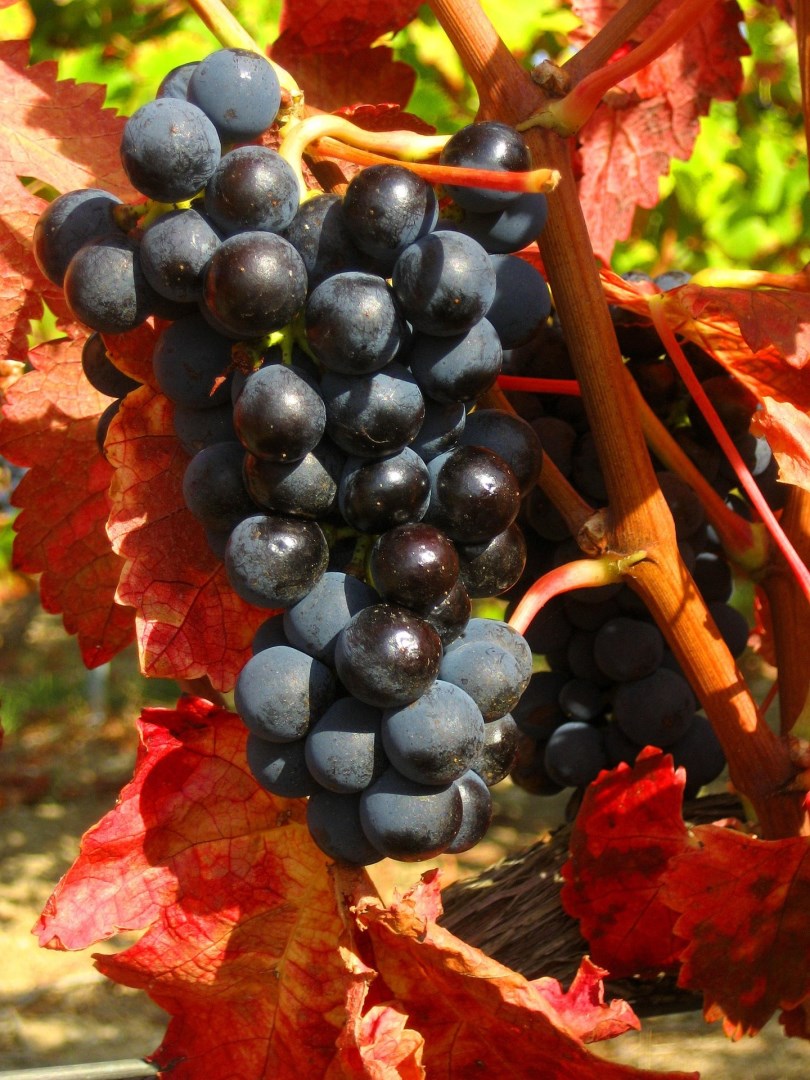
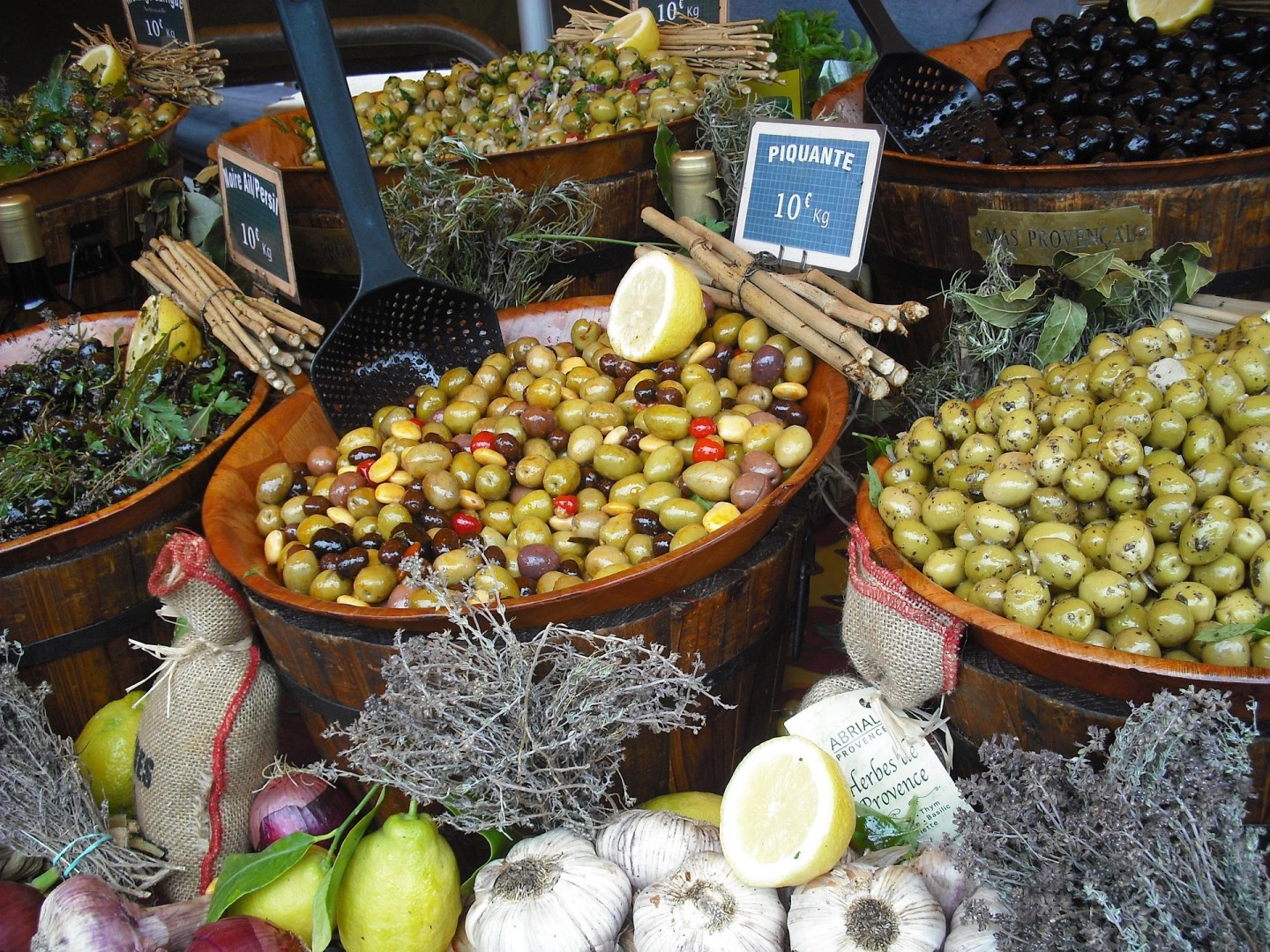
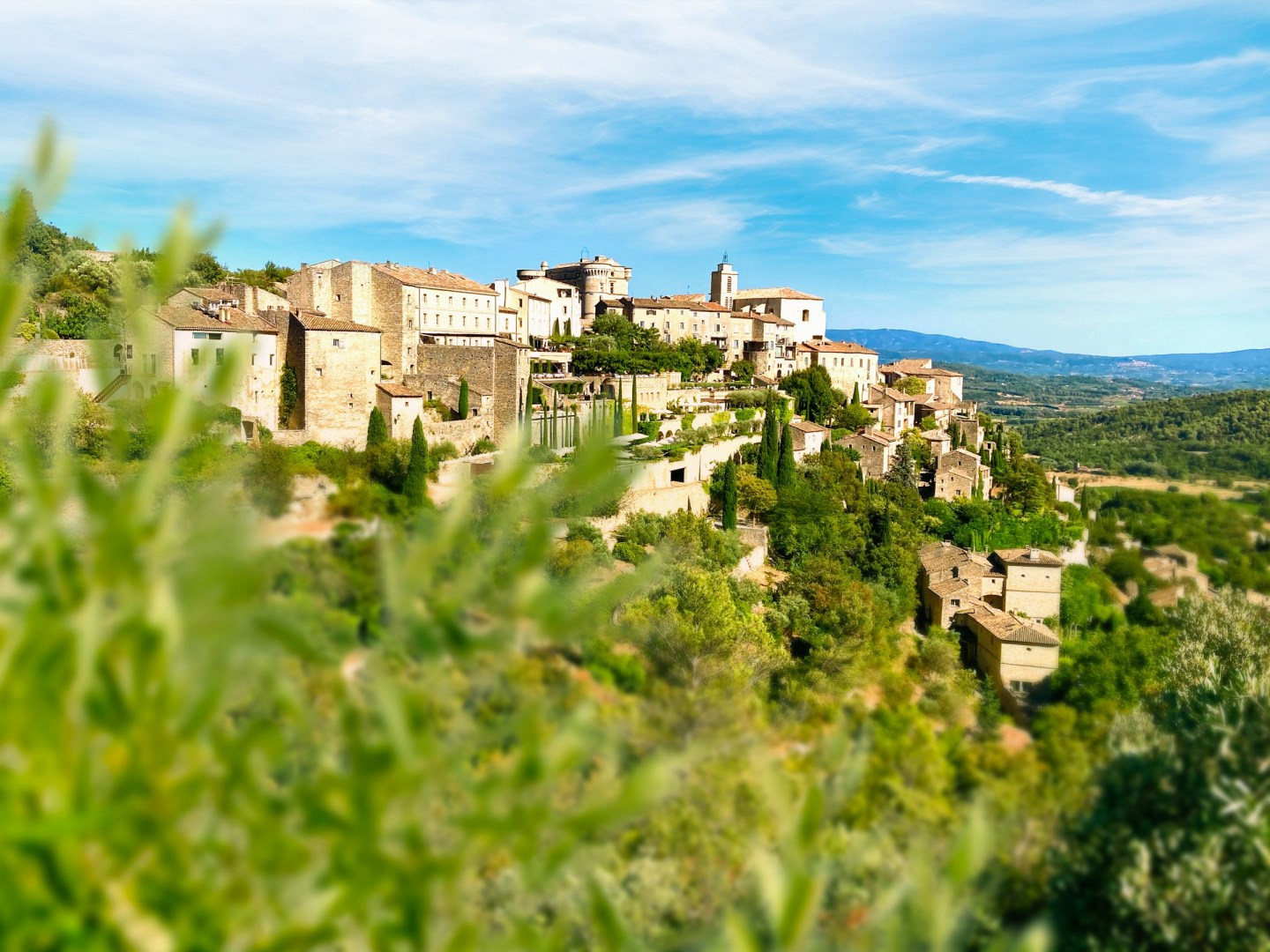
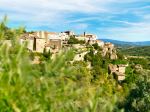
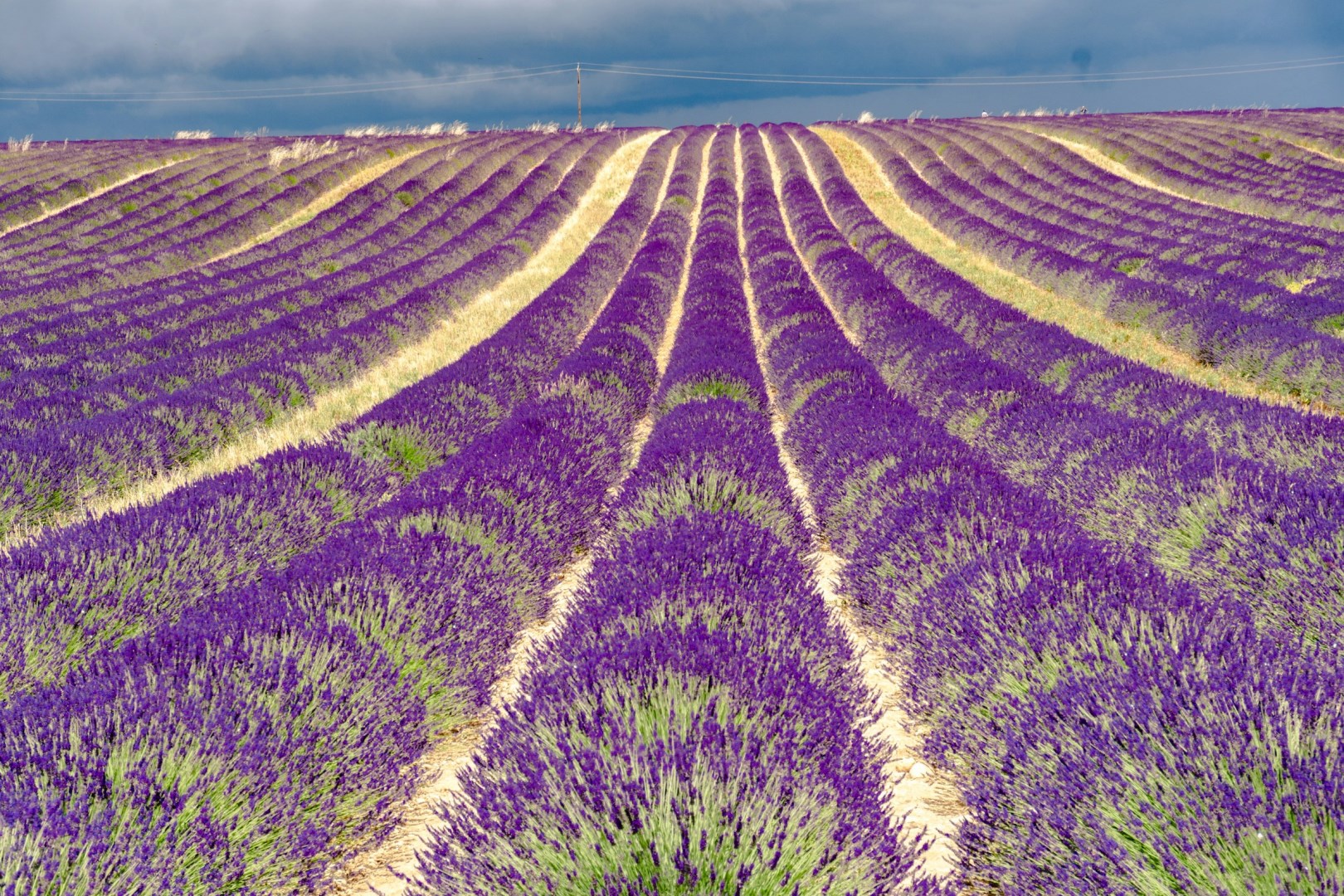
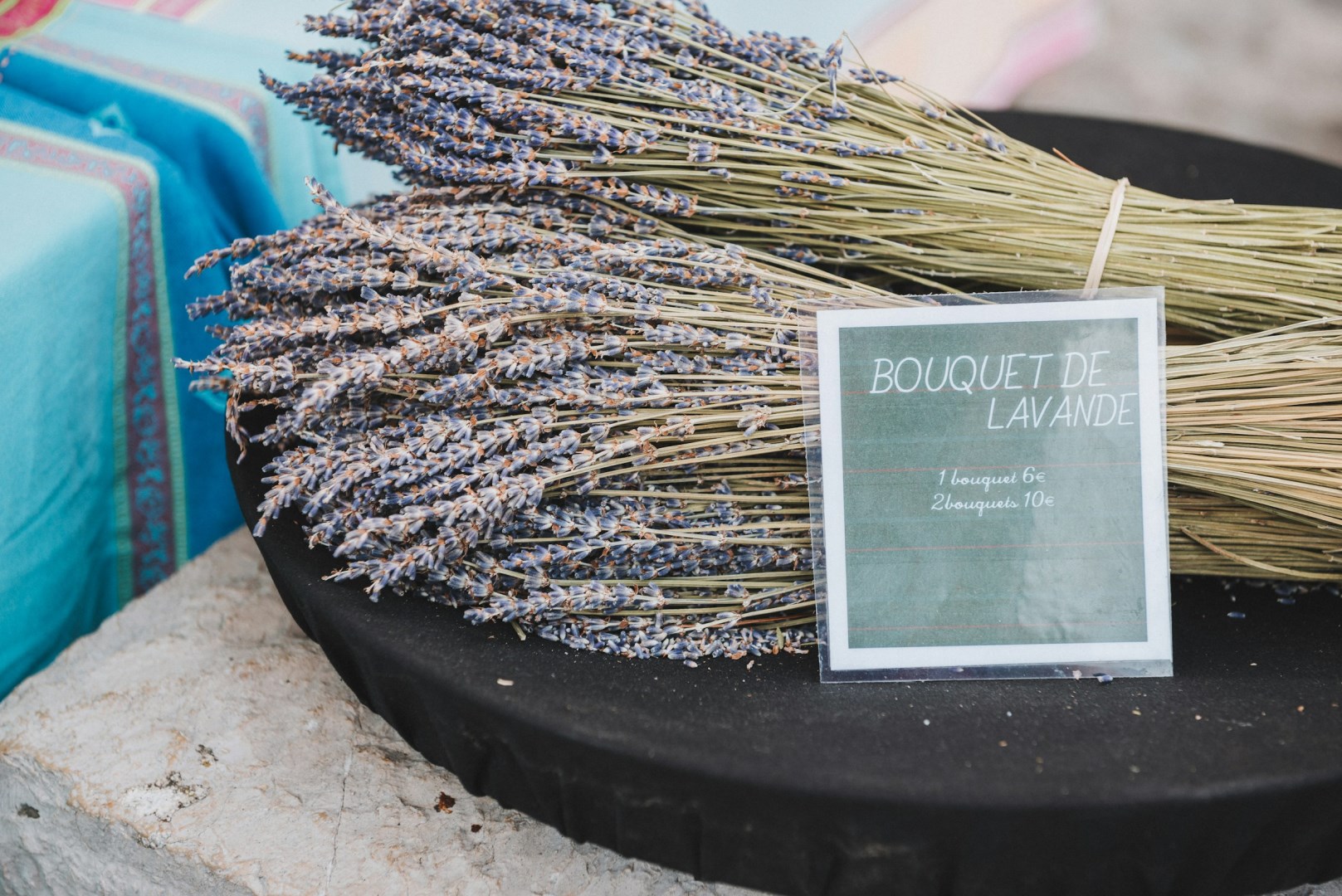
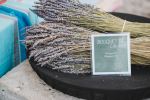
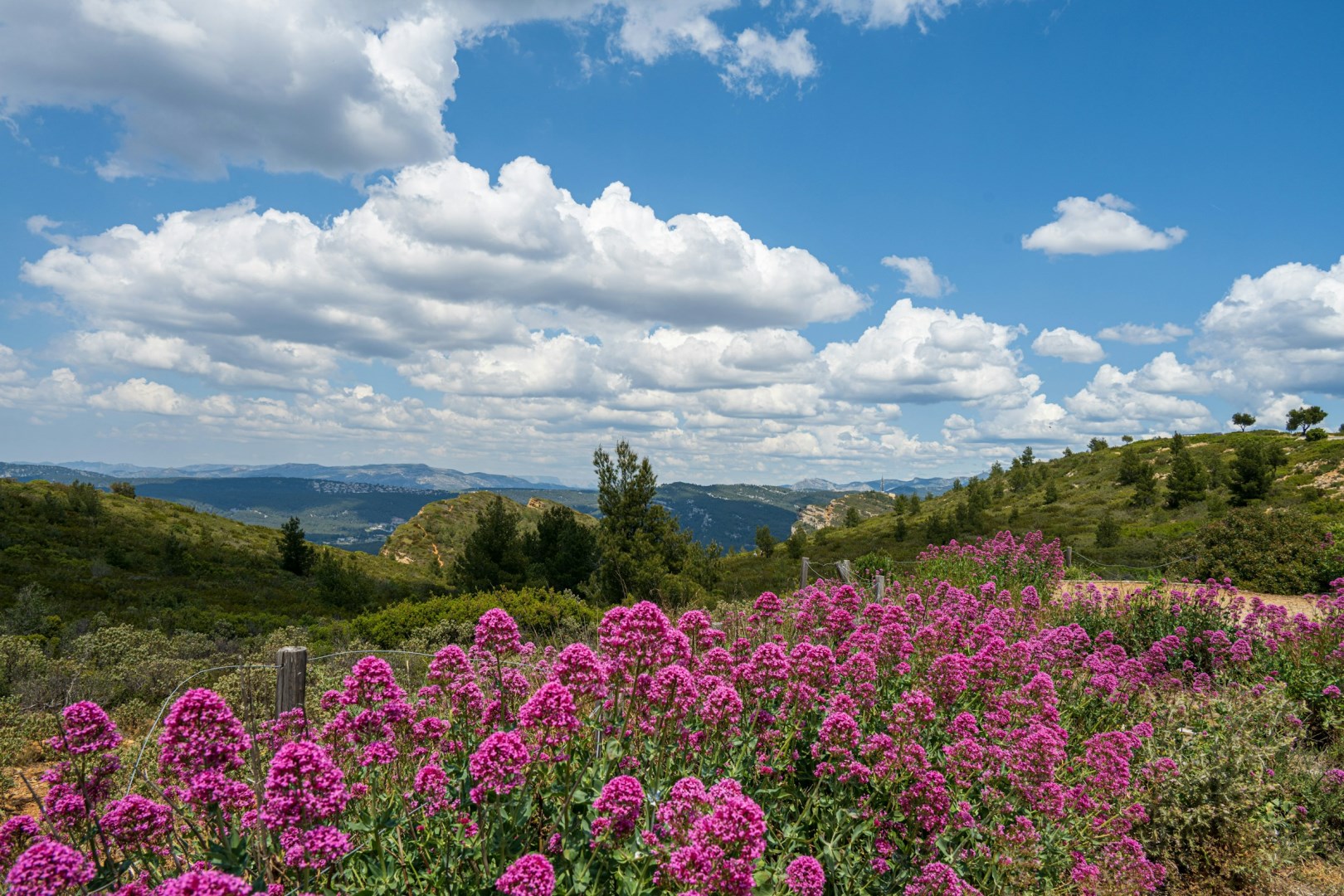
Situated in the French administrative region of Provence-Alpes-Côte d'Azur, Provence is a picturesque delight and one of France's most beloved provinces. Replete with sprawling lavender fields, lush vineyards, cobbled streets, and medieval architecture, Provence will surely capture your heart and mind.
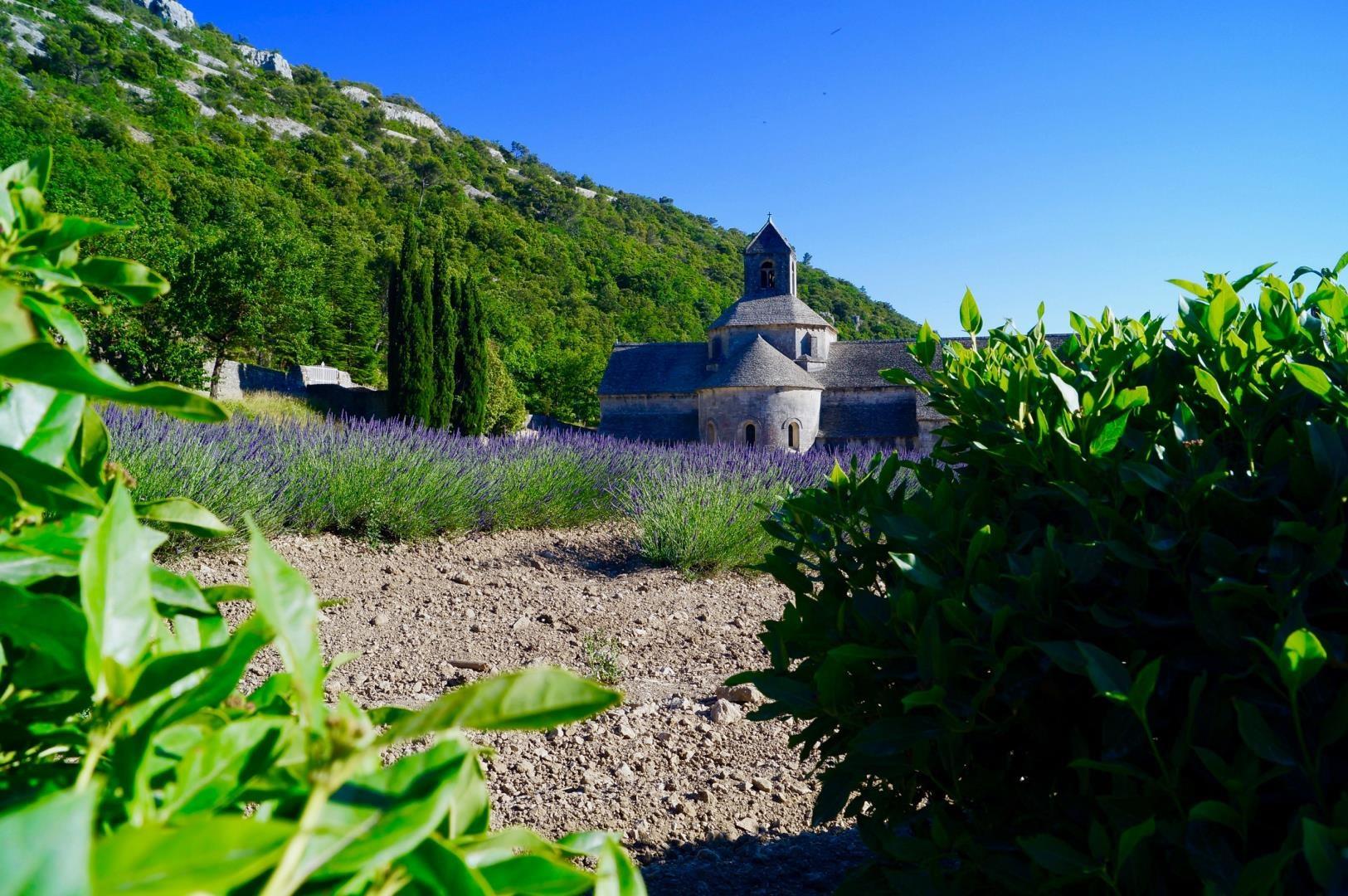
Senanque Abbey is a must-see for any visitor to Provence. Located in the charming village of Gordes, this twelfth-century abbey is surrounded by stunning fields of lavender, with vivid hues of purple that nearly glow in the warm sunlight. The historic Palais des Papes, once the seat of the Avignon papacy, is a UNESCO World Heritage Site whose Gothic walls sit over the city of Avignon in opulent glory.
Venture south of the countryside to the French Riviera, or Côte d'Azur, for a taste of luxury and some of France's finest cuisine. Head to Marseille for fresh seafood and delectable eats, from bouillabaise, to bourride, to tagine. Better yet, whisk yourself away to Cannes or Nice for fine dining and designer shopping.
Provence's natural beauty provides the perfect setting for those who love outdoor activities. The Parc National des Calanques offers challenging hikes surrounded by white limestone formations, well-suited for the adventurous traveler. For a calmer experience, kayak down the Gorges du Verdon and marvel at its steep limestone cliffs and the vibrant turquoise waters of the Verdon River.
From the cosmopolitan coasts of the French Riviera, to the peaceful countryside of Gordes and Uzès, to the winter-white slopes of the Alps, there's something for everyone in Provence.
Other Popular Destinations in France
French Riviera
The French Riviera, or Côte d'Azur, is one of the most iconic and glamorous coastal destinations in the world, attracting visitors from all over the world. Stretching along the southeastern Mediterranean coast of France, it is renowned for its stunning beaches, crystal-clear waters, and picturesque towns such as Nice, Cannes, and Saint-Tropez.
Albi
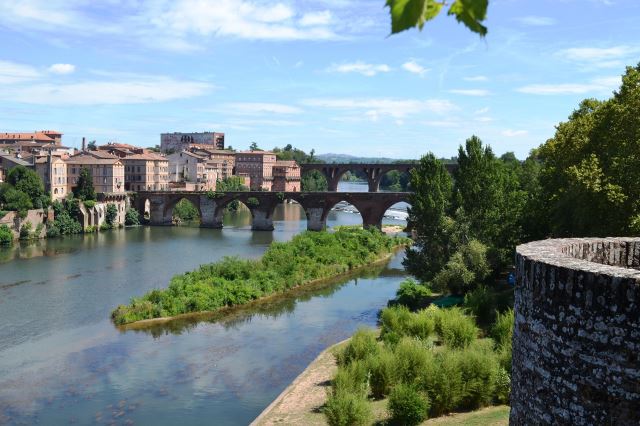
Albi is a city on the River Tarn in southwestern France, known for its distinctive red-brick architecture and compact historic centre. Its Episcopal City, a UNESCO World Heritage Site, brings together the imposing Sainte-Cécile Cathedral, the former Berbie Palace, the Saint-Salvi quarter, and the Pont-Vieux. The city is often called “Albi la rouge” because of the warm tones of its brick buildings.