Wales is a country where centuries-old castles rise above green valleys and coastlines are marked by rugged cliffs and quiet coves. Its capital, Cardiff, combines modern architecture with historical landmarks like Cardiff Castle, which has Roman origins and a Victorian Gothic interior. Just outside the city, St Fagans National Museum of History offers a walk-through experience of Welsh life over the past 500 years, with original buildings relocated from across the country.

Abu Simbel, in southern Egypt near the border with Sudan, is one of the most awe-inspiring archaeological sites of the ancient world. Built during the reign of Pharaoh Ramses II in the 13th century BCE, the twin temples were carved directly into the sandstone cliffs overlooking the Nile. The Great Temple, with its four colossal statues of Ramses II seated at the entrance, was designed not only to honor the pharaoh but also to project his power to neighboring Nubia.
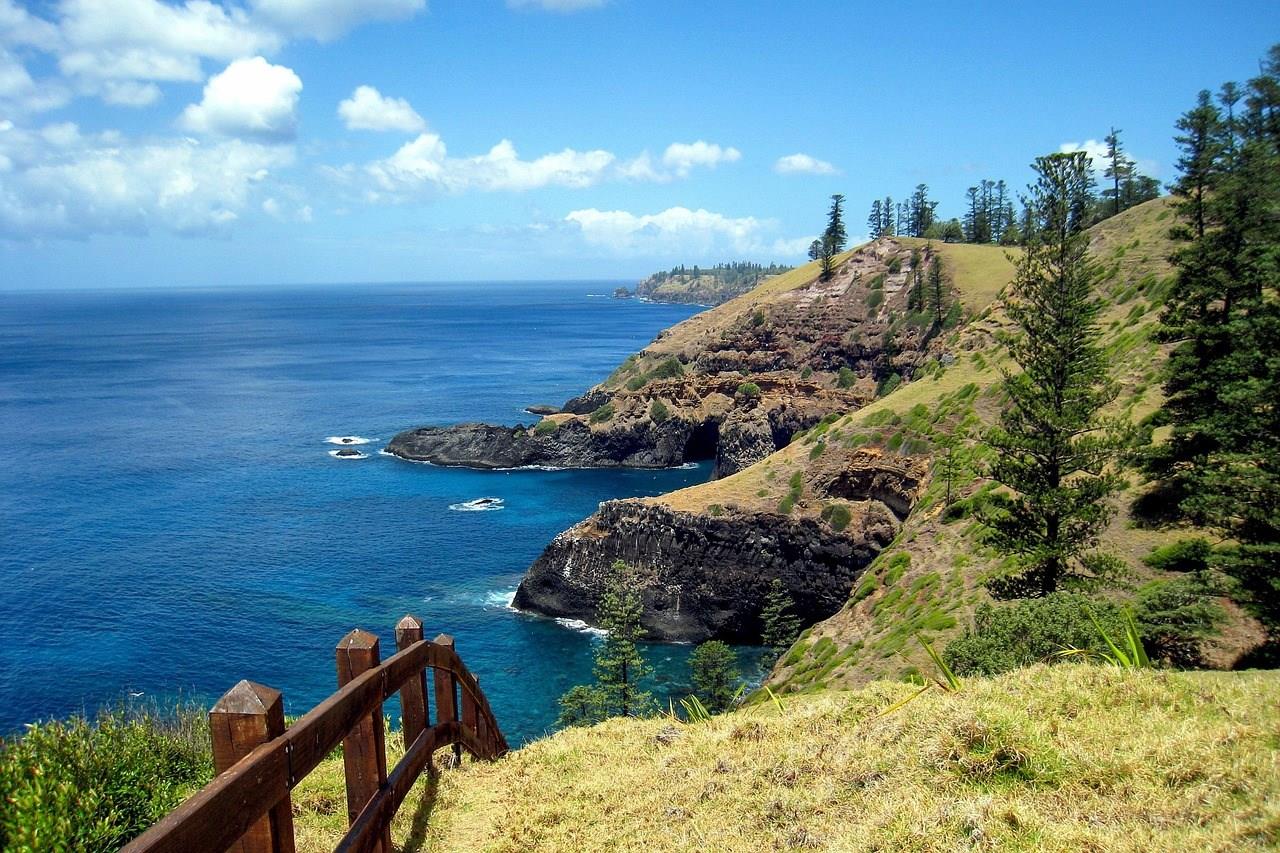
Norfolk Island may be small but it carries a story that spans centuries. Located in the South Pacific between Australia, New Zealand, and New Caledonia, the island is a fascinating blend of Polynesian roots, British convict history, and Pitcairn Island culture. Today, visitors can walk through one of the best-preserved penal settlements in the world at Kingston, where stone ruins and restored Georgian buildings stand against a backdrop of green hills and the open sea.
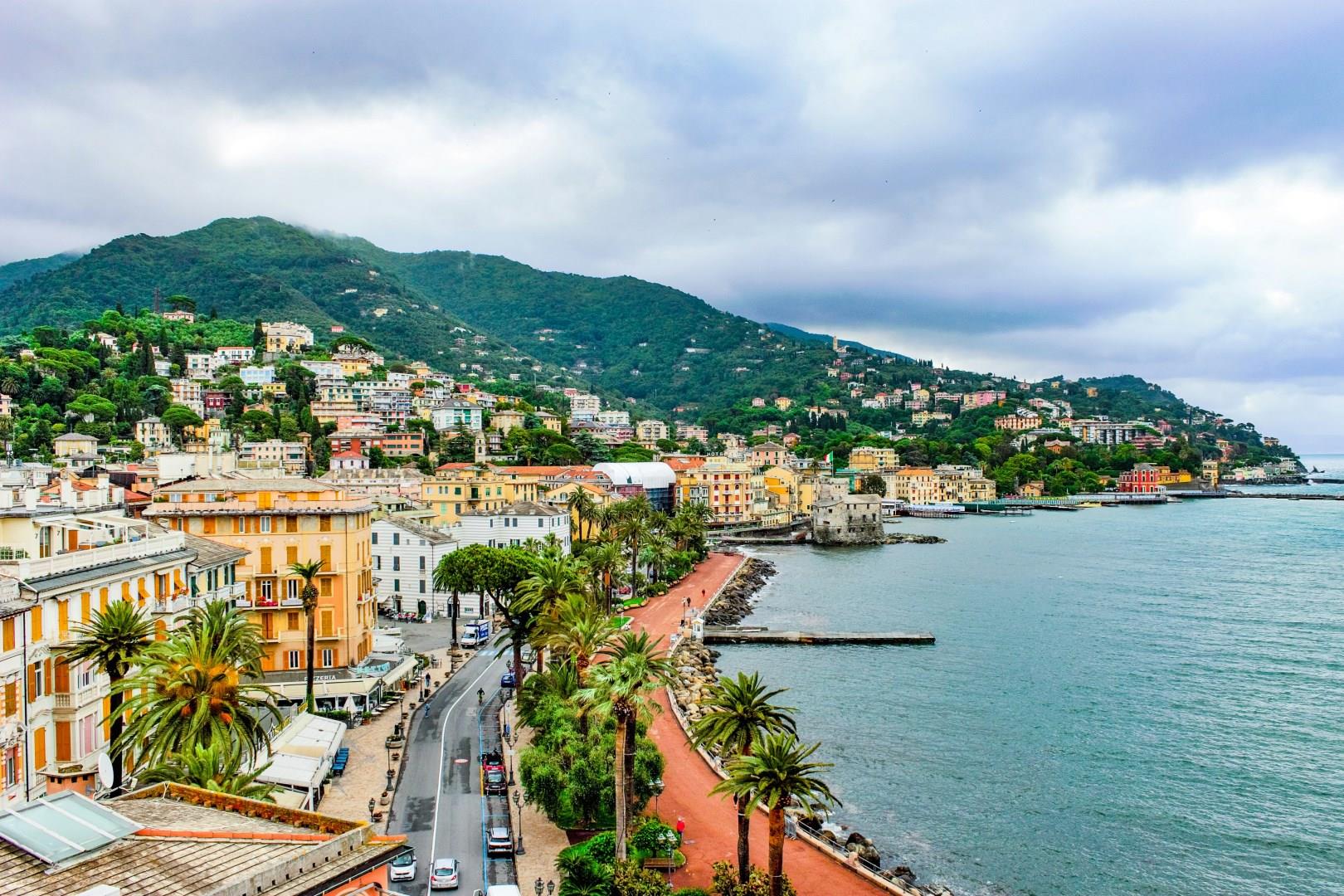
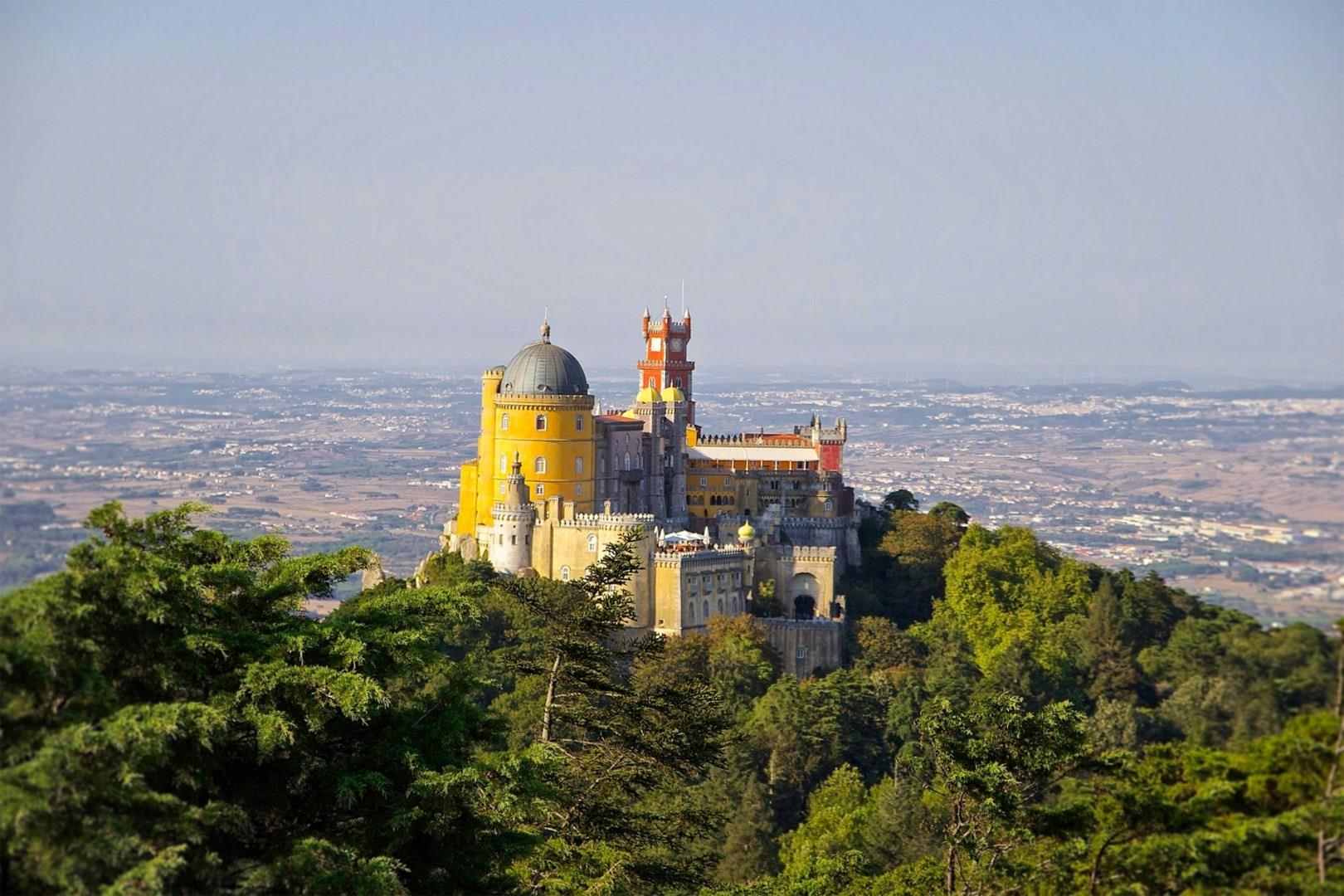
Sintra, located just 40 minutes from Lisbon, feels like a world apart. Tucked into the hills of the Serra de Sintra, this town has drawn kings, poets, and explorers for centuries. It was once the summer retreat of Portuguese royalty, who left behind palaces and gardens that seem pulled from a storybook. The most famous, Palácio da Pena, is perched high above the town with bold red and yellow towers that blend Romanticism with Moorish and Gothic styles.
Photo Credit: Photo by Sébastien Jermer on Unsplash
Photo Credit: Photo by Johnny Africa on Unsplash
Photo Credit: Photo by Anastasiia Chepinska on Unsplash
Photo Credit: Photo by Ben Michel on Unsplash
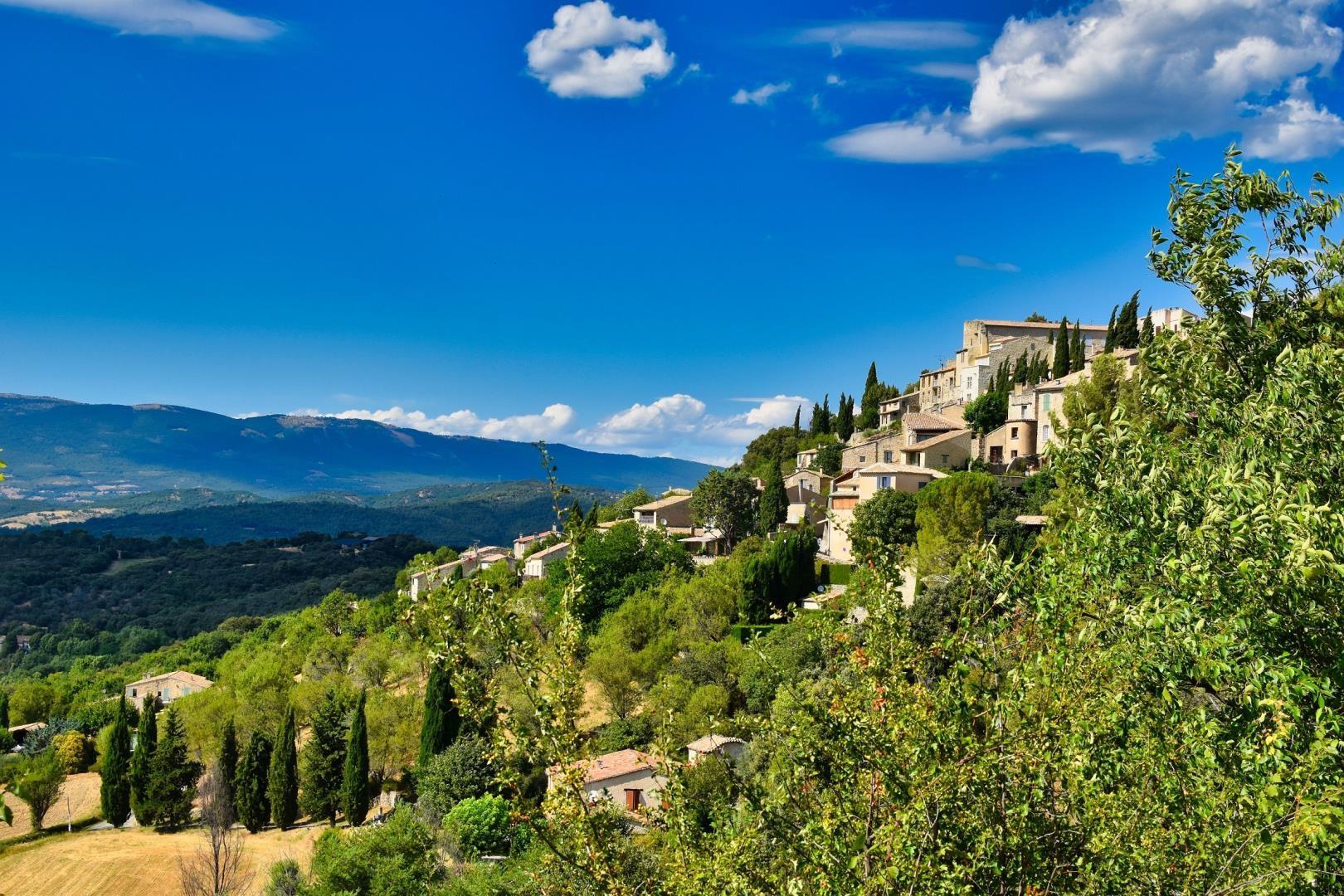
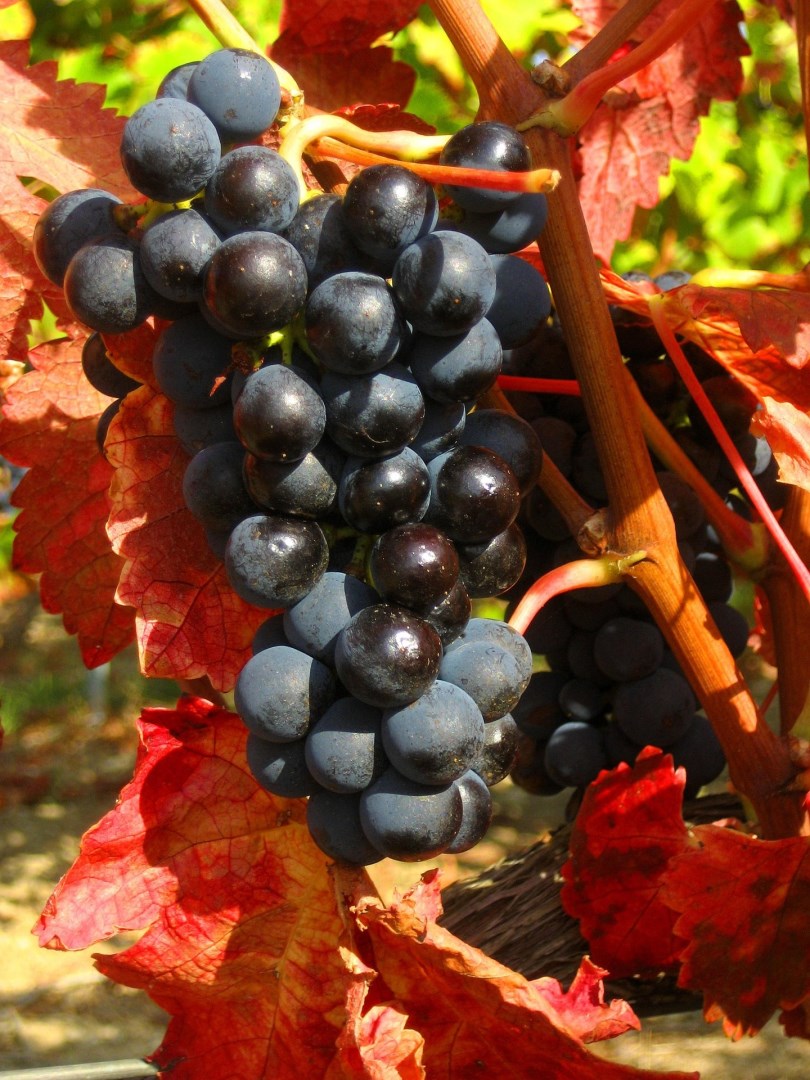
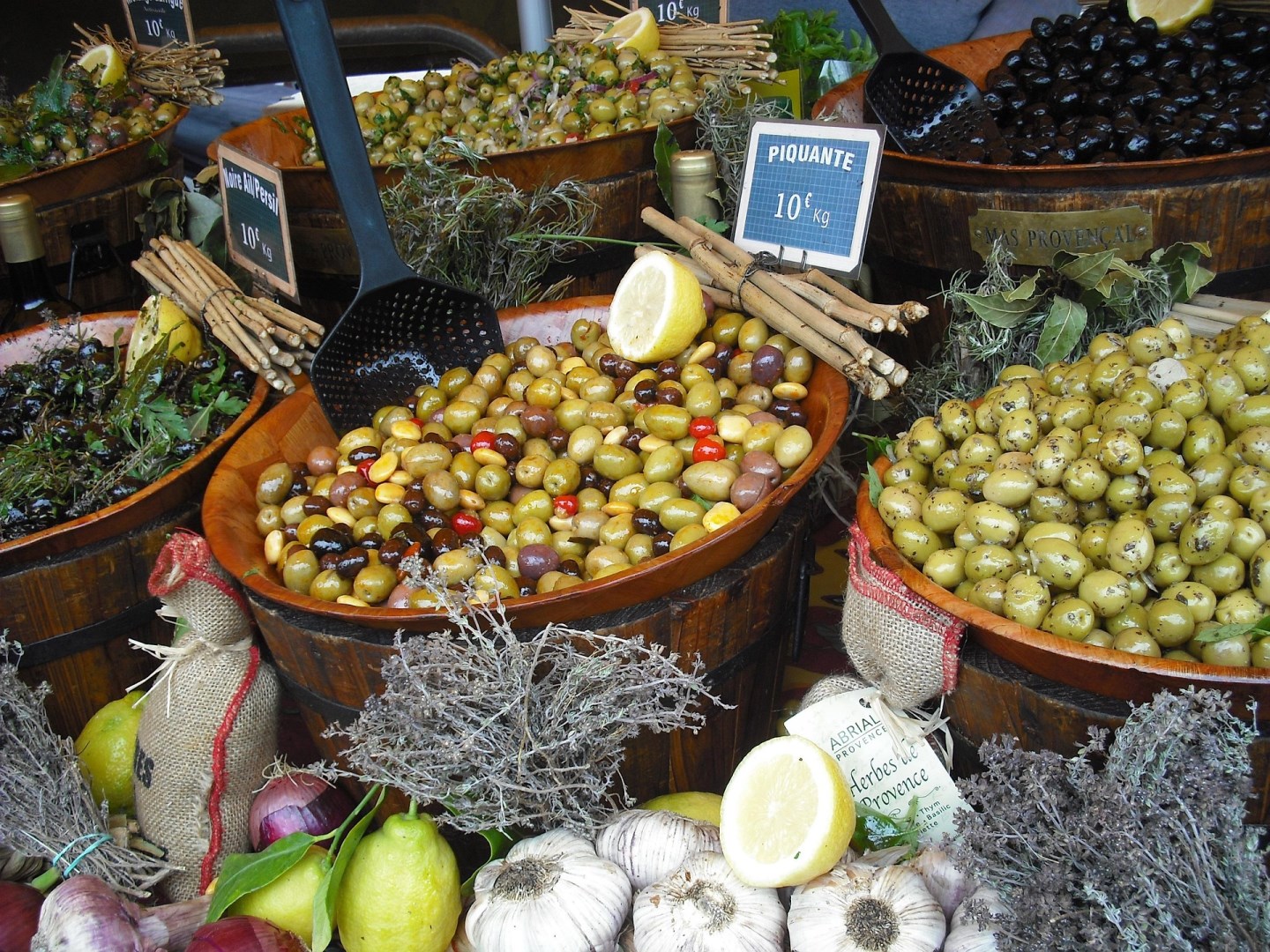
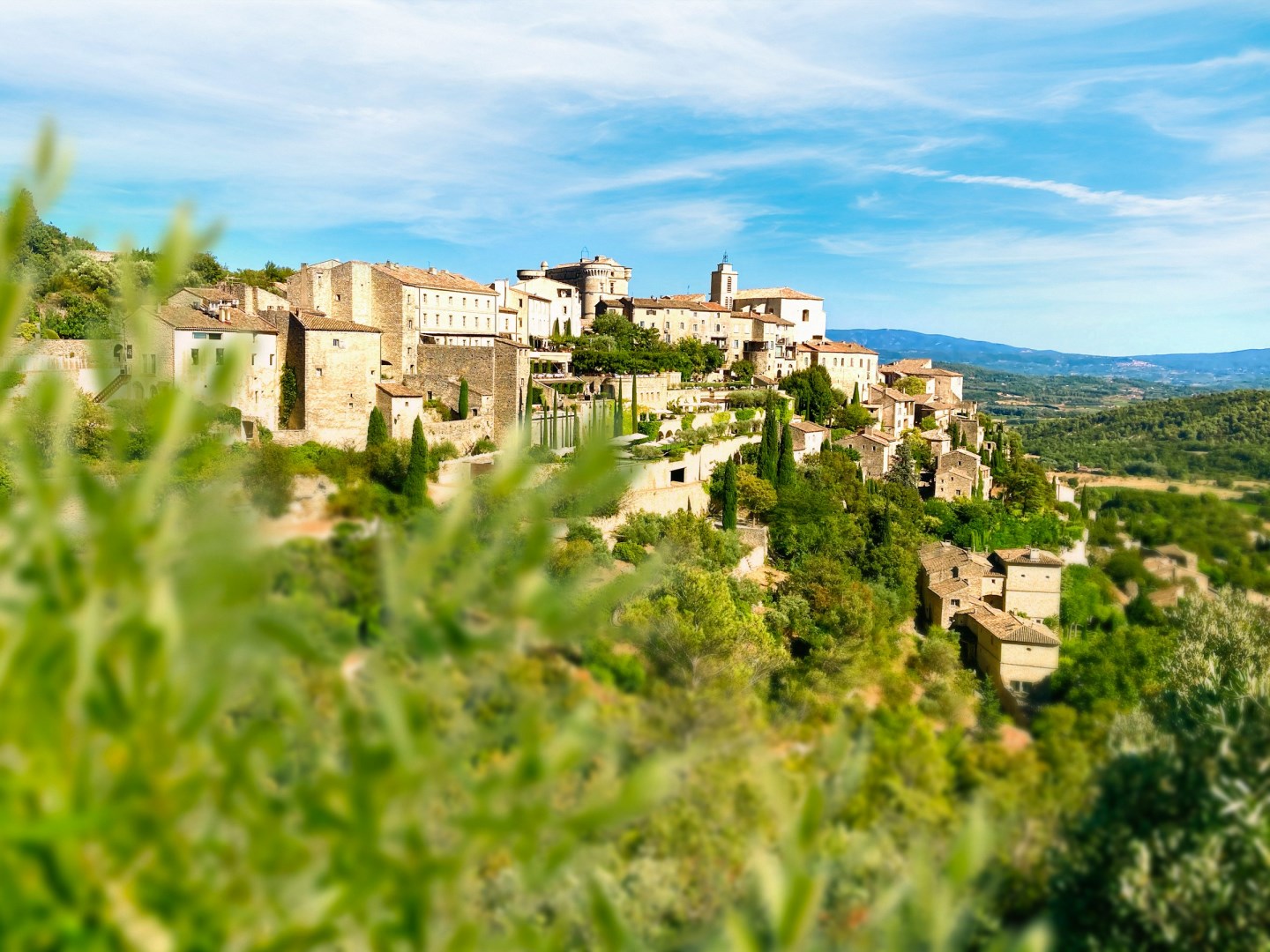
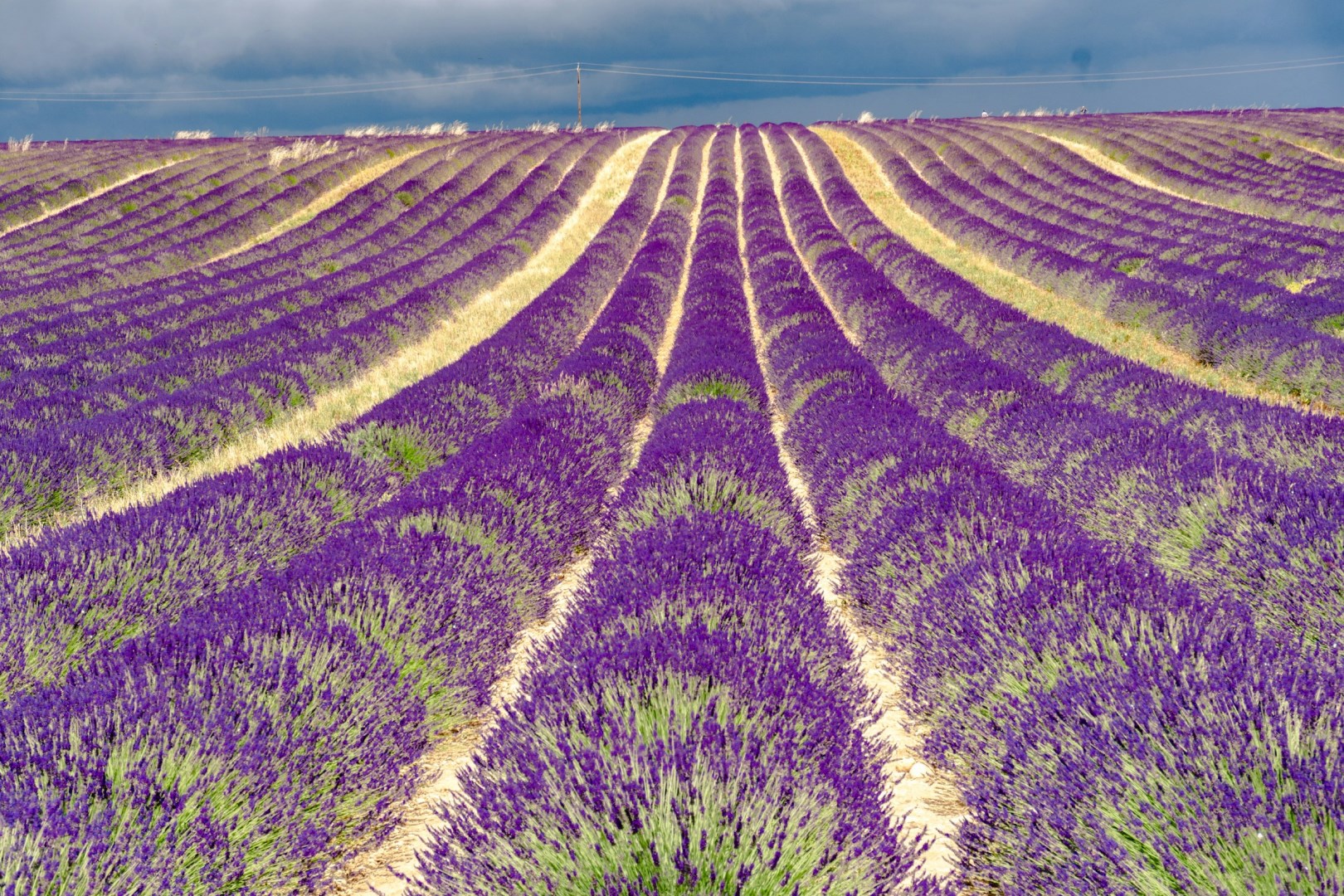
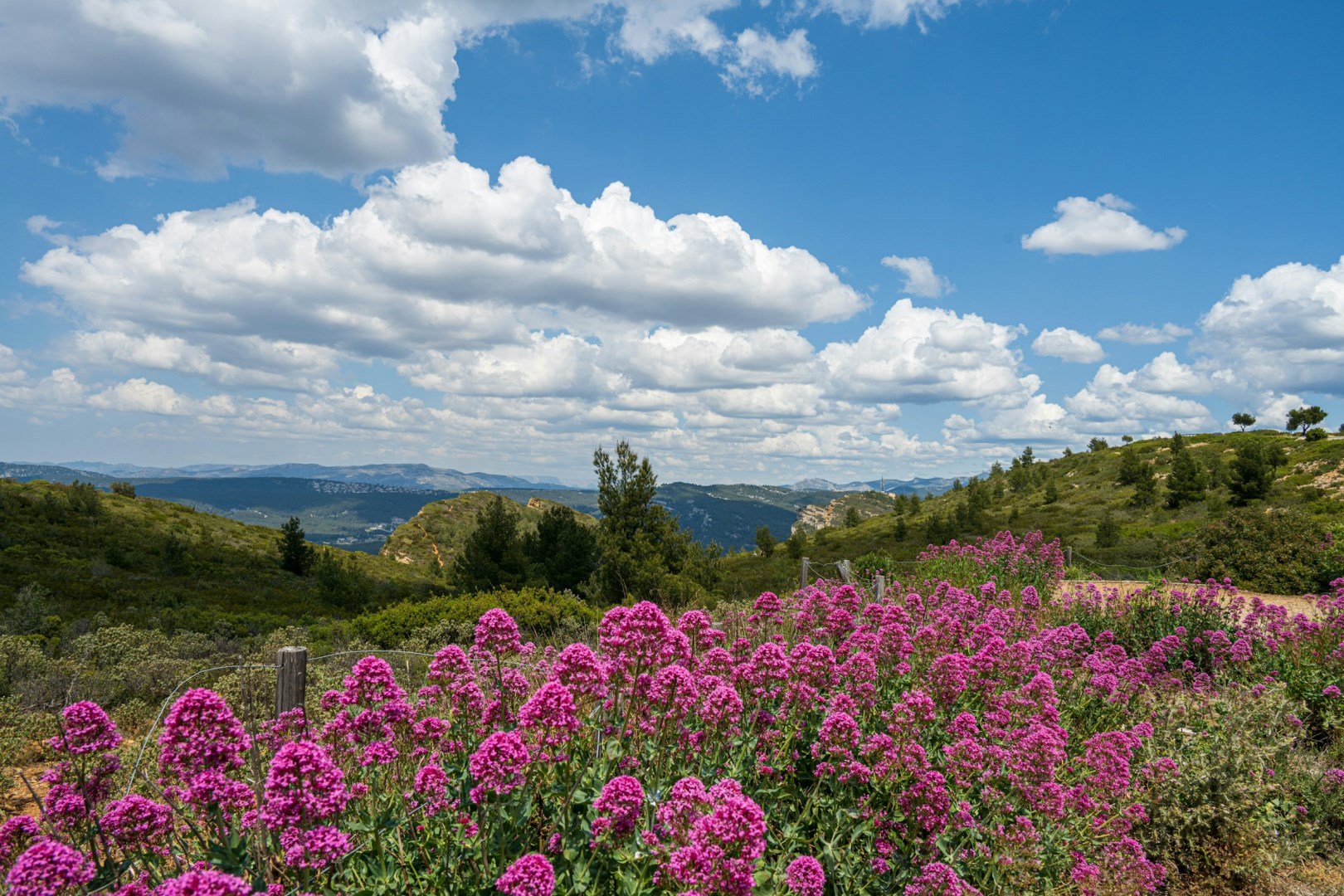
Situated in the French administrative region of Provence-Alpes-Côte d'Azur, Provence is a picturesque delight and one of France's most beloved provinces. Replete with sprawling lavender fields, lush vineyards, cobbled streets, and medieval architecture, Provence will surely capture your heart and mind.
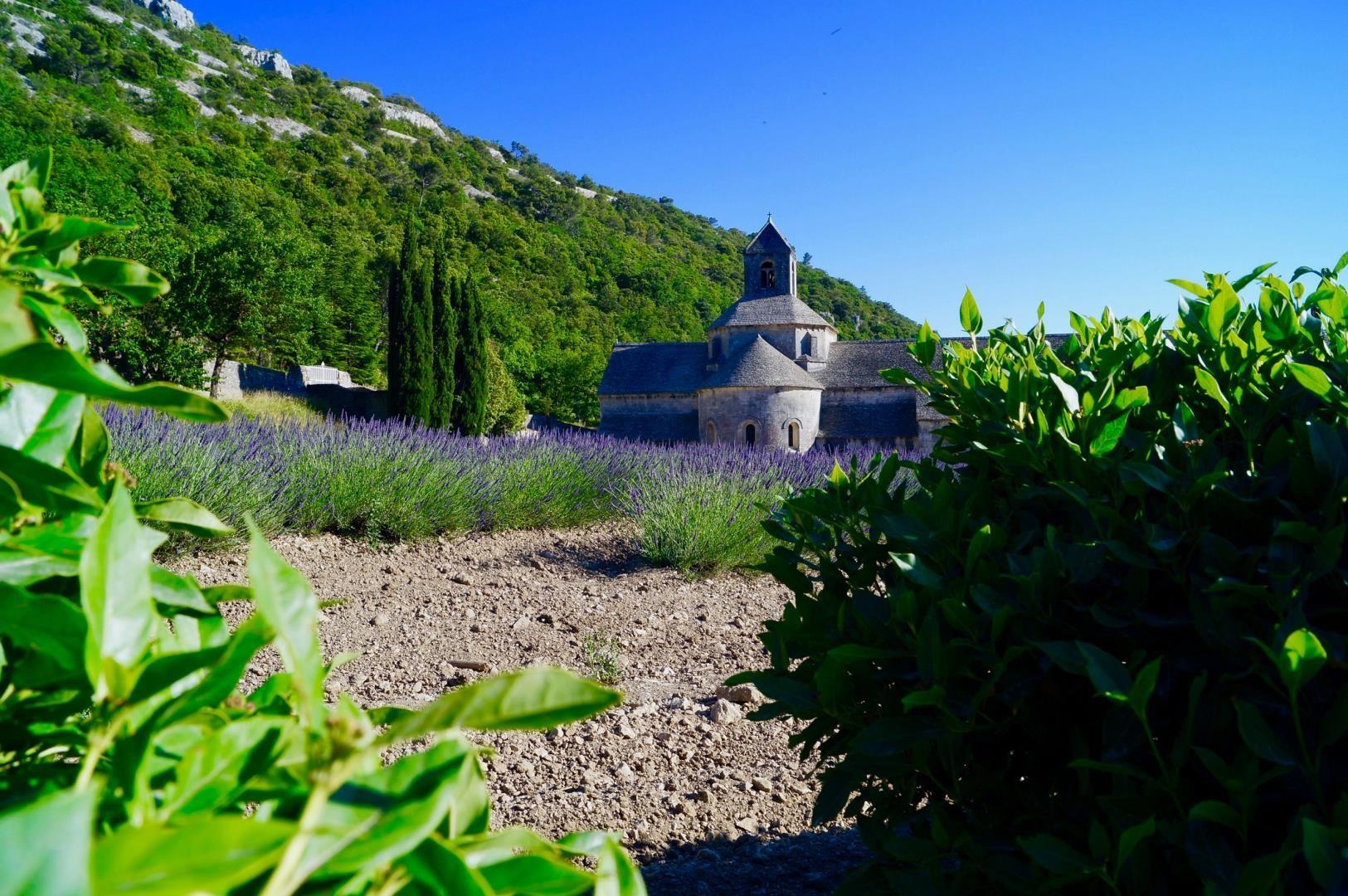
Senanque Abbey is a must-see for any visitor to Provence. Located in the charming village of Gordes, this twelfth-century abbey is surrounded by stunning fields of lavender, with vivid hues of purple that nearly glow in the warm sunlight. The historic Palais des Papes, once the seat of the Avignon papacy, is a UNESCO World Heritage Site whose Gothic walls sit over the city of Avignon in opulent glory.
Venture south of the countryside to the French Riviera, or Côte d'Azur, for a taste of luxury and some of France's finest cuisine. Head to Marseille for fresh seafood and delectable eats, from bouillabaise, to bourride, to tagine. Better yet, whisk yourself away to Cannes or Nice for fine dining and designer shopping.
Provence's natural beauty provides the perfect setting for those who love outdoor activities. The Parc National des Calanques offers challenging hikes surrounded by white limestone formations, well-suited for the adventurous traveler. For a calmer experience, kayak down the Gorges du Verdon and marvel at its steep limestone cliffs and the vibrant turquoise waters of the Verdon River.
From the cosmopolitan coasts of the French Riviera, to the peaceful countryside of Gordes and Uzès, to the winter-white slopes of the Alps, there's something for everyone in Provence.
Other Popular Destinations in France
Paris
France's capital and most populated city, Paris is an alluring destination and an essential stop for any global traveler. A center of fashion, gastronomy, and the arts. Major tourist attractions in the City of Lights include the Eiffel Tower (such great heights!), the Louvre (home of the Mona Lisa and Venus de Milo), the Arc de Triomphe, and Grand Palais.
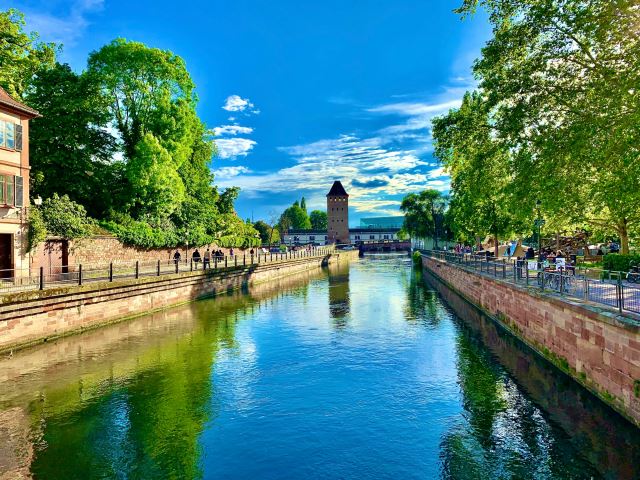
Strasbourg
This vibrant and picturesque city sits near the German border and is the 2nd most popular tourist city in France. Its historic city center is classified a World Heritage Site by UNESCO, and the Stasbourg Cathedral is one of the finest examples of Rayonnant Gothic architecture.