Dambulla
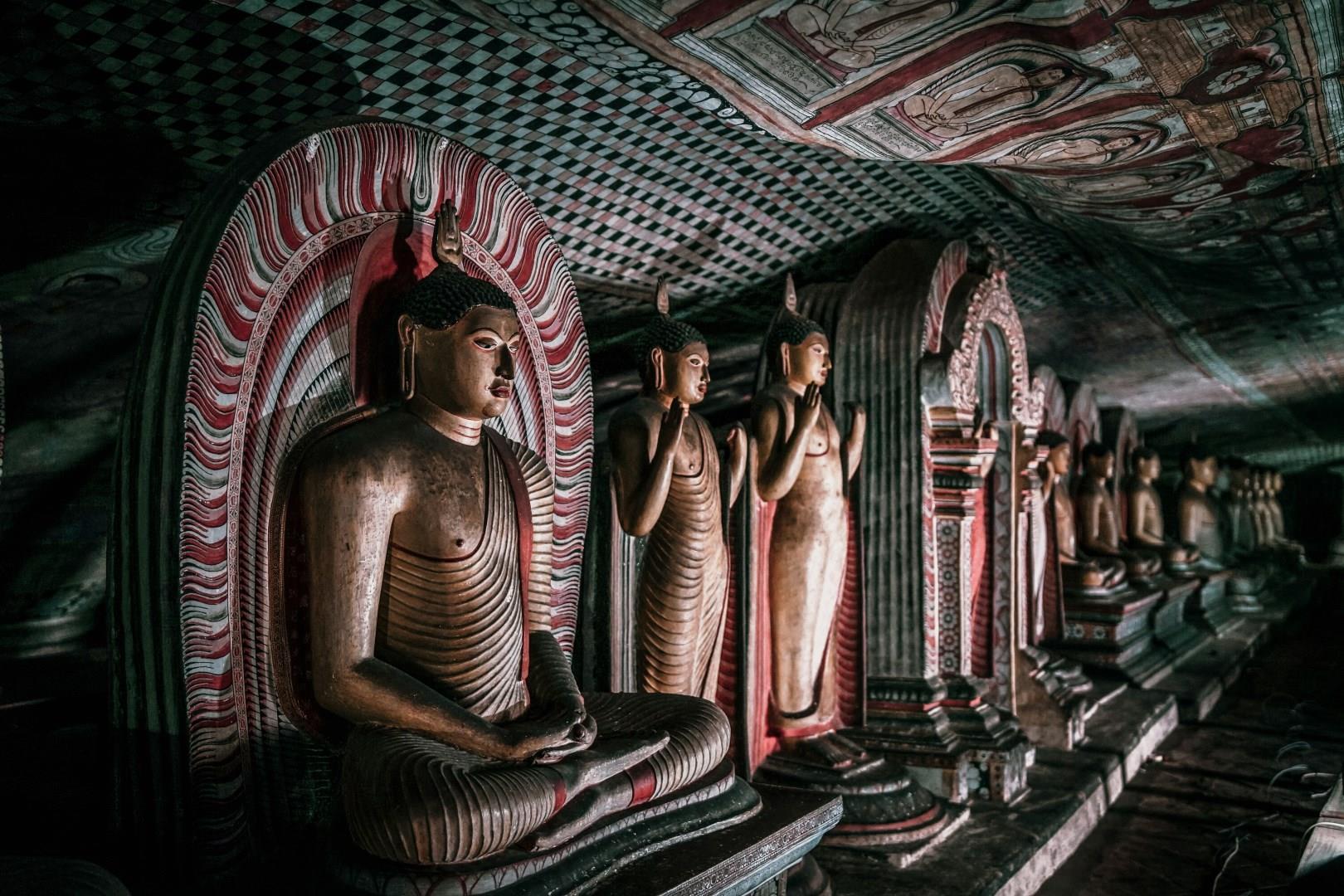
Dambulla, situated in the Central Province of Sri Lanka, is best known for its rock temple complex that has been in use for over two thousand years. The Dambulla Cave Temple, also called the Golden Temple of Dambulla, is made up of five caves carved into a granite outcrop, filled with over 150 Buddha statues and intricate wall paintings. These caves were first used by King Valagamba in the 1st century BCE as a refuge during exile, and later transformed into a sacred site.

Ljubljana
Ljubljana, Slovenia's charming capital, offers a delightful blend of historical allure and modern vibrancy. Nestled along the Ljubljanica River, this picturesque city invites visitors to explore its well-preserved medieval architecture and vibrant cultural scene. At the heart of Ljubljana is the iconic Ljubljana Castle, perched on a hilltop with stunning panoramic views of the city.
Tula
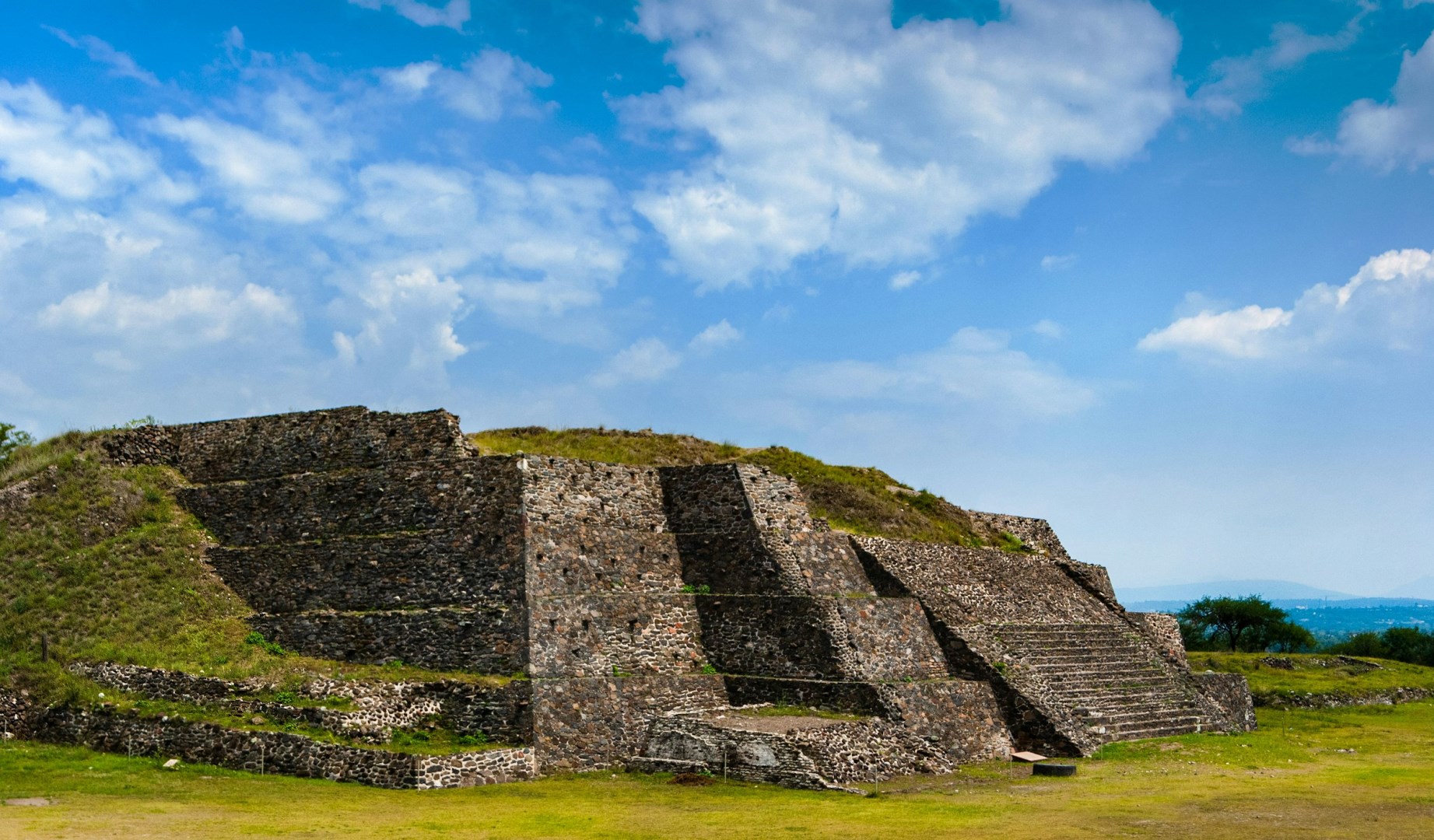
This Mesoamerican archaeological site was an important regional center and capital of the Toltec Empire between the fall of Teotihuacan and the rise of Tenochtitlan. Tula contains many impressive sights, including the basalt columns carved in the shape of Toltec warriors on the Pyramid of Quetzalcoatl.
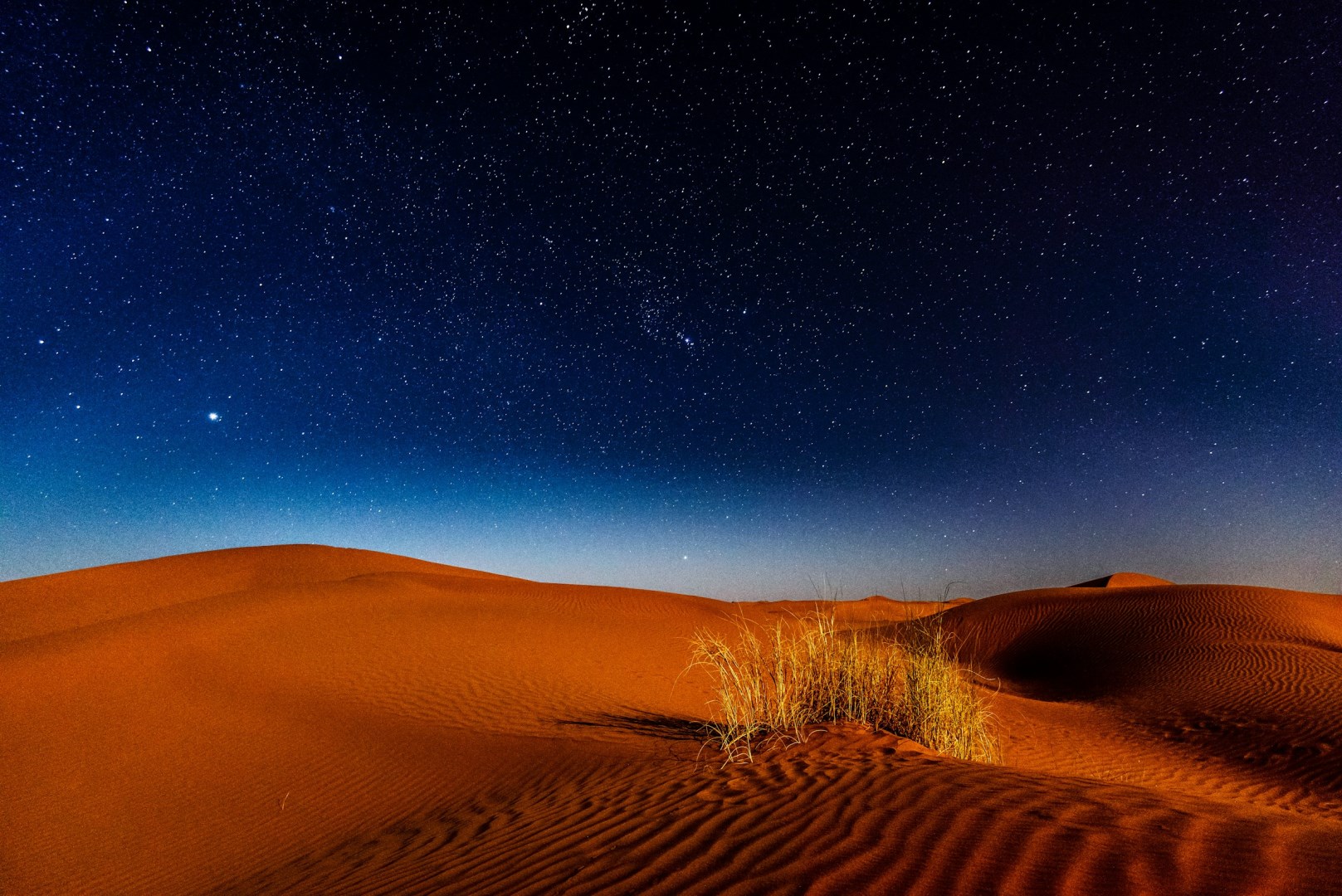
Western Sahara
Western Sahara, (formerly Spanish Sahara), northwestern Africa, former overseas province of Spain partitioned in 1976 between Mauritania and Morocco, and since 1979, occupied entirely by Morocco.
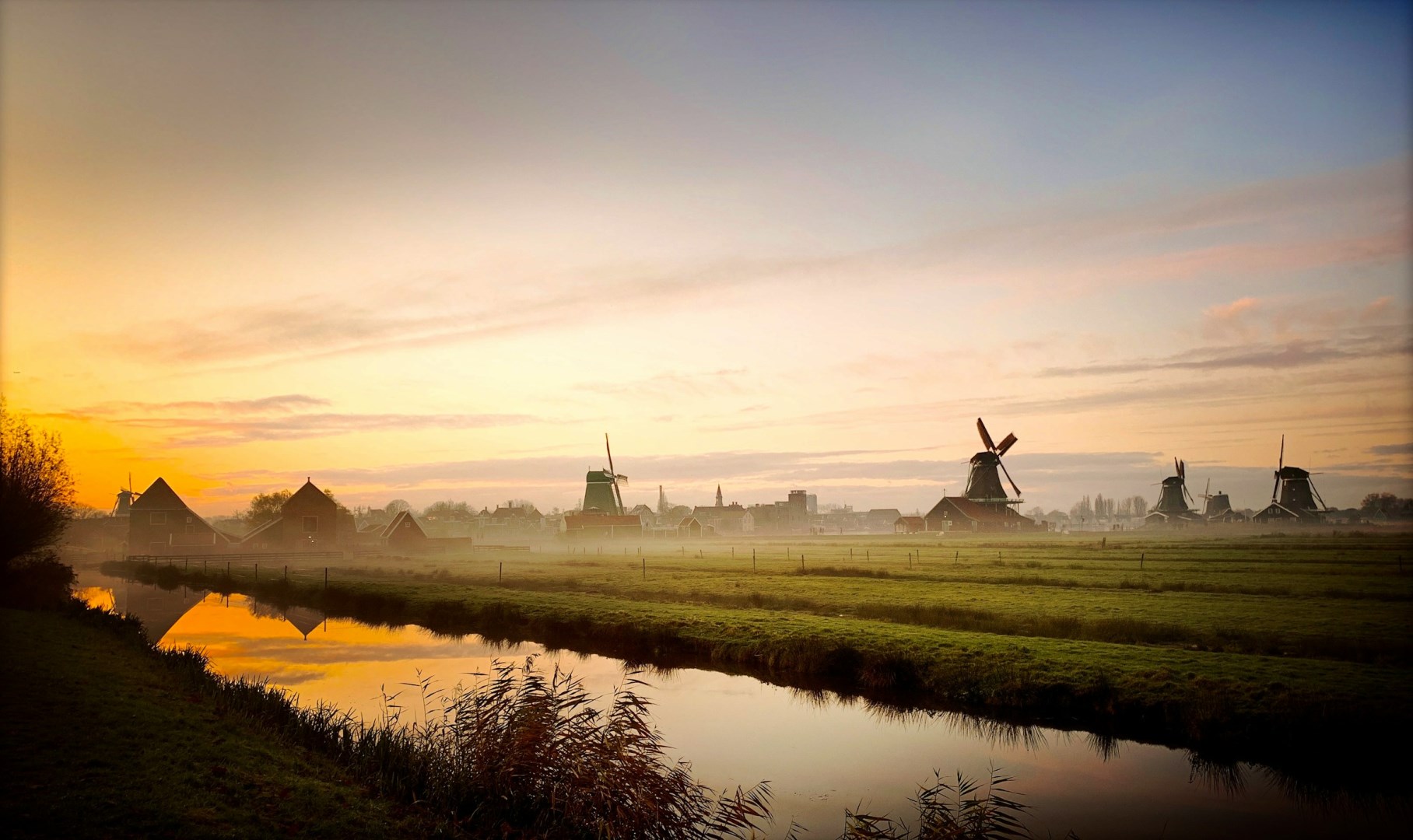
Zaandam
Zaandam is a city in North Holland, situated along the Zaan River just north of Amsterdam. Its identity is closely connected to the waterways, windmills, timber construction, and industrial activity that shaped the wider Zaan region. The city center combines historic streets and canals with contemporary architecture, including the distinctive Inntel Hotel, whose façade is formed from stacked versions of traditional Zaan houses.