Kamakura
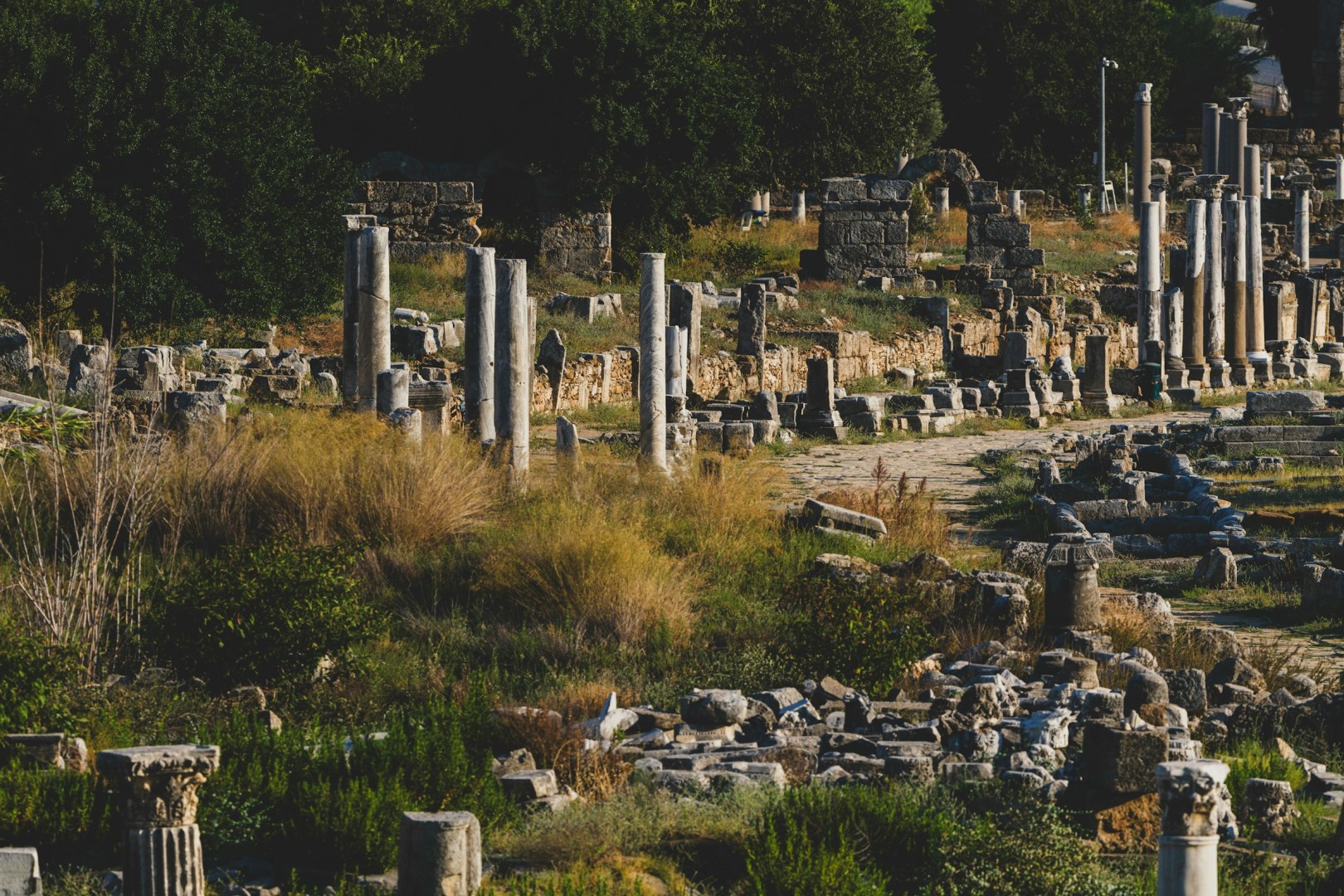
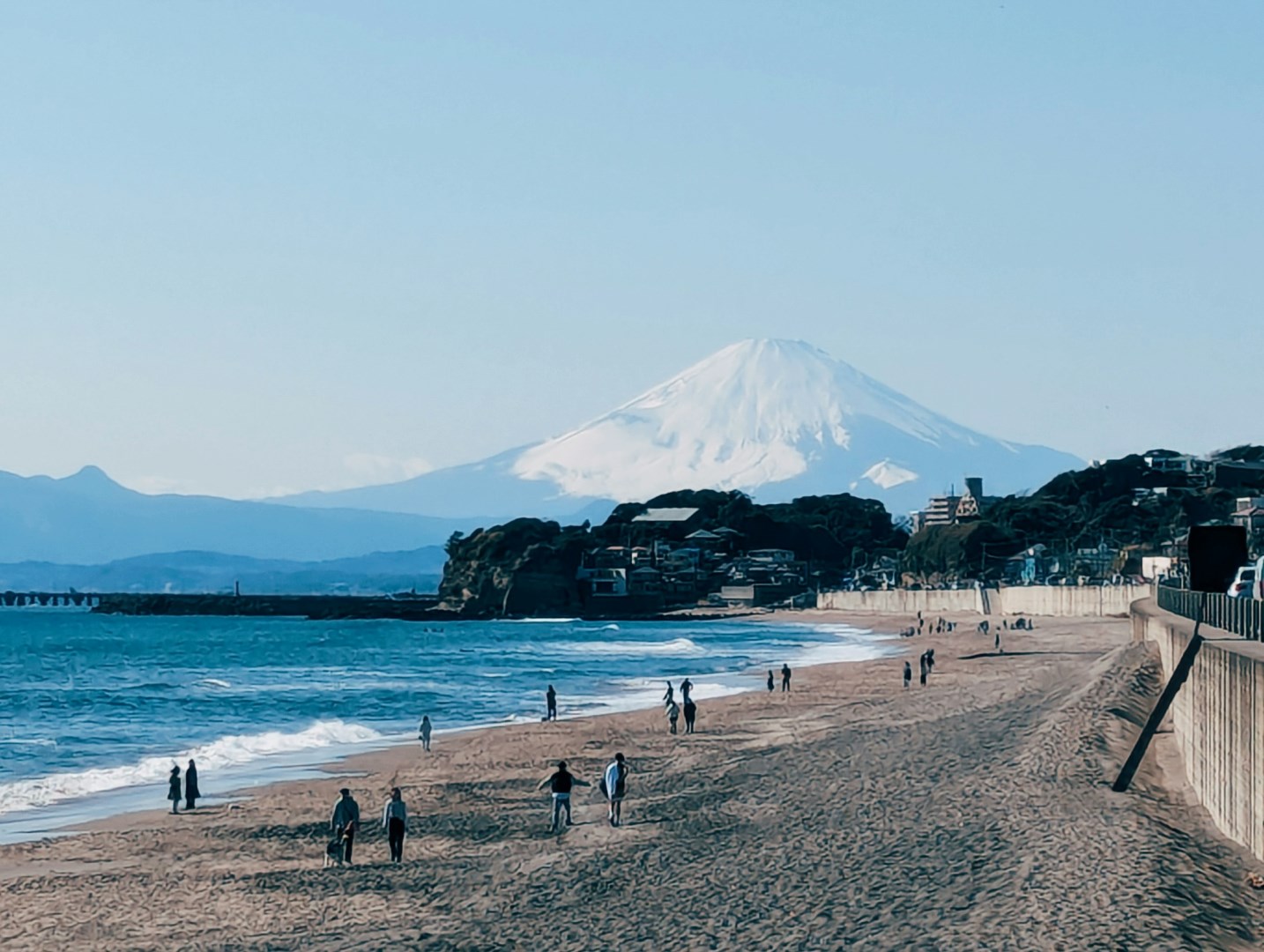
Although the city proper is rather small, Kamakura's coastal location and many seasonal festivals, as well as various shrines and temples, make it a popular destination for tourists. The city also offers several wooded hiking trails that connect some of its historic sites. Another unique feature of Kamakura is its "Seven Entrances," the only ways to access this natural fortress before the construction of modern roads and tunnels.
Anegada
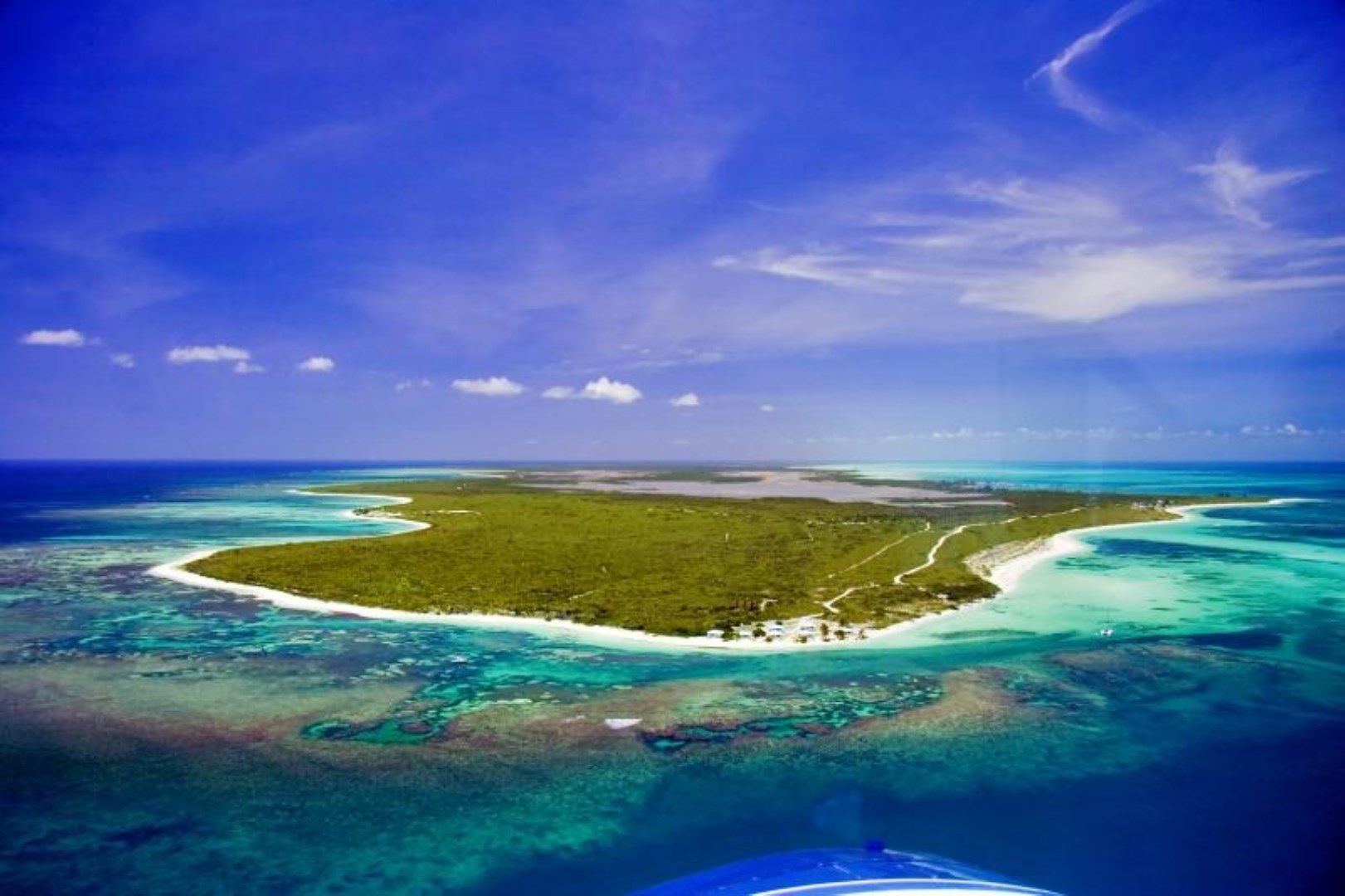
The only coral island in the archipelago, Anegada is one of the British Virgin Islands and best known for its secluded beaches, extensive salt ponds, and nearly flat elevation which gave rise to the name Tierra Anegada, Spanish for "flooded land."

Portugal
Portugal offers a layered experience shaped by maritime history, deep-rooted traditions, and a coastline that stretches for nearly 1,800 kilometers. In Lisbon, the streets of Alfama wind uphill toward São Jorge Castle, where views of red-tiled rooftops and the Tagus River reveal how the city was rebuilt after the 1755 earthquake. Trams still clatter through narrow streets, and fado music, often performed in candlelit taverns, tells stories of longing and the sea.

Denali National Park
Denali National Park and Preserve is an adventurer’s paradise! This scenic landscape and arctic tundra in the Alaska wilderness is one of the country’s most beautiful national parks, and with over six millions acres of land, the park offers plenty of exhilarating activities, breathtaking hikes, and majestic sights, all of which will leave you in awe.
Yala National Park
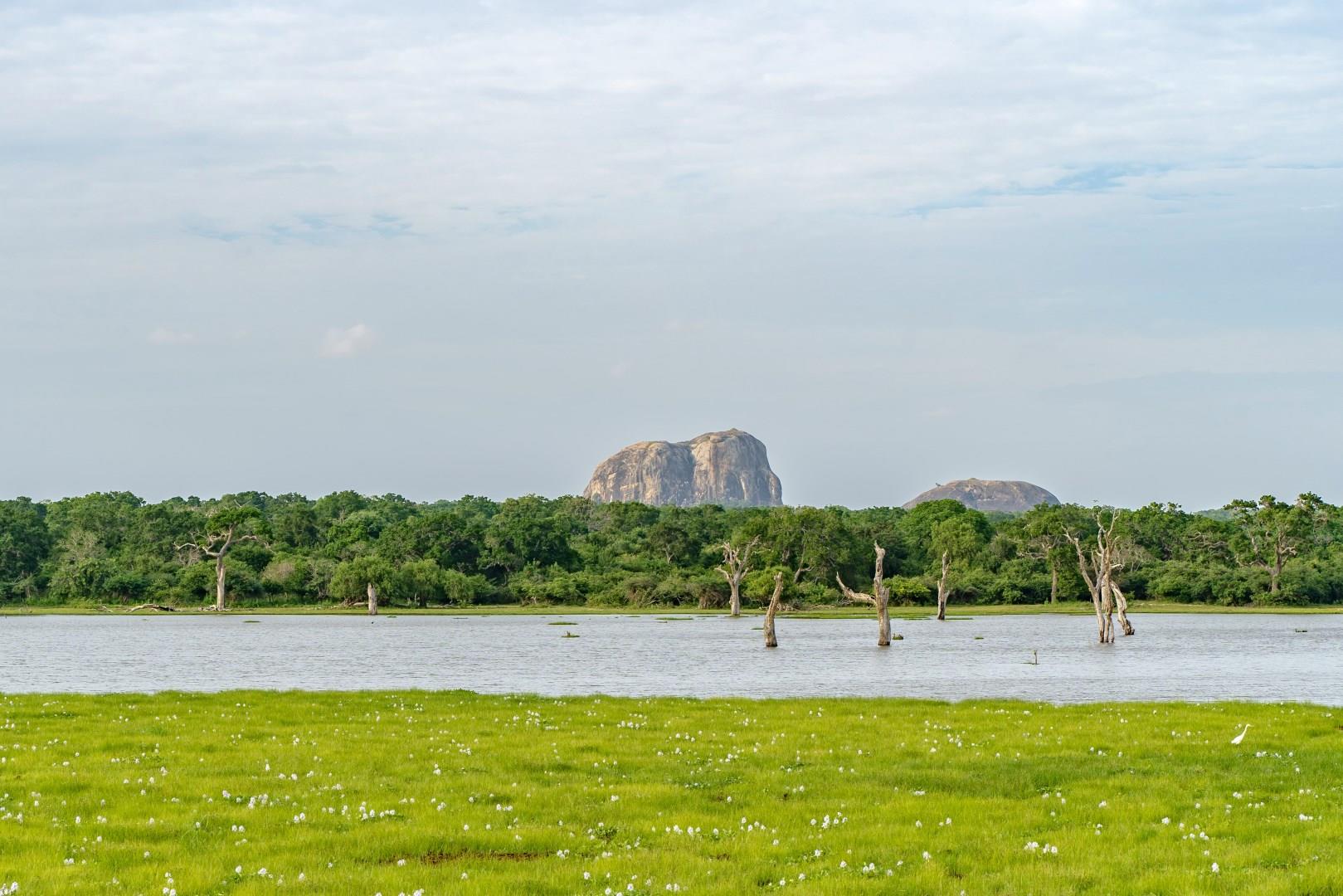
Yala National Park sprawls across Sri Lanka’s southeast, where dry plains meet lagoons and the Indian Ocean’s shoreline. It is one of the country’s oldest protected areas, first set aside as a wildlife reserve in 1900 and later declared a national park in 1938, and today invites travelers to see life thrive in a wide range of landscapes, from scrubland to sandy beaches.