York
York, England, is a city where over 2,000 years of history comes to life. Originally founded by the Romans in 71 AD as Eboracum, York has witnessed the rise and fall of empires, from the Vikings to the Normans. Today, the city retains its medieval charm, with its historic York Minster, one of the largest Gothic cathedrals in Northern Europe, standing proudly as its centerpiece.

Bolivia
Bolivia is a country where altitude meets attitude high in the Andes with rich traditions that stretch back thousands of years. Its capital, La Paz, sits in a bowl-shaped valley surrounded by jagged peaks, making it one of the highest cities in the world. Cable cars glide over the city’s rooftops, linking markets, museums, and neighborhoods in a way that doubles as both transport and sightseeing. From here, visitors can easily reach the Moon Valley.
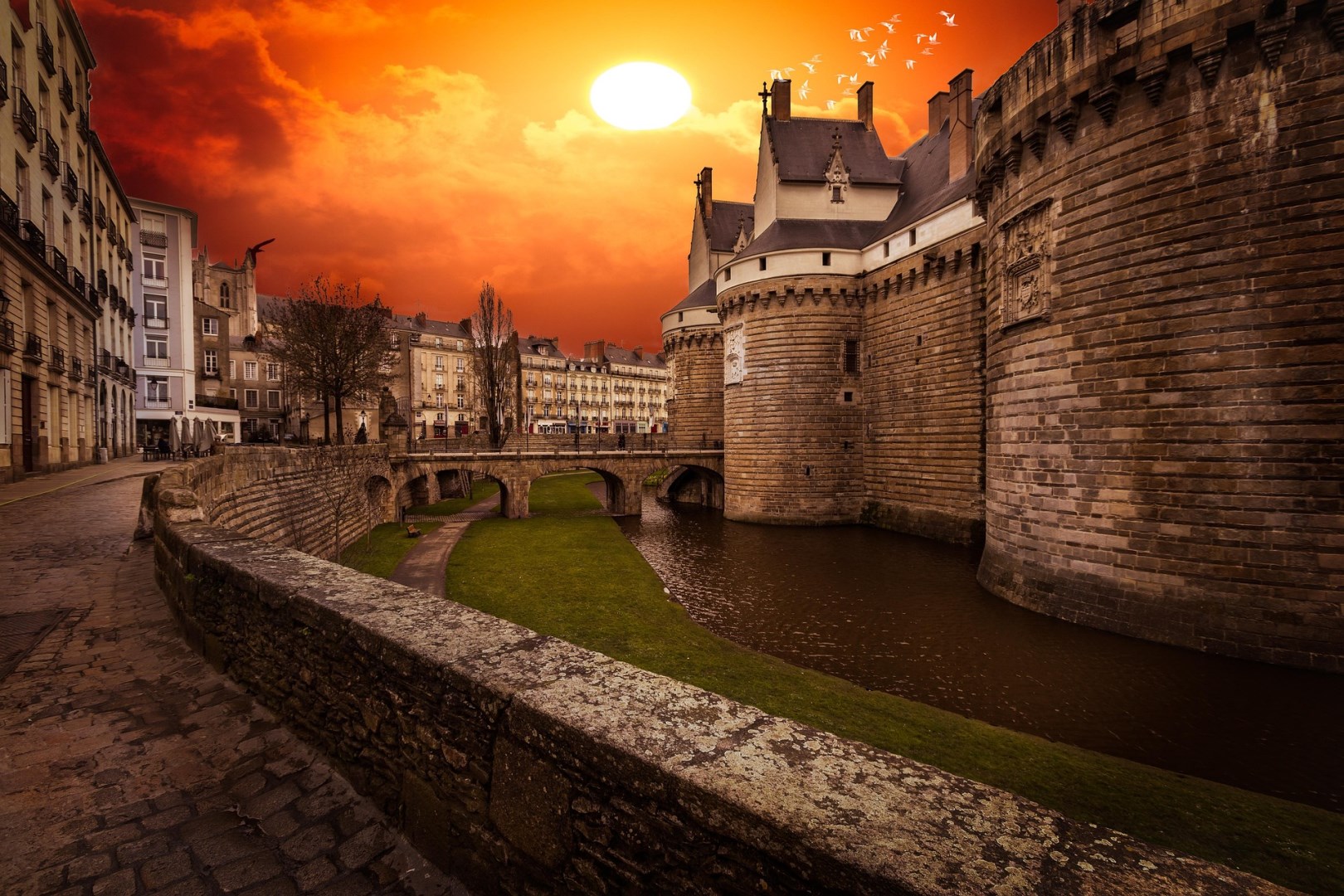
Nantes
Nantes, situated on the banks of the Loire River in western France, is a vibrant city known for its rich history, creative energy, and dynamic cultural scene.
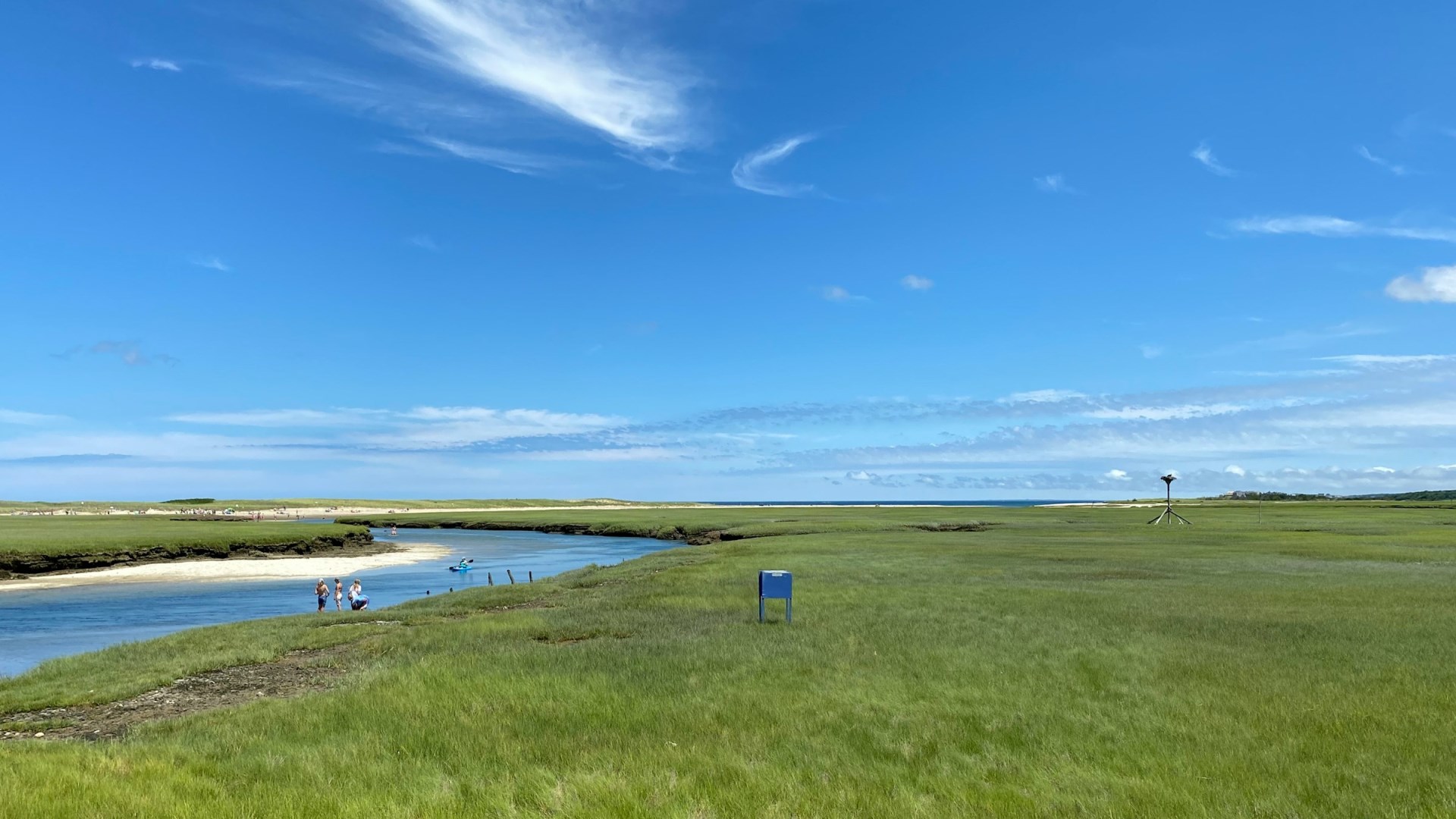
Sandwich
Sandwich, Massachusetts, occupies the Upper Cape near the eastern end of the Cape Cod Canal and is recognized as the oldest town on Cape Cod. Its historic center combines colonial-era homes, a village common, small shops, galleries, and landmarks around Shawme Pond. The town extends from inland woodlands and freshwater ponds to salt marshes and Cape Cod Bay, giving it a varied coastal landscape.

Belize City
A frequent stop for Caribbean cruises, this Central American destination will delight you with local flea markets, museums, and delicious eats.