Cancún sits on the northeastern tip of Mexico’s Yucatán Peninsula, where the Caribbean Sea meets a narrow stretch of sand shaped by ancient Maya trade routes and modern development. While widely known as a resort destination, Cancún’s roots trace back to a quiet fishing area near important pre-Hispanic sites, with nearby Isla Mujeres and the mainland serving as part of a broader coastal network connected to inland Maya cities.
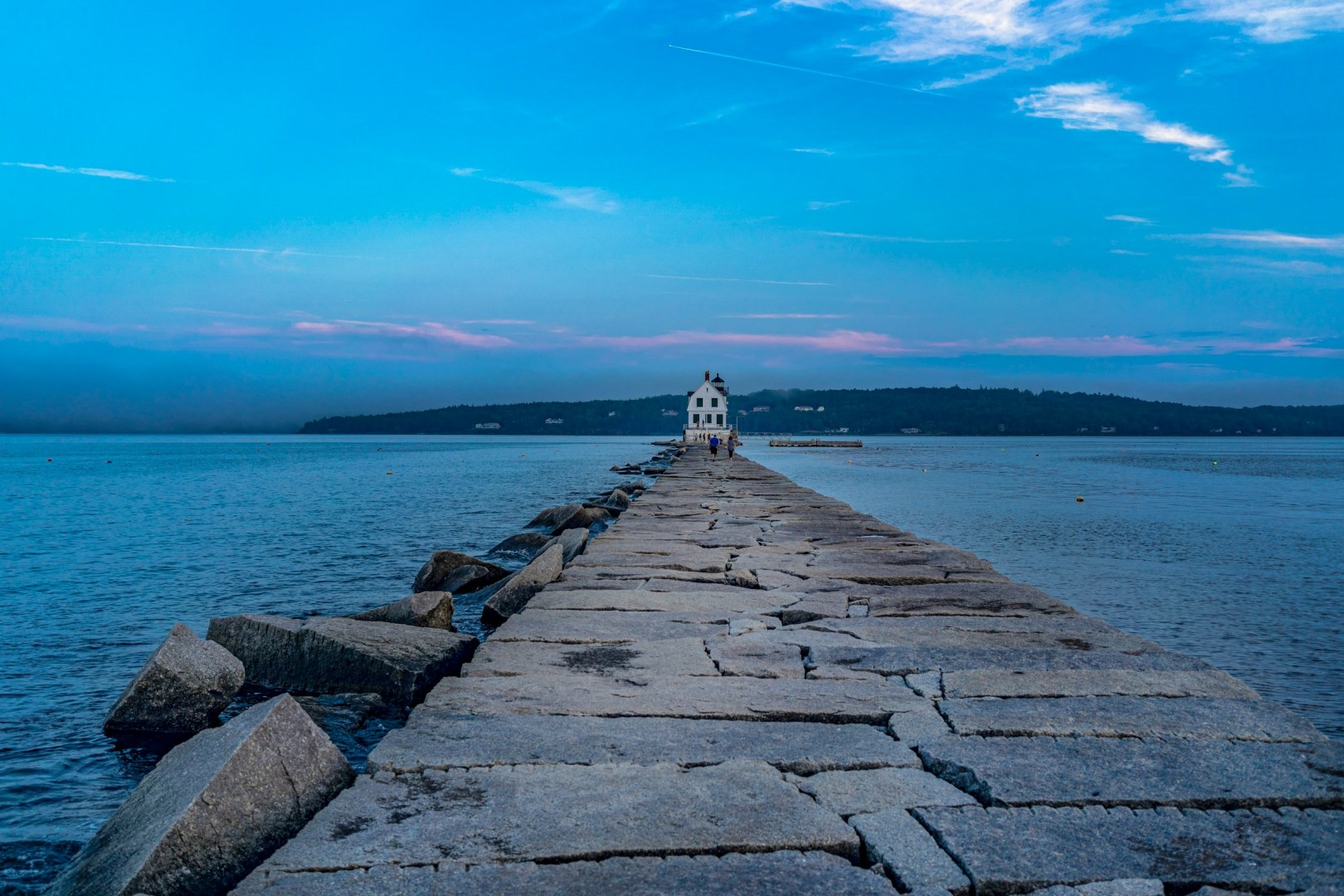
Rockland is a coastal city in Maine on the western shore of Penobscot Bay, known for its working harbor, maritime industries, and connection to the surrounding Midcoast landscape. The city developed around shipbuilding, fishing, lime production, and coastal trade, and its waterfront remains an important part of daily life. Rockland Harbor is sheltered by islands and peninsulas, with commercial fishing boats, pleasure craft, and passenger vessels using its waters.
The River Nile, most often associated with Egypt and its ancient civilizations, actually flows through eight other countries including Uganda, Ethiopia, Sudan, and Kenya. It is formed by two major tributaries, the White Nile and Blue Nile, and is considered by many to be the longest river in the world when measured from its source waters in Rwanda and Burundi.
The capital city of the Dominican Republic is rich in history and beauty, boasting 16th-century Spanish architecture and the oldest cathedral in the Americas. The narrow streets of the old colonial city are a testament to the complex mixture of forces that contributed to the construction of the first European city in the Western Hemisphere.
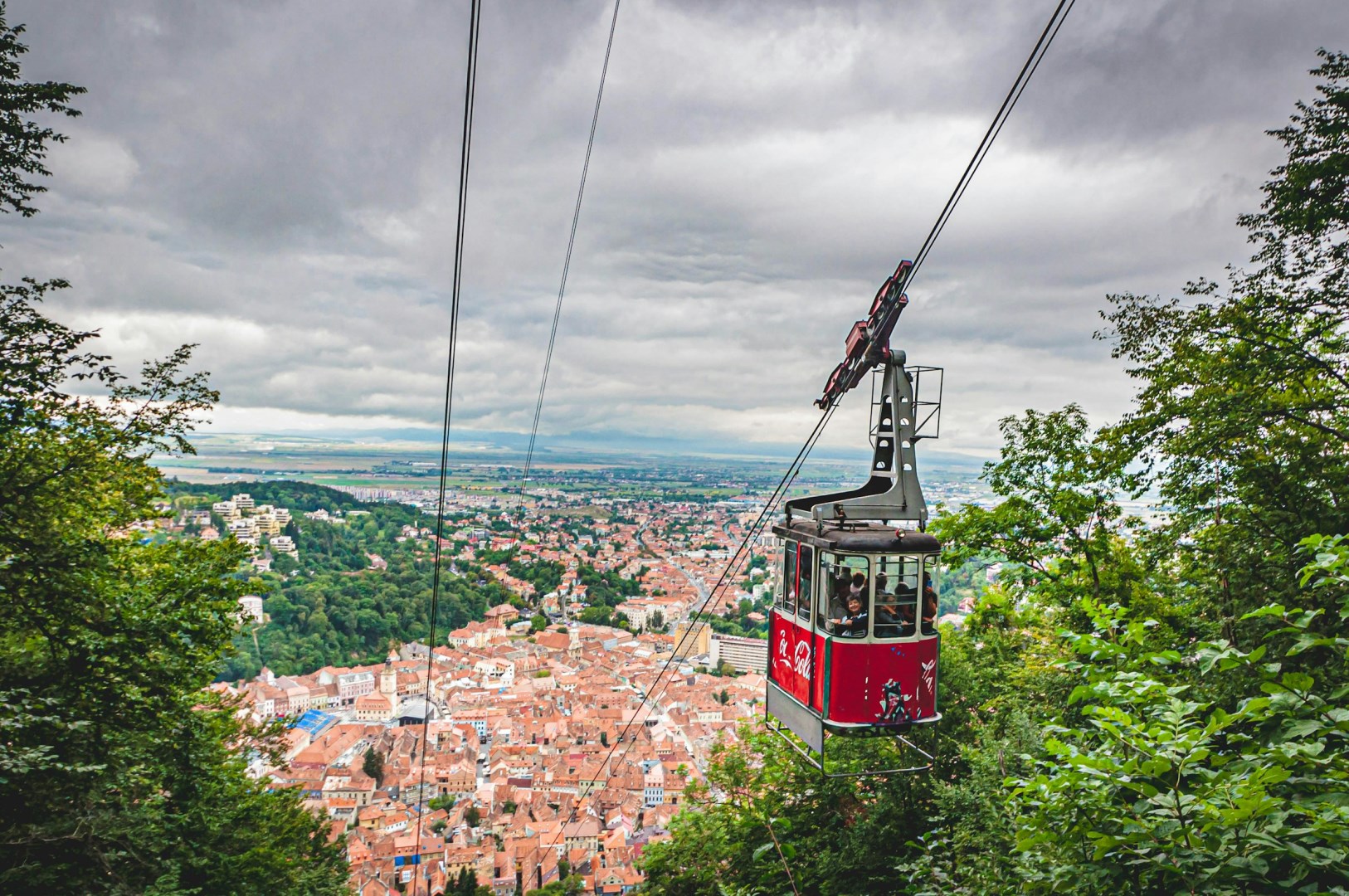
Photo Credit: Photo by Zoltan Rakottyai on Unsplash
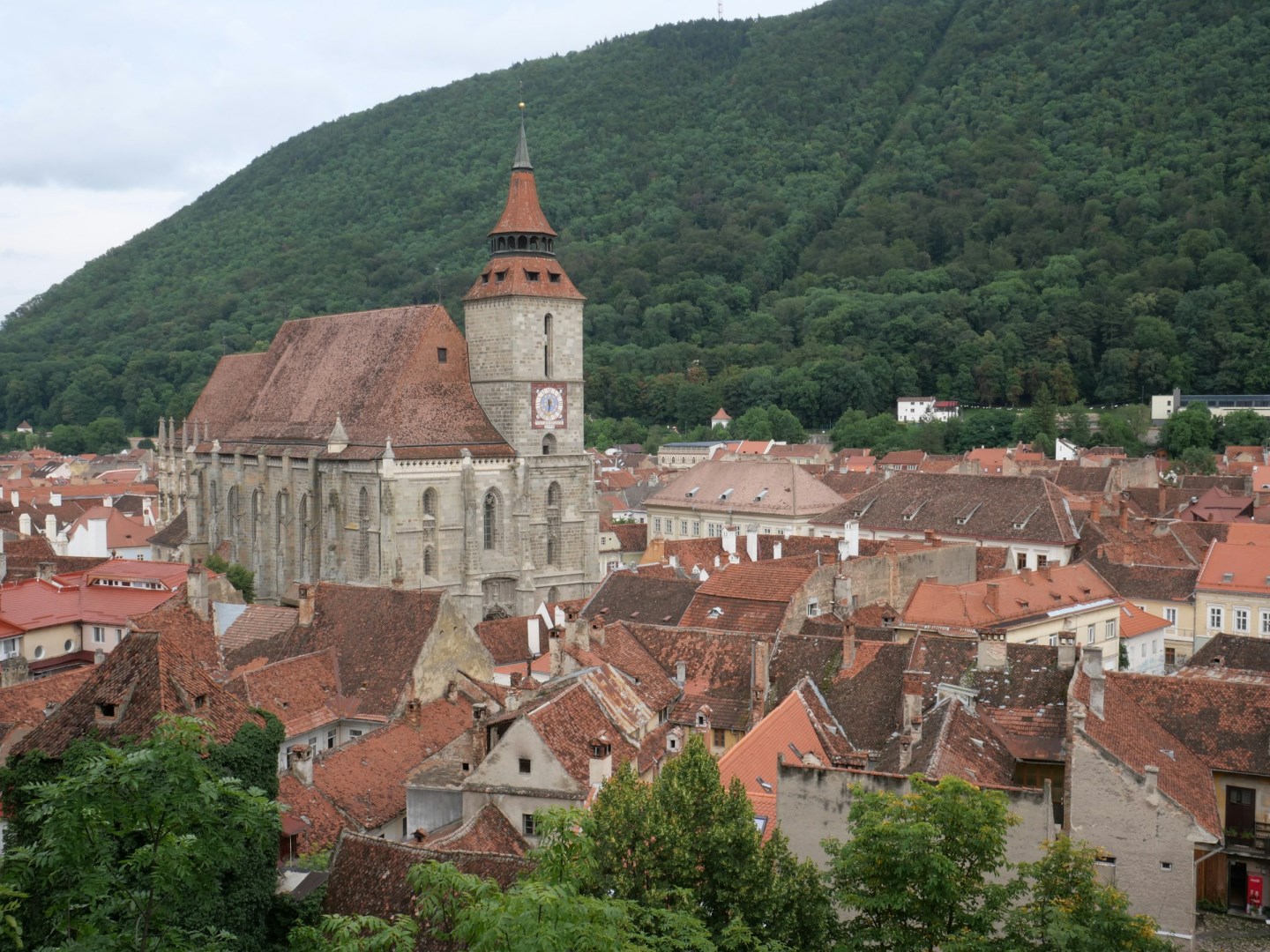
Photo Credit: Photo by Andy Arbeit on Unsplash
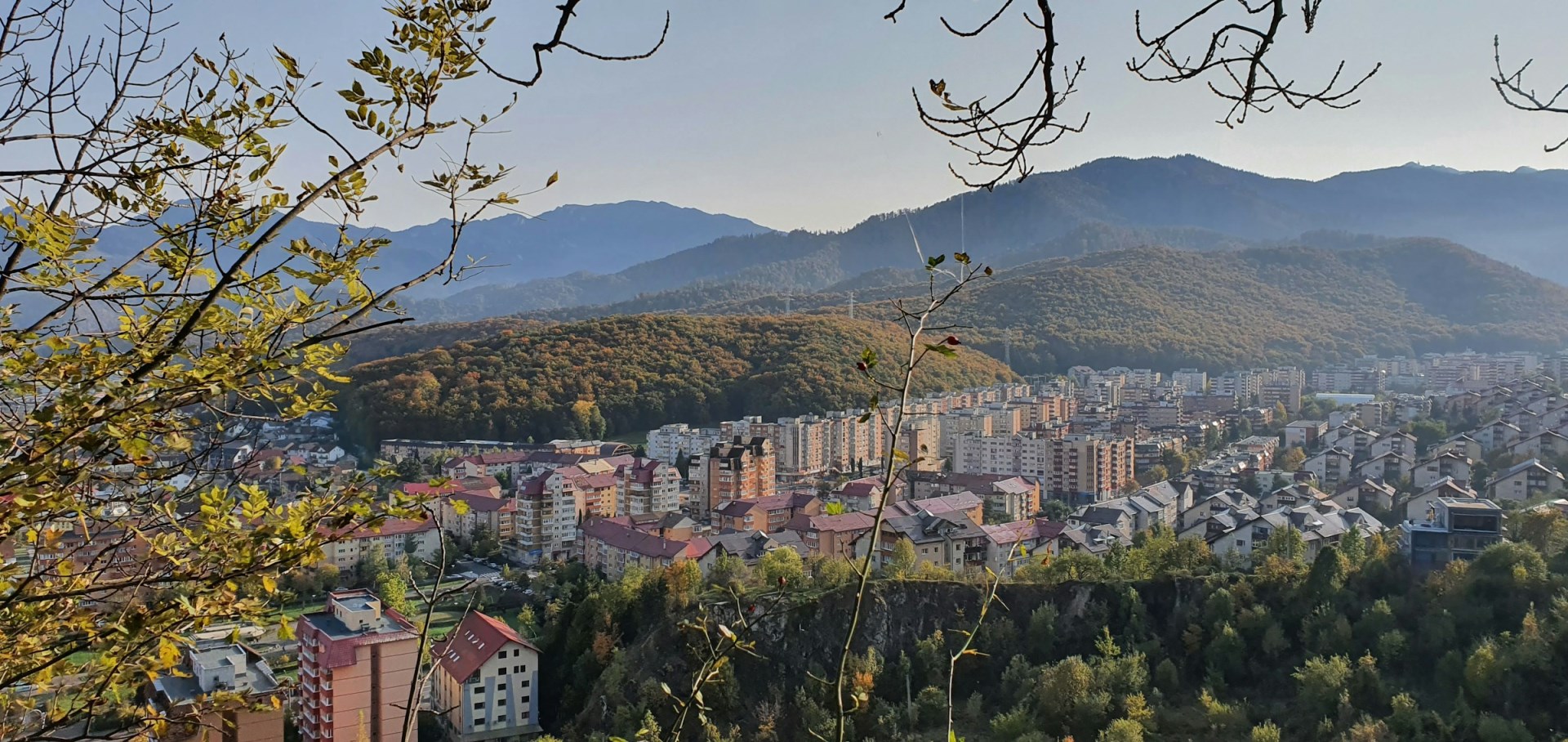
Valea Cetății
Photo Credit: Photo by Adrian Ciocalau on Unsplash
Photo Credit: Photo by Michelangelo Azzariti on Unsplash
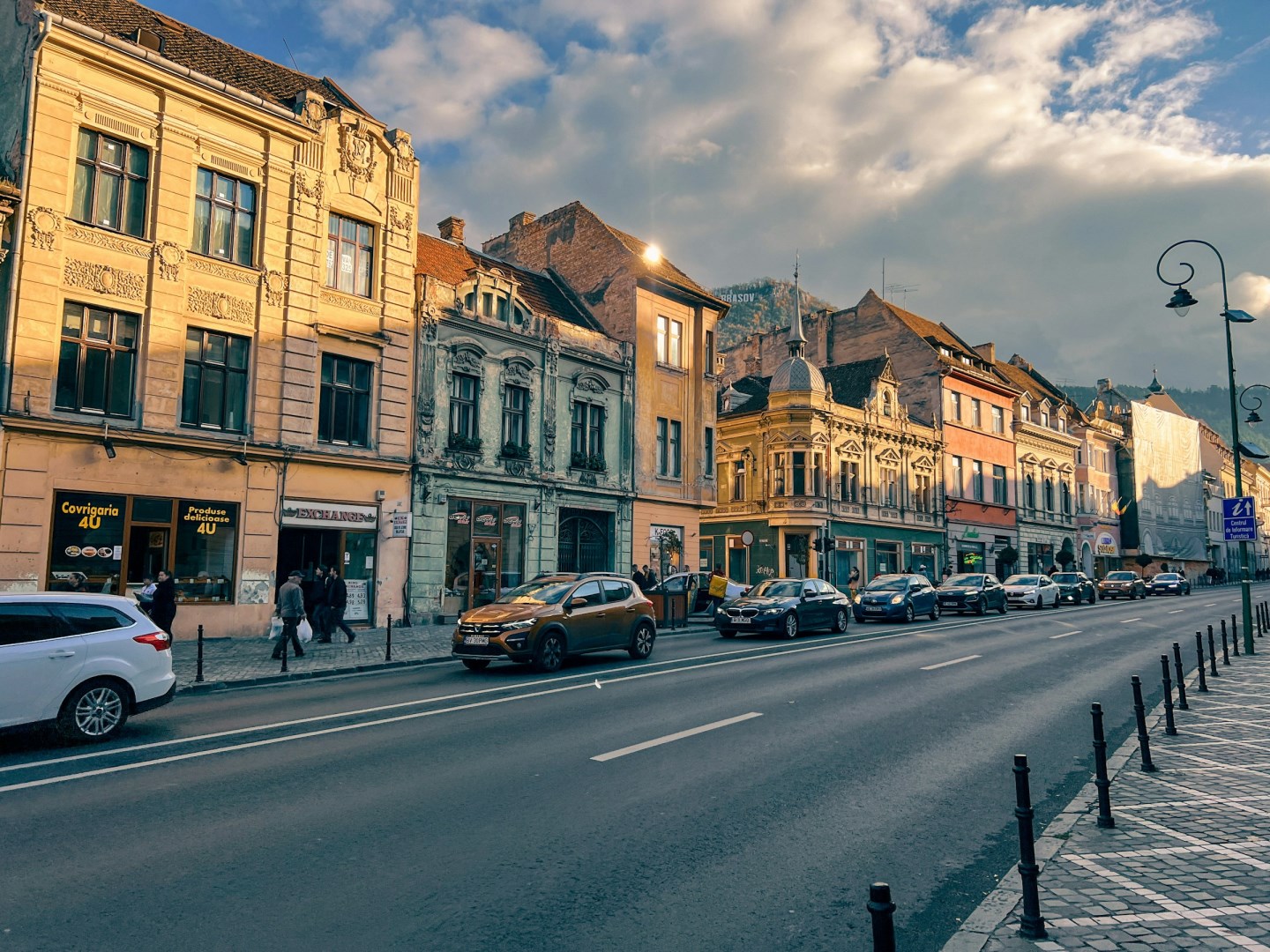
Nestled in the heart of Romania, Brașov is a charming city that effortlessly blends medieval history with stunning natural beauty. Encircled by the Carpathian Mountains, Brașov's well-preserved medieval architecture and vibrant cultural scene make it a must-visit destination. The centerpiece of the city is the stunning Black Church, a Gothic marvel that dates back to the 14th century. This iconic landmark, known for its massive blackened walls, is the largest Gothic church in Eastern Europe and houses an impressive collection of 4,000 volumes of the Protestant Reformation.
The city's Old Town, with its cobbled streets and colorful buildings, exudes a fairytale charm. Stroll through Piața Sfatului, the main square, where you can admire the historical Council House and the vibrant street life. Brașov’s medieval fortifications, including the impressive city walls and the Tampa Fortress, offer panoramic views of the city and the surrounding landscapes. For a taste of local history and culture, the Brașov History Museum, housed in the former Council House, provides a fascinating insight into the city's past.
Nature enthusiasts will find plenty to explore in Brașov’s surrounding landscapes. The nearby Piatra Craiului National Park offers exceptional hiking trails, while the scenic Poiana Brașov resort is perfect for skiing and mountain activities year-round. The nearby Dracula’s Castle, or Bran Castle, is a short drive away and is a popular attraction steeped in legend and myth.
Fun Fact: Brașov is home to one of the narrowest streets in Europe, Strada Sforii. Measuring just 1.2 meters wide, it’s a delightful curiosity and a perfect spot for a memorable photo.
Other Popular Destinations in Romania
Bucharest
Tree-lined avenues, grand architecture, and the imperative to live well defines Bucharest, a bustling city that is rebounding and expanding. In the 1900s, this vibrant Romanian capital was nicknamed "Little Paris" and that jubilant, raise-a-glass spirit carries over to this day.
Sighisoara
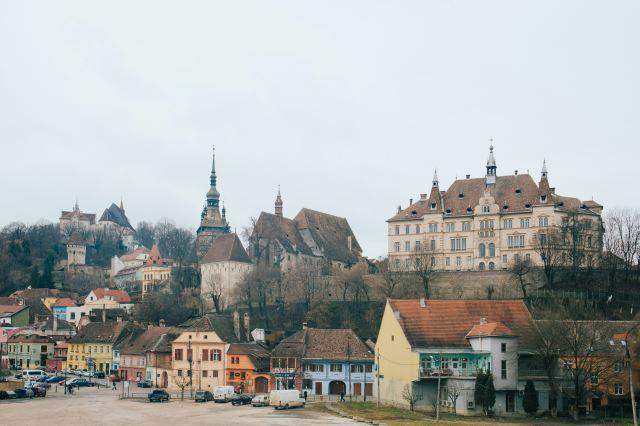
Sighisoara rises above the Târnava Mare River as one of the few medieval citadels in Europe that is still lived in and admired today. Its historic center has been on the UNESCO World Heritage List since 1999, recognized for its long history as a fortified Saxon settlement and its role in trade and defense on the edges of central Europe. Wander through cobbled alleys framed by pastel-colored houses, and the layers of time feel close at hand, from the city walls and guild towers to busy cafés.