Copan
Copán, Honduras, is a hidden gem in Central America that beckons travelers with its extraordinary blend of ancient history, lush landscapes, and vibrant local culture. Known as the "Athens of the Maya," Copán is home to one of the most significant and well-preserved archaeological sites of the Mayan civilization, a UNESCO World Heritage Site.

Tartu
Tartu is celebrated for its vibrant cultural scene. The city's bustling Town Hall Square is surrounded by charming 18th-century buildings and hosts various events throughout the year. The Tartu Art Museum and the KGB Cells Museum offer fascinating insights into Estonia’s history and art.
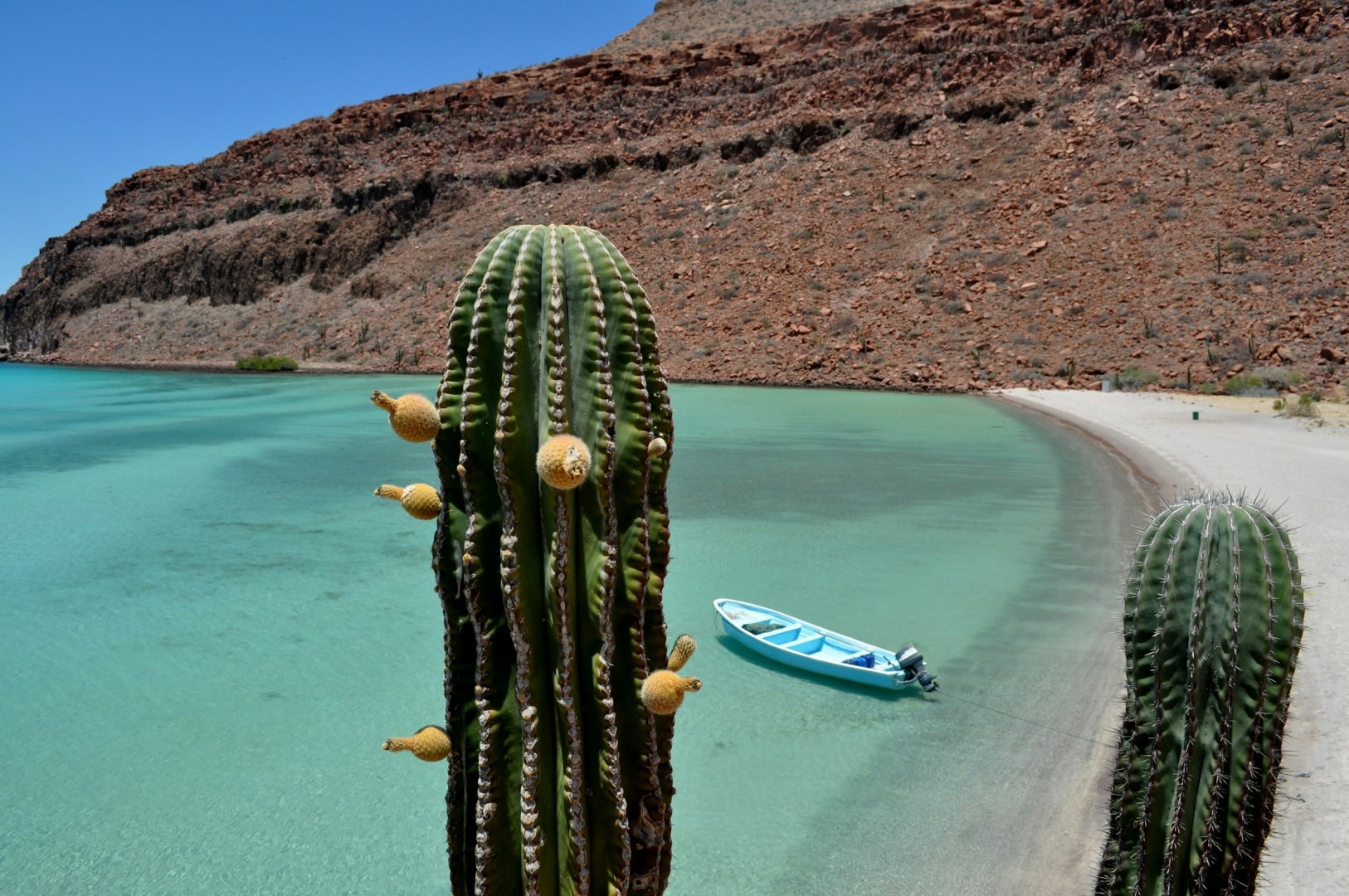
Baja California Sur
Baja California Sur is state located in Northwestern Mexico, on the Baja California peninsula. The capital is La Paz. The area is lightly populated. Tourism is the economic mainstay of this region, centered around the beach resort area, Los Cabos. Sport fishing is a major attraction, as well as having some of the best beaches Baja has to offer.
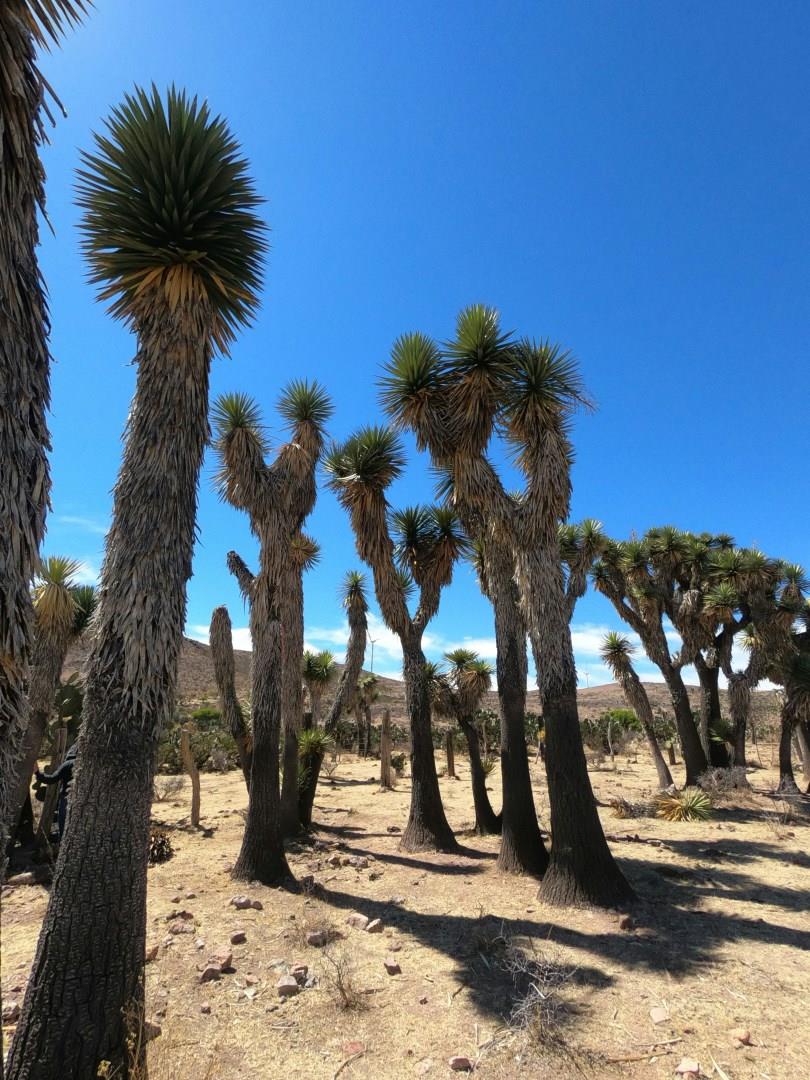
Zacatecas
Zacatecas, built into the slopes of a narrow ravine in north-central Mexico, is a city with a deep mining past and a striking skyline. The historic center, a UNESCO World Heritage Site, is known for its pink cantera stone buildings, narrow alleys, and impressive baroque facades. The Cathedral Basilica of Zacatecas, completed in 1752, stands as one of the most detailed examples of Mexican baroque architecture, with hundreds of carved figures covering its sandstone exterior.

Nawiliwilli, Kauai
This is your passage into the sacred "Garden Isle," where the sweet smell of the mokihana berry permeates the air and the lush green landscapes intoxicate your senses. Visit Waimea Canyon and witness the union of water, sunshine, clouds and canyon walls as they create the most colorful rainbows imaginable.