Progreso
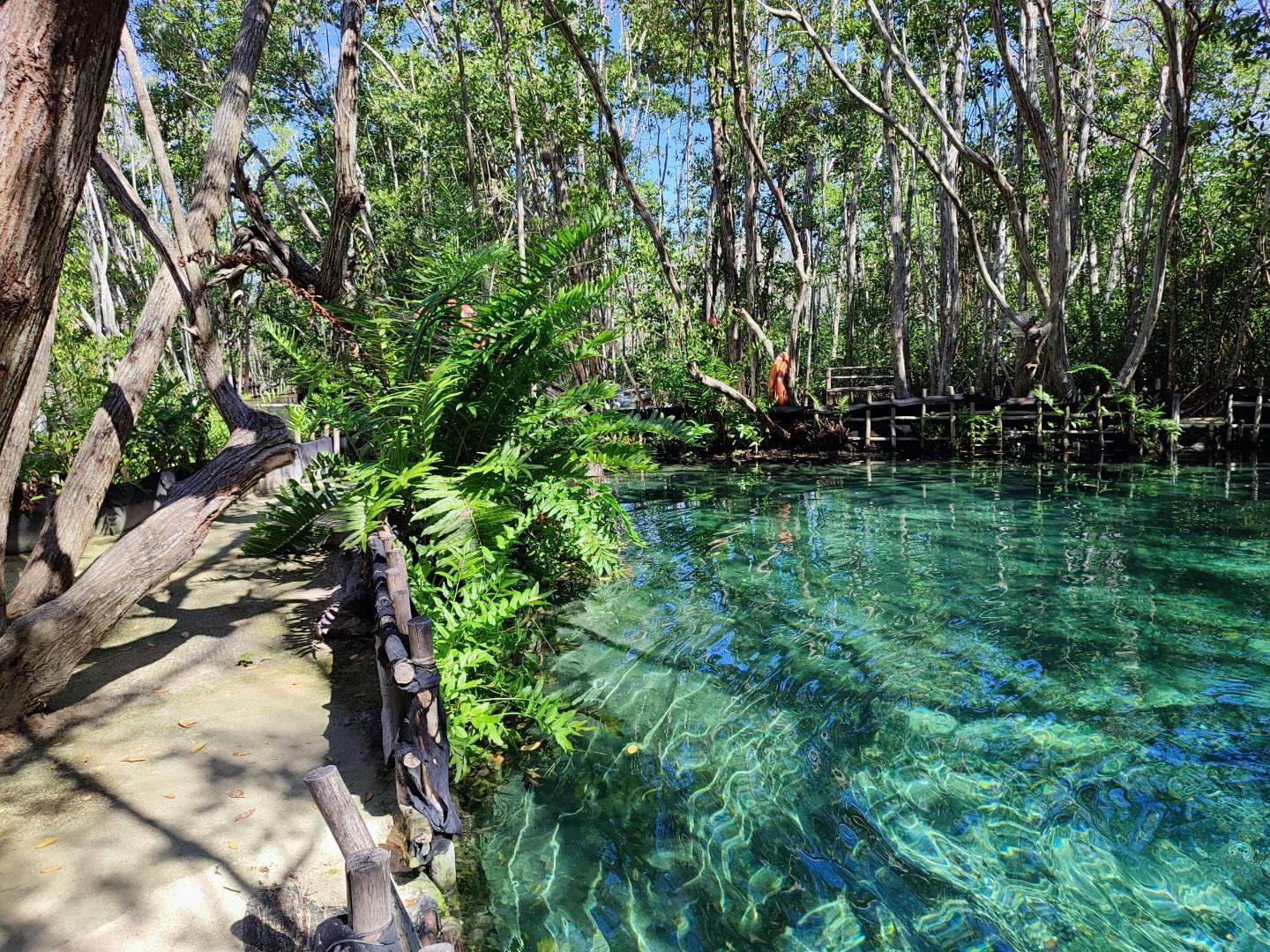
Progreso, a coastal city in the state of Yucatán, offers travelers a relaxed atmosphere with strong ties to the sea. Founded in 1871 as a port to support trade in the region, Progreso now welcomes both cargo ships and cruise liners to its shores. Its most defining feature is the Progreso Pier, one of the longest in the world, stretching over 6 kilometers into the Gulf of Mexico.

Arctic Ocean
The Arctic Ocean, the world's smallest and shallowest ocean, offers a breathtaking and unique adventure for those seeking the grandeur of the polar regions. This icy expanse, bordered by Europe, Asia, and North America, is renowned for its stunning natural beauty and pristine landscapes.

Dominica
Dominica, known as the “Nature Island of the Caribbean,” is a haven for eco-tourists and adventure seekers. Nestled between the French islands of Guadeloupe and Martinique, this lush island boasts a remarkable landscape of volcanic mountains, dense rainforests, and stunning waterfalls. Dominica’s most iconic natural wonder is the Boiling Lake, the second-largest hot spring in the world.
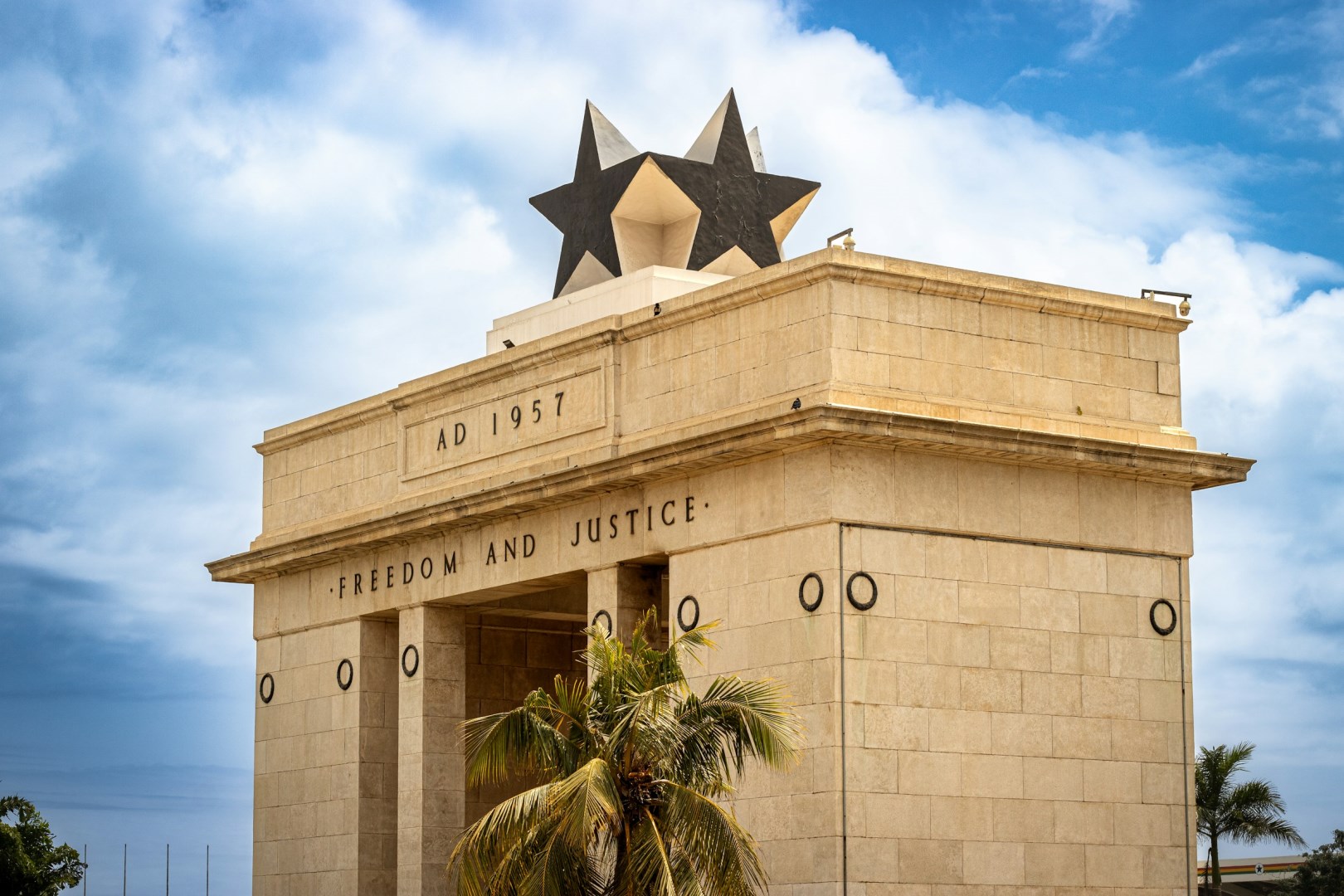
Accra
Accra, Ghana’s vibrant capital, blends coastal charm with an energetic urban atmosphere. Situated along the Atlantic Ocean, the city is a hub for arts, culture, and history, offering travelers a lively introduction to the country.
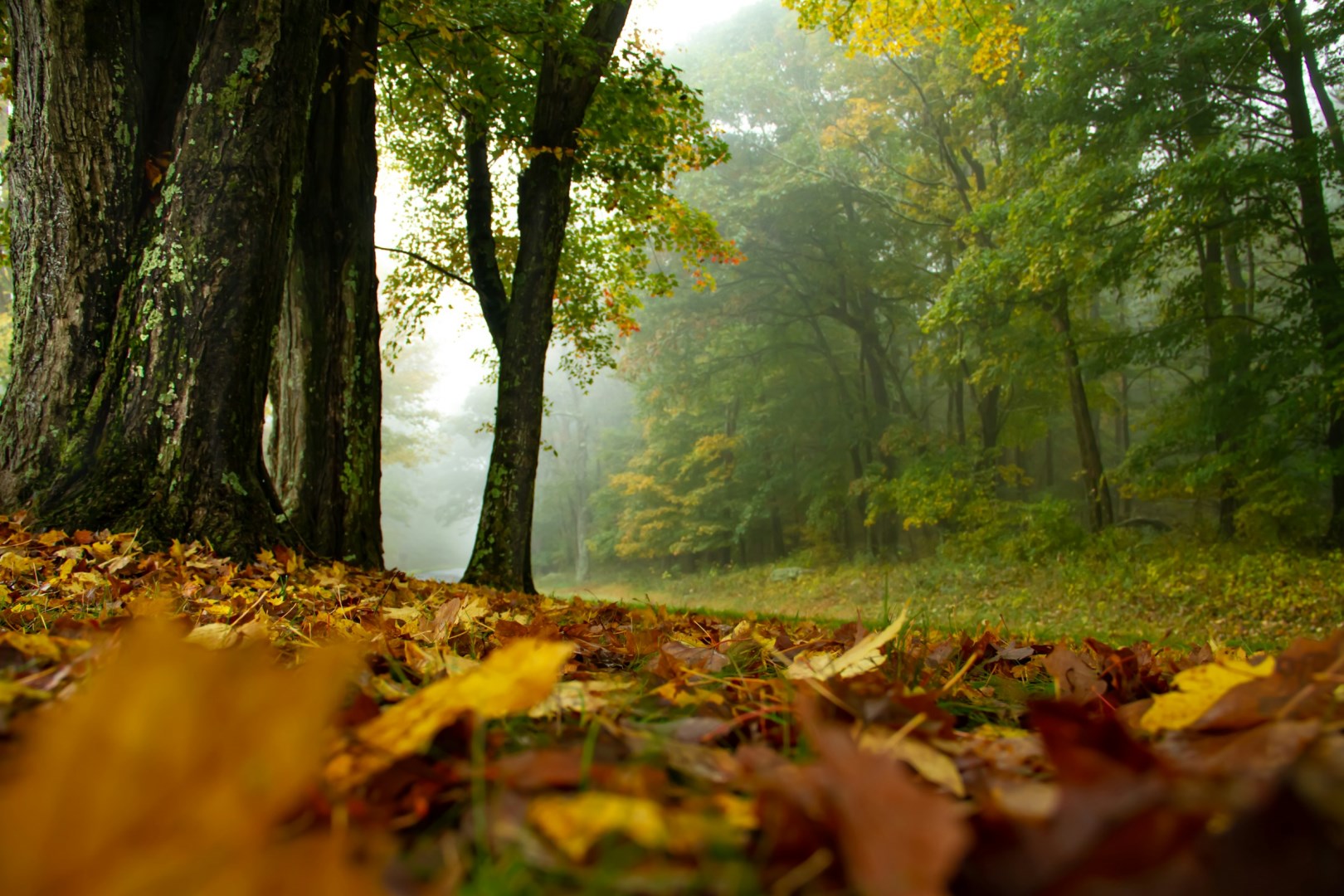
Shenandoah National Park
Shenandoah National Park follows the crest and eastern slopes of Virginia’s Blue Ridge Mountains, protecting a long, narrow landscape of forests, ridges, streams, and mountain valleys. The park stretches along Skyline Drive, a scenic road that provides access to numerous overlooks and trailheads. Elevations vary considerably across the park, creating changes in vegetation and climate over relatively short distances.