Nagasaki
This beautiful port city and capital of the Nagasaki Prefecture is located on the island of Kyushu.
Puerto Barrios
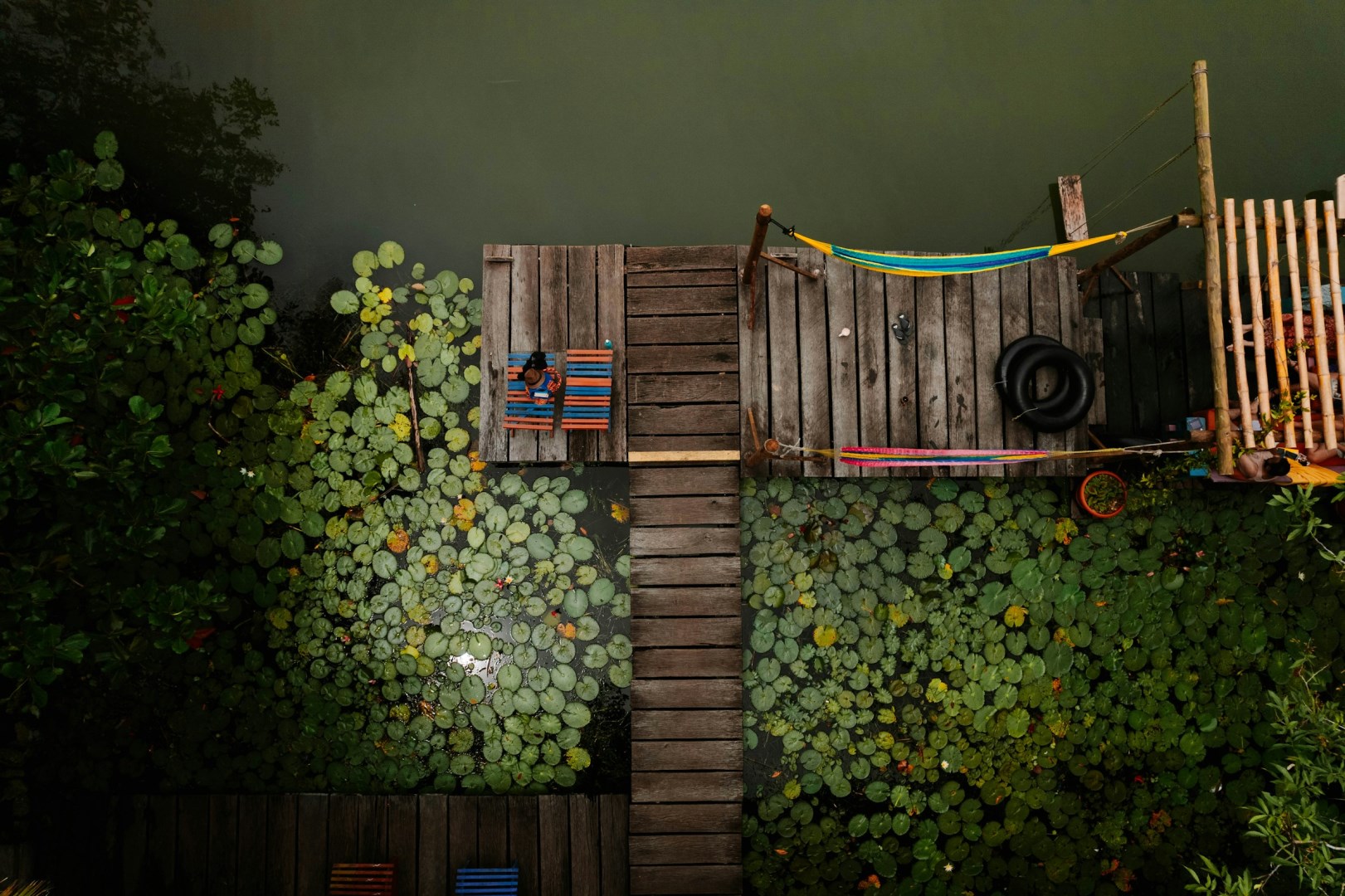
Located in the Gulf of Honduras, this area of the Mayan offers jungle tours along the Rio San Carlos or walking through the Mayan ruina at Quirigua. In ancient Mayan culture, priests used to drive sting ray spines through their tongues to appease their gods.
Girdwood
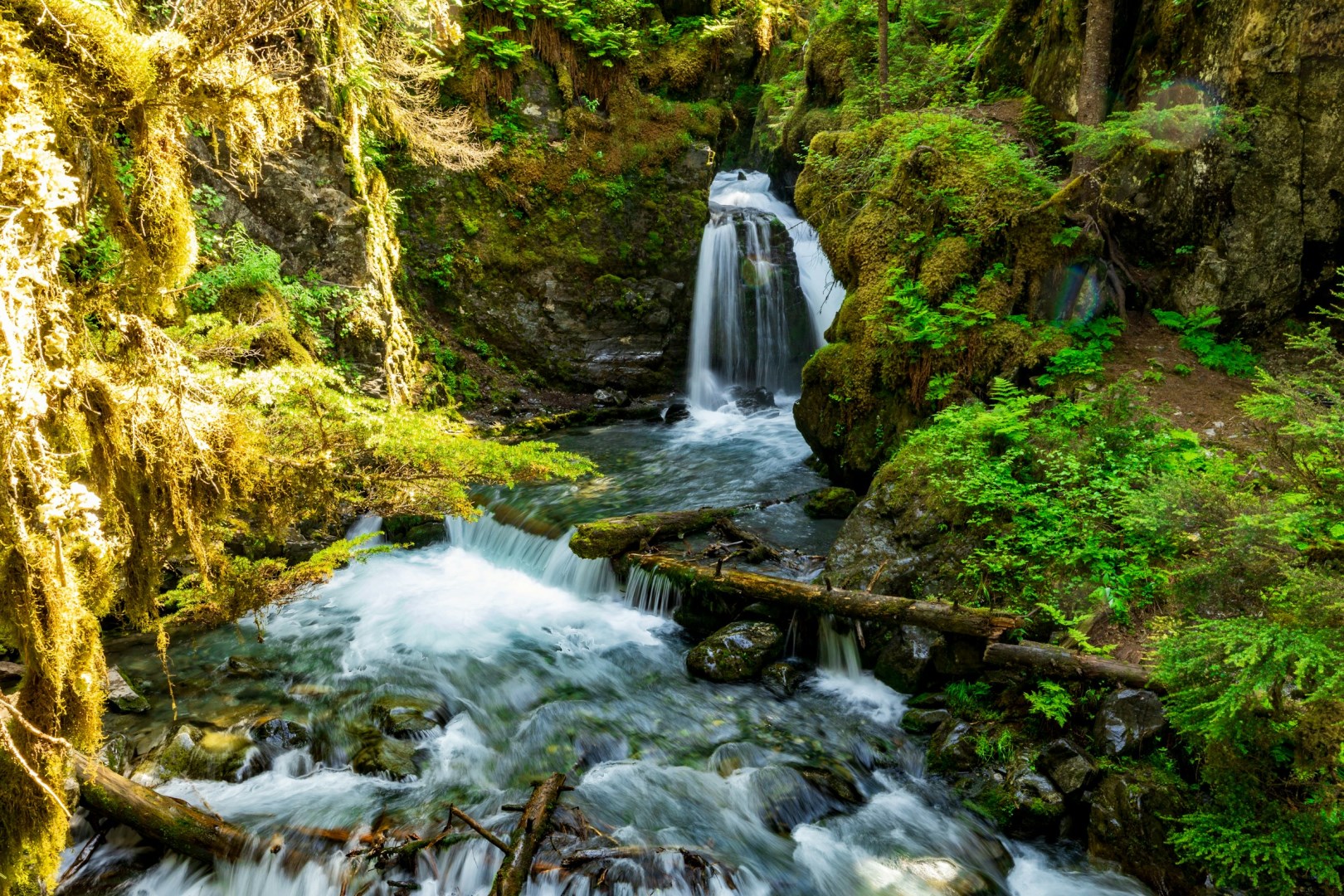
Girdwood is a small community in south-central Alaska, located within the Municipality of Anchorage between the Chugach Mountains and Turnagain Arm. The valley is surrounded by steep mountains, glaciers, temperate rainforest, and open wetlands, creating a landscape that changes noticeably with the seasons.
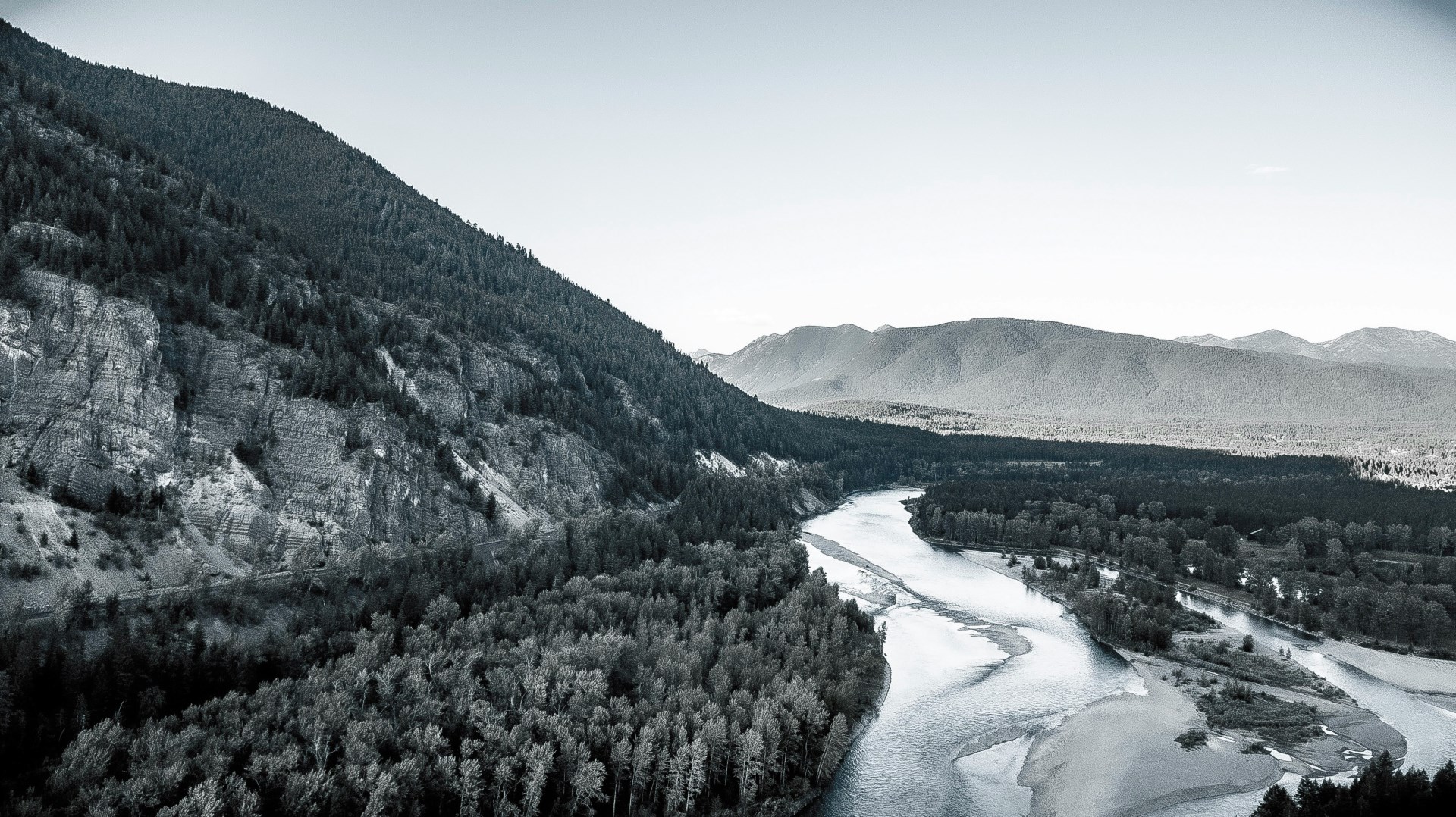
Whitefish
Nestled in the heart of the Rocky Mountains, Whitefish, Montana, is a gateway to breathtaking natural beauty and outdoor adventures. The charming town serves as a perfect base for exploring the nearby Glacier National Park, renowned for its stunning glaciers, pristine lakes, and extensive hiking trails. Whitefish itself is a vibrant community, where the scenic backdrop is matched by a bustling downtown filled with boutique shops, local restaurants, and cozy lodges.
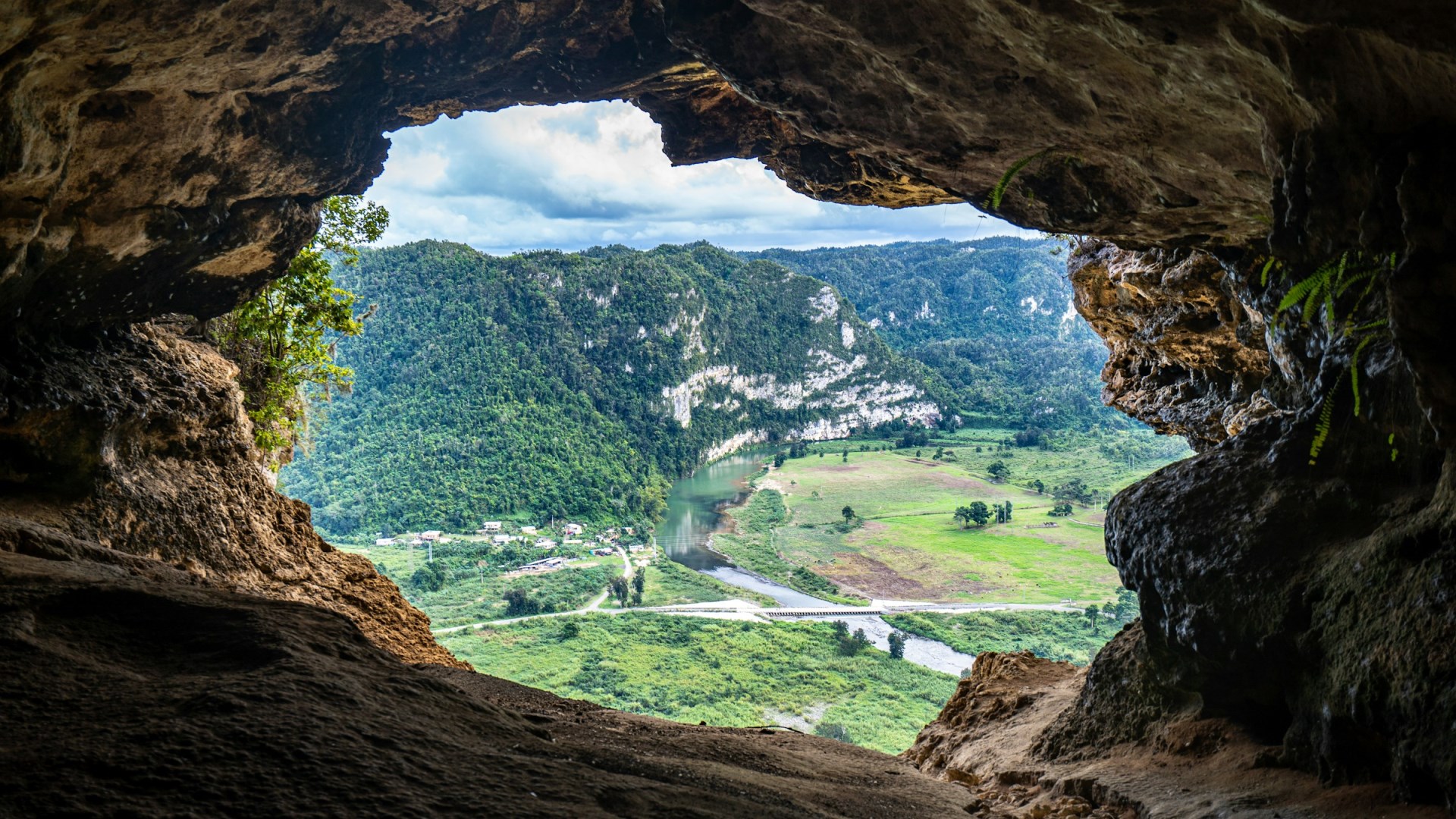
Arecibo
Arecibo is a coastal municipality on the north coast of Puerto Rico, where the Atlantic Ocean meets the island’s northern karst region. It is known for a varied landscape of beaches, limestone hills, caves, sinkholes, forests, and rivers, including the Río Grande de Arecibo and Río Tanamá.