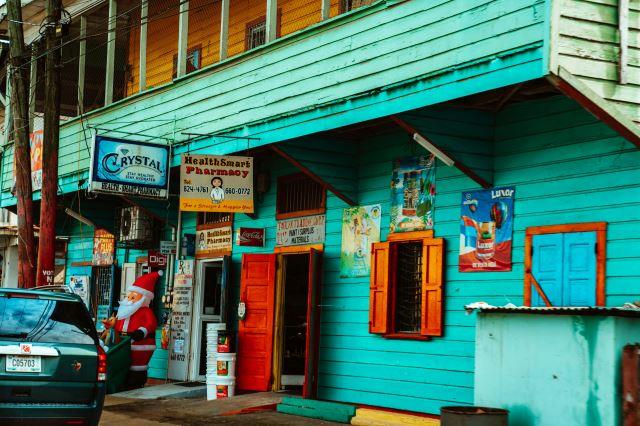
Nata
Nata is a small village in northeastern Botswana, situated where several roads meet between Maun, Francistown, Kasane, and the Makgadikgadi salt pans. Its location makes it an important stopping point for travellers crossing the country's northern and central regions. The surrounding landscape is predominantly dry, with grasslands, scrub, woodlands, and expansive salt-pan systems shaped by seasonal rainfall.
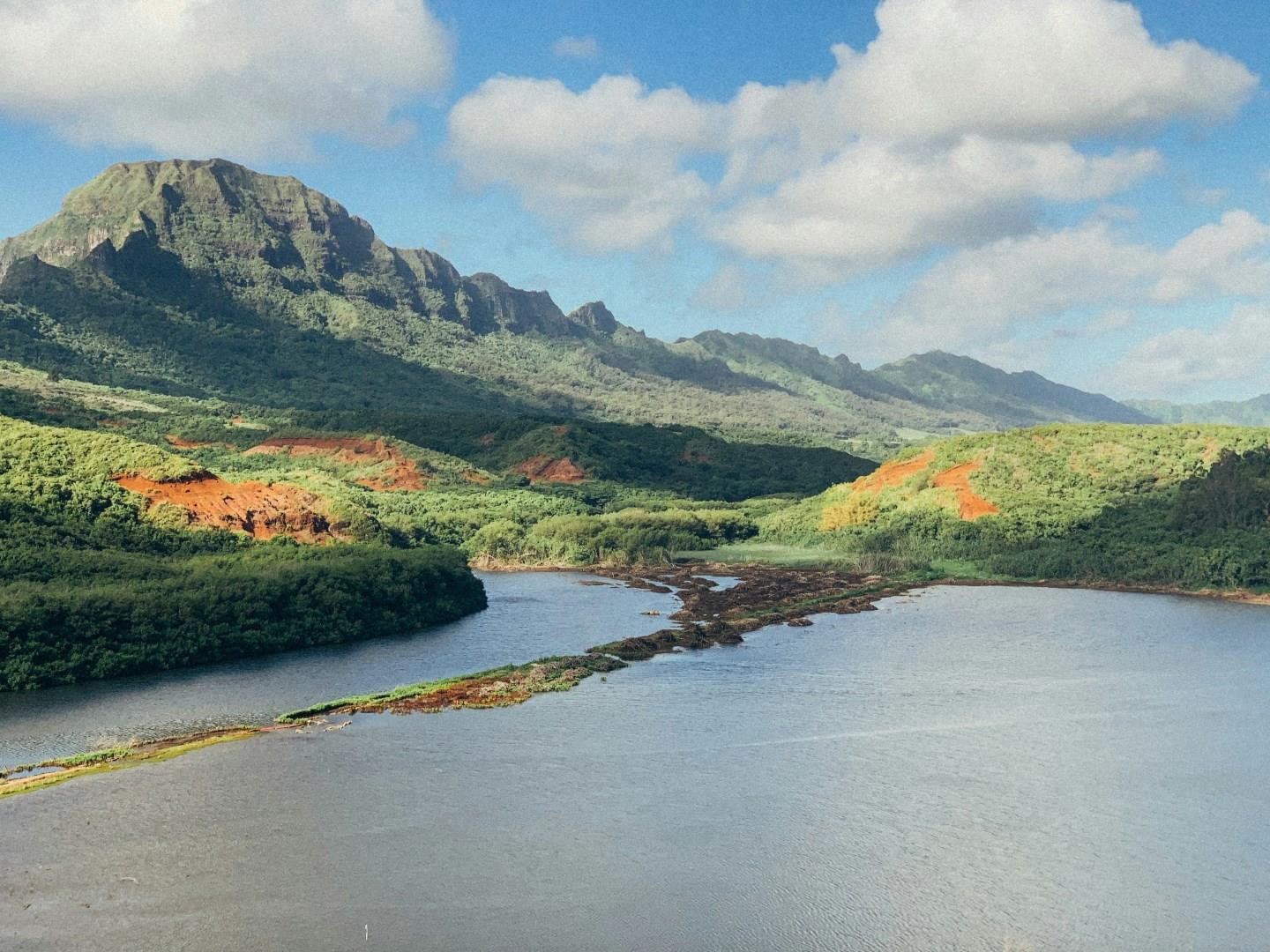
Lihue, Kauai
Lihue, the main town on the Hawaiian island of Kauai, blends administrative importance with island charm. As the county seat, it’s the hub of government and commerce, but it also serves as the welcoming gateway for travelers arriving at Lihue Airport or through its nearby harbor.

Santa Fé Island
Santa Fe Island, formerly known as Barrington Island, is one of the smaller of the Galapagos islands. Although relatively small and unpopulated, the island is a great day-trip option for visitors to the area.
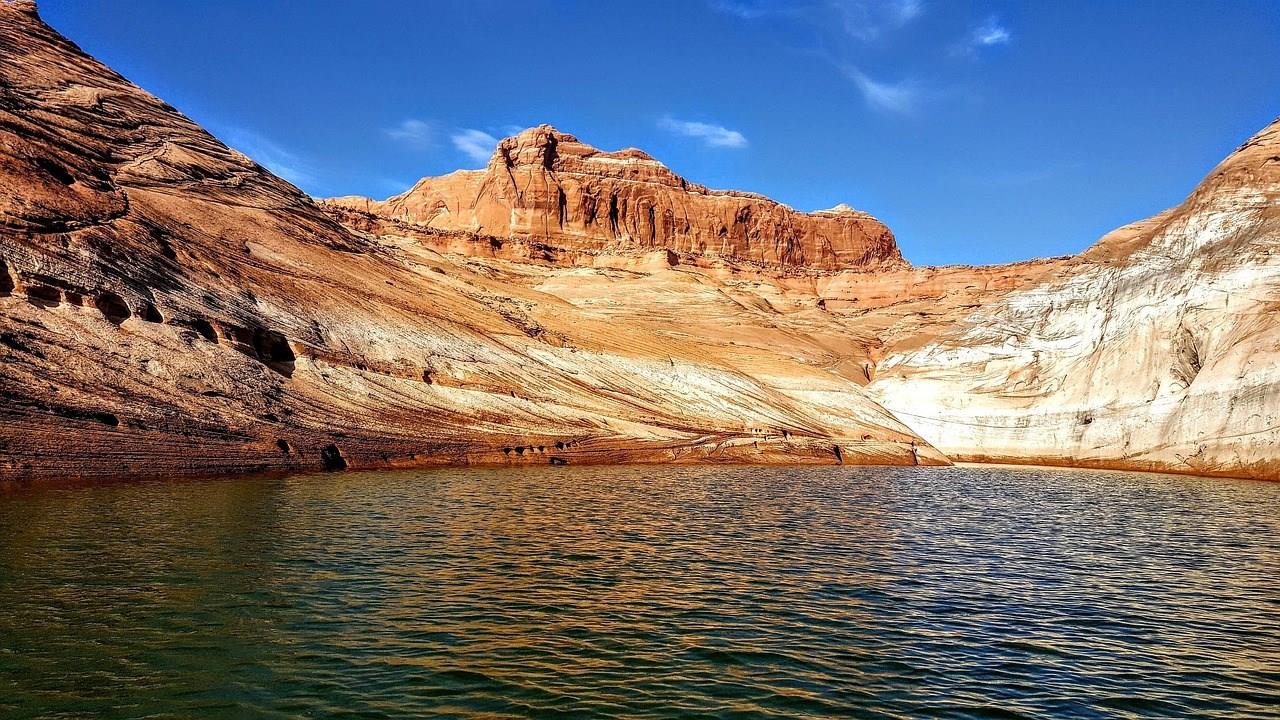
St. George
St. George, Utah, is a desert city in the state’s southwest corner, celebrated for its striking red rock landscapes, mild climate, and proximity to some of the American West’s most iconic natural wonders.
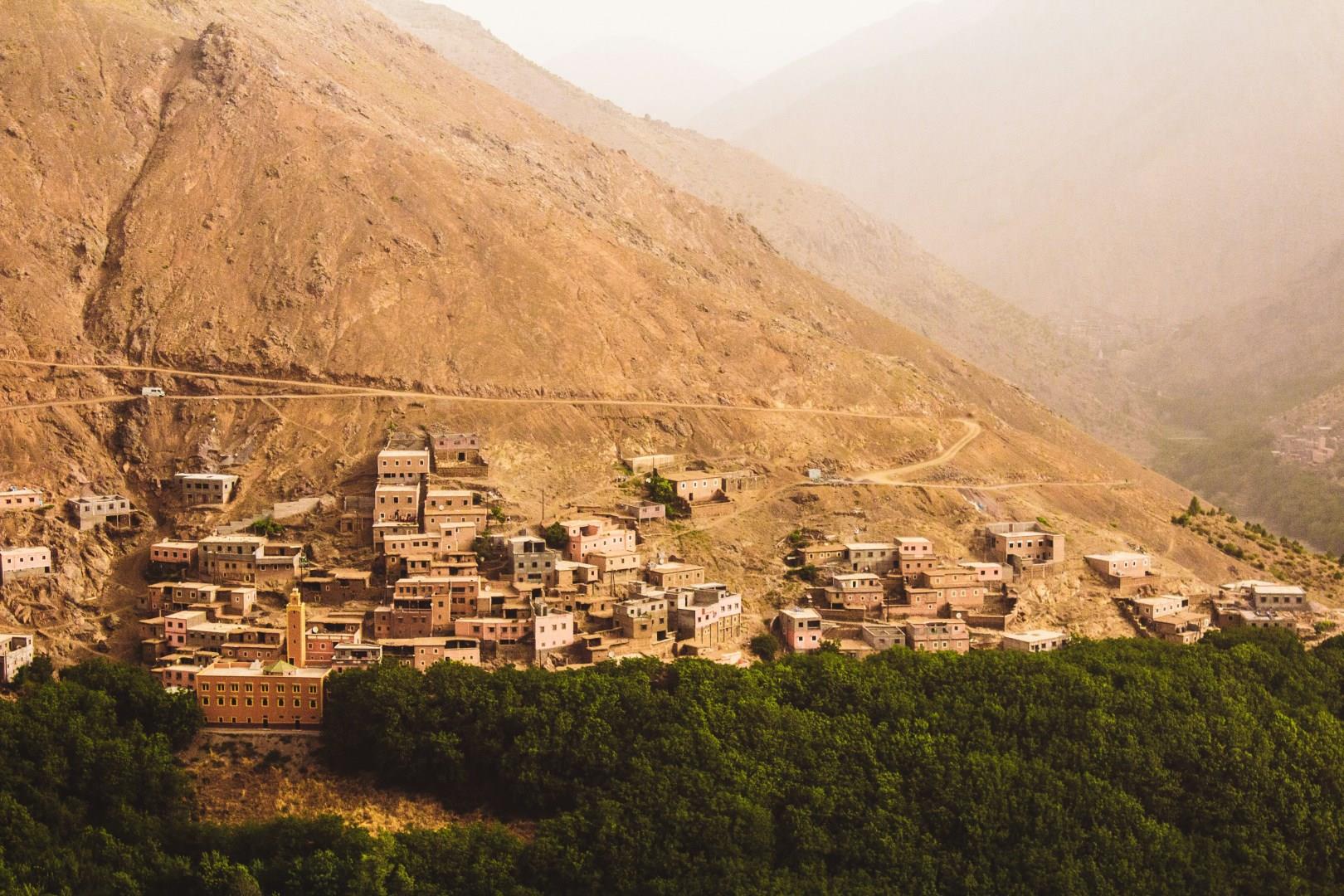
Imlil
Imlil is a small Berber village nestled in the High Atlas Mountains of Morocco, serving as a gateway to the Toubkal National Park. Its history is tied to mountain agriculture and traditional life, with stone houses and terraced fields reflecting centuries of adaptation to the rugged terrain.