Cabo Rojo
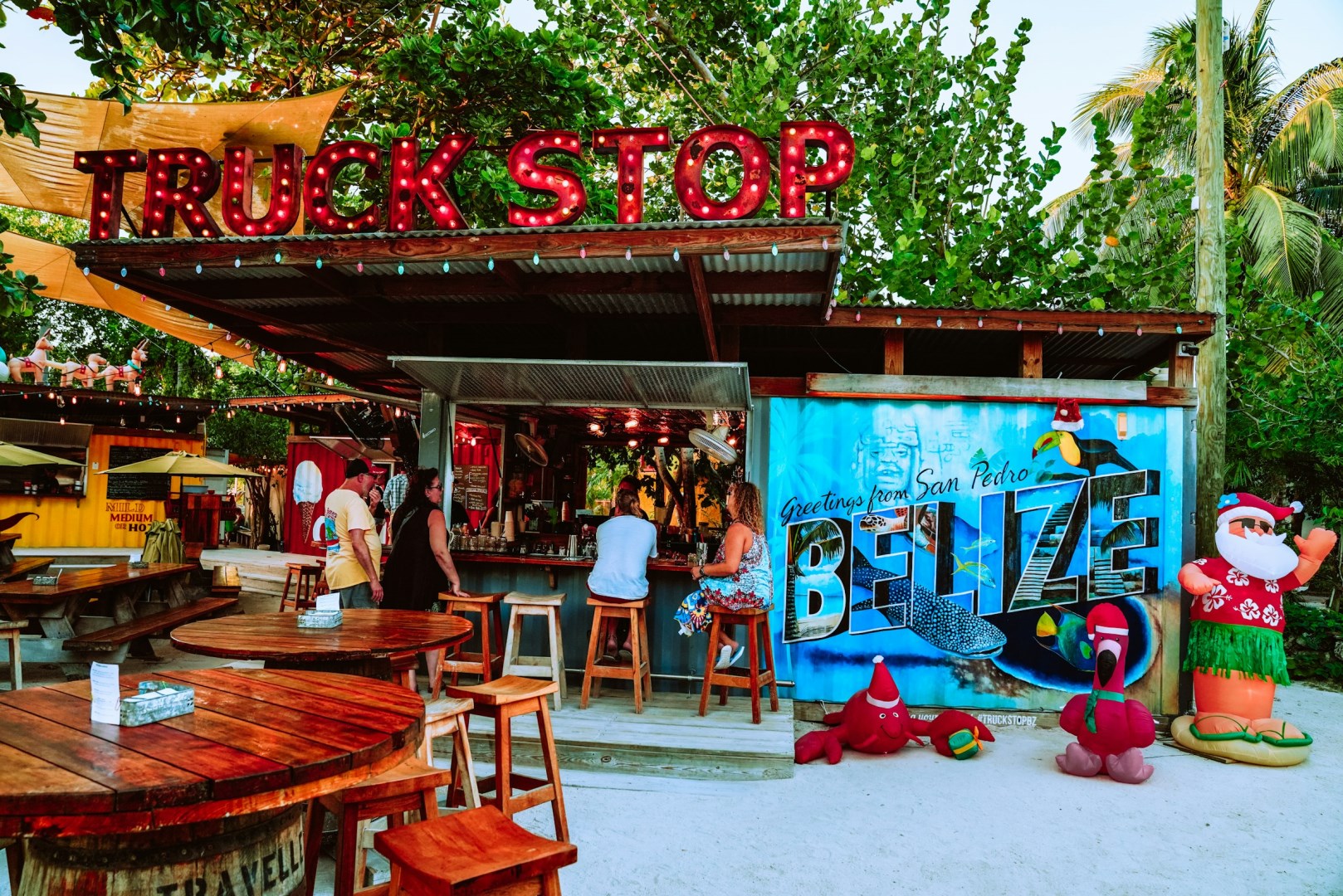
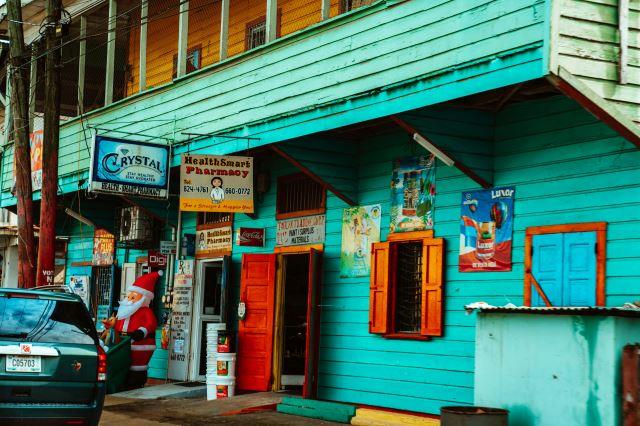
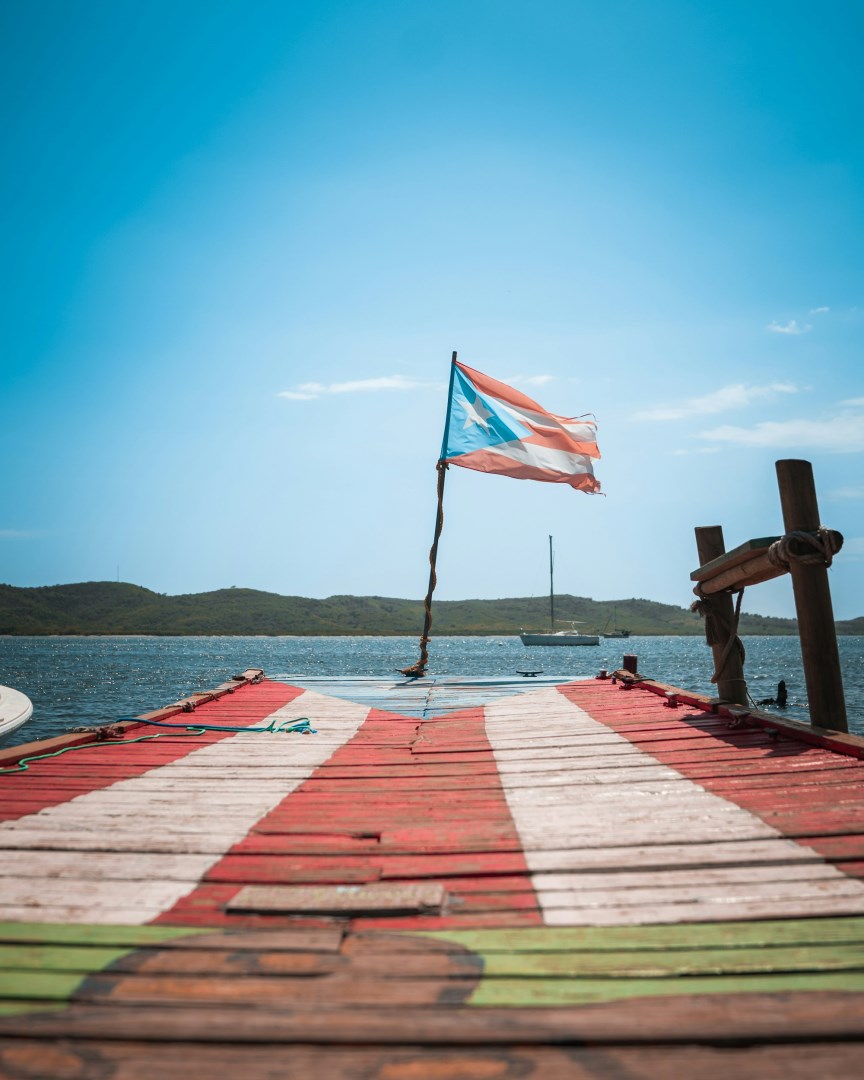
Cabo Rojo, located on the southwestern coast of Puerto Rico, is a region of striking natural contrasts where salt flats, mangroves, and limestone cliffs meet the sparkling Caribbean Sea. Its most iconic feature is the Cabo Rojo Lighthouse perched on dramatic cliffs overlooking the ocean, offering panoramic views of turquoise waters and nearby beaches.
The Hague
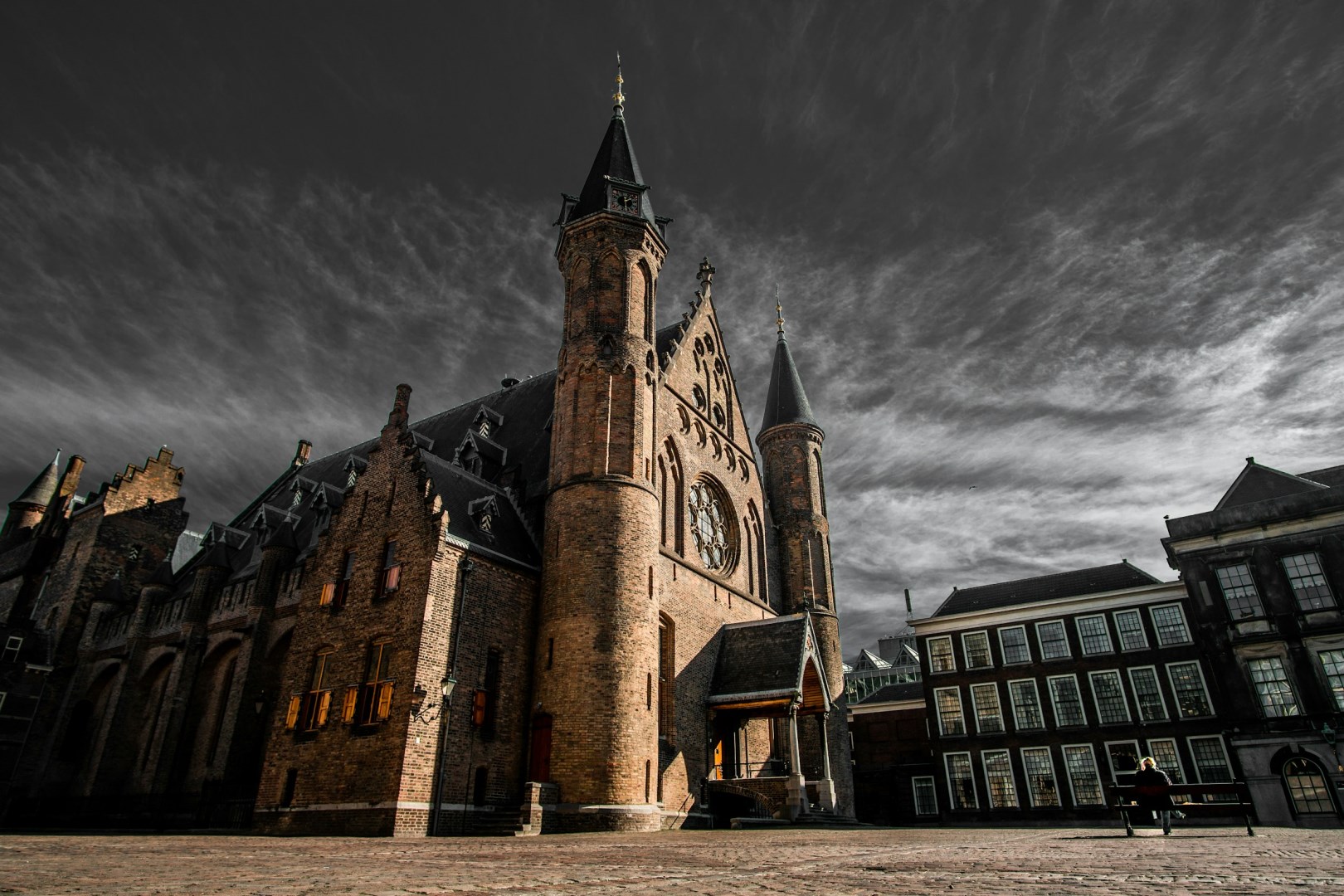
Capital of Netherlands located on the North Sea and the sight of many International events.
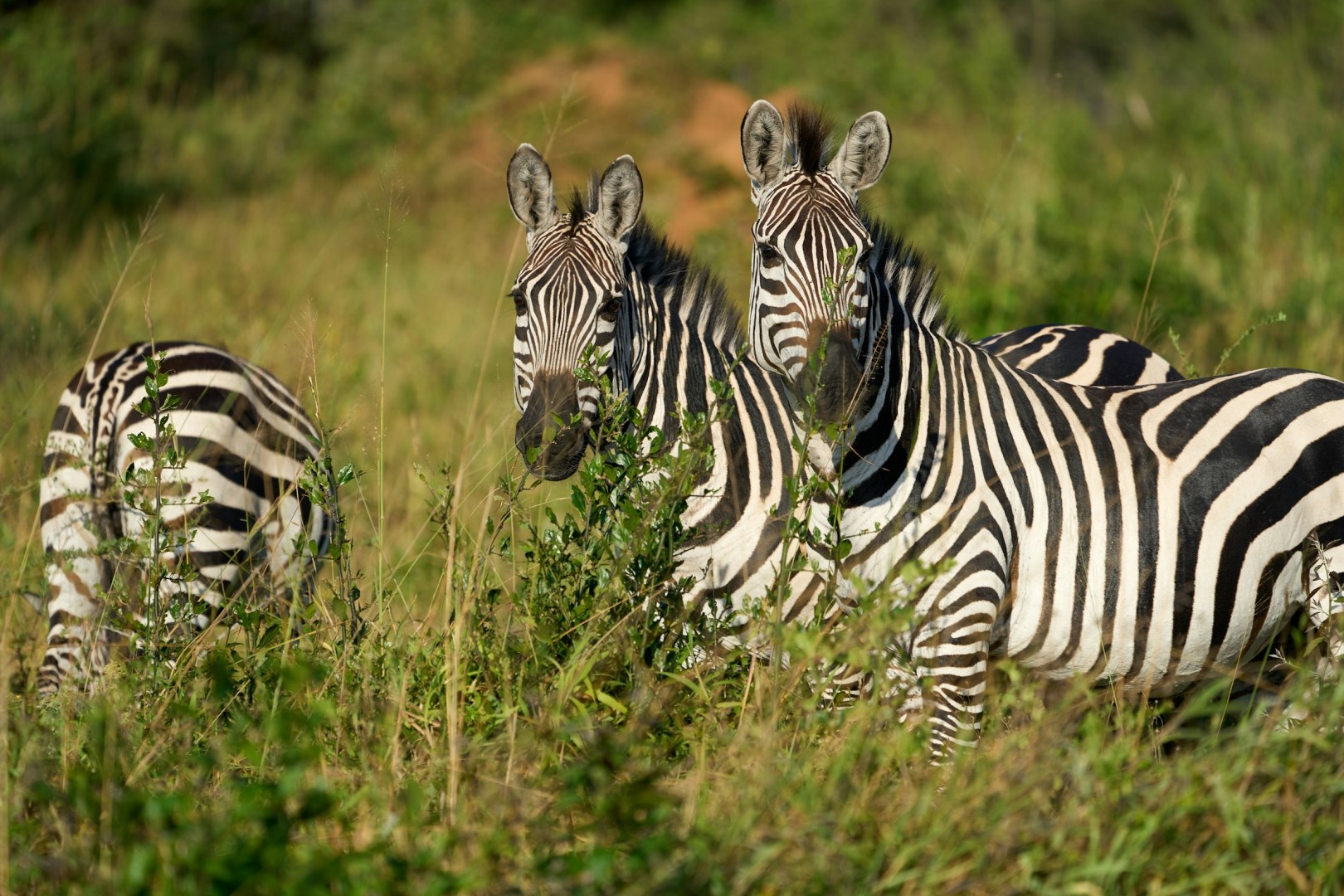
Lake Mburo National Park
Lake Mburo National Park is a protected area in southwestern Uganda, situated between Kampala and the western highlands. It is centered on a chain of lakes and a landscape of rolling hills, open grassland, woodland, wetlands, and rocky outcrops. Lake Mburo is the largest of the park’s lakes and forms an important part of its ecosystem.

Copan
Copán, Honduras, is a hidden gem in Central America that beckons travelers with its extraordinary blend of ancient history, lush landscapes, and vibrant local culture. Known as the "Athens of the Maya," Copán is home to one of the most significant and well-preserved archaeological sites of the Mayan civilization, a UNESCO World Heritage Site.
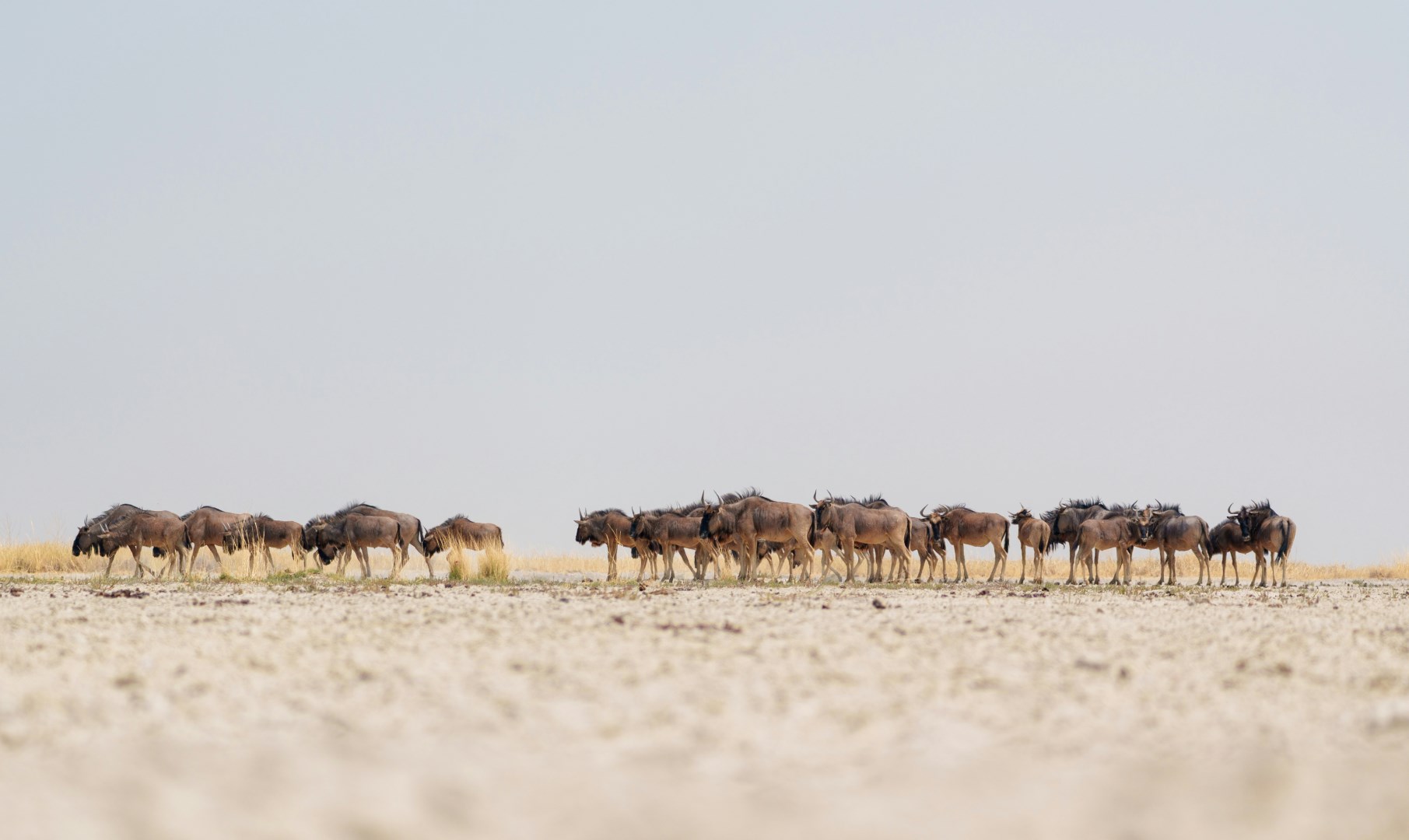
Makgadikgadi Pans National Park
Makgadikgadi Pans National Park lies in northeastern Botswana and forms part of one of the largest salt flat systems in the world. The landscape is defined by wide open pans, sandy tracks, grasslands, and scattered baobab trees that rise from the dry terrain.