

Zagreb
Zagreb, the vibrant capital of Croatia, is a city where history, culture, and a youthful spirit collide in an unforgettable way. Wander through the cobblestone streets of the Upper Town (Gornji Grad) and marvel at its medieval architecture, such as the iconic St. Mark's Church, known for its colorful tiled roof depicting the coat of arms of Zagreb and the Kingdom of Croatia.
Shrewsbury
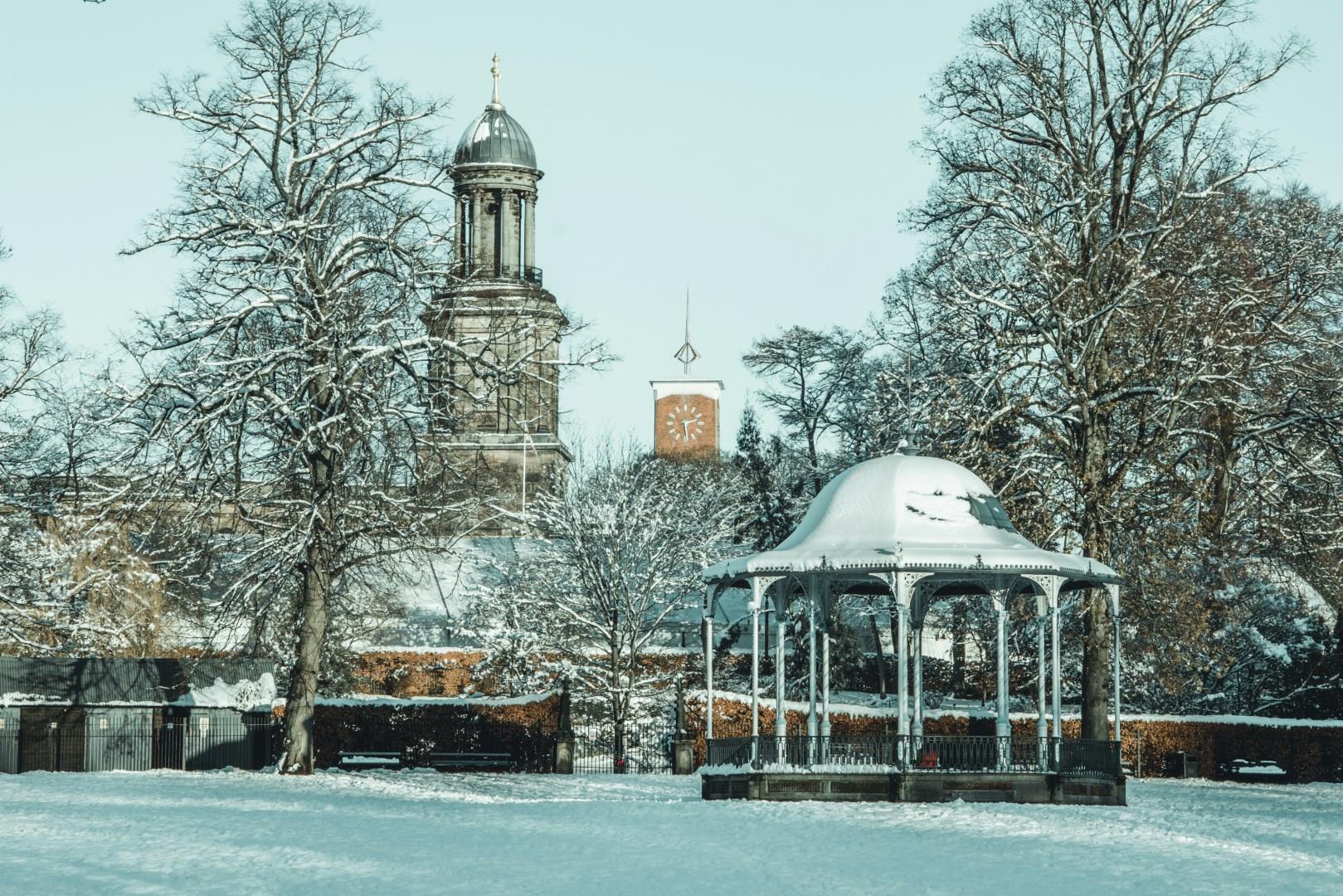
Shrewsbury, a picturesque market town in Shropshire, England, is celebrated for its medieval charm, riverside setting, and remarkably well-preserved architecture. Encircled almost entirely by a loop of the River Severn, the town’s winding streets and timber-framed buildings transport visitors back through centuries of English history.
Maun
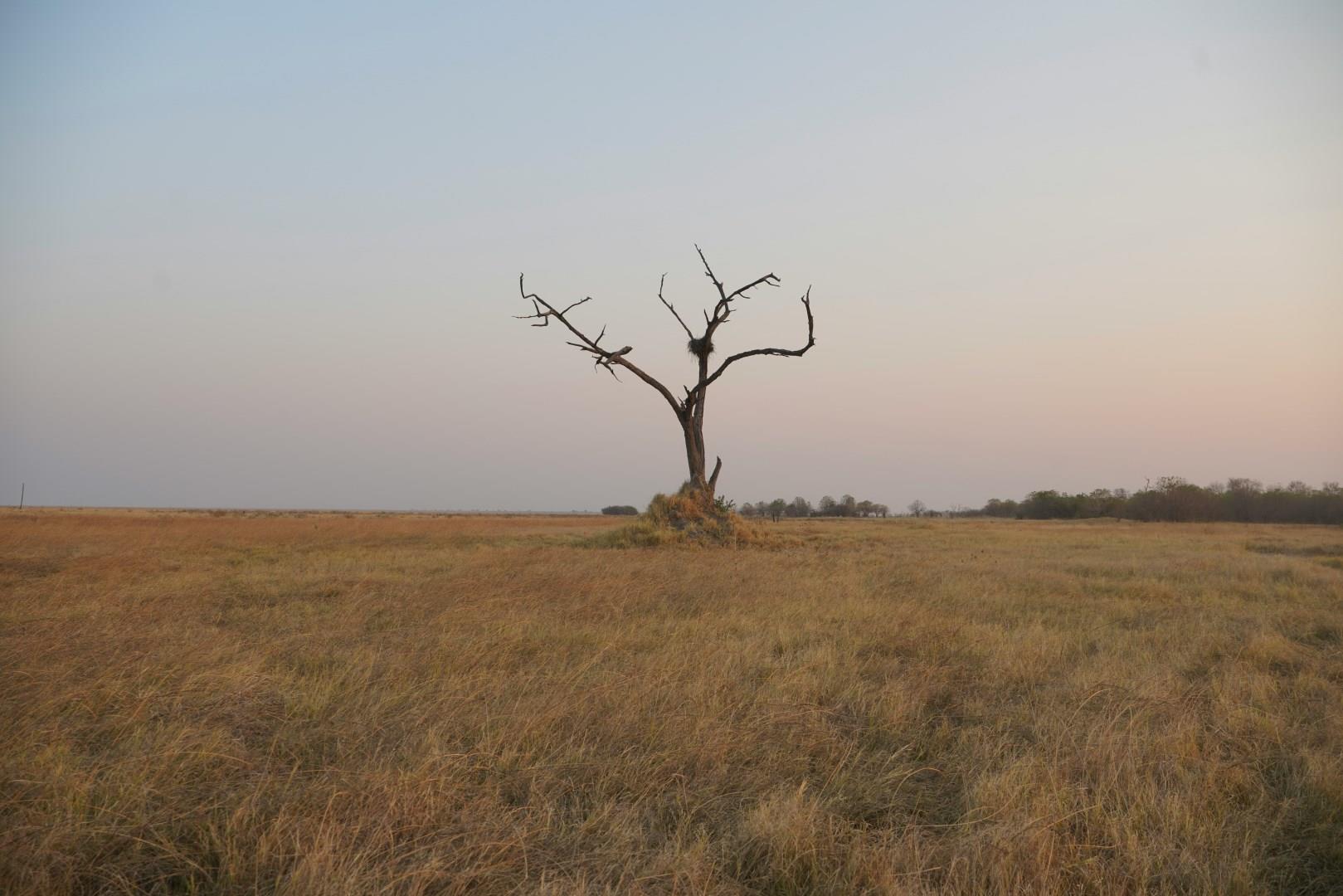
Maun, often referred to as the "tourism capital" of Botswana, is a vibrant gateway to the Okavango Delta, one of the world's largest inland deltas. Visitors can explore the nearby Moremi Game Reserve, known for its diverse wildlife and stunning landscapes, or take a scenic flight over the delta for a bird's-eye view of this spectacular UNESCO World Heritage Site.
Florø
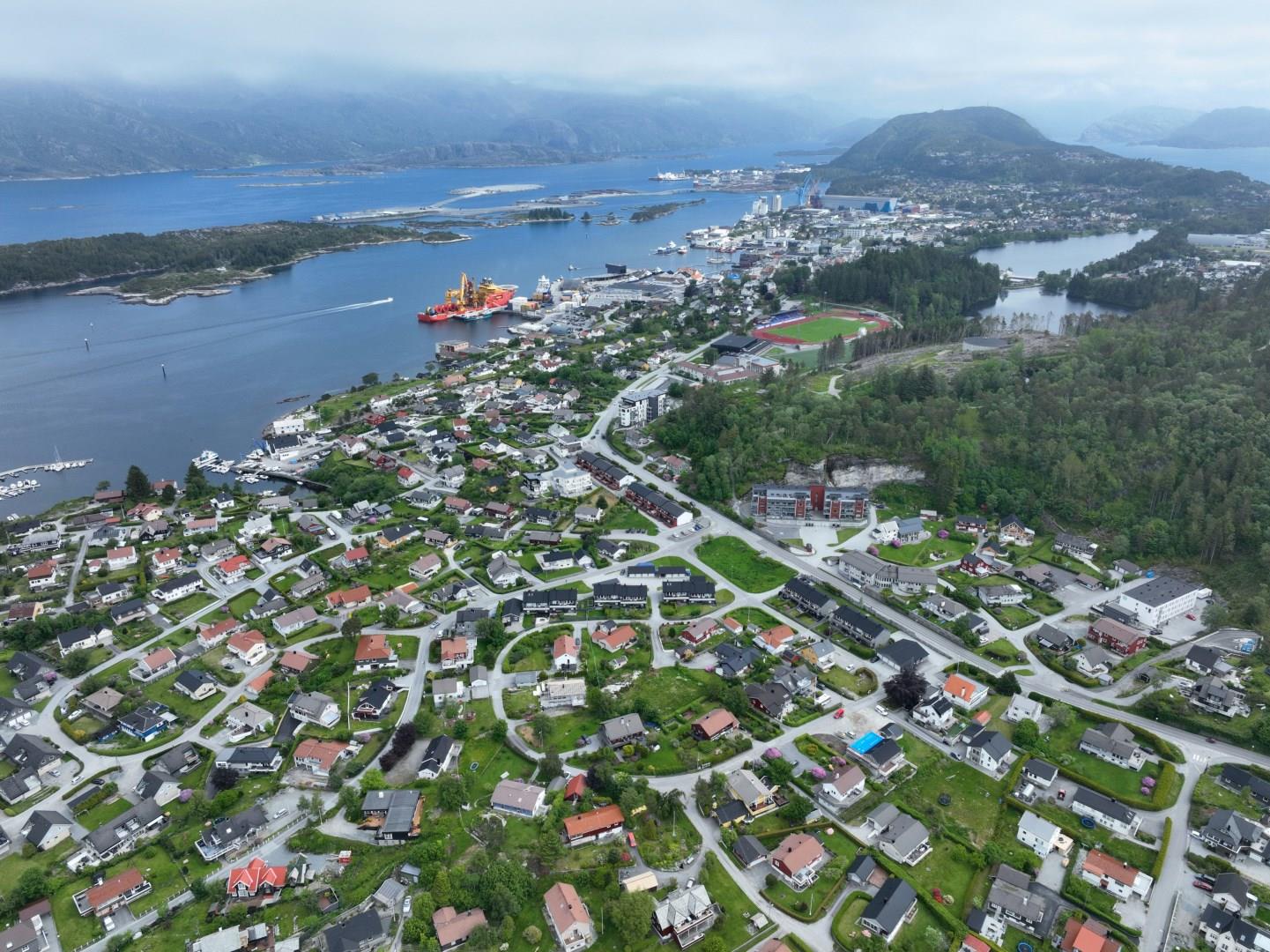
Florø, the westernmost town in Norway, sits right at the edge of the sea as a small, coastal town with deep maritime roots and front-row views of the North Atlantic. Established in 1860 as a herring fishing hub, Florø still carries the rhythm of the ocean in daily life. Though small in size, the town serves as a jumping-off point to explore the rugged coastline, scenic fjords, and a collection of islands that each have their own stories and scenery.

Zurich
Eminently livable and a pleasure to visit, Zurich is Switzerland's largest and most affluent city. This Central European metropolis is an engine of finance and banking, and has much to offer to visitors. There are numerous art museums, fine chocolate stores, and boundless luxury shopping opportunities.


