Nice
With its blend of natural beauty, historic charm, and artistic flair, Nice offers an unforgettable experience on the French Riviera. Whether wandering through its picturesque streets, enjoying a day at the beach, or savoring its regional cuisine, visitors will fall in love with this enchanting city.
Point Reyes
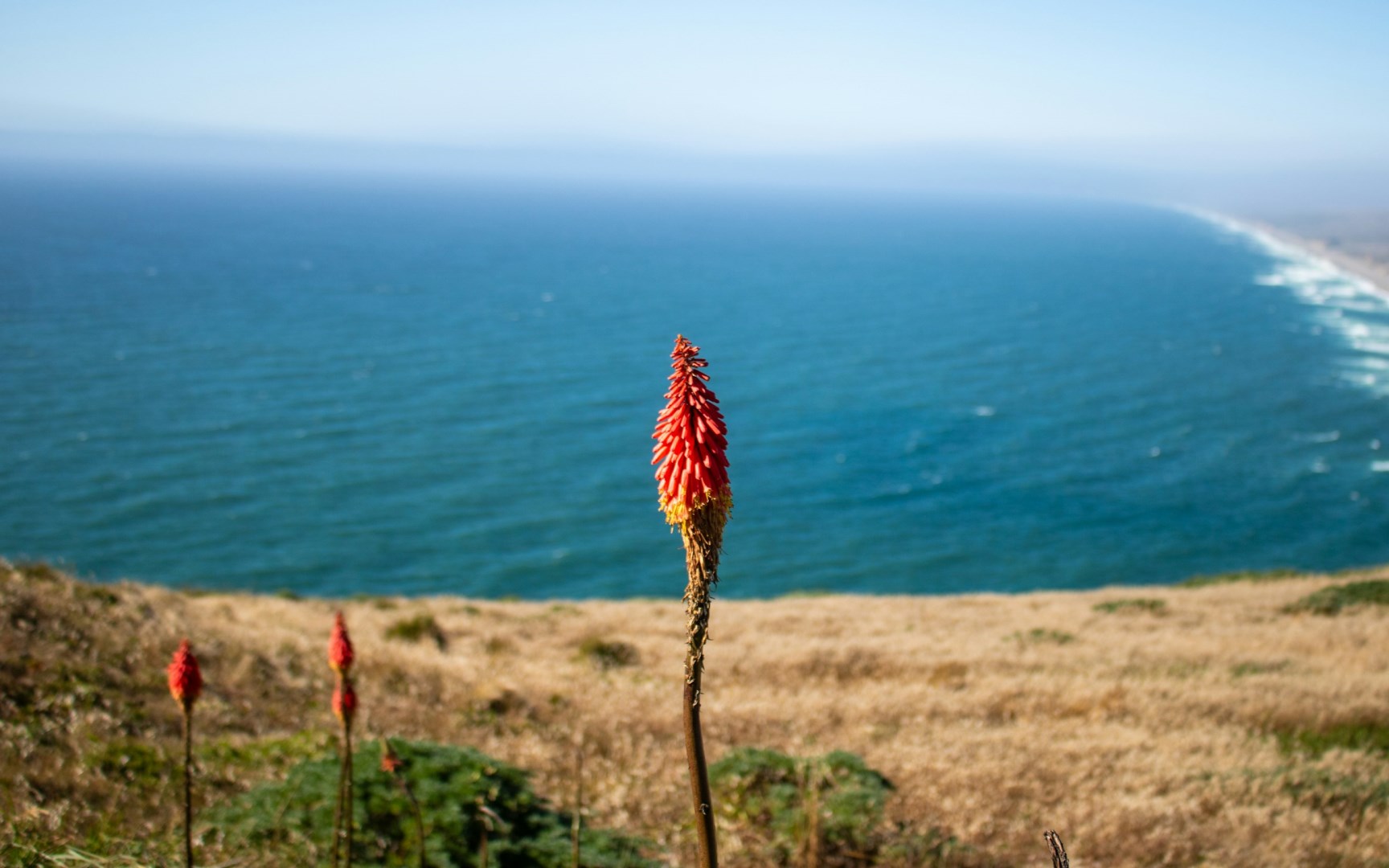
Point Reyes is a rugged coastal region of Northern California, extending into the Pacific Ocean on the western side of Marin County. Much of the peninsula is protected within Point Reyes National Seashore, where windswept beaches, coastal cliffs, grasslands, forests, wetlands, and rocky headlands create a varied landscape.

Des Moines
Des Moines, Iowa’s capital city, offers a refreshing take on Midwest travel with a blend of creativity, history, and community pride. Its downtown skyline is anchored by the gold-domed Iowa State Capitol, which offers free guided tours and a striking view from its hilltop perch. Just across the river, the East Village mixes old brick storefronts with indie shops, coffee houses, and vibrant murals. It's where old meets new, a theme that runs throughout the city’s evolving identity.
Fowey
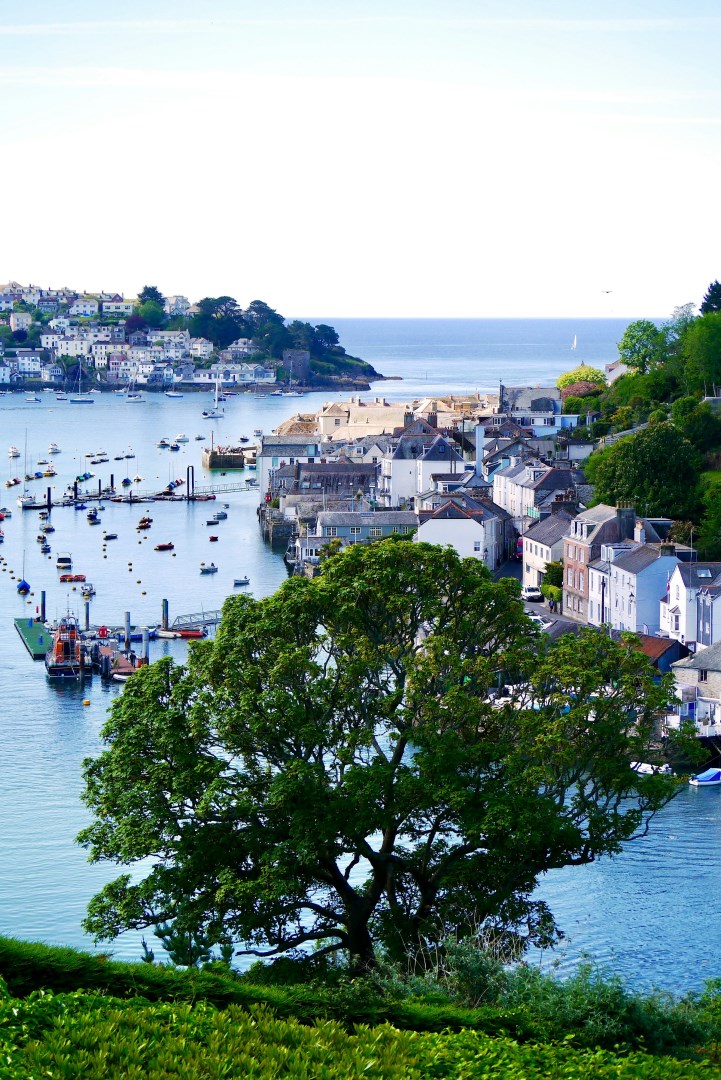
Nestled along the southern coast of Cornwall, England, Fowey is a quintessentially charming town with a rich maritime heritage. This picturesque port town offers visitors a delightful blend of historical intrigue and scenic beauty. Stroll through the narrow streets lined with quaint shops and cafes, and marvel at the well-preserved architecture that speaks to the town's storied past.
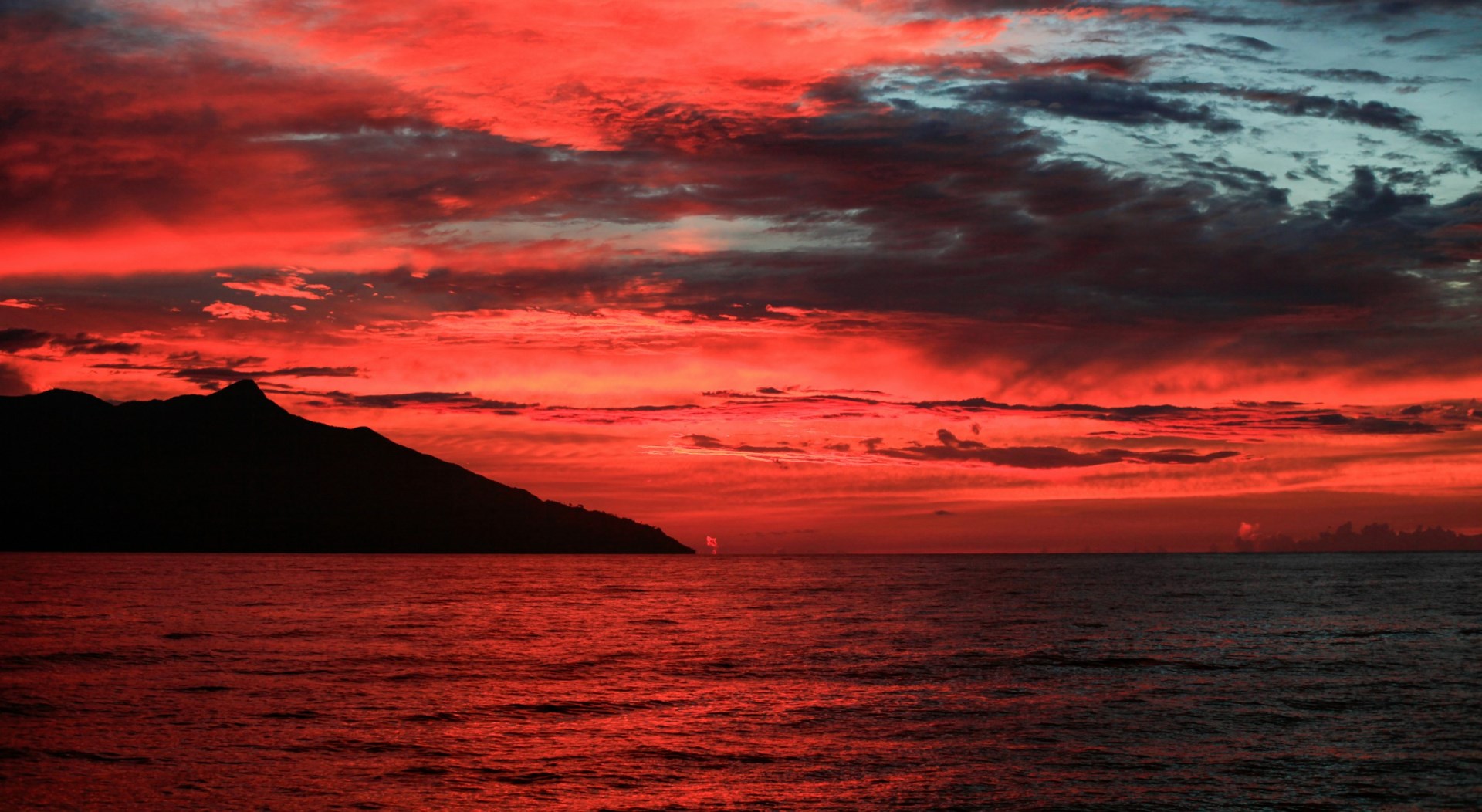
Goodenough Island
Goodenough Island is one of the D’Entrecasteaux Islands in Milne Bay Province, Papua New Guinea, lying in the Solomon Sea north of the mainland. The island has a distinctive rounded form, with steep slopes rising toward Mount Vineuo in the center and narrow coastal plains around much of its shoreline.