Sacred Valley
The Sacred Valley, located in the Andes and divided by Urubamba River, was part of the larger Inca Empire, along with Machu Picchu and the closeby town of Cusco. Tourists will see green agricultural landscapes and Spanish hamlets like Ollantaytambo and Pisac, the latter featuring a Sunday market.

Dominica
Dominica, known as the “Nature Island of the Caribbean,” is a haven for eco-tourists and adventure seekers. Nestled between the French islands of Guadeloupe and Martinique, this lush island boasts a remarkable landscape of volcanic mountains, dense rainforests, and stunning waterfalls. Dominica’s most iconic natural wonder is the Boiling Lake, the second-largest hot spring in the world.
Bikaner
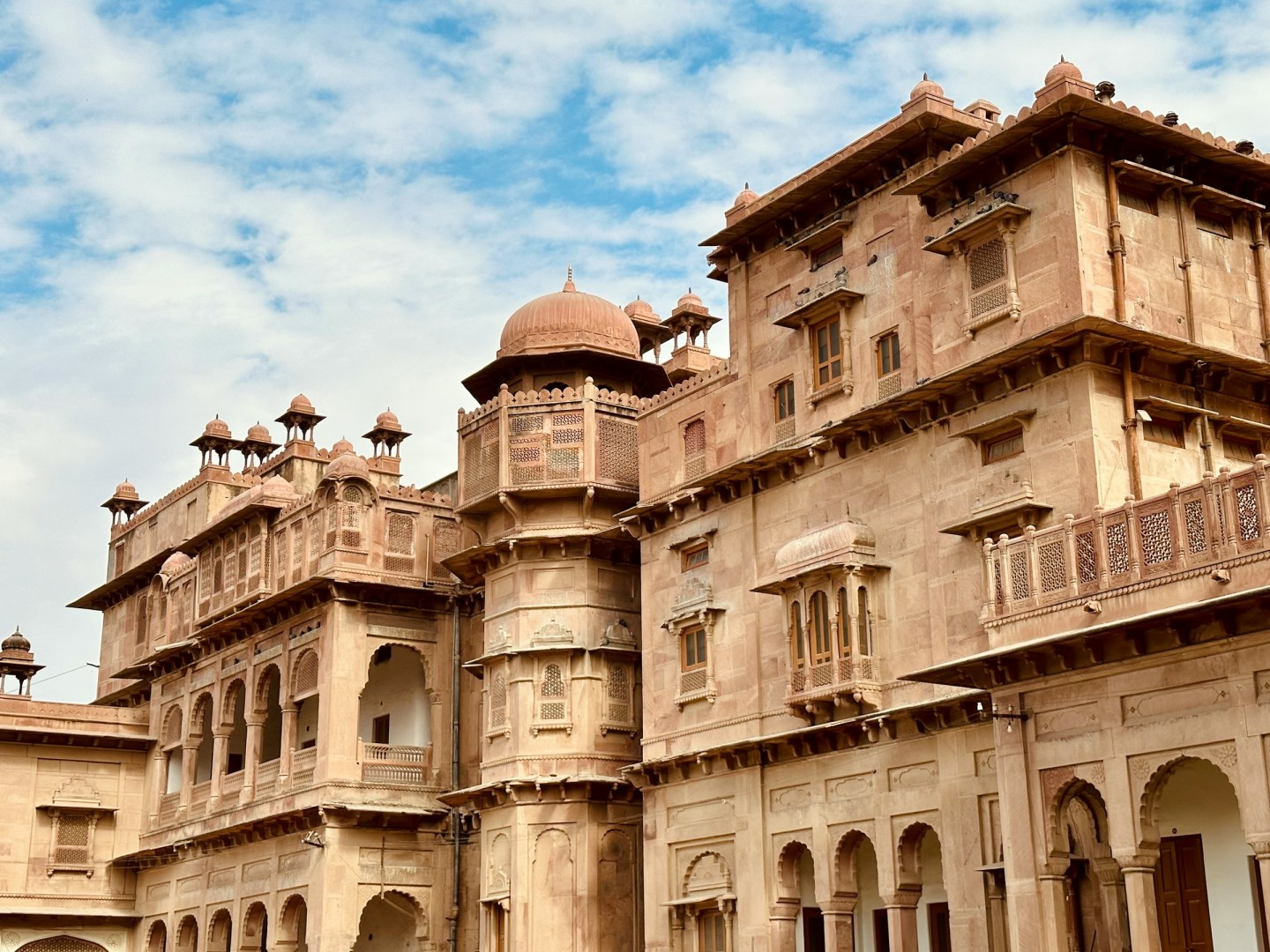
Bikaner is a historic city in Rajasthan, set on the edge of the Thar Desert in northwestern India. Its landscape is characterized by sandy plains, sparse vegetation, and hardy desert crops, while the city itself is known for its fortified walls, ornate havelis, temples, and busy bazaars. Bikaner developed as an important trading center on desert routes, and its architecture reflects the wealth created through commerce. Today, the city remains closely associated with desert culture, camel breedin
Durango
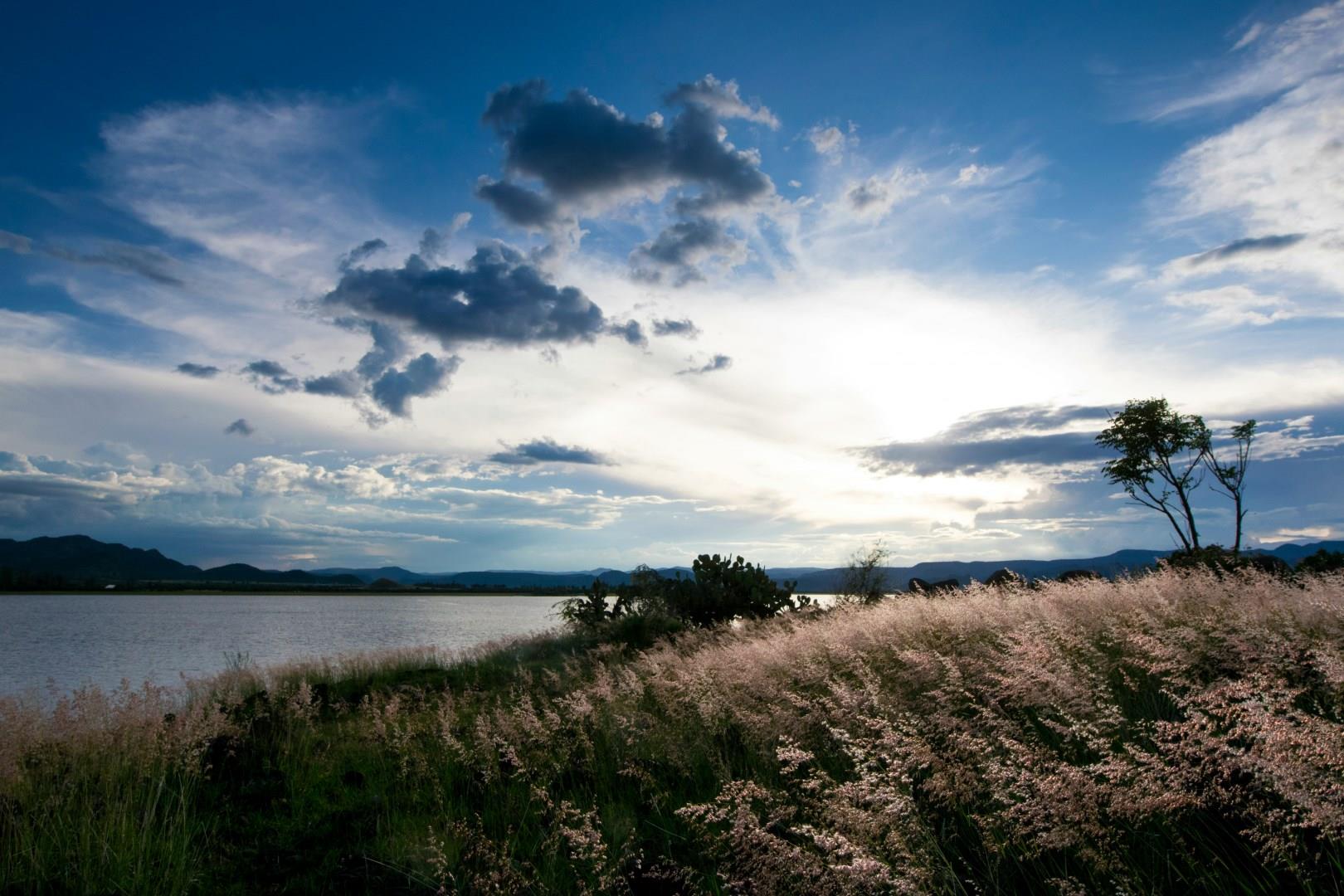
Durango, located in north-central Mexico, is a destination rich in history, dramatic landscapes, and cultural traditions that date back centuries. Once a key outpost during Spanish colonization, Durango played an important role in the development of northern Mexico. The city of Victoria de Durango, the state capital, features cobblestone streets and more than 1,000 officially registered historical structures.
Corpus Christi
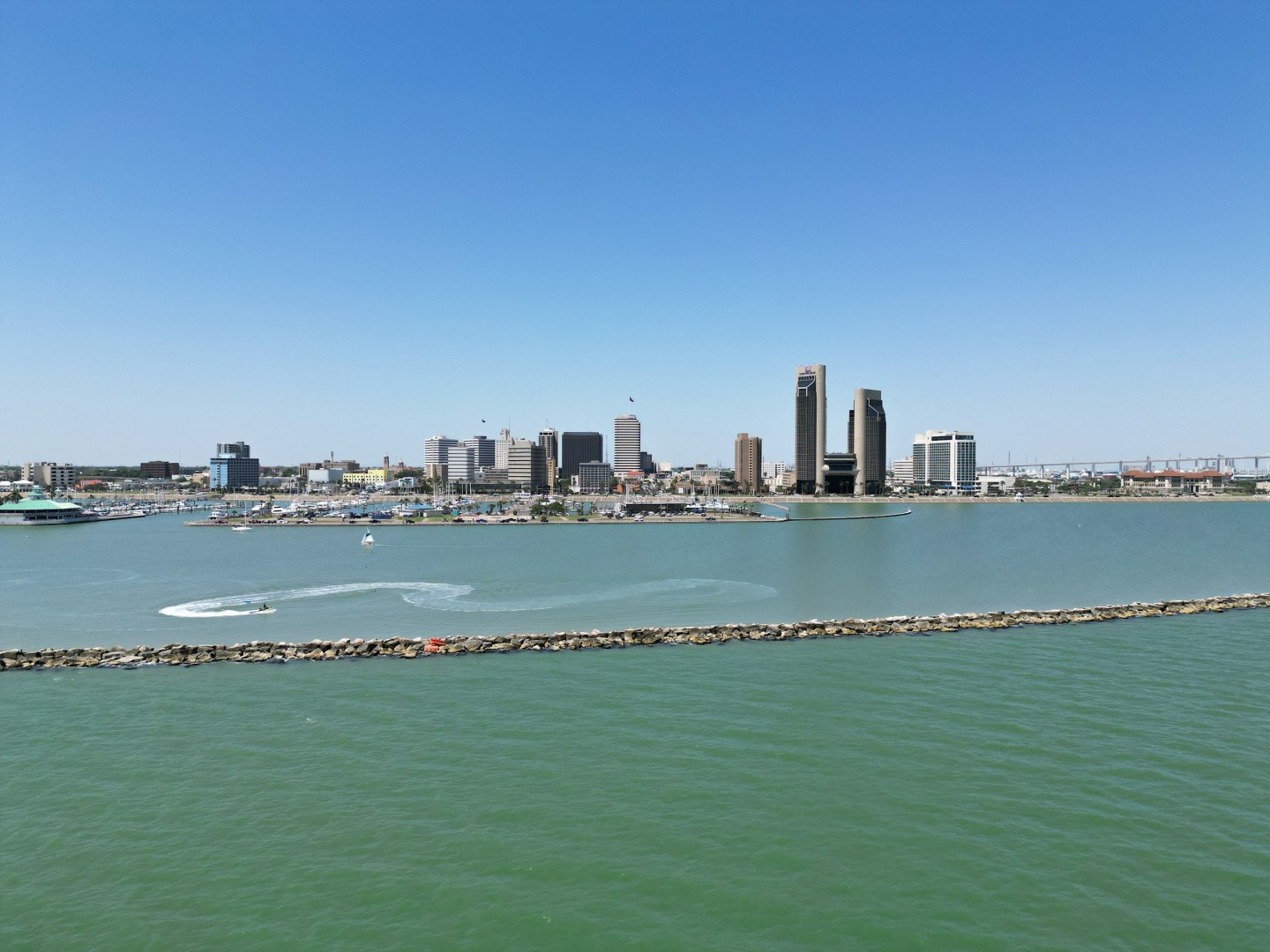
Corpus Christi is a coastal city on the Gulf of Mexico in southern Texas, set along Corpus Christi Bay and separated from the open Gulf by Padre Island and Mustang Island. Its landscape includes broad beaches, tidal flats, coastal wetlands, and shallow bays that support a wide range of marine and bird life.