

Ljubljana
Ljubljana, Slovenia's charming capital, offers a delightful blend of historical allure and modern vibrancy. Nestled along the Ljubljanica River, this picturesque city invites visitors to explore its well-preserved medieval architecture and vibrant cultural scene. At the heart of Ljubljana is the iconic Ljubljana Castle, perched on a hilltop with stunning panoramic views of the city.

Muscat
Travelers on the Arabian Sea often find themselves in Muscat, on the Gulf of Oman. This port capital is situated between ocean and mountains, and boasts lovely beaches, great diving sites (watch for turtles!), 16th-century forts, and the impressive Sultan Qaboos Grand Mosque, which can hold 20,000 people.
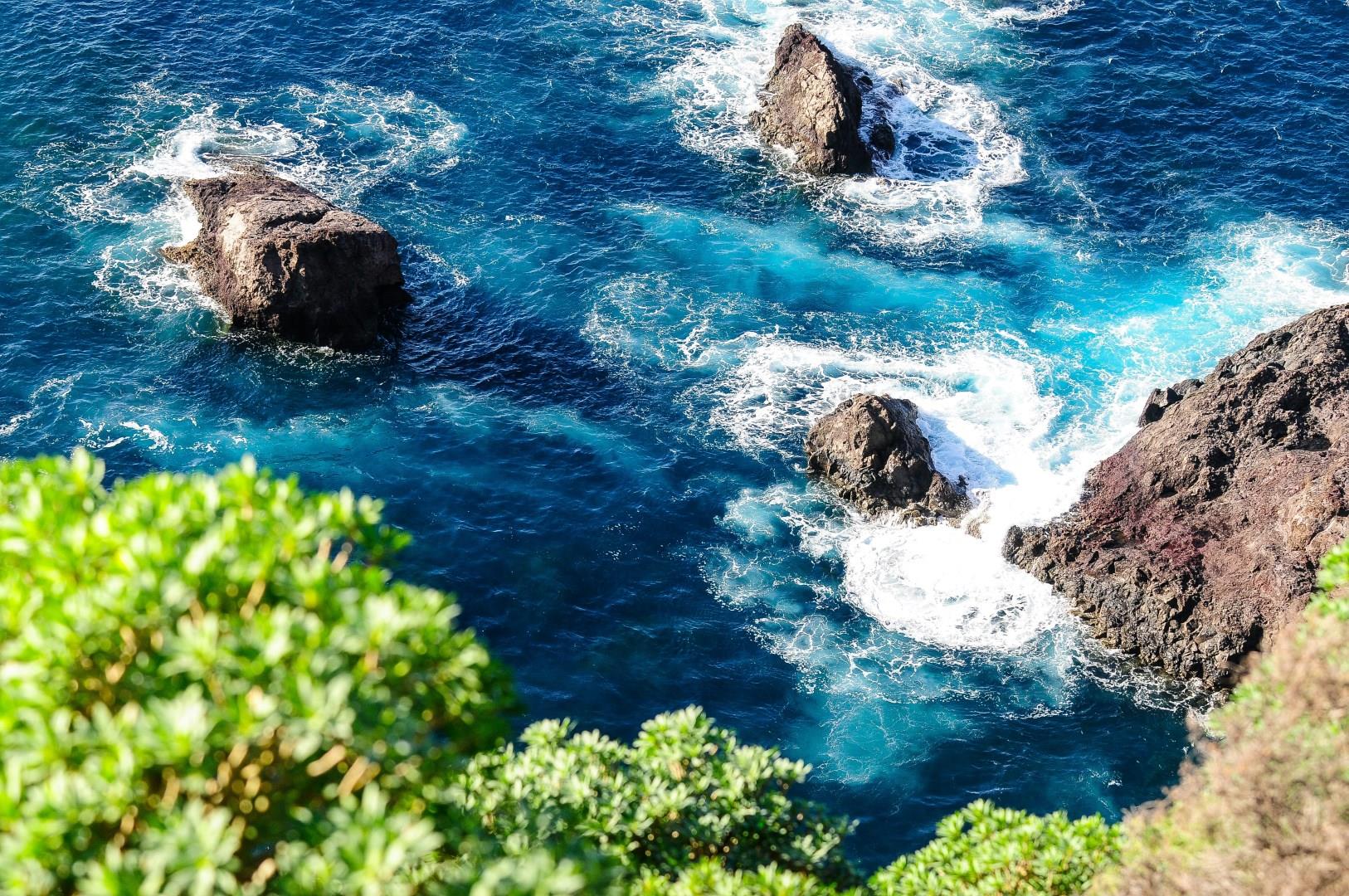
La Palma
La Palma (also San Miguel de La Palma) is the fifth of Spain's Canary Islands. This mountainous volcanic island is a natural wonder of tropical vegetation. Its coast is lined by jagged cliffs and plunging ravines, and its beaches are covered with black sand. Thanks to dry climate and the height of its mountains creating excellent observation conditions, La Palma has become the home of some of the world's largest telescopes, seated on the rocky ridge called El Roque de los Muchachos.
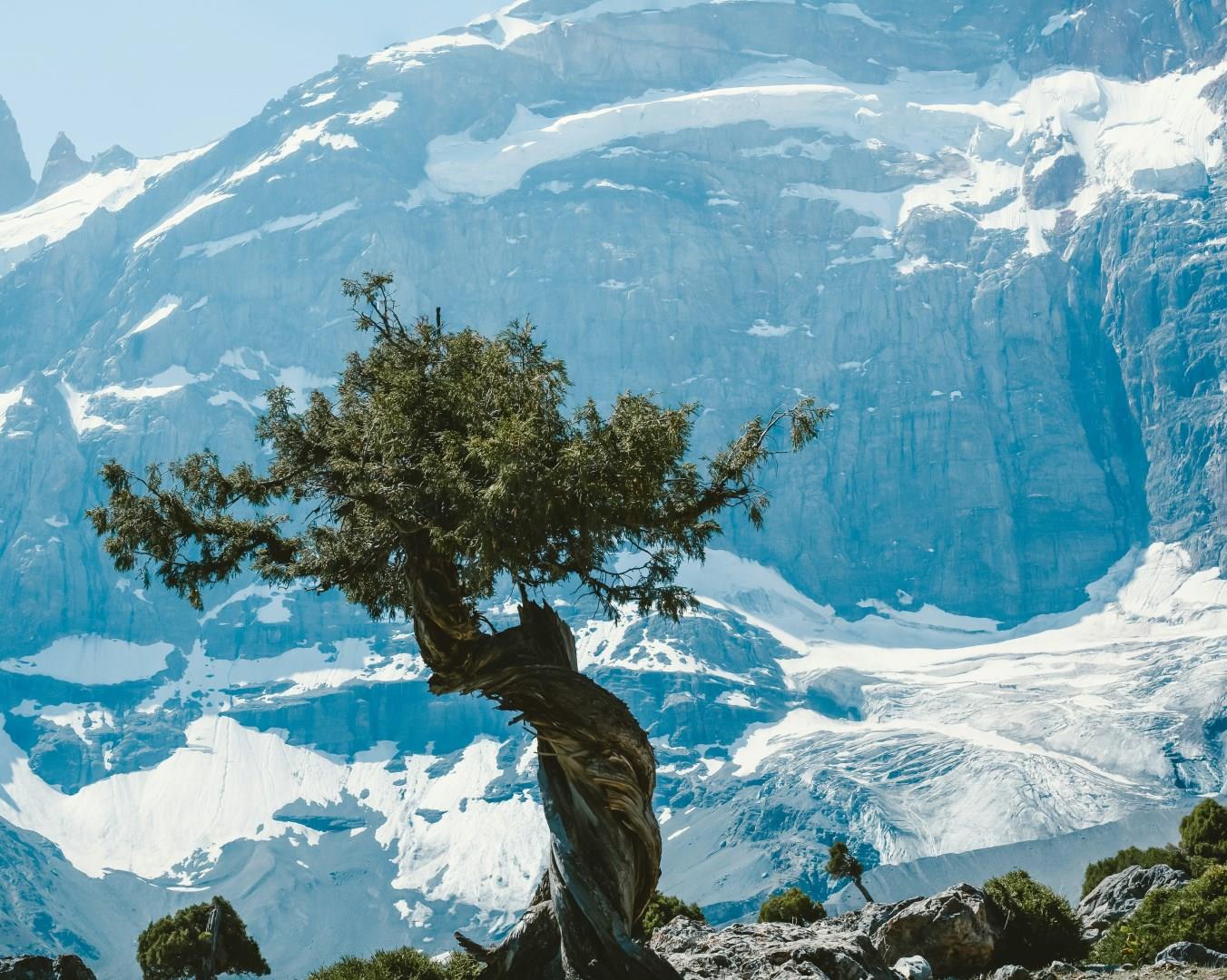
Tajikistan
Tajikistan, a landlocked country in Central Asia, is defined by its dramatic mountain landscapes, including the towering Pamir and Fann ranges. These rugged peaks and deep valleys create a striking backdrop for ancient Silk Road sites and traditional villages, reflecting the country’s historical importance as a crossroads of cultures.

Punta Arenas
A favorite stop on South American and Antarctic cruises, Punta Arenas lies within the spectacular system of fjords that dot the coast of Chile. La Cruz Hill affords commanding views of the Straits of Magellan. Visit Punta Arenas for fascinating museums, quaint restaurants filled with fresh Chilean eats, and ample opportunity to watch local penguins!


