Assisi
Assisi, Italy, is a city where history and spirituality intertwine, creating an atmosphere that is both serene and awe-inspiring. Perched on the slopes of Mount Subasio in the Umbria region, Assisi is best known as the birthplace of St. Francis, one of the most beloved saints in Christianity. The city is a pilgrimage site for those seeking to walk in the footsteps of St. Francis, with the majestic Basilica of San Francesco d'Assisi standing as a testament to his enduring legacy. This UNESCO Worl

Puerto Vallarta
Nestled on the glittering shores of Bahía de Banderas and bordered by mountains to the east, Puerto Vallarta is a vibrant resort town bustling with tourists. You'll still find the traditional whitewashed houses with red-tile roofs, vivid bougainvillea, cobblestone streets, and colorful fishing boats. Puerto Vallarta is sure to charm you on your next visit to this Mexican paradise!
Habarana
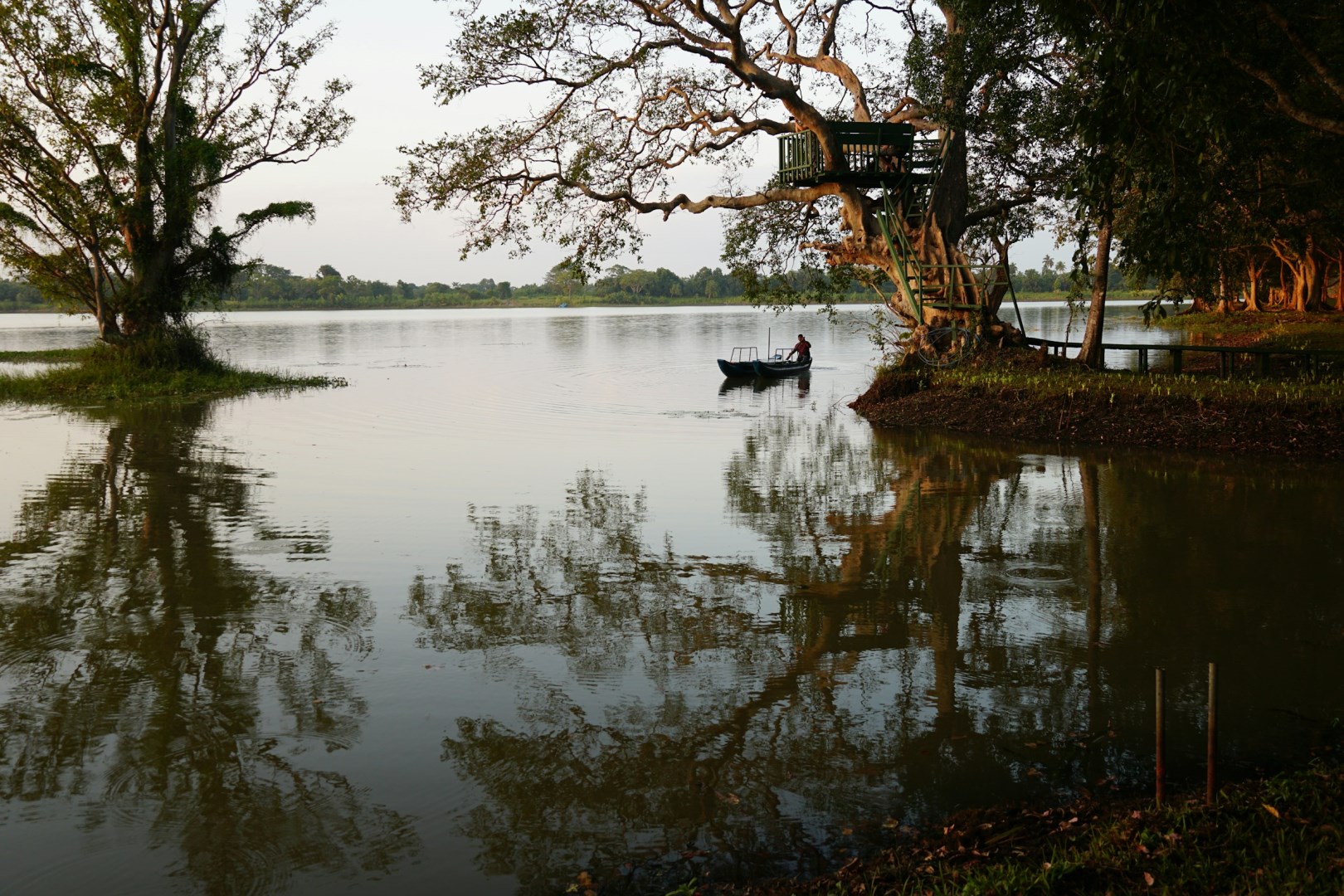
Habarana is a small town in Sri Lanka’s North Central Province and an important base for exploring the island’s Cultural Triangle. Set among dry-zone forest, lakes, and open countryside, it provides access to several major heritage and wildlife sites. Sigiriya, Polonnaruwa, Dambulla, and Anuradhapura are all within reach, while the town itself has developed accommodation and services for visitors traveling between these destinations.
Chandler
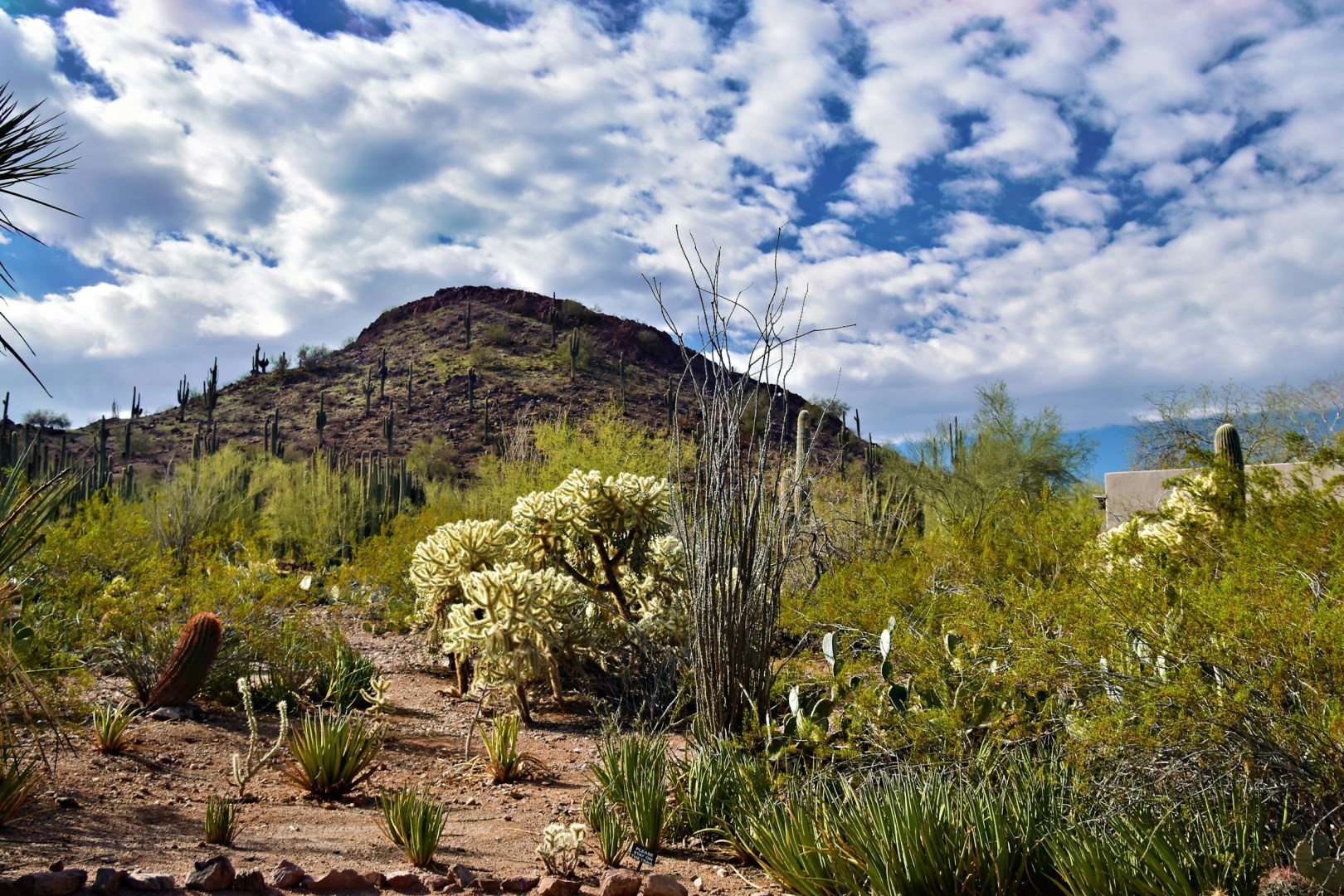
Chandler, located in the southeastern part of the Phoenix metropolitan area in Arizona, is a vibrant city that balances modern urban amenities with a strong sense of community and history. Originally founded as an agricultural town in the early 20th century, Chandler has grown into a hub for technology, education, and culture, while still celebrating its roots through local heritage sites and events.
Batu Caves
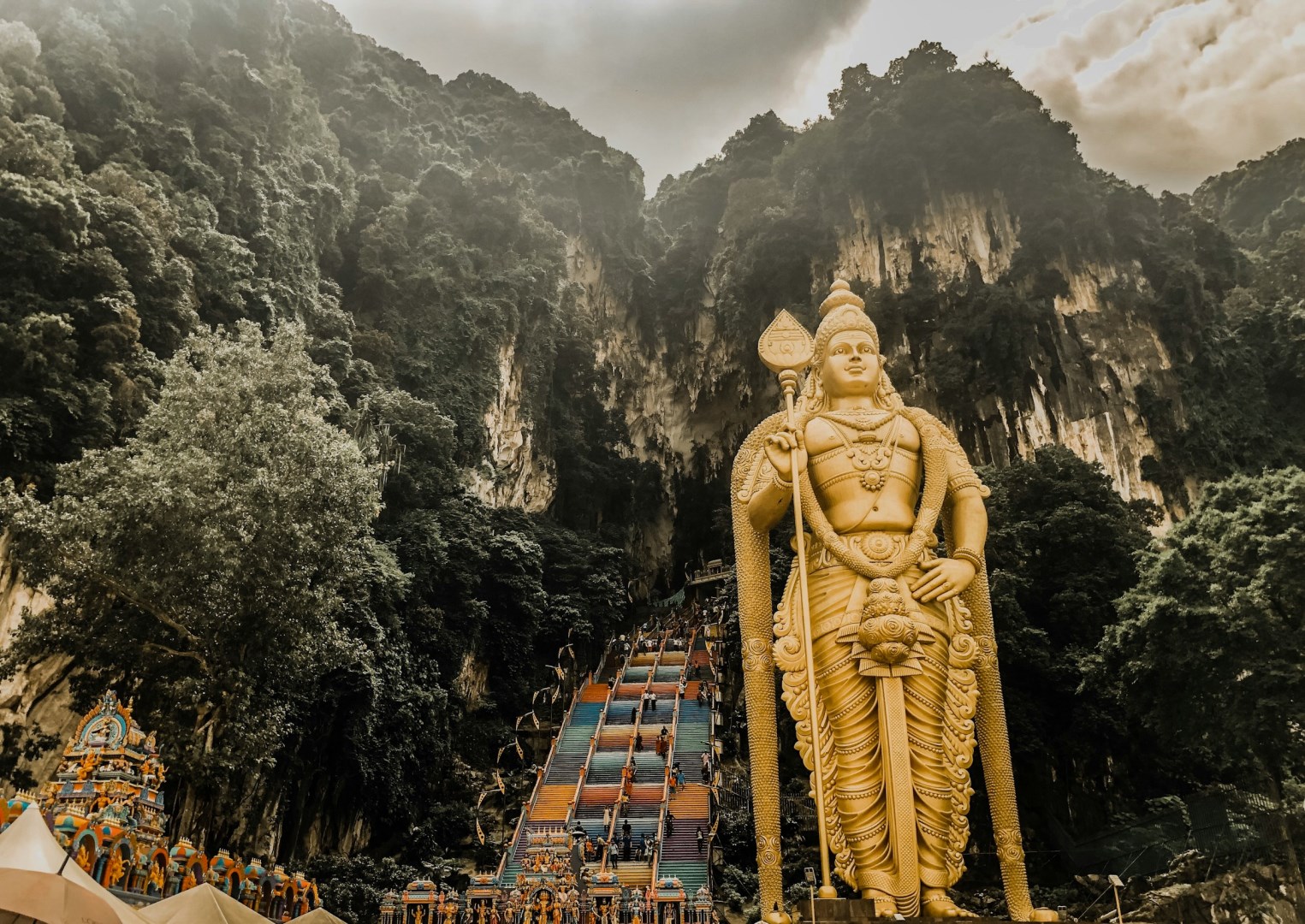
Batu Caves is a limestone hill and Hindu religious complex in Gombak, Selangor, just north of Kuala Lumpur. The site consists of several caves and caverns formed within a limestone outcrop, with the main Temple Cave reached by a staircase of 272 steps.