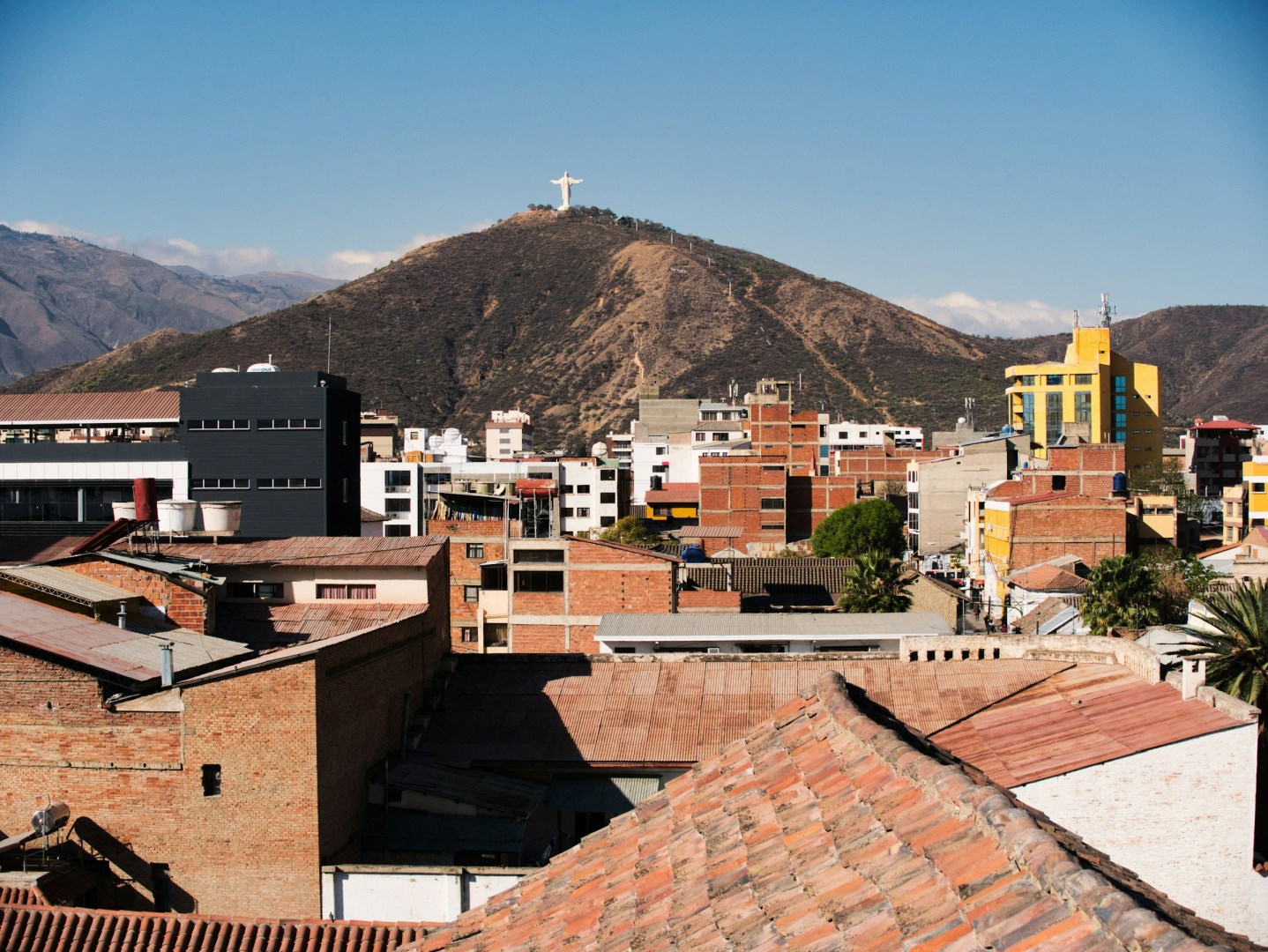
Cochabamba
Bolivia's third largest city, it lies high in the valley of Cordillera Oriental. It is an agricultural hub of the country, especially for grains. Founded in 1574 by a conquistador, it is the home of an excellent archeological museum.
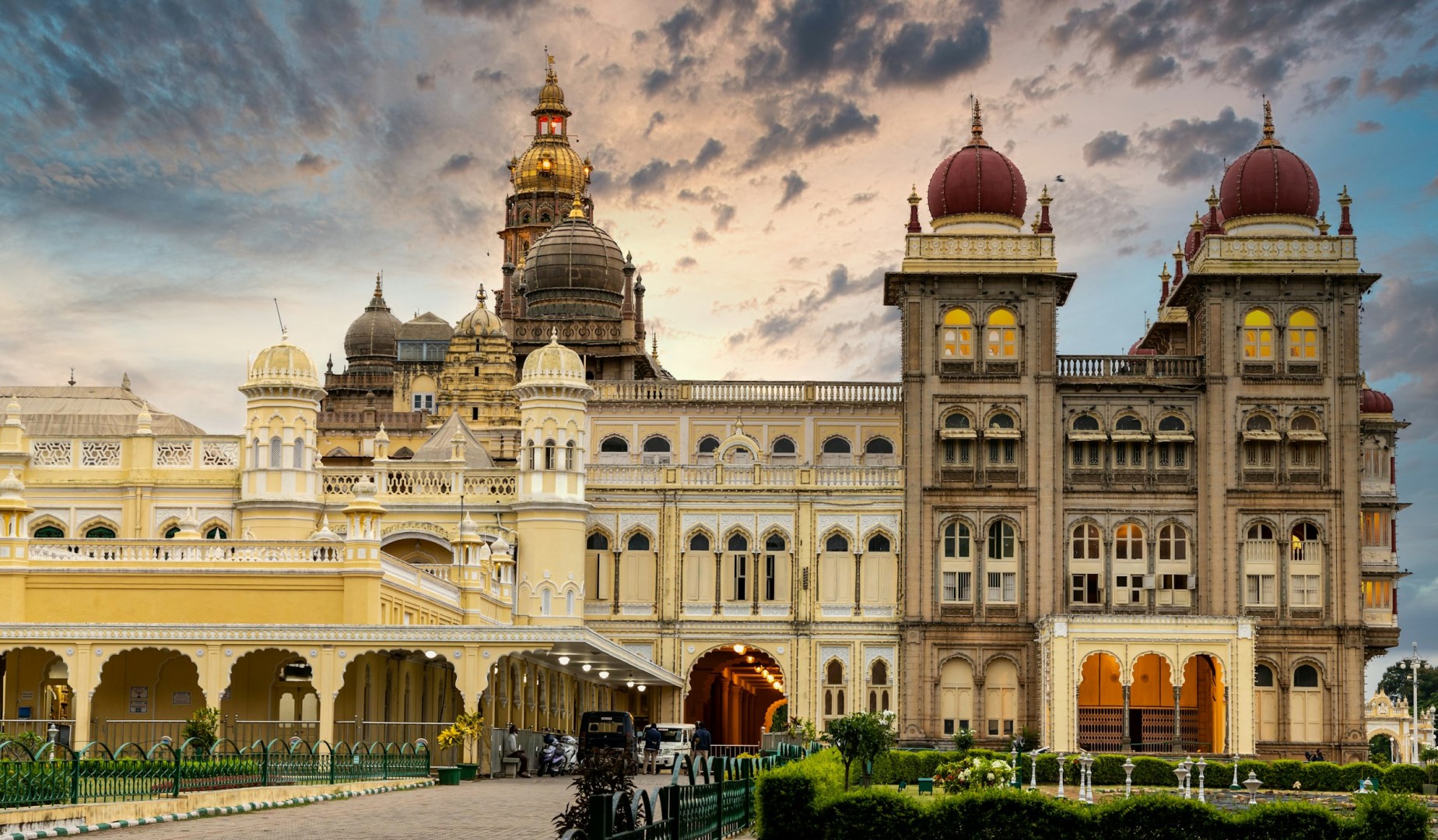
Mysore
Mysore, often called the “Cultural Capital of Karnataka,” is a city where centuries-old royal heritage meets living tradition. Located at the foothills of the Chamundi Hills, it is best known for its palaces, wide boulevards, and colorful festivals. Once the seat of the Wadiyar dynasty, Mysore still carries an unmistakable royal influence that can be seen in its architecture, markets, and cultural celebrations.

Dar Es Salaam
Dar es Salaam, Tanzania’s largest city and economic hub, offers visitors a vibrant mix of African, Arab, and European influences, making it one of East Africa’s most culturally diverse cities. With its bustling markets, lively waterfront, and historical sites, Dar es Salaam gives tourists a glimpse into the country’s rich history and dynamic present.
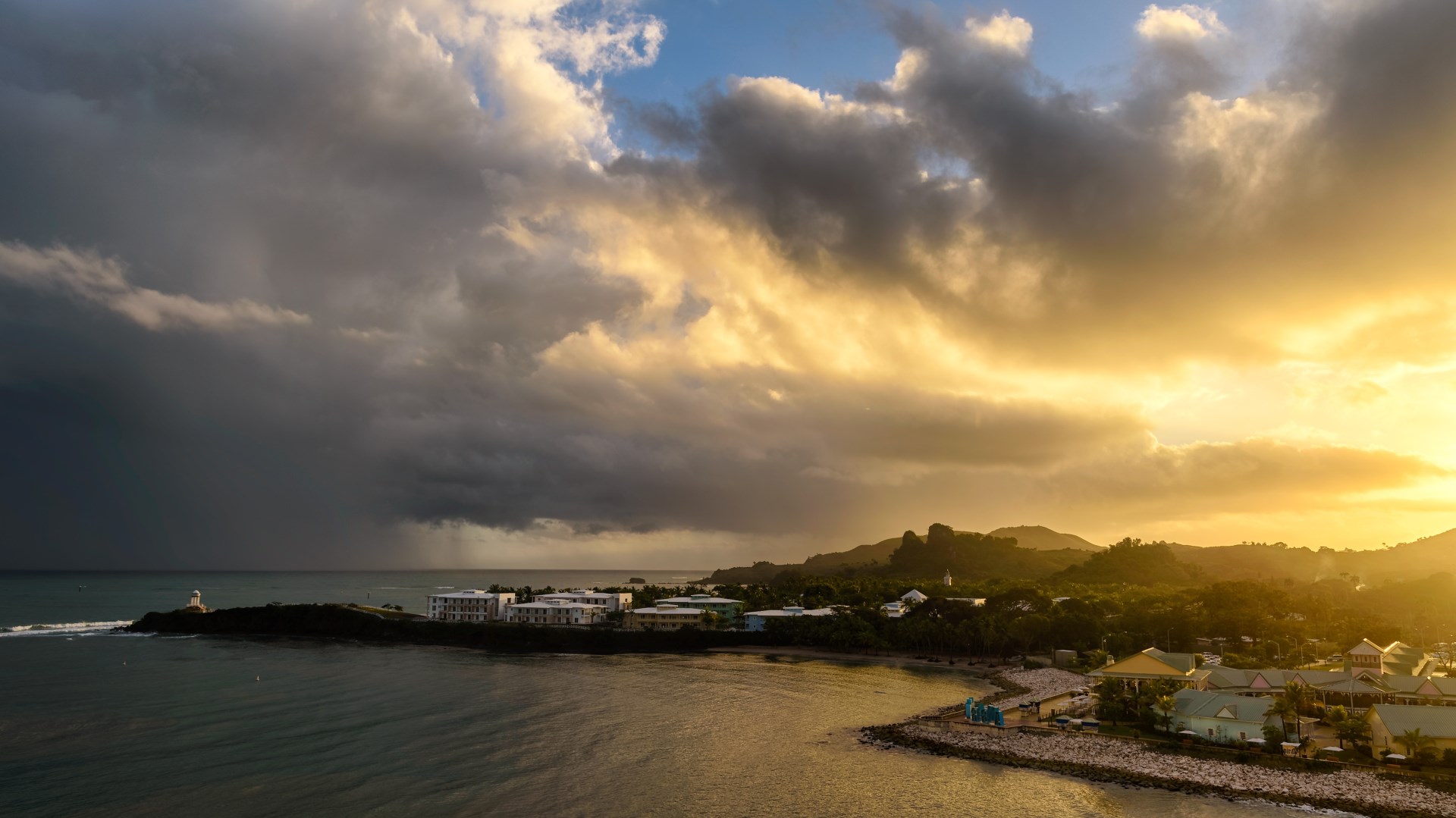
Amber Cove
Located along the northern coast of the Dominican Republic, Amber Cove serves as a vibrant gateway to the region of Puerto Plata. Designed as a cruise port with a strong sense of place, the area reflects the island’s long connection to the sea and trade. Visitors often begin their experience with views of the harbor framed by green mountains, setting the tone for what lies beyond.

Matera
Matera, one of Italy's most enchanting cities, is a living testament to human resilience and creativity. Nestled in the southern region of Basilicata, Matera is renowned for its ancient cave dwellings, known as the Sassi. These prehistoric stone houses, carved directly into the limestone rock, date back thousands of years, making Matera one of the world's oldest continuously inhabited cities.