Qingdao
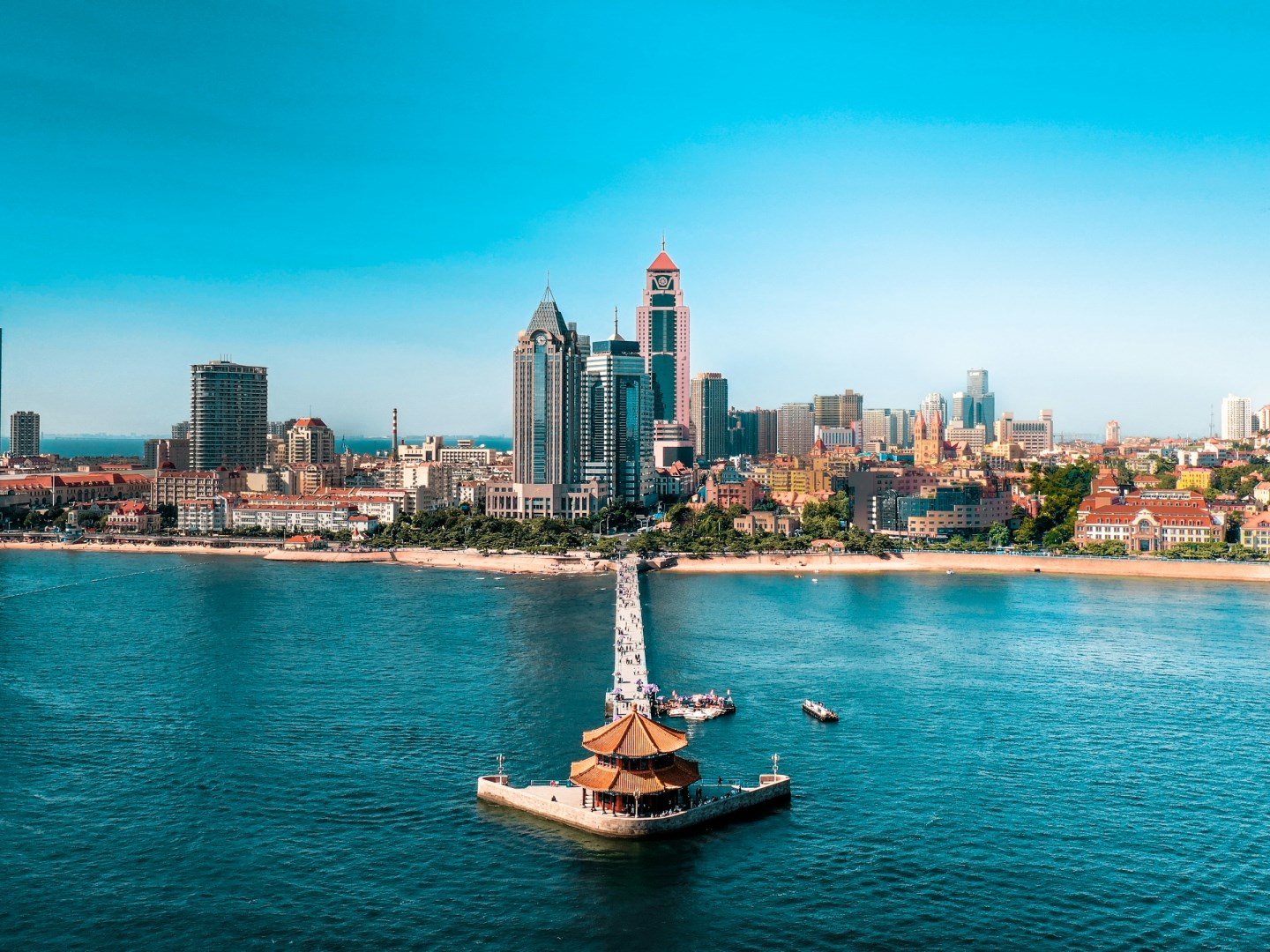
Qingdao, also Tsingtao or Ch'ing-tao, Shandong Province, eastern China. It is a major naval base, an industrial center, and a port on the Yellow Sea at the entrance to sheltered Jiaozhou Bay. The port, which rarely freezes over, serves the industrialized northern China Plain and was expanded in 1976 to include an oil terminal for large tankers on Huang Island. The leading manufactures of the city include textiles, railroad equipment, rubber goods, fertilizer, and chemicals.
Margarita Island
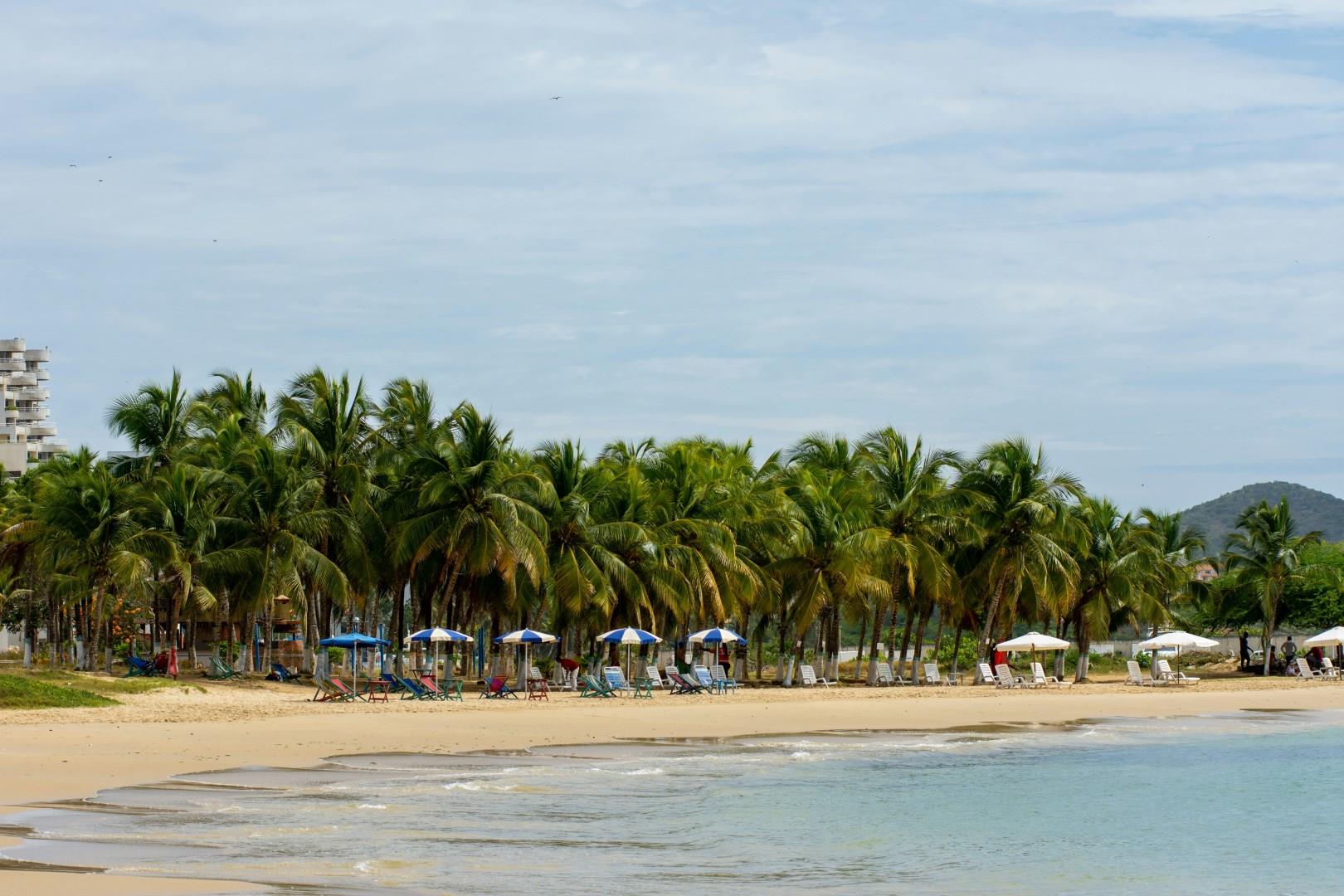
Margarita Island, known locally as Isla de Margarita, sits just off Venezuela’s northeastern coast in the warm Caribbean Sea. The island's famous beaches span from quiet coves to wide-open shorelines. Playa El Agua stretches for over two miles with swaying palms and lively beachfront restaurants serving fresh snapper, tostones, and cold Polar beer. For those seeking less crowded sands, Playa Zaragoza offers calm waters and a glimpse of everyday coastal life.

Portsmouth
Whether it’s delving into naval history, enjoying panoramic views, or soaking in the coastal charm, Portsmouth offers an engaging and memorable experience for all who visit.

New Jersey
New Jersey often surprises first-time visitors. It’s not just the gateway to New York or Philadelphia but a destination in its own right with deep Revolutionary War history, beach towns full of character, and some of the most diverse food offerings on the East Coast. Cities like Trenton and Morristown still carry the echoes of pivotal battles, while monuments and preserved buildings tell stories of George Washington’s winter encampments and early American resilience.
Kenmare
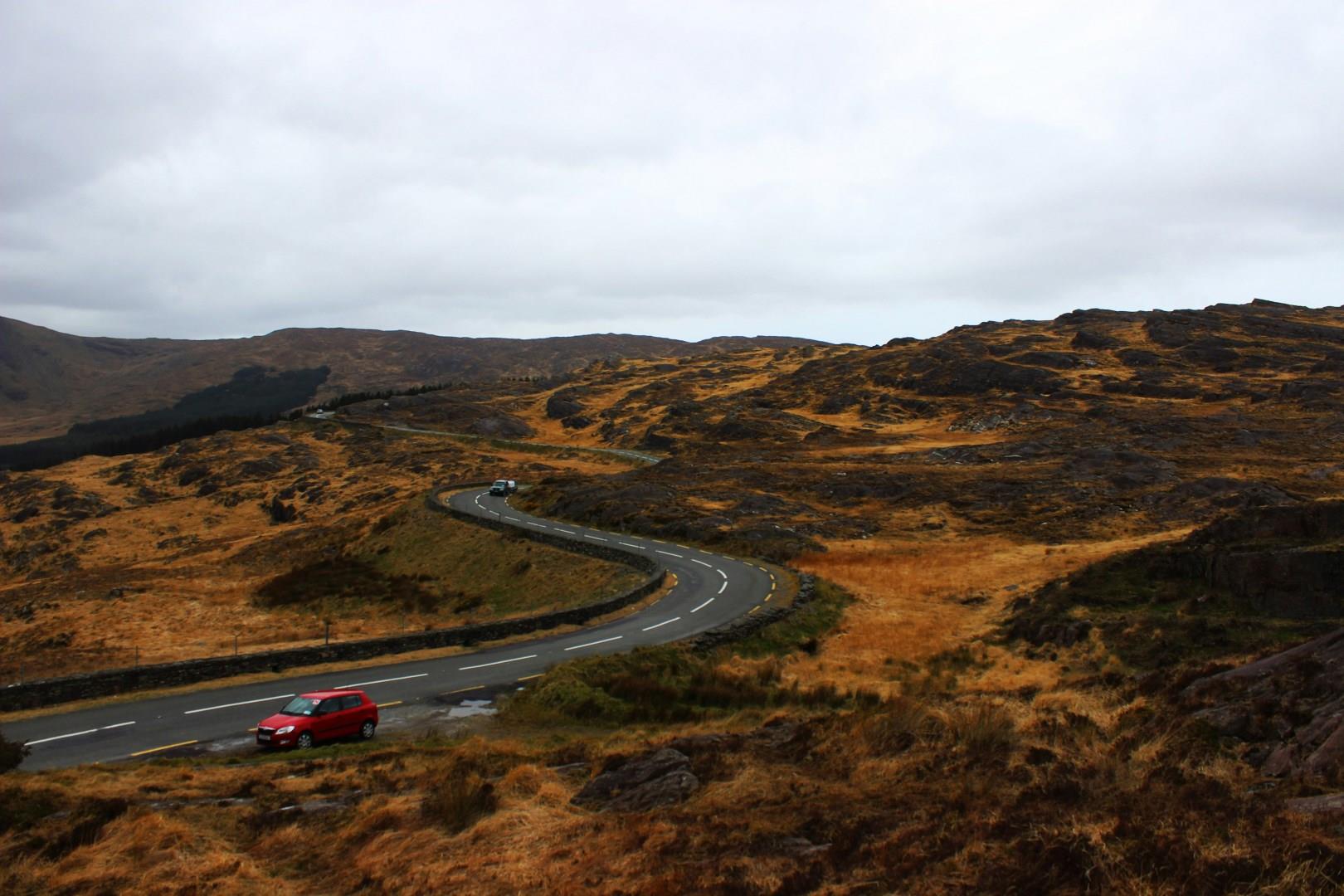
Kenmare, tucked in Ireland’s southwest, is a town that blends natural splendor with small-town warmth. Founded in the 17th century as part of a planned settlement, it has grown into a vibrant community known for its colorful streets, artisan shops, and lively pubs where traditional Irish music fills the air.