Arikok National Park
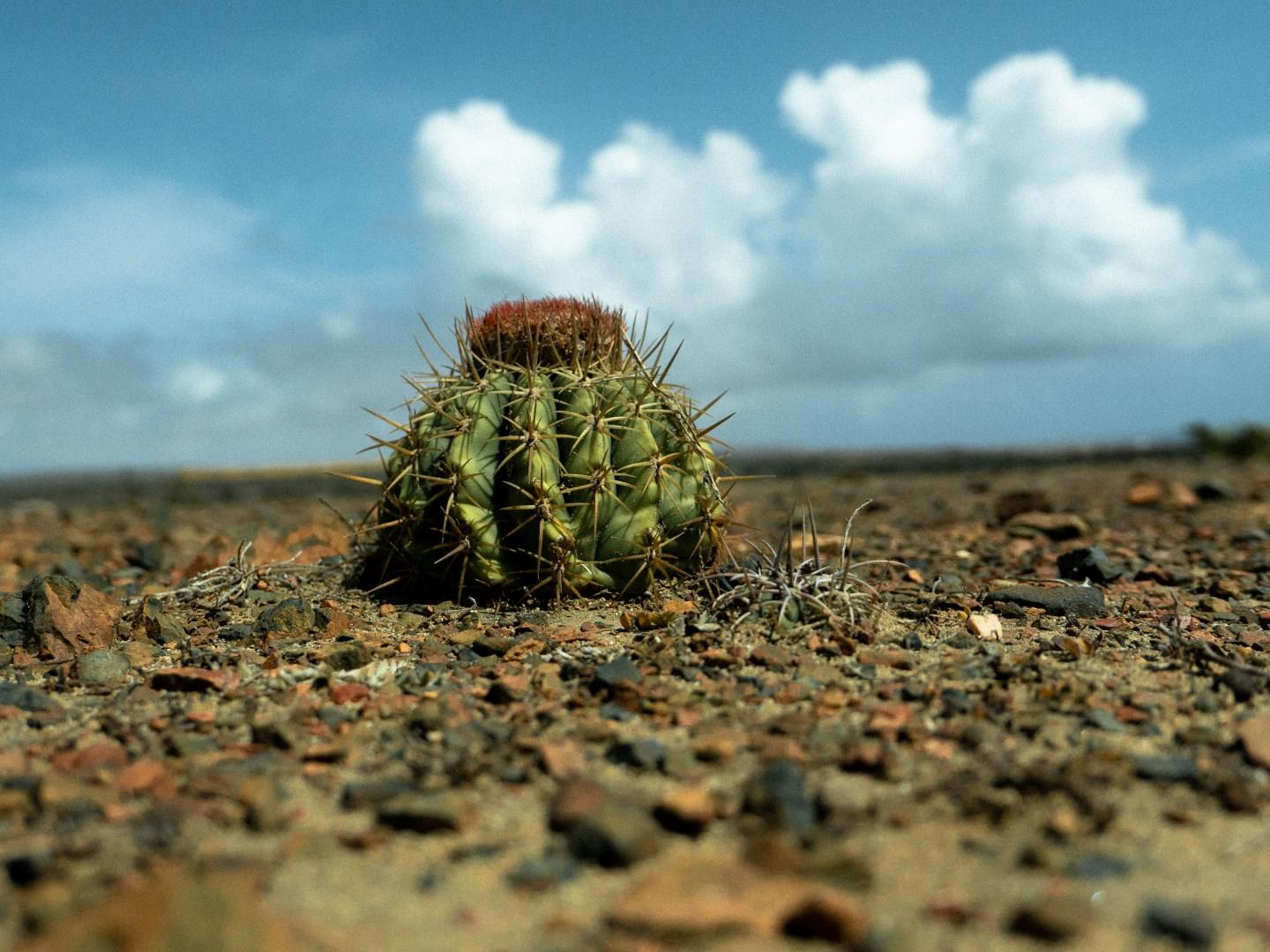
Arikok National Park, covering nearly 20% of Aruba, is a striking showcase of the island’s rugged landscapes, cultural history, and biodiversity. Unlike the postcard image of Aruba’s white-sand beaches, Arikok reveals a wilder side, with windswept hills, desert-like terrain, and dramatic limestone cliffs meeting the sea.
Incheon
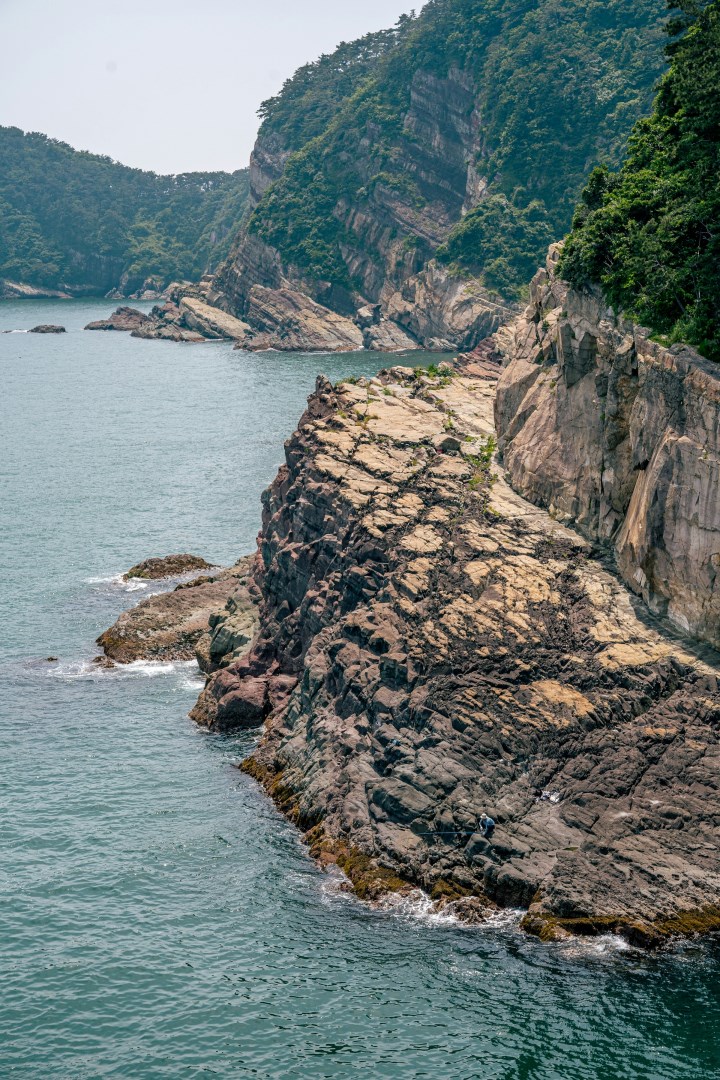
Located on the Yellow Sea in northwest South Korea, it is a large port city.

Dominica
Dominica, known as the “Nature Island of the Caribbean,” is a haven for eco-tourists and adventure seekers. Nestled between the French islands of Guadeloupe and Martinique, this lush island boasts a remarkable landscape of volcanic mountains, dense rainforests, and stunning waterfalls. Dominica’s most iconic natural wonder is the Boiling Lake, the second-largest hot spring in the world.
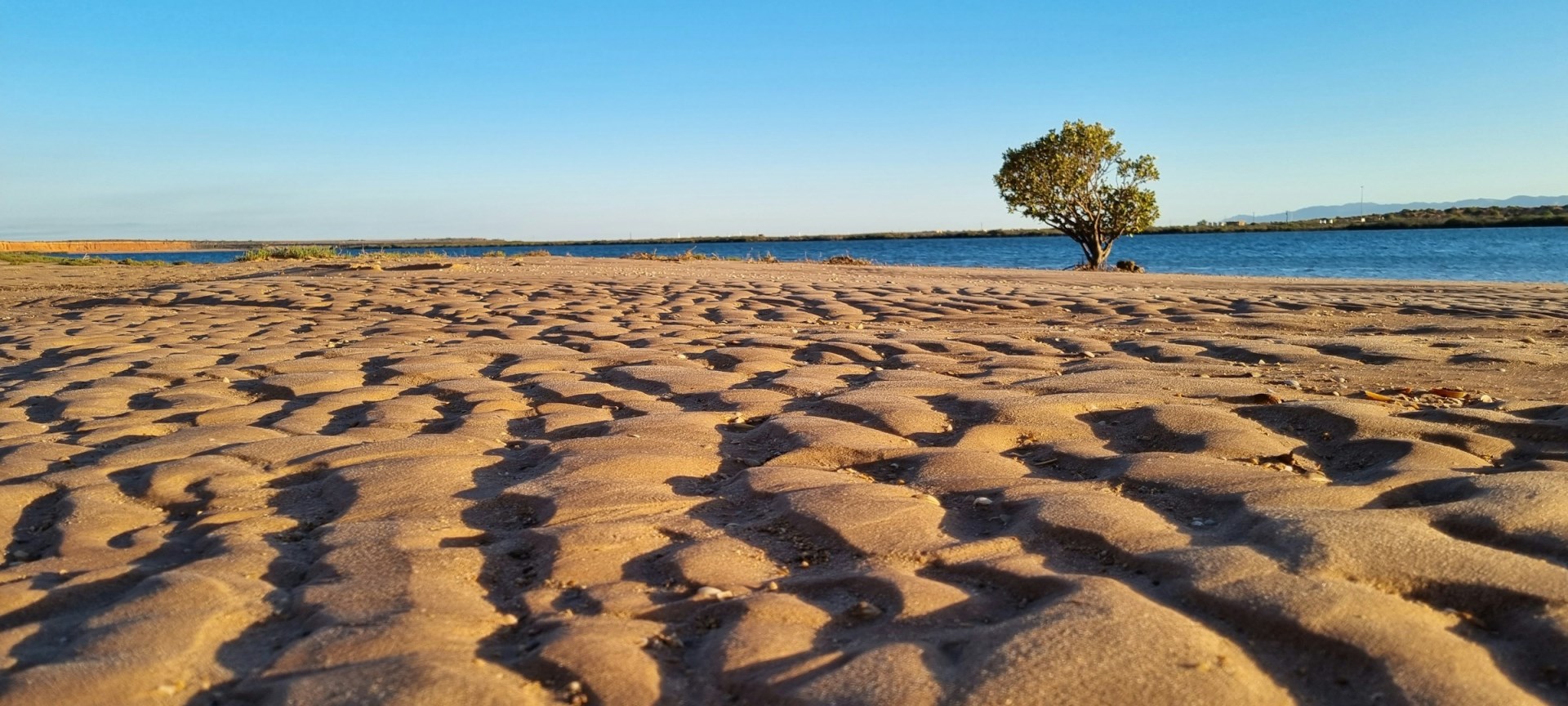
Port Augusta
Port Augusta is the perfect crossroads to wherever you want to go. Whether heading west across the Nullarbor to Western Australia, north to Alice Springs in Northern Territory, east to Broken Hill in New South Wales, or south to Adelaide you can get there from Port Augusta.
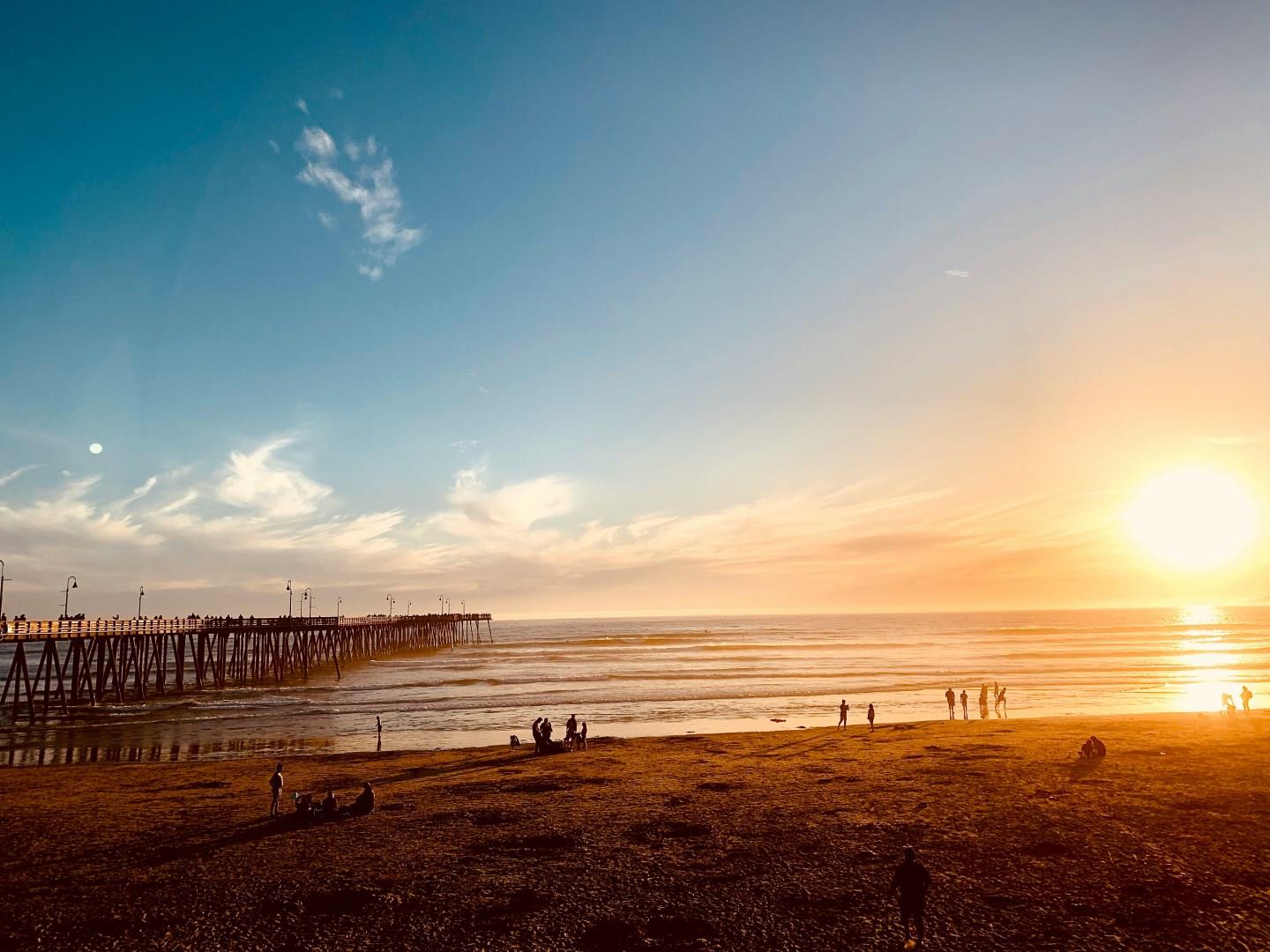
Pismo Beach
Abundant treasures for vacation enjoyment await visitors of all ages in the picturesque central California beachside community of Pismo Beach. Whether you enjoy a romantic walk along the beach, a challenging ride on a all-terrain vehicle through the sand dunes, sporting activities which suit enthusiasts of all levels or just plain fun, Pismo Beach has it all. Located midway between San Francisco and Los Angeles, Pismo Beach is in the center of some of the state's most beautiful coastline.