Kirkjufellsfoss
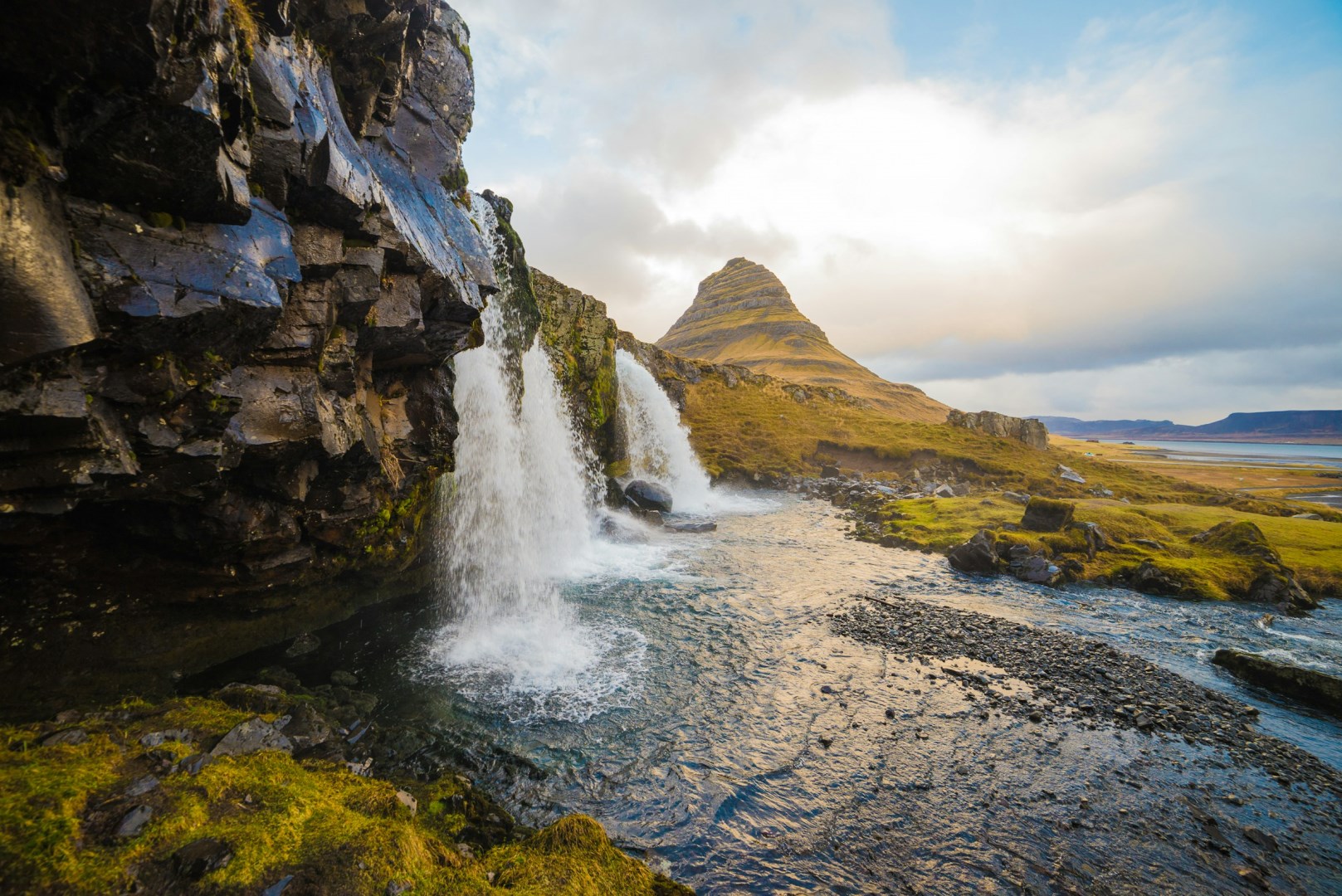
Kirkjufellsfoss is a small series of waterfalls beside Kirkjufell mountain near Grundarfjörður on the northern coast of Iceland’s Snæfellsnes Peninsula. The Kirkjufellsá river descends from the Helgrindur mountain range through several falls before reaching the sea, with Kirkjufell rising prominently behind them. The relationship between the waterfall and the distinctive mountain has made this one of the most recognizable landscapes in West Iceland.

Cook Islands
The Cook Islands, a group of 15 islands scattered across the South Pacific, offer a rare blend of Polynesian tradition and laid-back island charm. Rarotonga, the largest and most visited island, is ringed by a turquoise lagoon and backed by lush mountains. Visitors can circle the entire island in under an hour, stopping along the way for fresh coconut, beachside cafés, or a quick swim in the clear lagoon.
St. David's
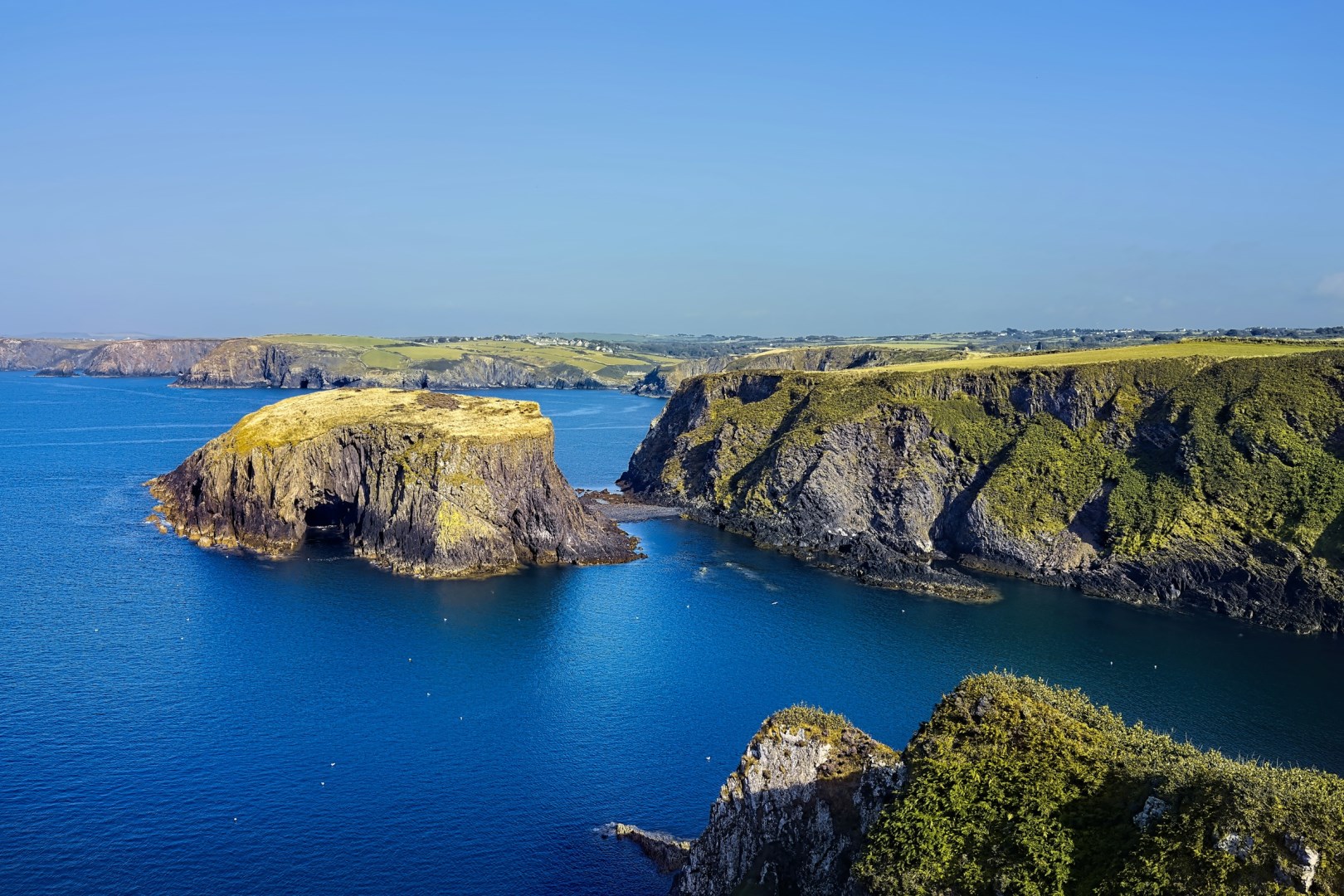
At the heart of this tiny village is the 12th-century St. Davids Cathedral. And, beside it lie the ruins of the bishop's Palace. Walk the coastal path and visit the popular Oceanarium.
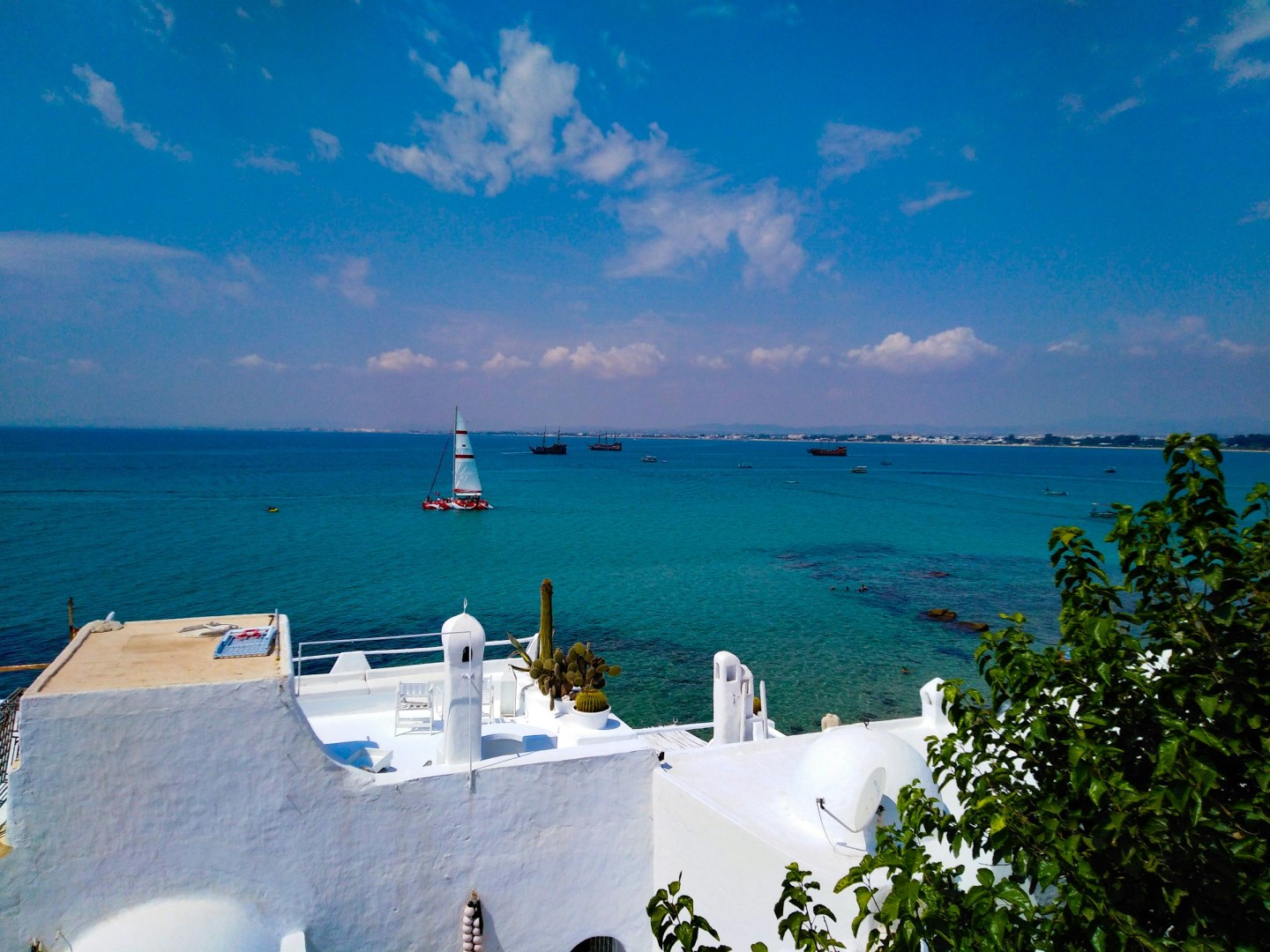
Hammamet
Hammamet is a coastal town on Tunisia’s Cap Bon peninsula, known for its sandy beaches, whitewashed houses, jasmine gardens, and historic medina beside the Mediterranean. The town combines a long-established fishing and agricultural identity with a major seaside tourism district, including Yasmine Hammamet to the south.

Agra
Once the capital of the Mughal Empire, Agra, India is now a cultural capital replete with famous landmarks and striking architecture. The city’s most prominent draw is the magnificent Taj Mahal, the iconic white marble mausoleum and a UNESCO World Heritage Site visited by millions of people each year.