Dominica, known as the “Nature Island of the Caribbean,” is a haven for eco-tourists and adventure seekers. Nestled between the French islands of Guadeloupe and Martinique, this lush island boasts a remarkable landscape of volcanic mountains, dense rainforests, and stunning waterfalls. Dominica’s most iconic natural wonder is the Boiling Lake, the second-largest hot spring in the world.
Skiathos, a gem in the Aegean Sea, is one of Greece's most enchanting islands. Known for its stunning beaches, vibrant nightlife, and lush landscapes, Skiathos is a must-visit for travelers seeking both relaxation and adventure. The island boasts over 60 sandy beaches, with Koukounaries Beach standing out as one of the most beautiful, surrounded by a dense pine forest that creates a unique blend of sea and greenery.
Serengeti, Tanzania, is a jewel of the African continent, renowned for its spectacular wildlife and breathtaking landscapes. This iconic destination is synonymous with the Great Migration, one of nature’s most awe-inspiring events. Each year, millions of wildebeest, zebras, and gazelles traverse the Serengeti’s vast plains in search of fresh grazing grounds, creating a dramatic and unforgettable spectacle.
Chennai, the capital of Tamil Nadu, is one of India’s oldest continuously inhabited cities, where ancient temples stand alongside colonial-era architecture and modern skyscrapers. Originally known as Madras, the city grew around Fort St. George, built by the British East India Company in 1644. One of Chennai’s most well-known features is Marina Beach, which stretches for over 13 kilometers and is among the longest urban beaches in the world.
Florø, the westernmost town in Norway, sits right at the edge of the sea as a small, coastal town with deep maritime roots and front-row views of the North Atlantic. Established in 1860 as a herring fishing hub, Florø still carries the rhythm of the ocean in daily life. Though small in size, the town serves as a jumping-off point to explore the rugged coastline, scenic fjords, and a collection of islands that each have their own stories and scenery.
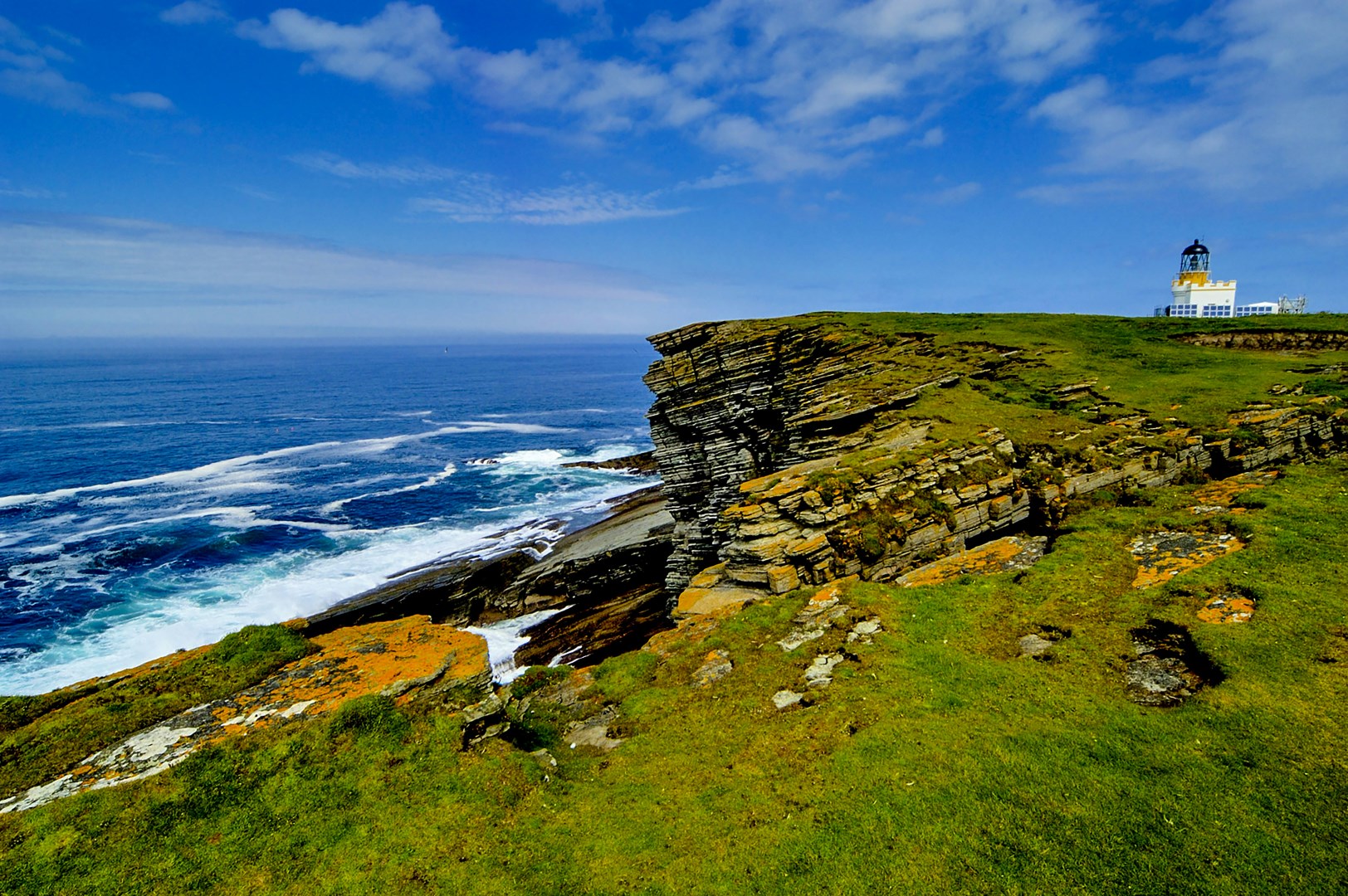
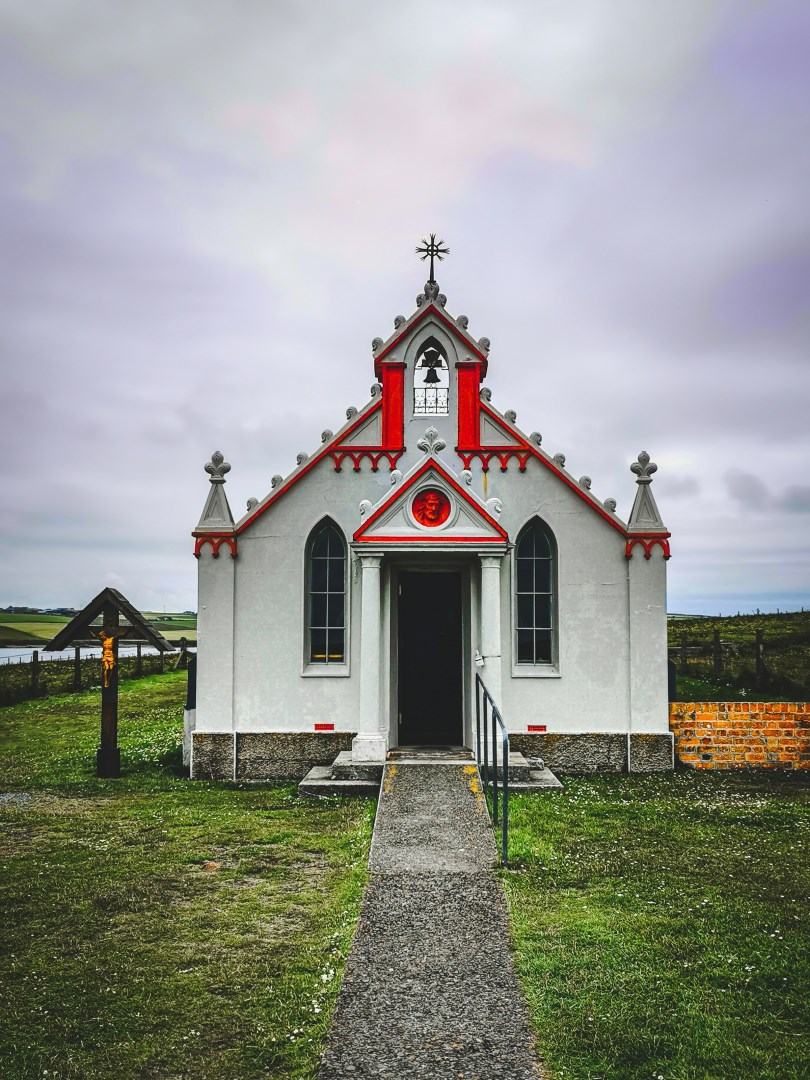
The Orkney Islands sit just off the northern coast of Scotland. This group of around seventy islands offers wide horizons, quiet roads, and coastlines shaped by wind and waves where visitors often arrive expecting rugged scenery and leave talking about the sense of space from the long beaches to the steep cliffs and sea stacks rising straight from the water. One striking example is the Old Man of Hoy, a tall sea stack that draws photographers and climbers alike, while coastal paths reveal seabirds and shifting light throughout the day.
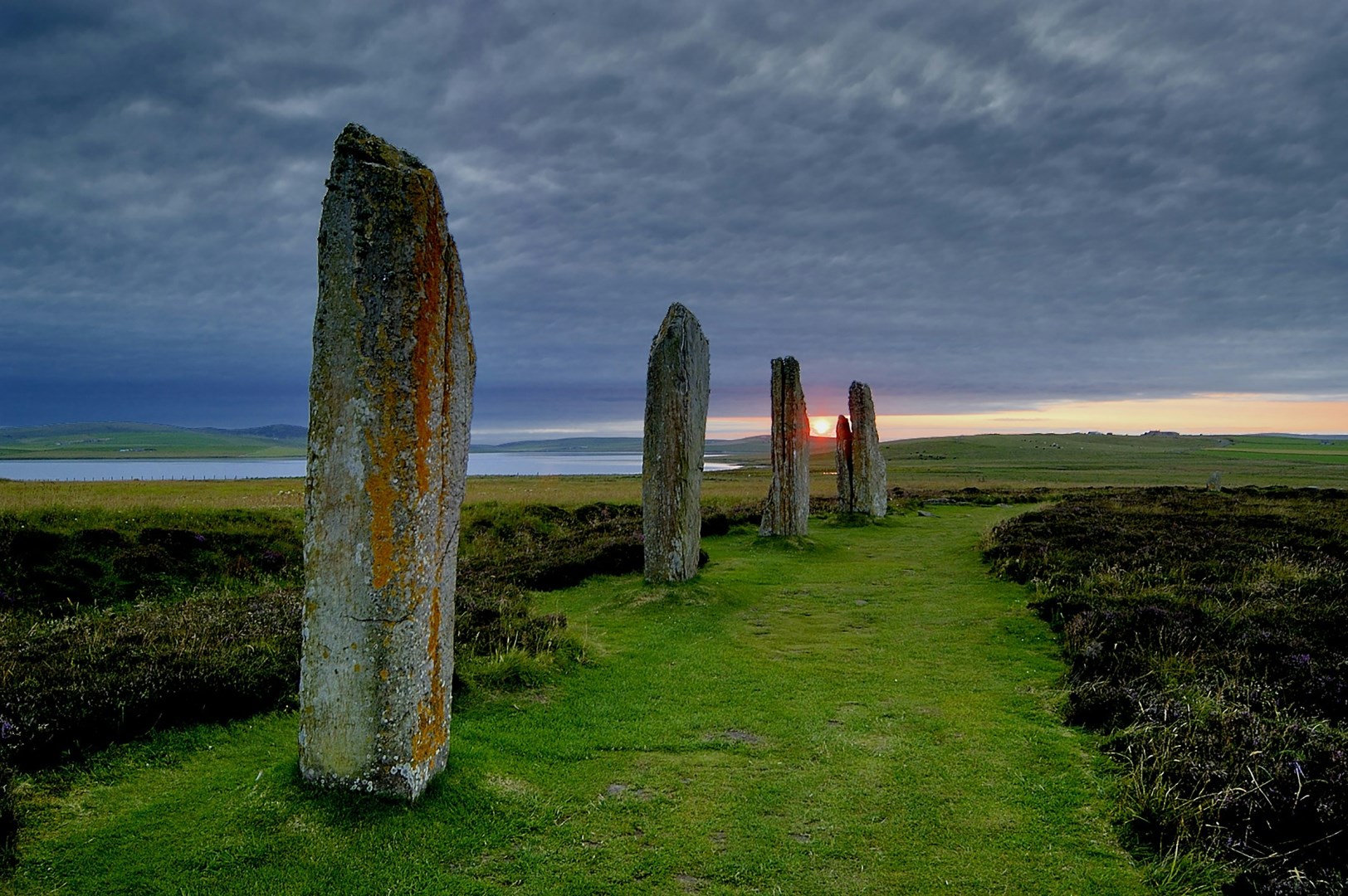
At Skara Brae, visitors walk through the remains of a stone-built village that lay buried under sand for centuries before a storm uncovered it. The houses still show beds, storage spaces, and even a simple drainage system, offering a rare look at daily life from thousands of years ago. Nearby, the Ring of Brodgar and the Stones of Stenness form part of a wider landscape of ancient sites, each placed with care across the land.
The islands carry stories from many layers of history, including a strong Norse influence that still appears in local place names and traditions. In the town of Kirkwall, narrow streets lead to St Magnus Cathedral, built from local sandstone that shifts color in changing light. The harbor of Scapa Flow has also played a major role in naval history and now attracts divers exploring shipwrecks resting on the seabed.