Las Vegas
Las Vegas, Nevada, is an electrifying city where glitz and glamour meet entertainment and excitement. Known as "The Entertainment Capital of the World," Las Vegas offers an unparalleled array of attractions, from its iconic casinos and luxurious hotels to its world-class dining and live shows. The city's entertainment scene is second to none, featuring legendary headliners, cutting-edge performances, and an array of themed attractions.

Osijek
Osijek, located in the eastern part of Croatia, is a city that blends rich history, vibrant culture, and a lively atmosphere. Situated along the banks of the Drava River, Osijek is the fourth-largest city in the country and the cultural and economic center of the Slavonia region.
Libourne
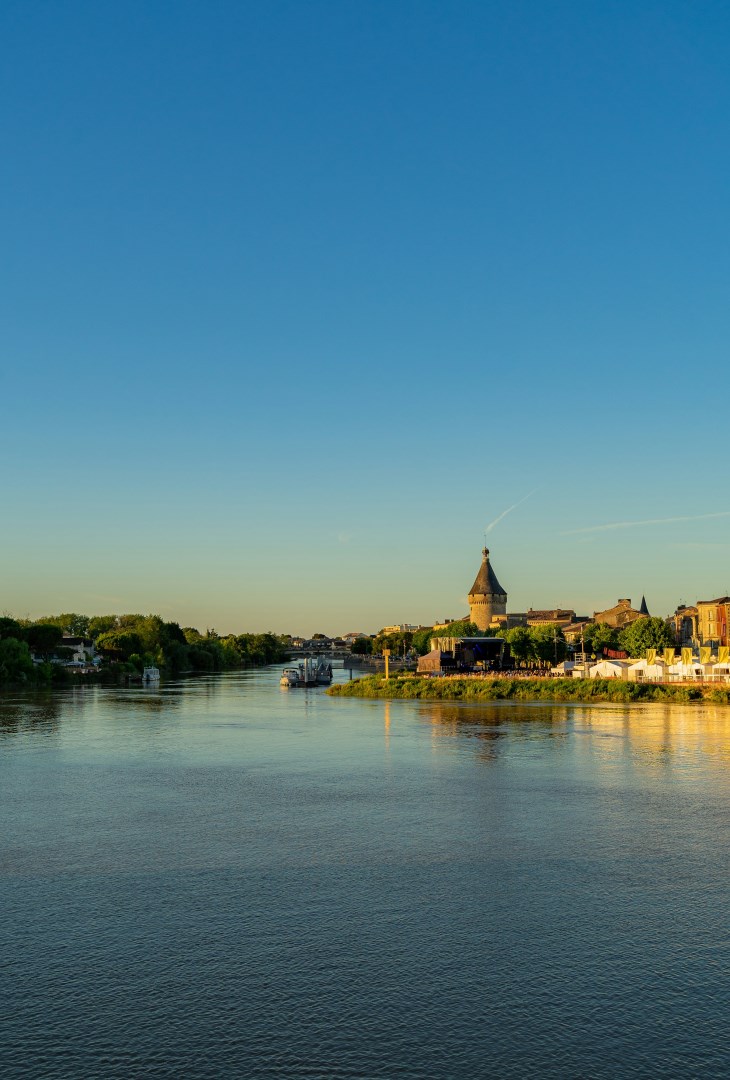
Libourne, located in northern Gironde, is a picturesque town known for its rich history and vibrant wine culture. Founded in 1270 as a bastide by Roger de Leybourne, Libourne has long been a key port for the wine trade, particularly for the renowned vineyards of Saint-Émilion and Pomerol. Visitors can explore the charming town center, which features the beautiful Place Abel-Surchamp, surrounded by traditional arcades and lively farmers markets. The town hall, with its grand interior and historic
Mù Cang Chải
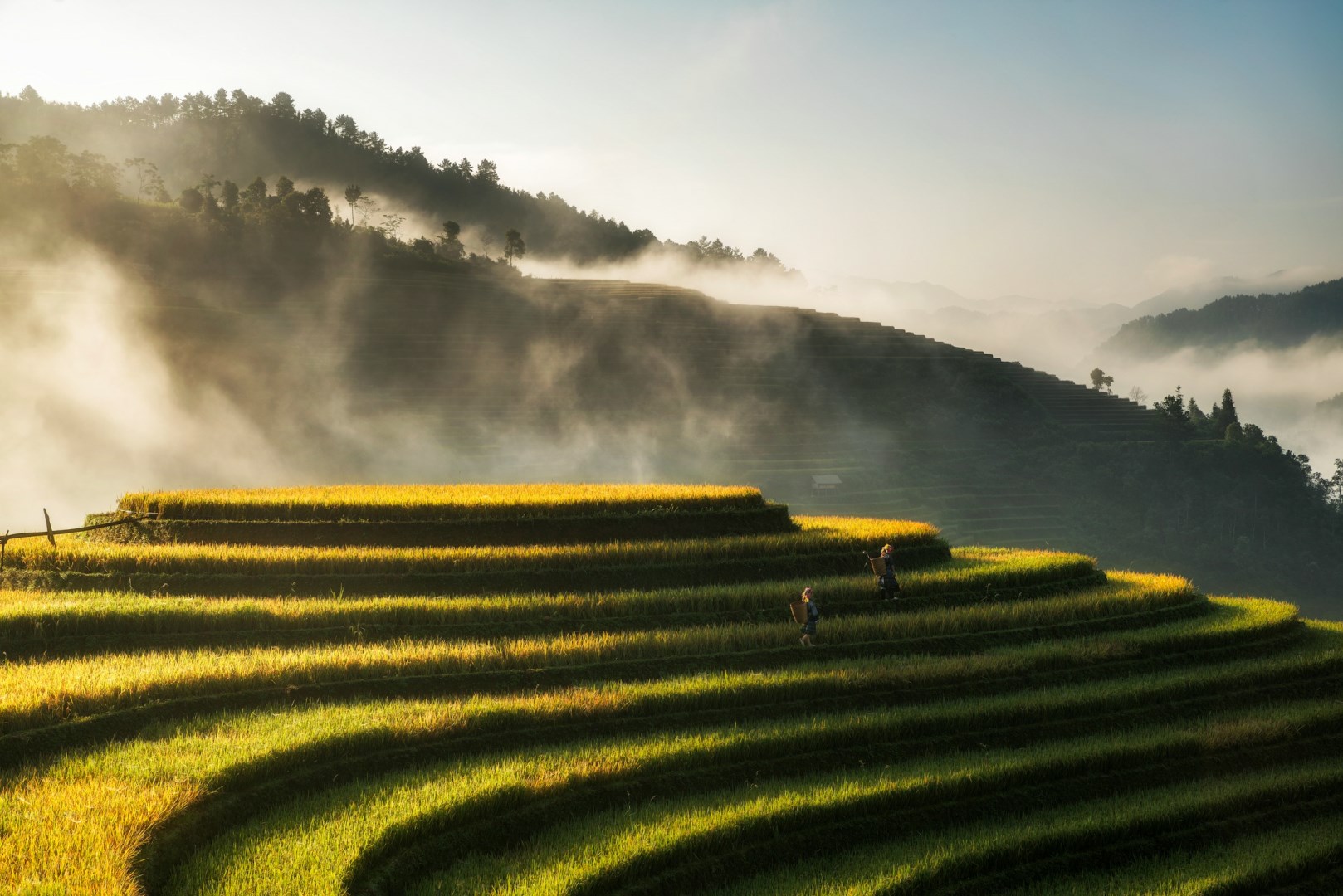
The scenic Mu Cang Chai rice terraces are one of the most popular tourist and photographer locations in the world! The best time to visit is from Mid-September to Mid-October during the season when the rice fields are ready for harvest.
Stratton
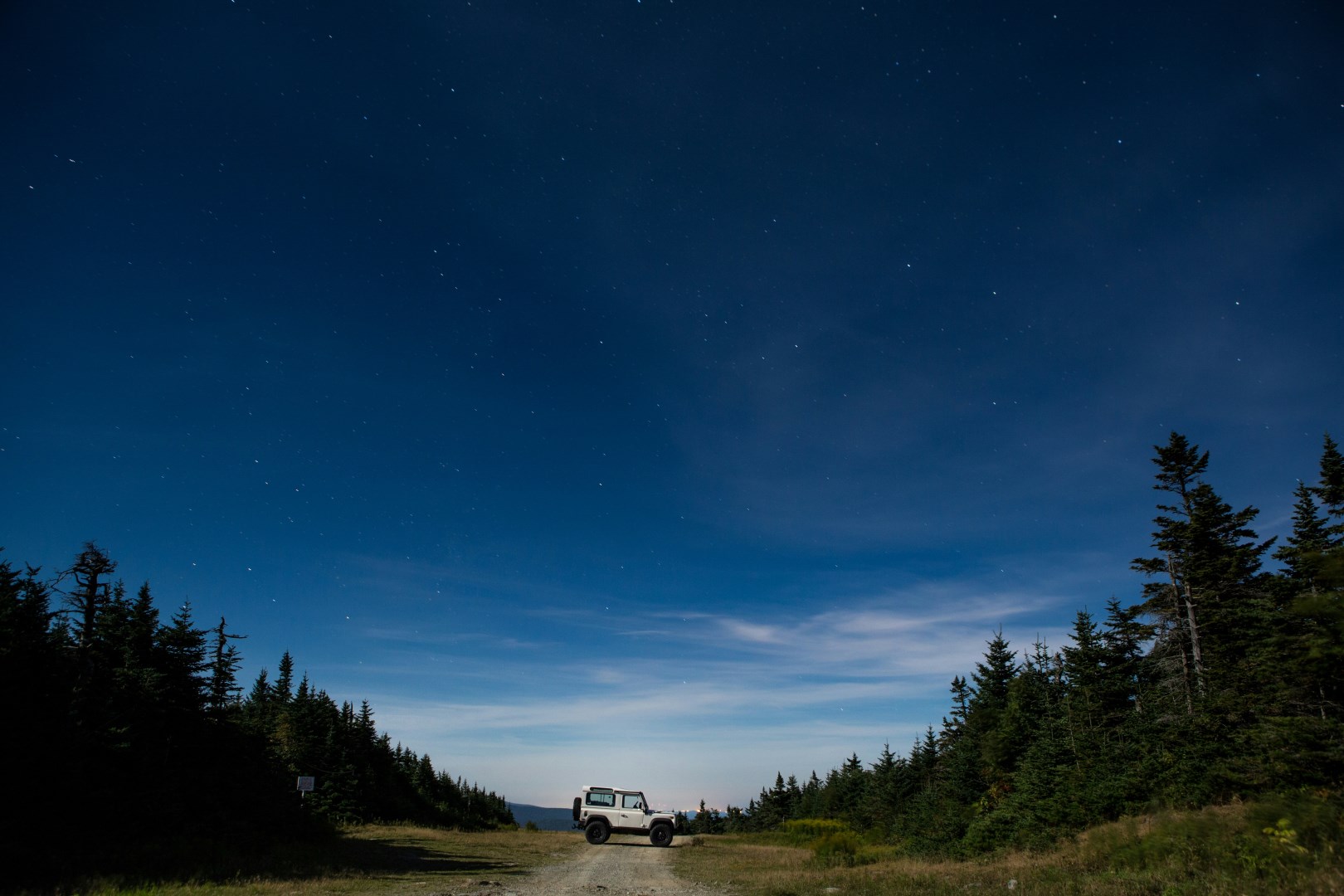
Stratton is a mountain destination in southern Vermont, United States, centered around Stratton Mountain Resort. It sits within the Green Mountains, where forested slopes and changing seasons define the landscape.