Dubuque
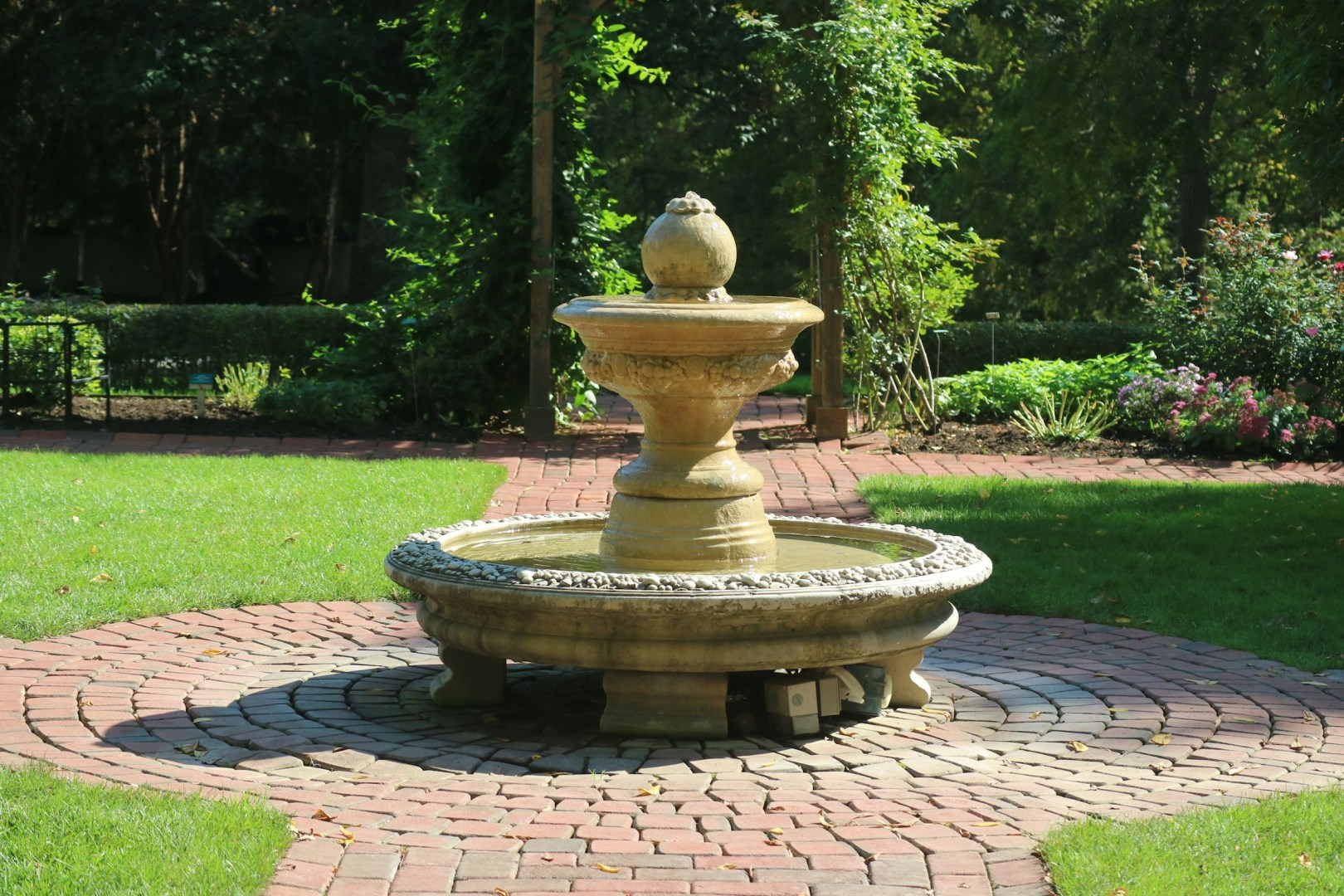
Dubuque sits along the Mississippi River in northeastern Iowa, where steep limestone bluffs rise above a broad river corridor. The city is Iowa’s oldest incorporated community and developed around river commerce, lead mining, manufacturing, and trade. Its historic downtown contains preserved brick buildings, churches, shops, restaurants, and the distinctive Town Clock, while the Port of Dubuque provides a more modern riverfront district.
Wicklow
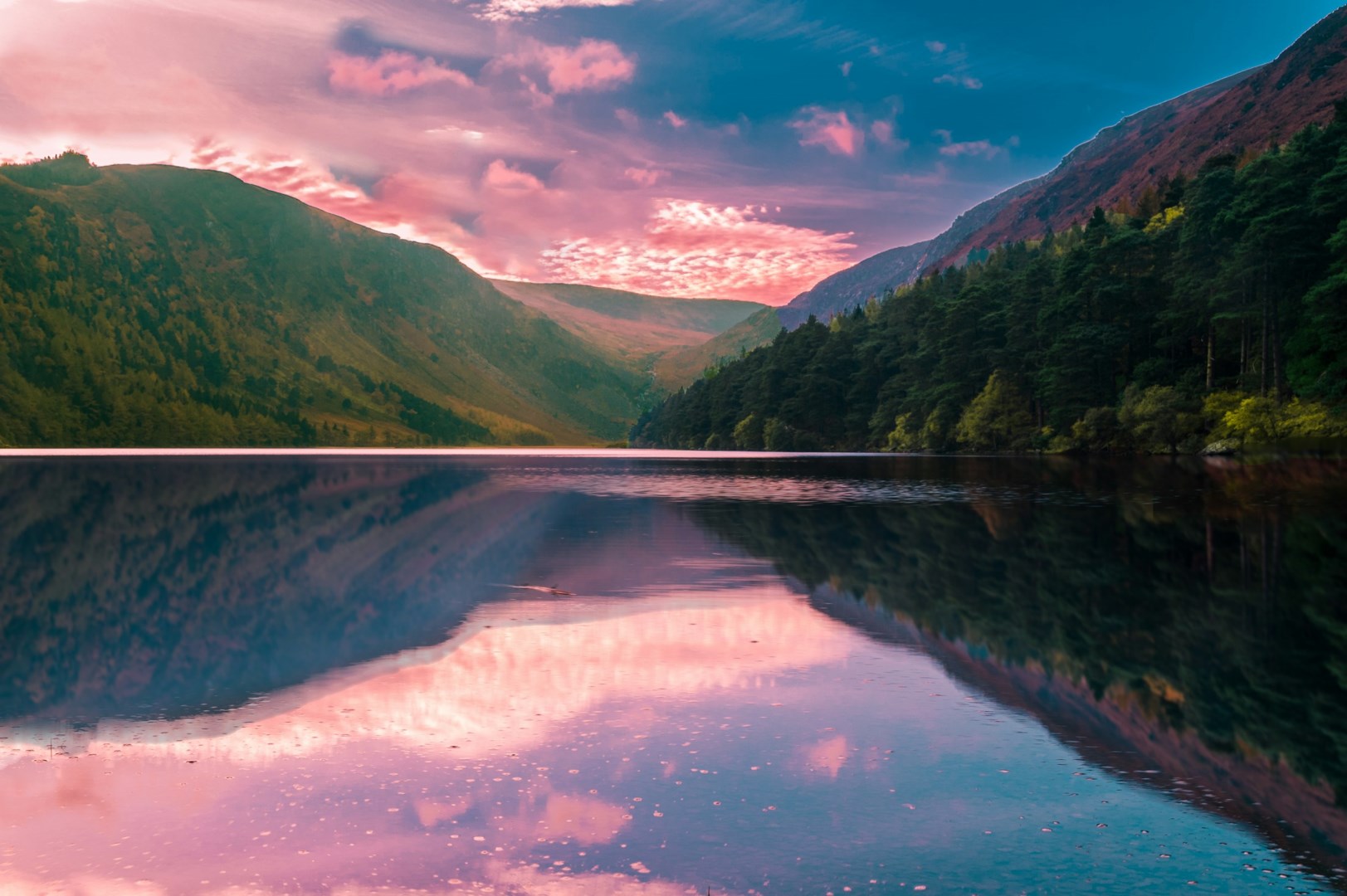
Wicklow is a coastal town in County Wicklow on Ireland’s east coast, positioned around a sheltered harbor where the Vartry River meets the Irish Sea. Known locally as the county town, it combines a working harbor, historic streets, coastal walks, and access to the wider landscapes of the Garden County. The ruins of Black Castle stand on a rocky headland above the harbor, while the Murrough provides a broad coastal wetland for walking and wildlife observation.
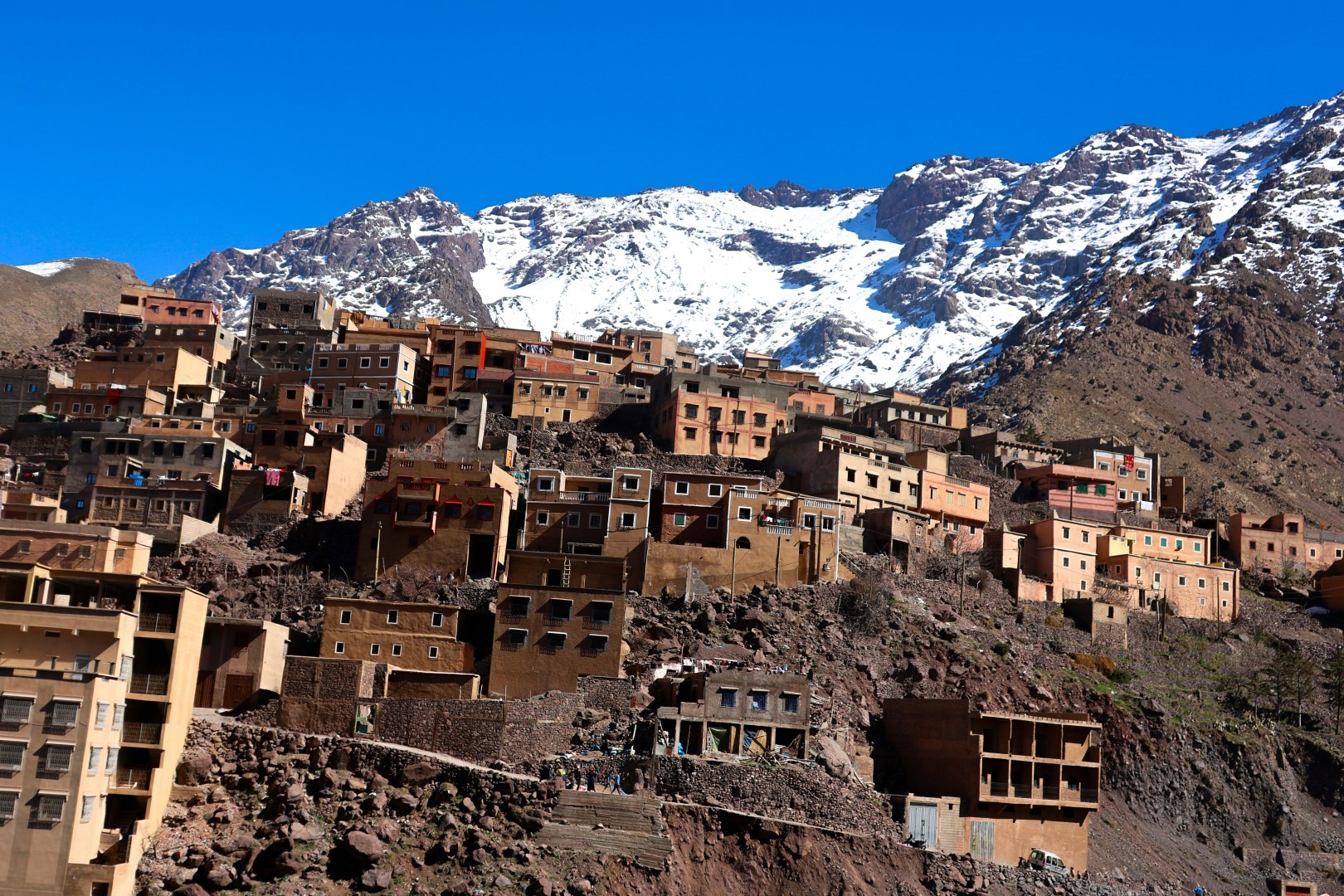
Aroumd
High in the Atlas Mountains, the village of Aroumd sits on a rocky slope above the Ait Mizane Valley. Reached by a walk or mule path from nearby Imlil, the journey itself sets the tone as one that's quiet, scenic, and far removed from city life. At nearly 1,900 meters above sea level, the air feels crisp, and the views stretch across terraced hills and distant peaks. The absence of large roads keeps the village peaceful, allowing visitors to experience daily life at a slower pace.

New York City
New York City is a city that pulses with movement, sound, and stories at every corner. Whether it's the echo of footsteps under Grand Central Terminal’s iconic ceiling or the quiet shuffle of chess pieces in Washington Square Park, every detail is part of a larger rhythm. New York’s cultural offerings are unmatched in scope. A single day could include a visit to the Museum of Modern Art, a Broadway matinee, and live jazz at an underground club in the Village.
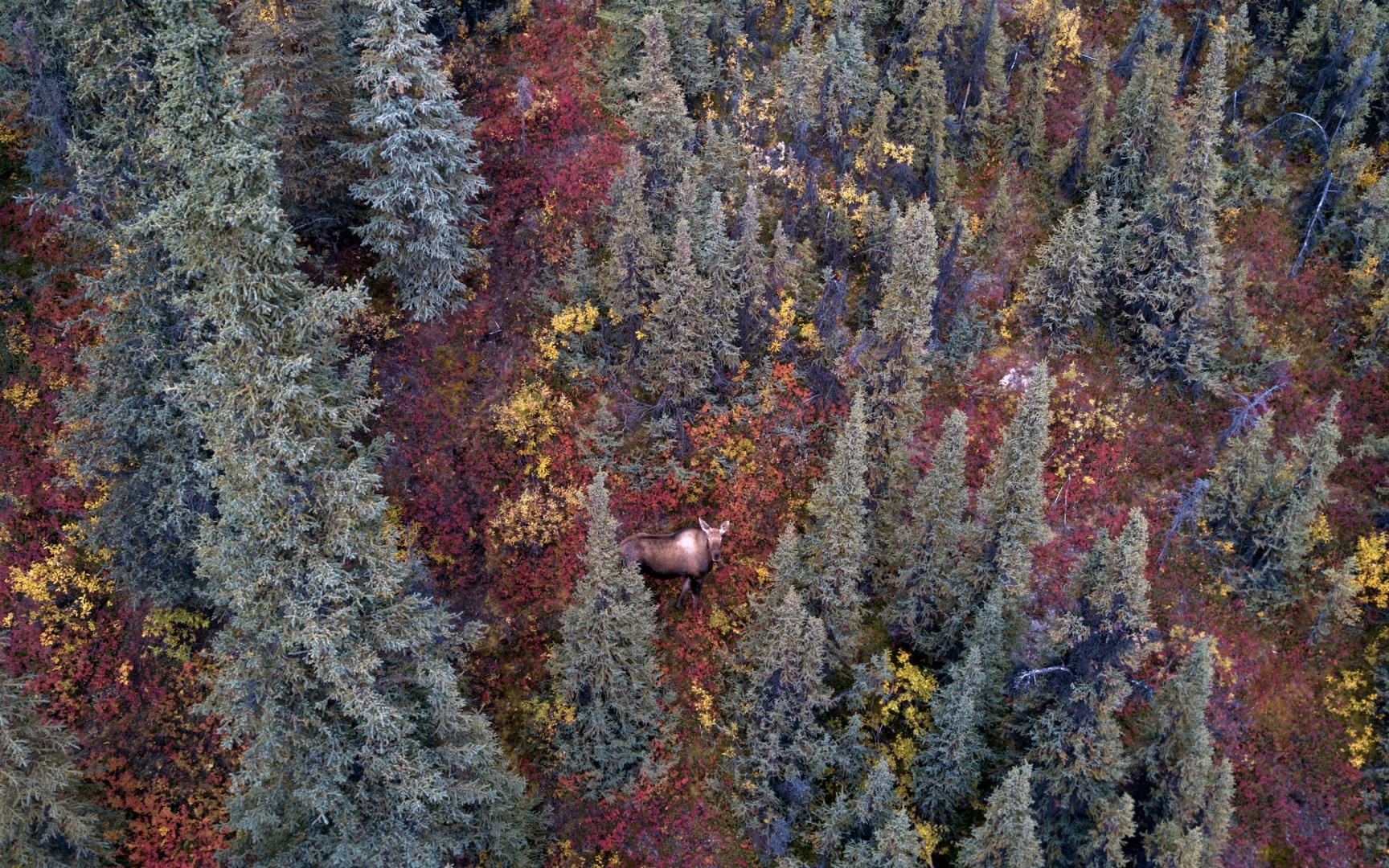
Glennallen
Glennallen is a small community in the Copper River Valley of south-central Alaska, positioned near the junction of the Glenn and Richardson highways. It serves as a regional service center for a widely scattered population and is surrounded by broad valleys, forests, wetlands, and distant mountain ranges. The Wrangell and Chugach Mountains rise around the wider region, while the Copper River and its tributaries shape the landscape.