Ecuador
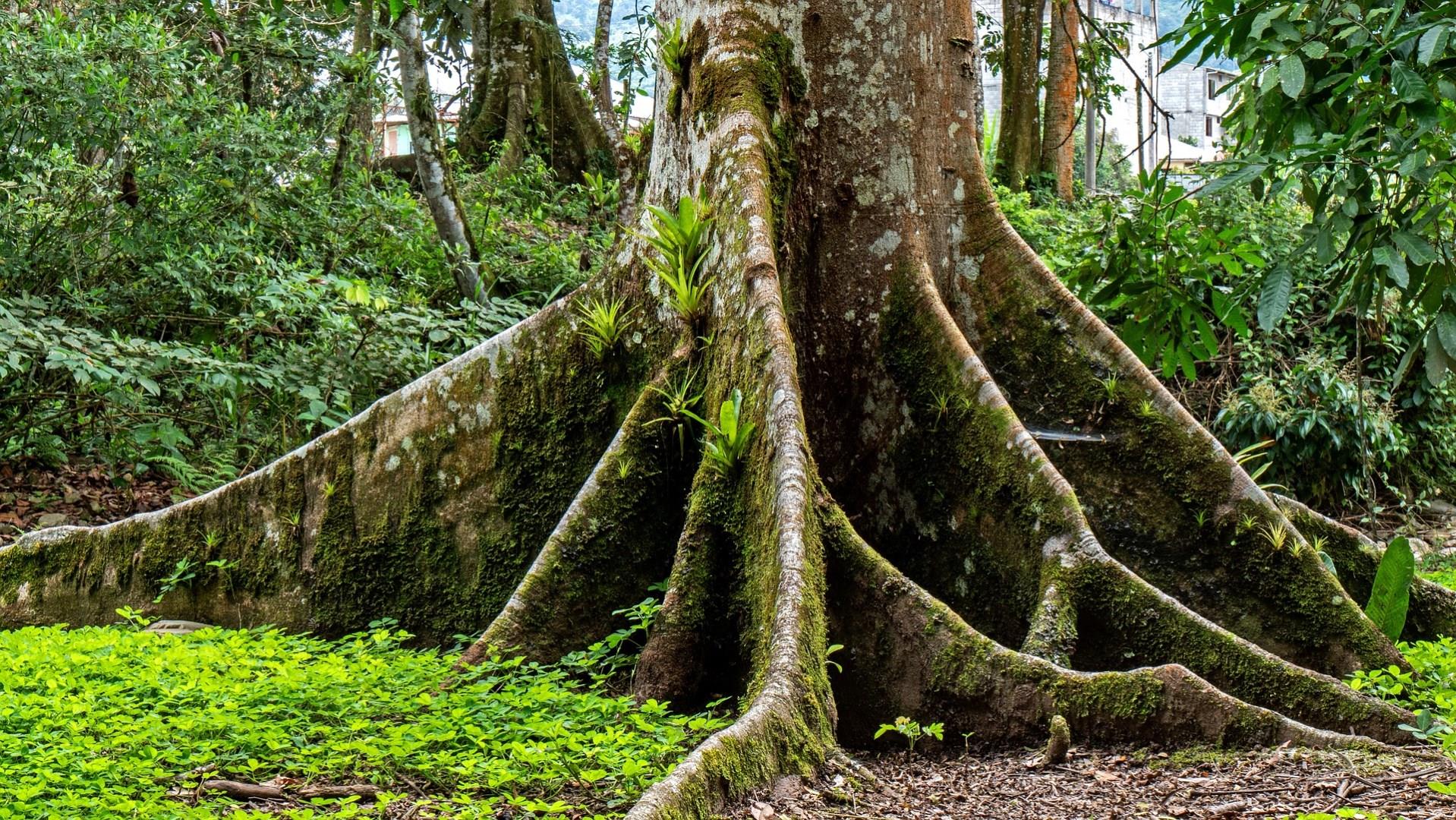
In the heart of South America, Ecuador offers a compact yet astonishingly diverse experience for travelers. From the cobbled streets of Quito’s historic center to the vibrant Afro-Ecuadorian rhythms of Esmeraldas, the country pulses with stories waiting to be discovered. Just a short drive away, visitors can stand on the equator line at the “Mitad del Mundo” and participate in engaging experiments that demonstrate the planet’s gravitational quirks.

Ballachulish
Ballachulish is a small village in the Scottish Highlands, set at the mouth of the River Laroch beside the narrow waters of Loch Leven. The surrounding landscape includes steep mountains, wooded slopes, rocky shorelines, and the broad valley of nearby Glencoe. The village is divided into several settlements, including North Ballachulish, South Ballachulish, and Ballachulish itself, giving the area a distinctive layout shaped by the loch.
Peak District National Park
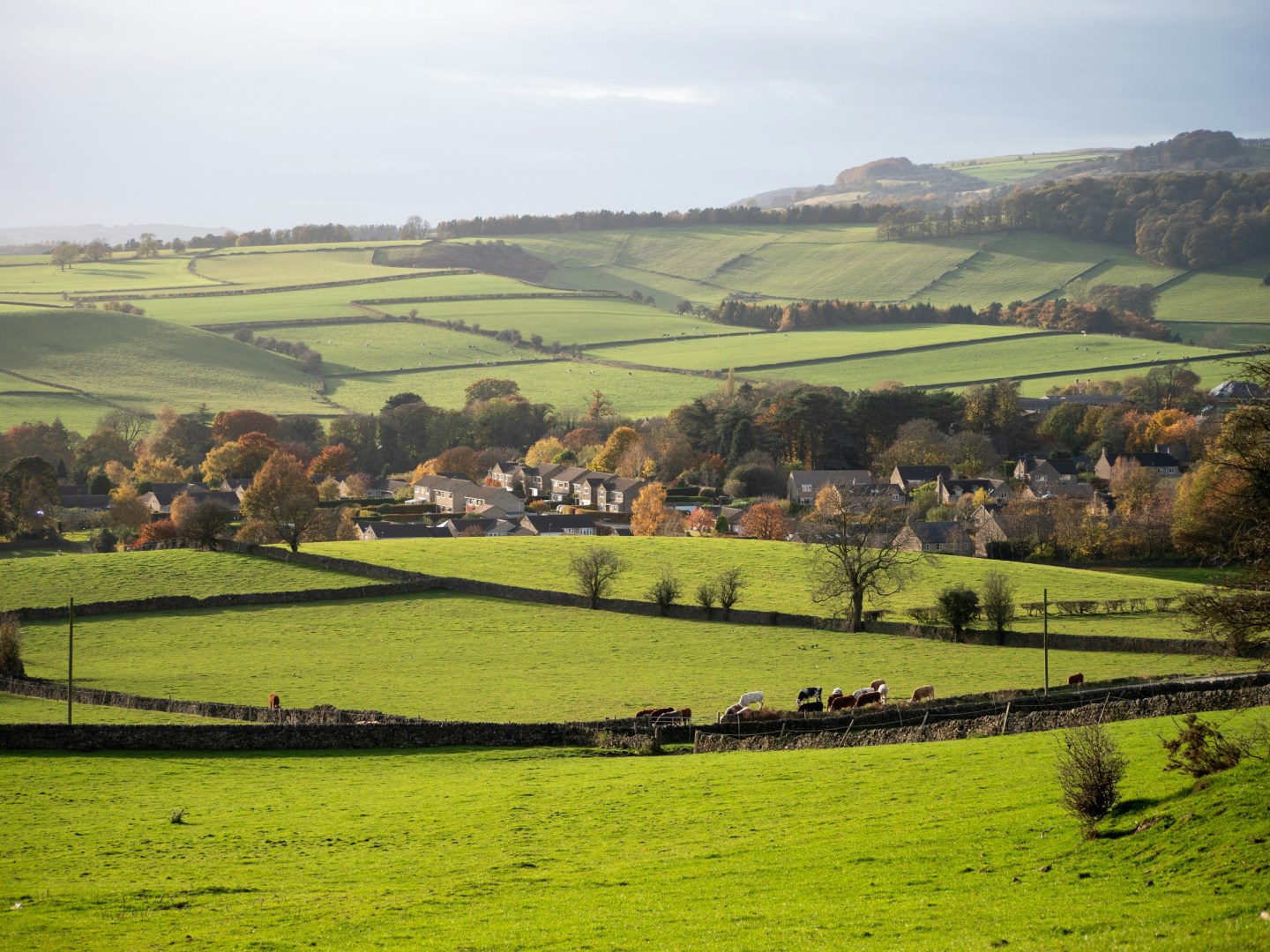
The Peak District National Park occupies a large area in central England, mainly across Derbyshire with smaller sections extending into Cheshire, Staffordshire, and Yorkshire. It is divided broadly into the gritstone moorlands of the Dark Peak, the limestone dales of the White Peak, and the rolling farmland of the South West Peak. Unlike a wilderness park, it is a lived-in landscape containing villages, farms, roads, reservoirs, and historic buildings.
Vietnam
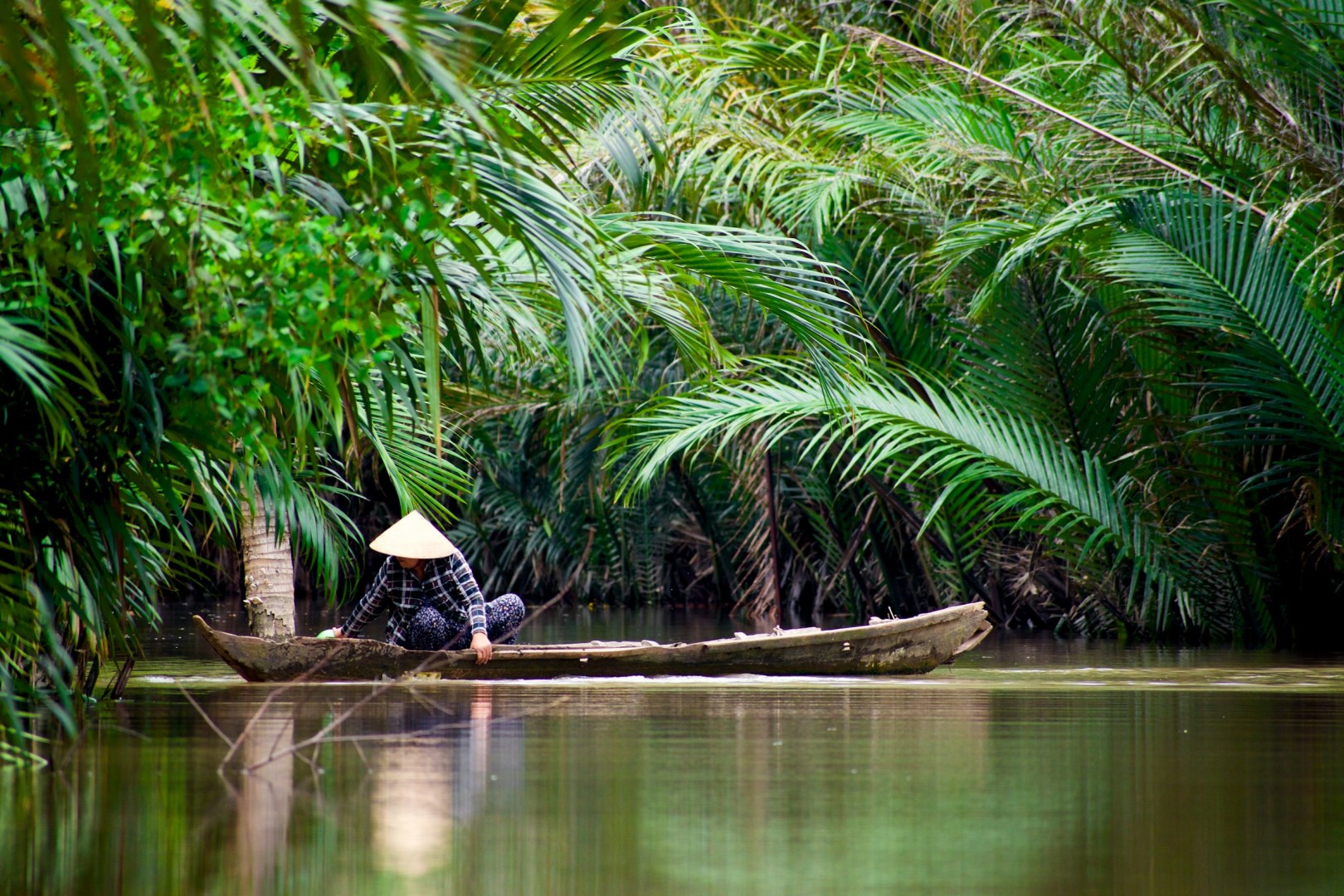
Vietnam is a country where dramatic landscapes and deep-rooted traditions intertwine, creating a mosaic of experiences that stretch from misty northern mountains to the lush waterways of the Mekong Delta. Its history is marked by ancient kingdoms, colonial legacies, and a remarkable story of resilience in the face of conflict.

Berne
The superb city of medieval magic is the capital of Switzerland. Explore the magnificent museums filled with art treasures; enjoy the famous Berne Symphony Orchestra or visit the cozy, historical basement pubs, Kellerlokale.