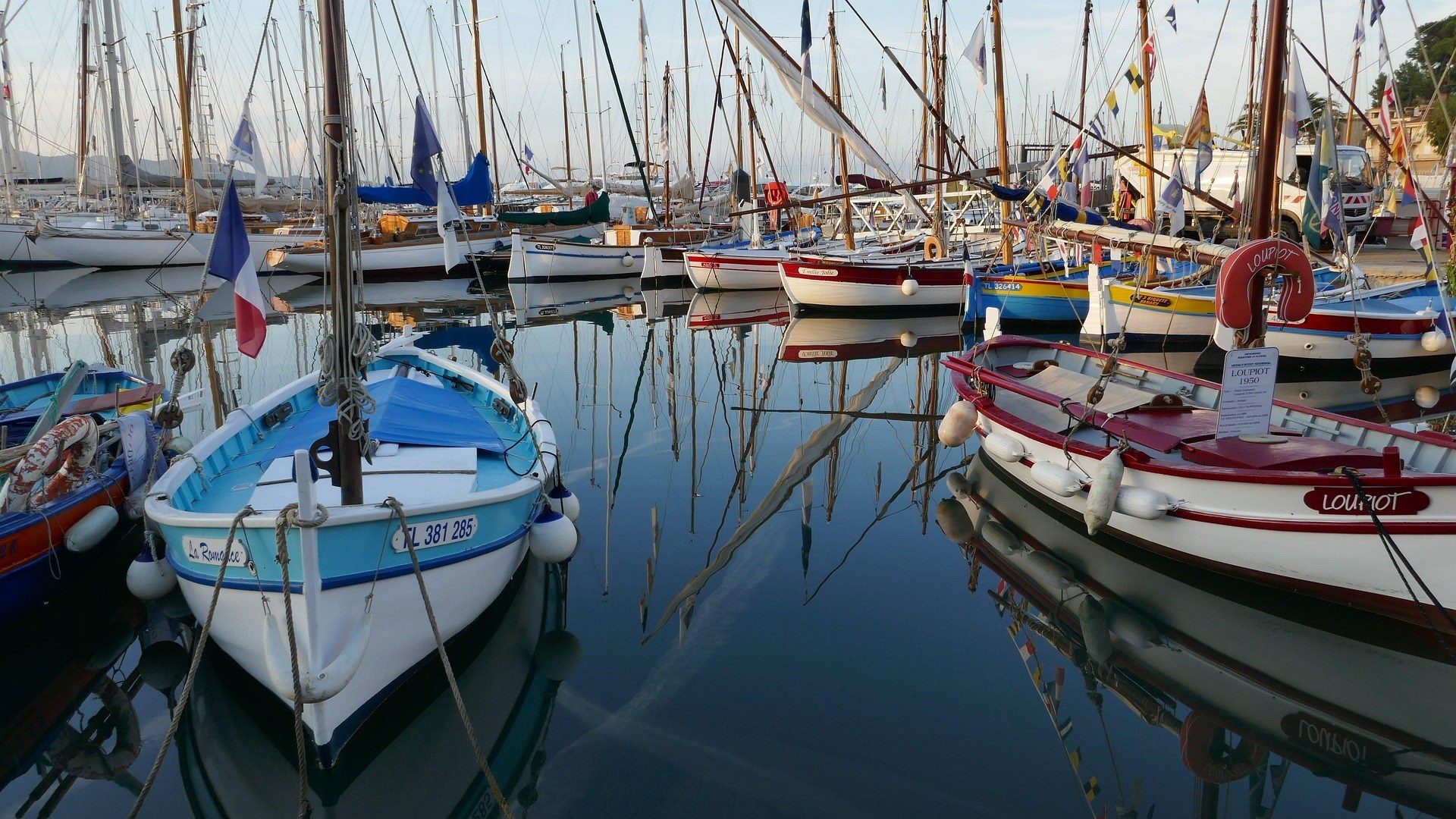
Sanary-sur-Mer is a Mediterranean town on the Var coast of Provence, set around a sheltered bay between Toulon and Bandol. Its identity is closely tied to its fishing harbor, where traditional Provençal boats known as pointus remain an important feature. The waterfront is surrounded by narrow streets, small squares, cafés, and colorful façades, while beaches and wooded hills extend beyond the town center.
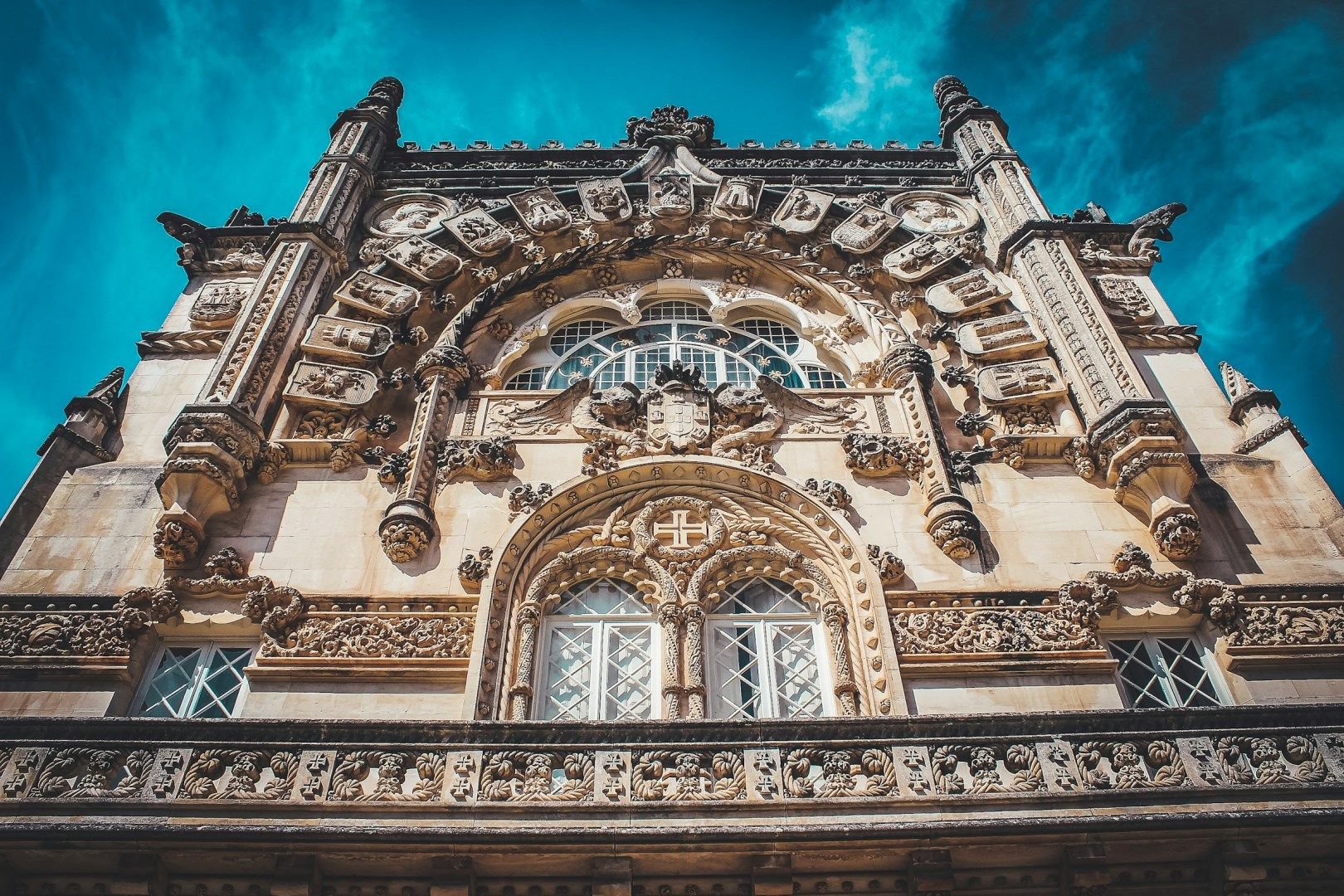
Portugal offers a layered experience shaped by maritime history, deep-rooted traditions, and a coastline that stretches for nearly 1,800 kilometers. In Lisbon, the streets of Alfama wind uphill toward São Jorge Castle, where views of red-tiled rooftops and the Tagus River reveal how the city was rebuilt after the 1755 earthquake. Trams still clatter through narrow streets, and fado music, often performed in candlelit taverns, tells stories of longing and the sea.
Peru is a country that tells its story through stone, soil, and flavor. From the ancient Inca citadel of Machu Picchu to the bustling food markets of Lima, every region reveals a different chapter of its heritage. One of the country’s most iconic sites, Machu Picchu, continues to draw visitors from around the world to see its stone terraces and cloud-kissed scenery, as well as the sense of wonder that accompanies the journey there.
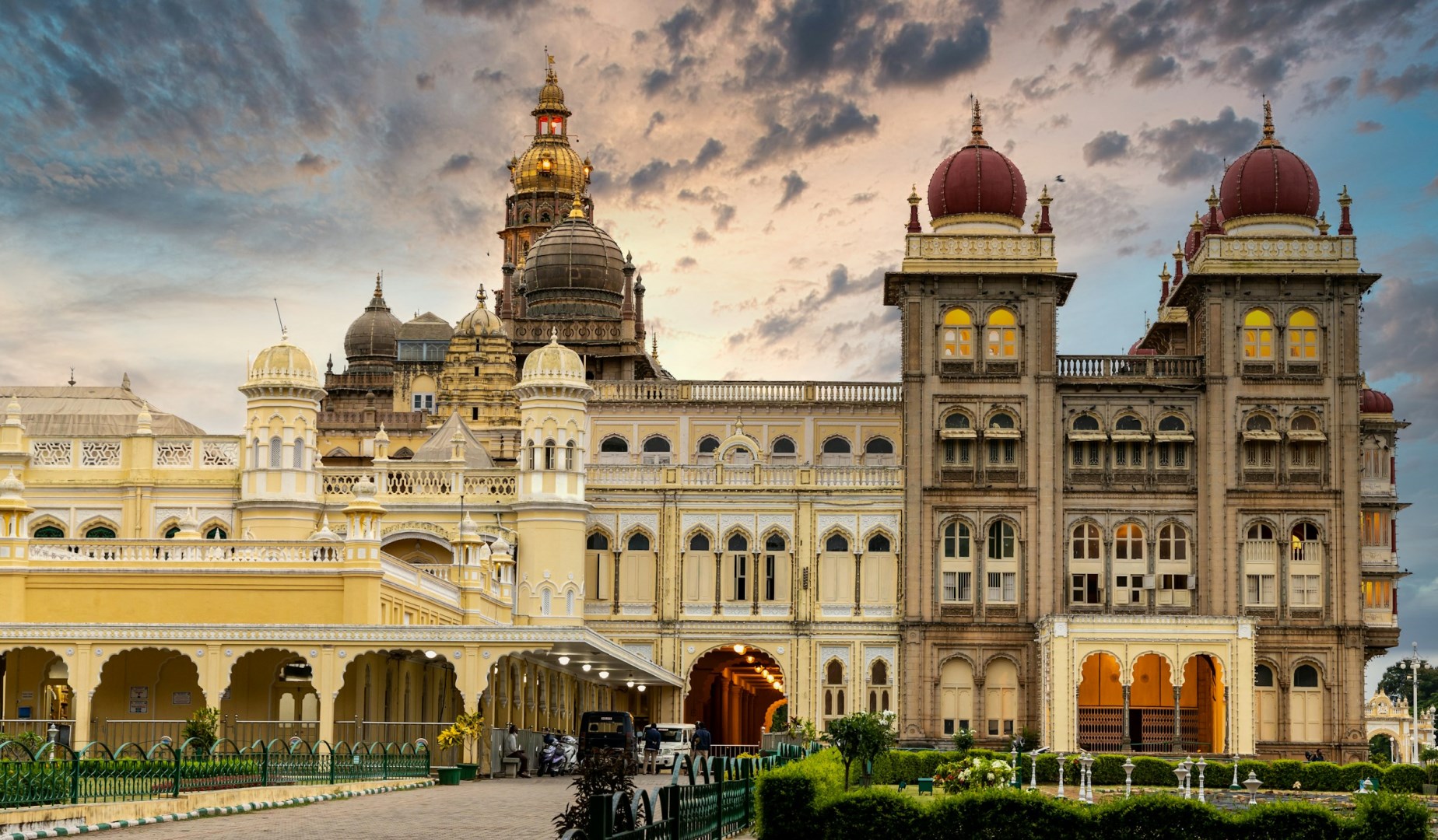
Mysore, often called the “Cultural Capital of Karnataka,” is a city where centuries-old royal heritage meets living tradition. Located at the foothills of the Chamundi Hills, it is best known for its palaces, wide boulevards, and colorful festivals. Once the seat of the Wadiyar dynasty, Mysore still carries an unmistakable royal influence that can be seen in its architecture, markets, and cultural celebrations.
Nestled in the northeastern corner of South Africa, the Blyde River Canyon offers a breathtaking panorama of natural beauty and geological wonder. As one of the largest canyons in the world, this verdant ravine stretches approximately 26 kilometers long and plunges to depths of over 800 meters. Its lush, subtropical foliage and dramatic rock formations create a landscape that is both picturesque and awe-inspiring.
Photo Credit: Photo by Marc Schmittbuhl on Unsplash
Photo Credit: Photo by seytales on Unsplash
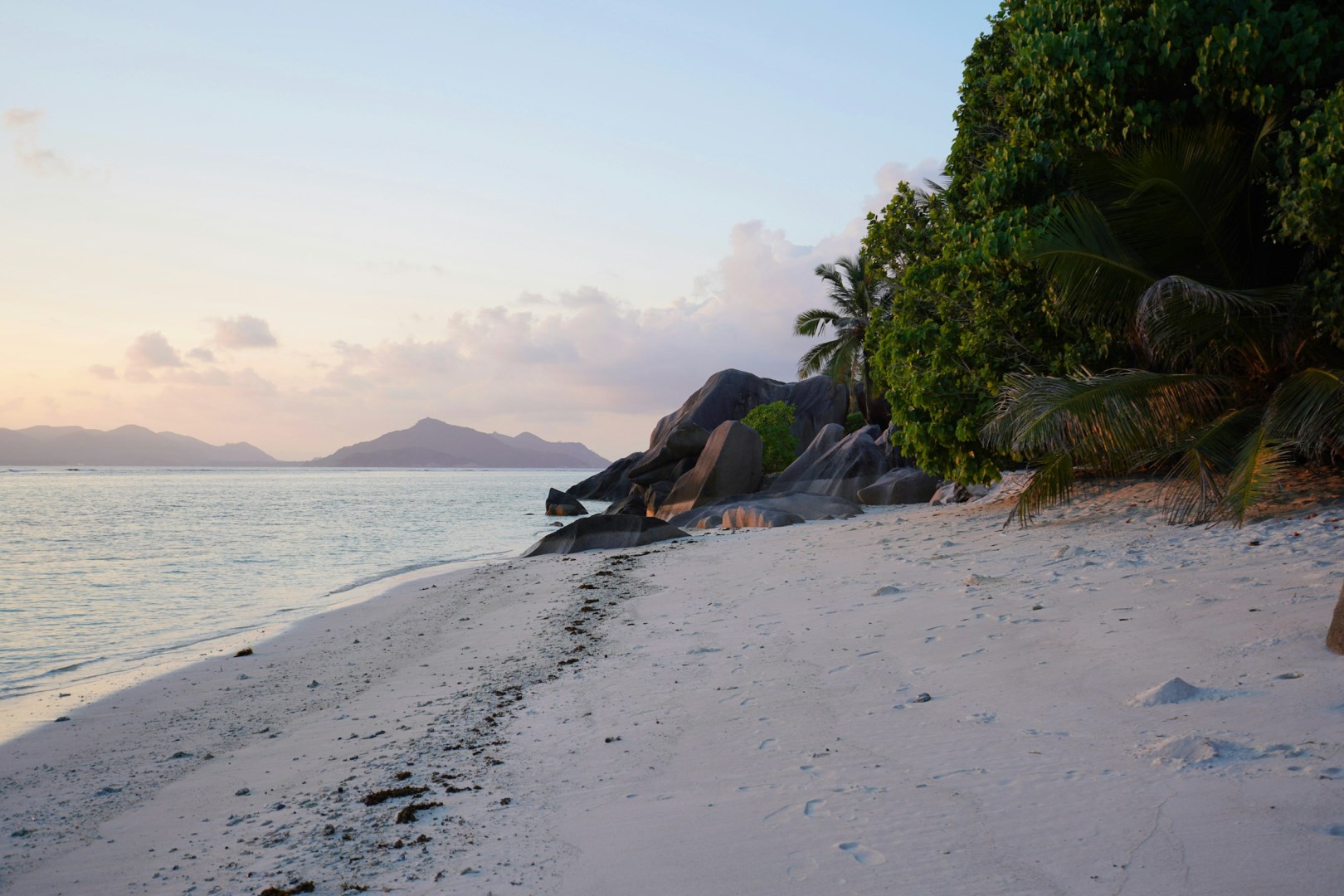
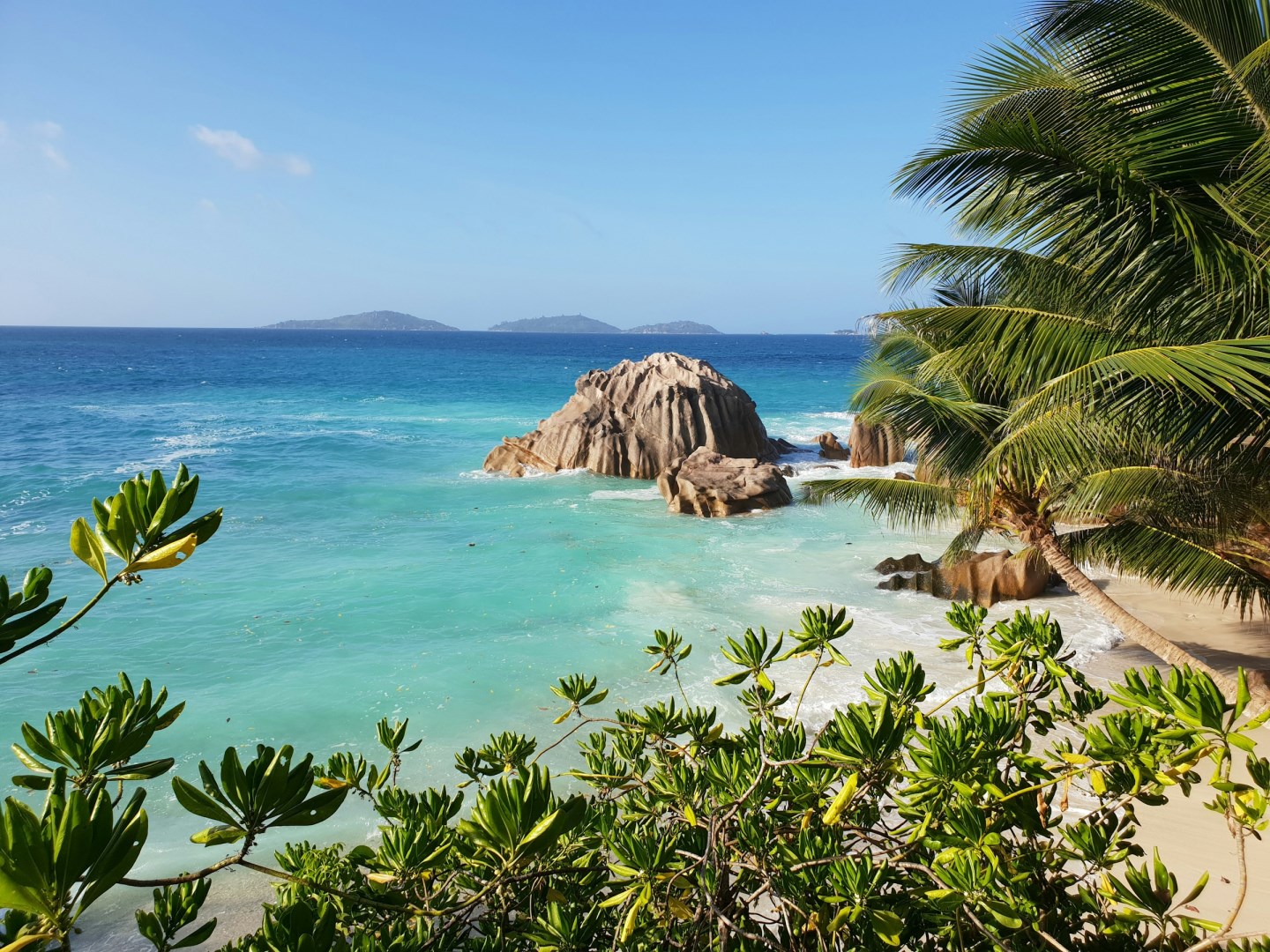
Anse Source d'Argent
Photo Credit: Photo by Datingjungle on Unsplash
Photo Credit: Photo by Christian Cacciamani on Unsplash
Photo Credit: Photo by Philipp Meeh on Unsplash
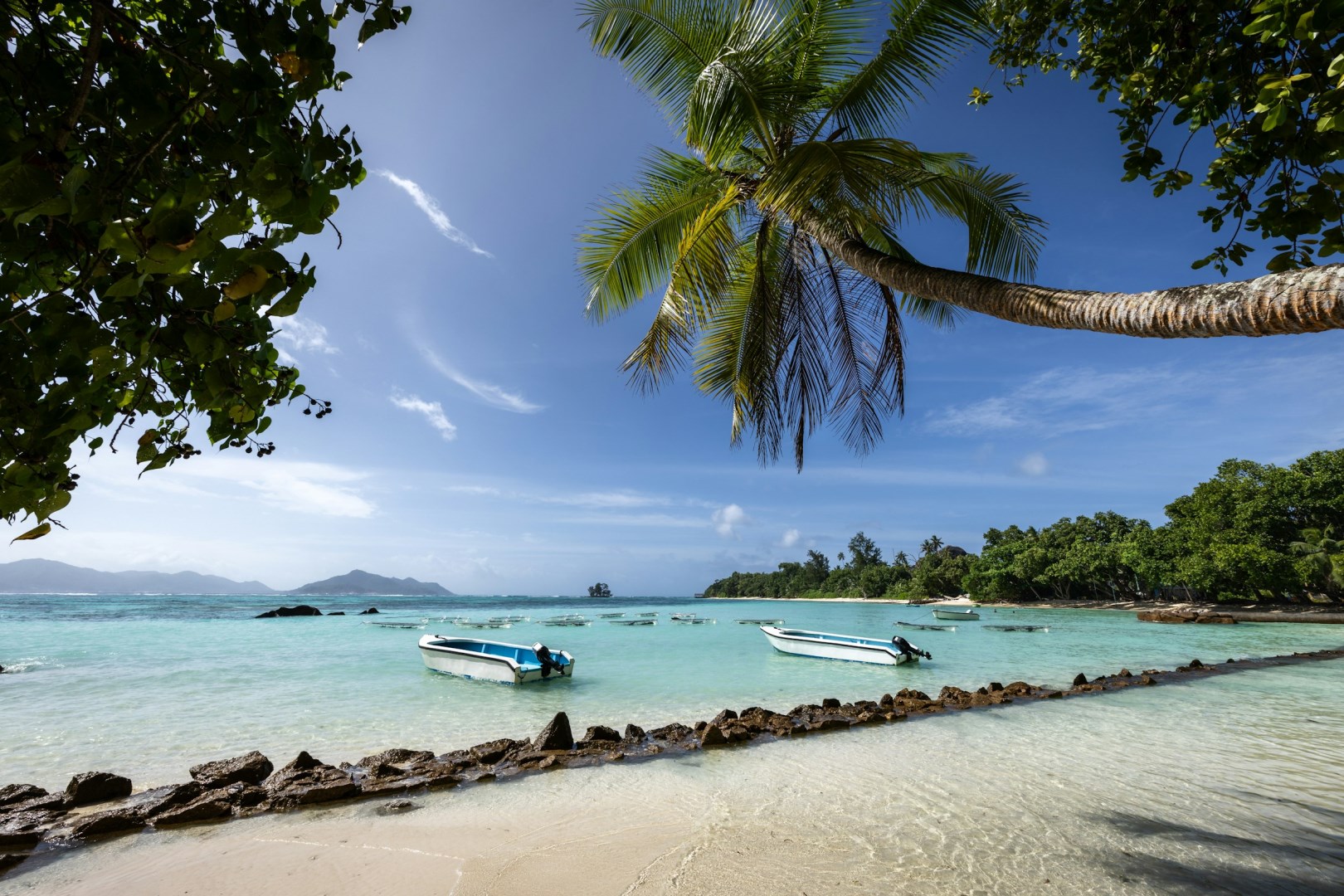
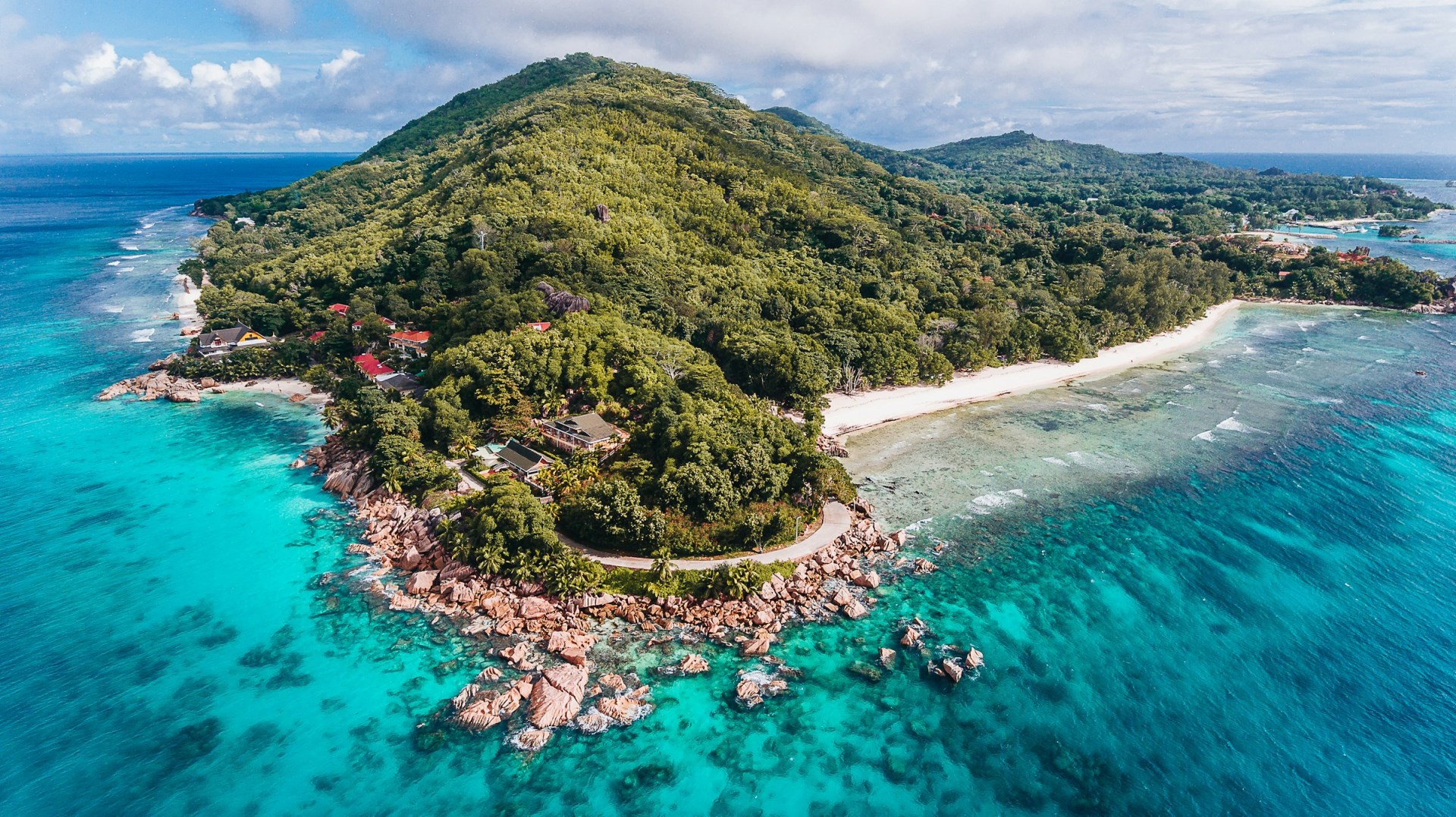
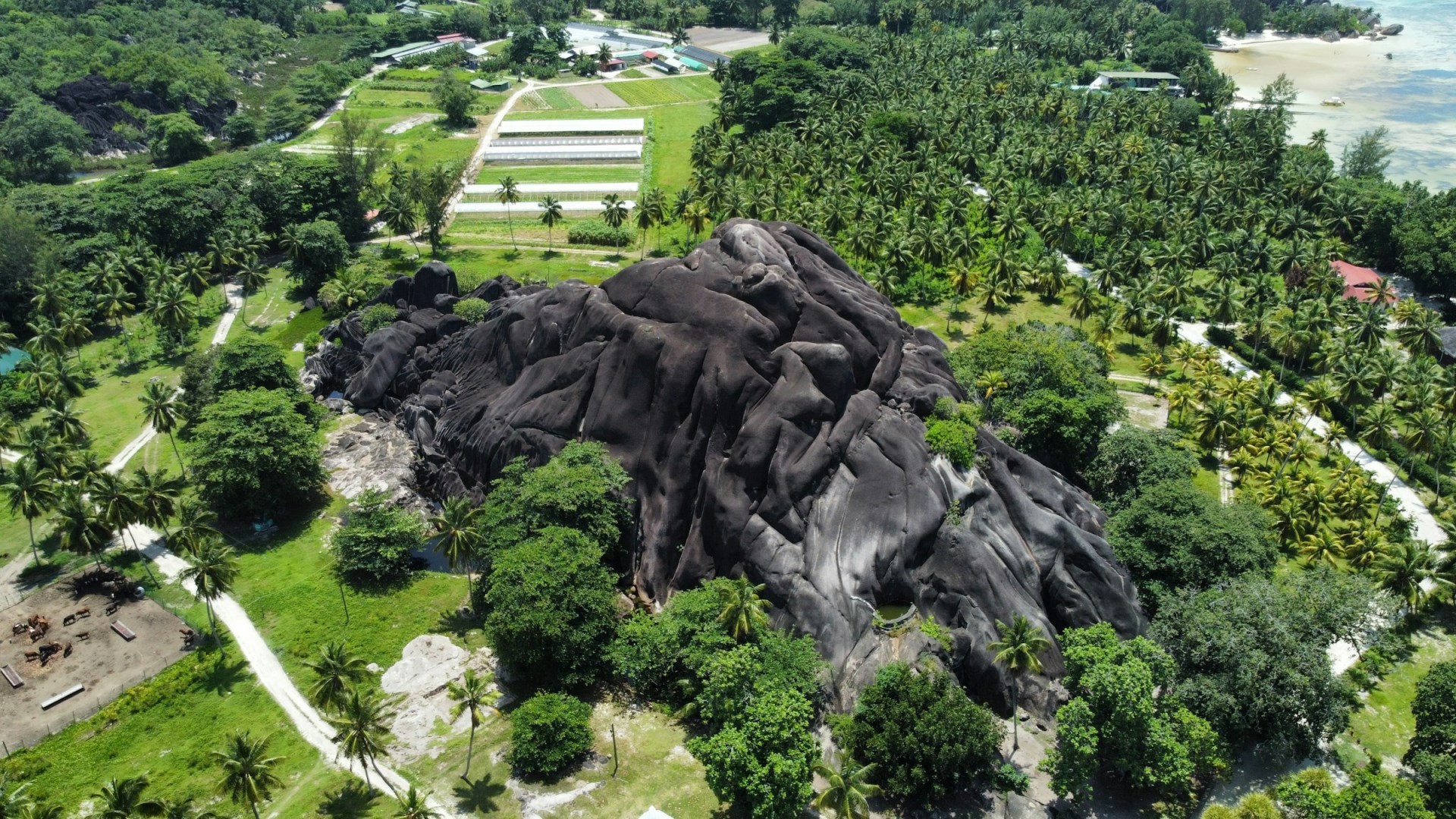
La Digue, the fourth-largest island in the Seychelles, offers a quintessential tropical paradise experience. Known for its idyllic beaches and charming laid-back atmosphere, La Digue is a haven for nature lovers and those seeking a serene escape. The island’s most iconic beach, Anse Source d'Argent, is renowned for its stunning granite boulders and crystal-clear waters, making it one of the most photographed beaches in the world. The beach's unique rock formations and soft white sands create a picturesque setting that’s perfect for both relaxation and photography.
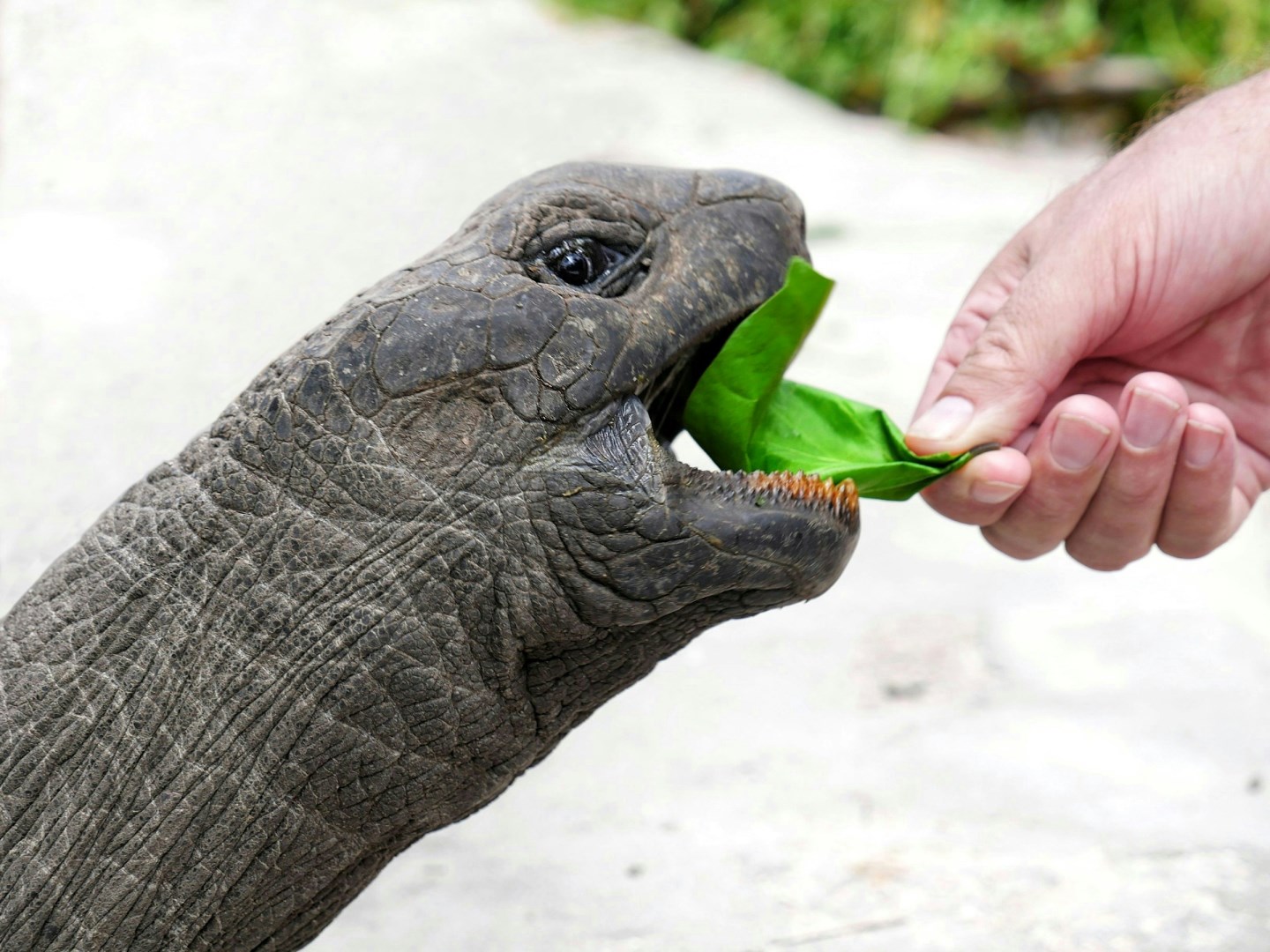
Exploring La Digue is a journey through natural beauty and traditional Seychellois life. Cycling is the primary mode of transportation on the island, adding to its charm. Visit the L’Union Estate, a historic plantation where you can see traditional coconut oil production and encounter giant tortoises (L’Union Estate). Nearby, the Veuve Nature Reserve provides a sanctuary for the endangered Seychelles Paradise Flycatcher, allowing bird enthusiasts to witness this rare species in its natural habitat.
For those interested in local culture, the island’s small village atmosphere is welcoming and authentic. Stroll through the village markets to sample fresh local produce and handmade crafts, or enjoy traditional Creole cuisine at local eateries. The vibrant local culture and the slow pace of life on La Digue offer a delightful contrast to the more bustling tourist spots of the Seychelles.
Fun Fact: La Digue is renowned for its distinctive 'Vallée de Mai' palm trees, which are not found on the island itself but are unique to the Seychelles. These trees, famous for their large seeds called coco de mer, can be seen on nearby Praslin Island.
For the best experience, visit La Digue during the cooler, drier months of May to October, when the weather is perfect for beach activities and exploring the island’s natural wonders. This time of year also ensures fewer crowds, allowing for a more tranquil and enjoyable stay.
Other Popular Destinations in Seychelles
Mahé Island
Mahé Island is the largest and most culturally central island in the Seychelles, home to the capital city of Victoria and the majority of the country’s population.
Praslin Island
Praslin Island, the second-largest island in the Seychelles, is a tropical paradise renowned for its stunning natural beauty and serene atmosphere. With its lush landscapes and pristine beaches, Praslin offers an idyllic escape for those seeking relaxation and adventure.