Florence is a city in northeastern South Carolina and a regional center for the Pee Dee area, positioned between the coastal plain and the inland agricultural districts. Its landscape is generally flat to gently rolling, with pine forests, wetlands, and farmland surrounding the urban area. Florence developed as a transportation center, and rail lines remain an important part of its identity and geography.
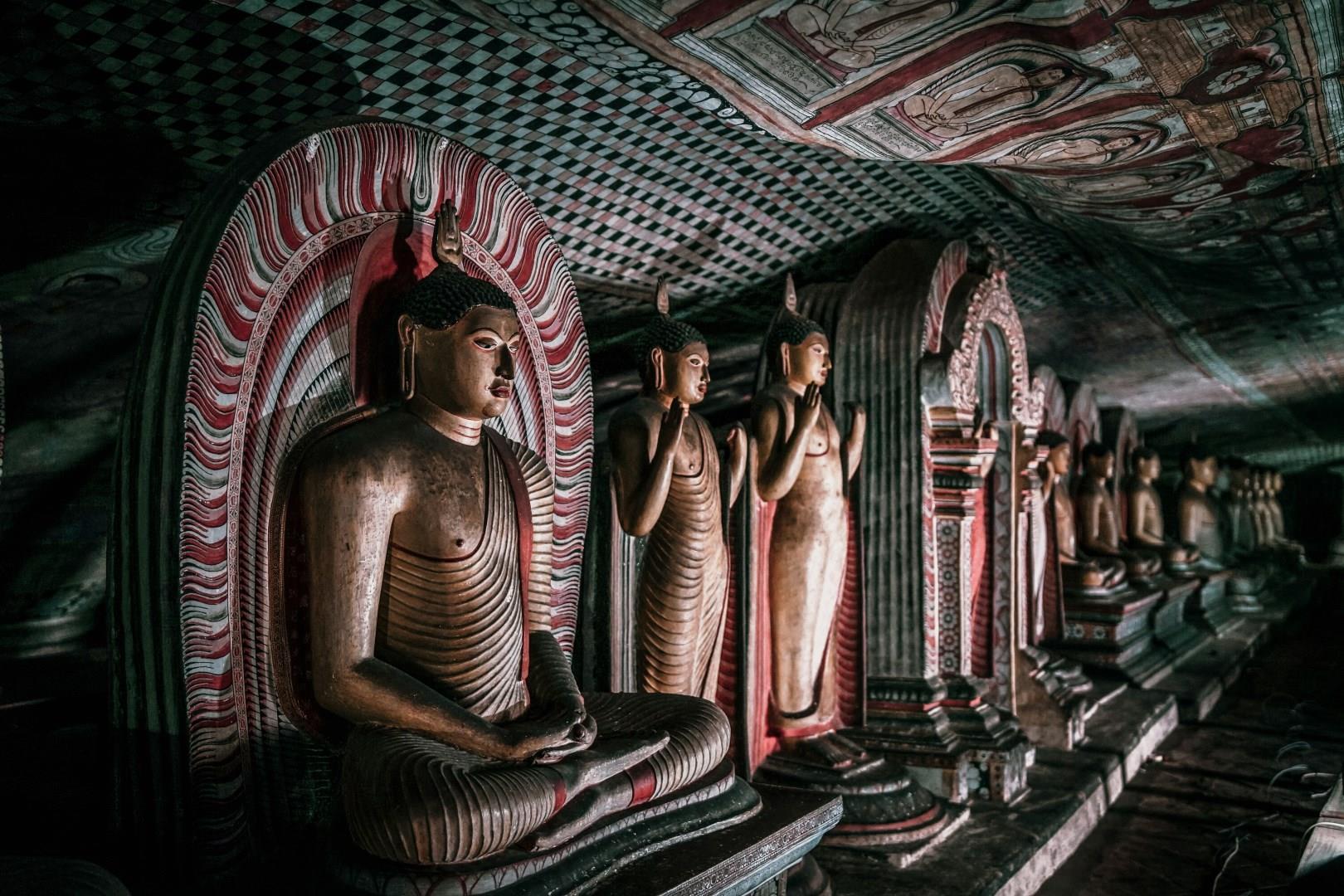
Dambulla, situated in the Central Province of Sri Lanka, is best known for its rock temple complex that has been in use for over two thousand years. The Dambulla Cave Temple, also called the Golden Temple of Dambulla, is made up of five caves carved into a granite outcrop, filled with over 150 Buddha statues and intricate wall paintings. These caves were first used by King Valagamba in the 1st century BCE as a refuge during exile, and later transformed into a sacred site.
Seward is a coastal city at the head of Resurrection Bay on Alaska’s Kenai Peninsula. Mountains rise around the community, while its harbor opens toward the Gulf of Alaska. The city is an important gateway to Kenai Fjords National Park and a center for commercial fishing, marine transportation, and outdoor recreation. Seward also marks the southern terminus of the historic Iditarod Trail.
Morelia, the capital of Michoacán, is a city that wears its history in stone. Built in the 16th century and recognized as a UNESCO World Heritage Site, its historic center is filled with over 200 colonial-era buildings made from pink cantera, a soft volcanic stone that gives the city its distinct look. The centerpiece is the Morelia Cathedral, a massive baroque structure that features twin towers that light up every Saturday night with a fireworks and music display.
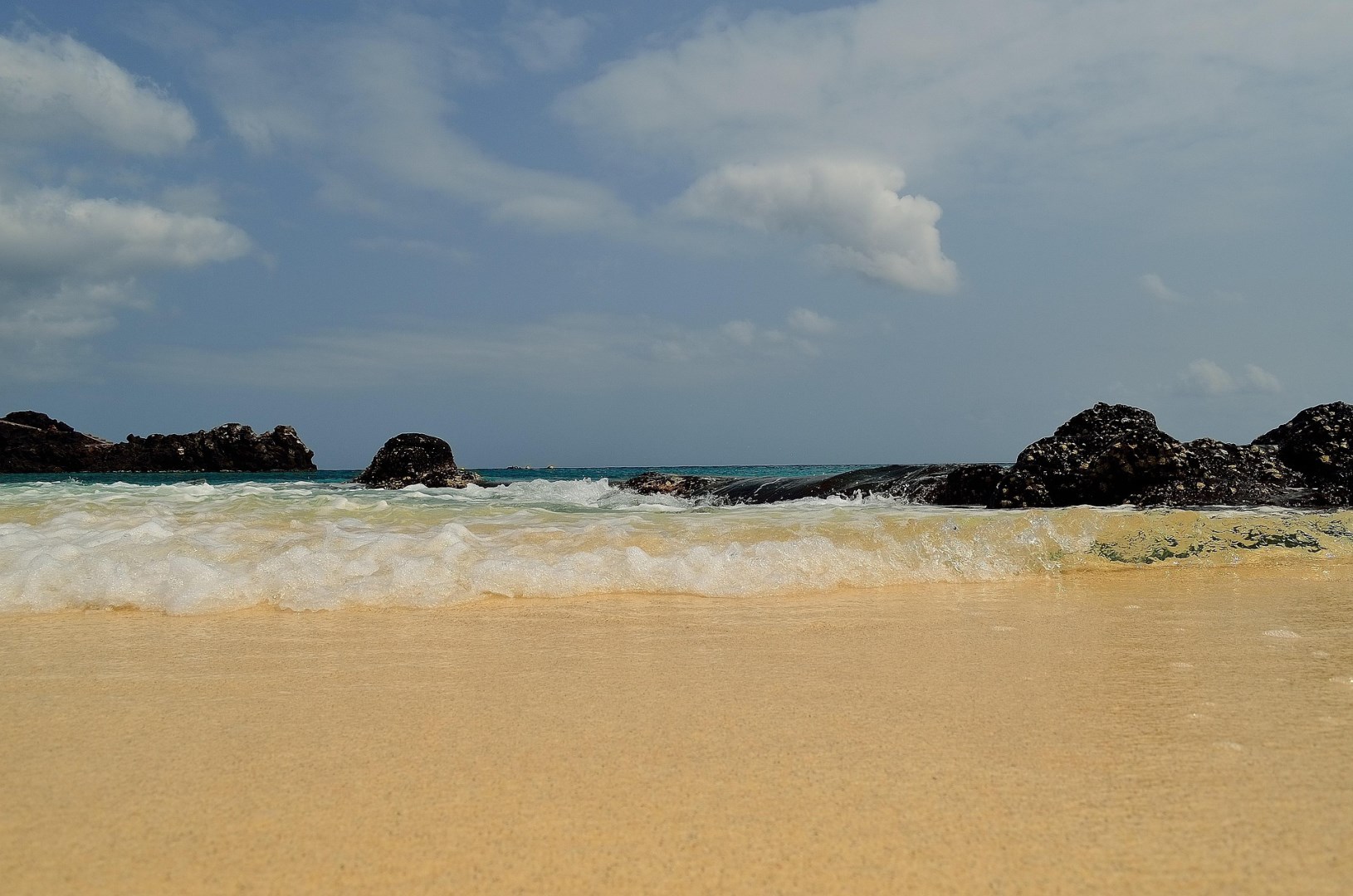
Ascension island, British dependency of St. Helena, in the South Atlantic Ocean, about midway between Africa and South America and 700 miles northwest of St. Helena. The small, volcanic island was sighted by the Portuguese in 1501, but it was uninhabited until the exile of Napoleon to St. Helena in 1815.
Photo Credit: Photo by Marc Schmittbuhl on Unsplash
Photo Credit: Photo by seytales on Unsplash
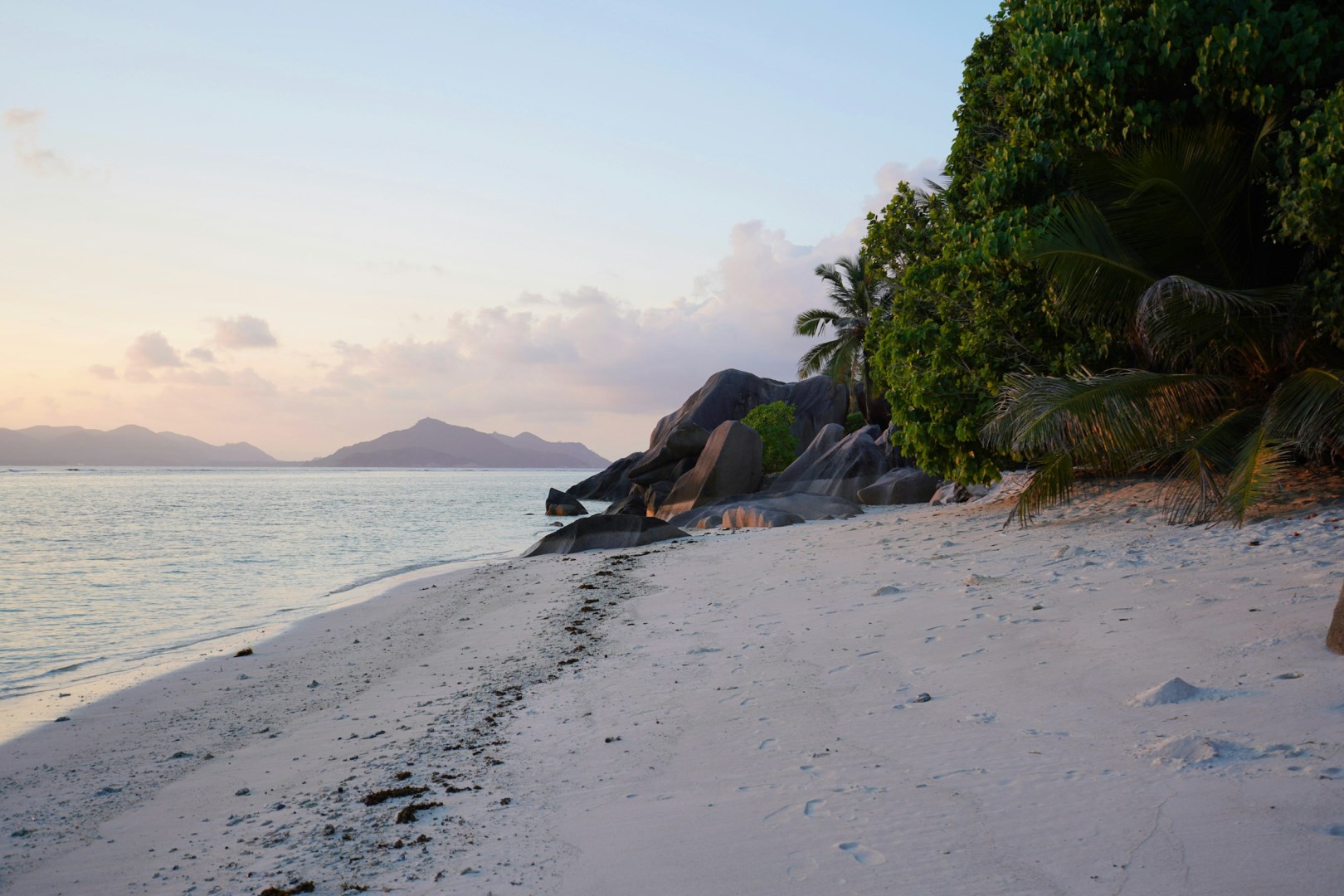
Anse Source d'Argent
Photo Credit: Photo by Datingjungle on Unsplash
Photo Credit: Photo by Christian Cacciamani on Unsplash
Photo Credit: Photo by Philipp Meeh on Unsplash
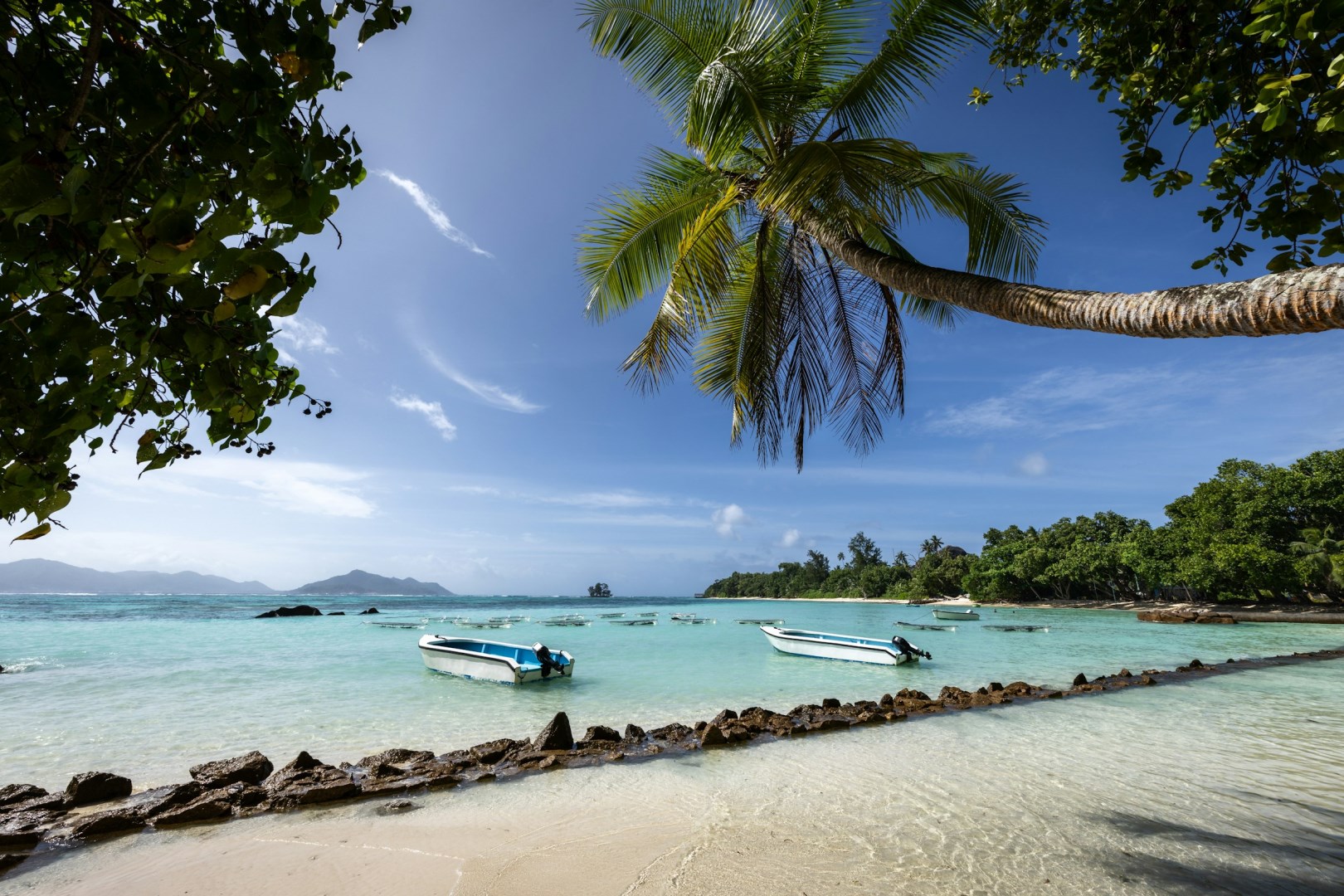
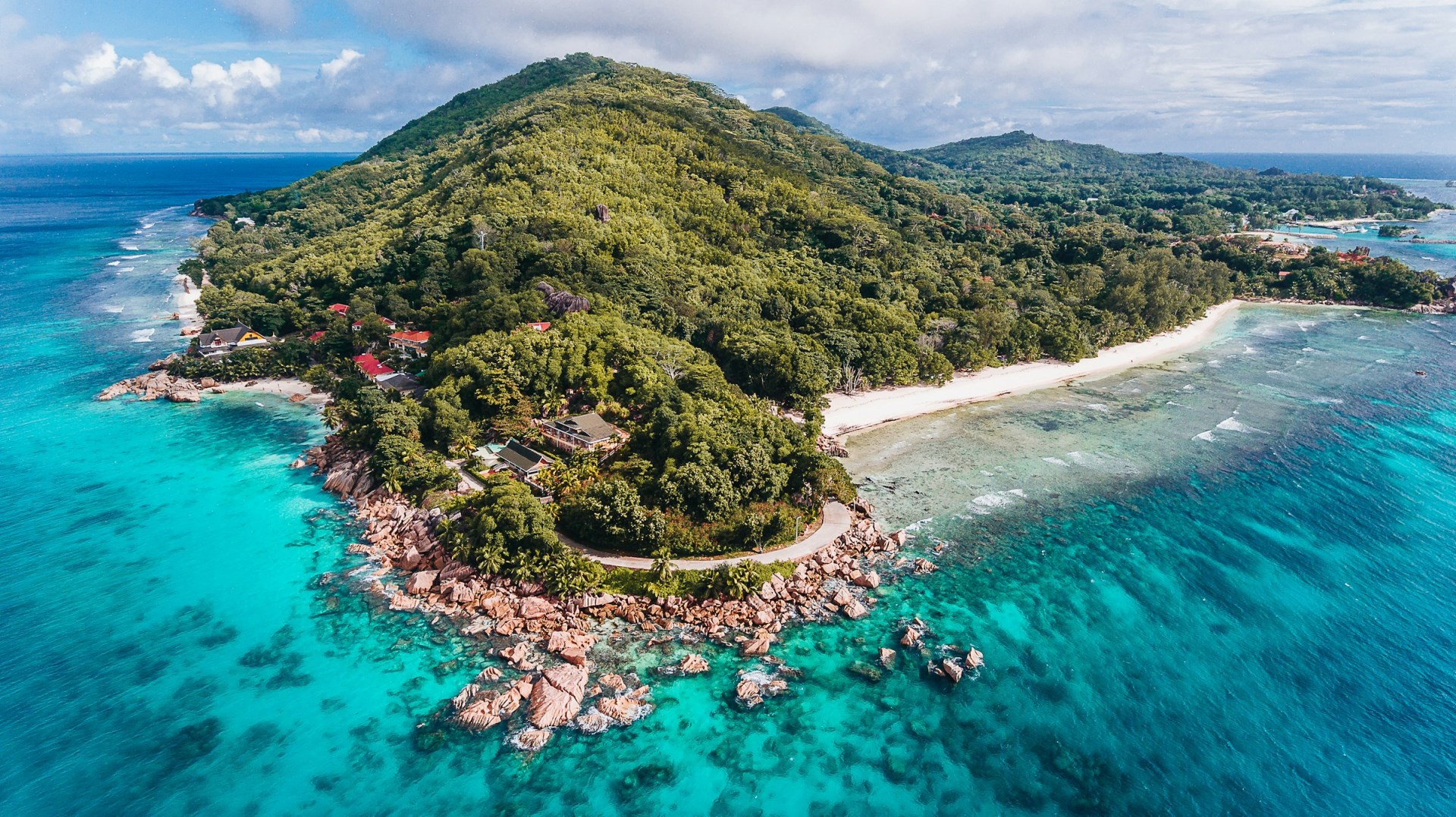
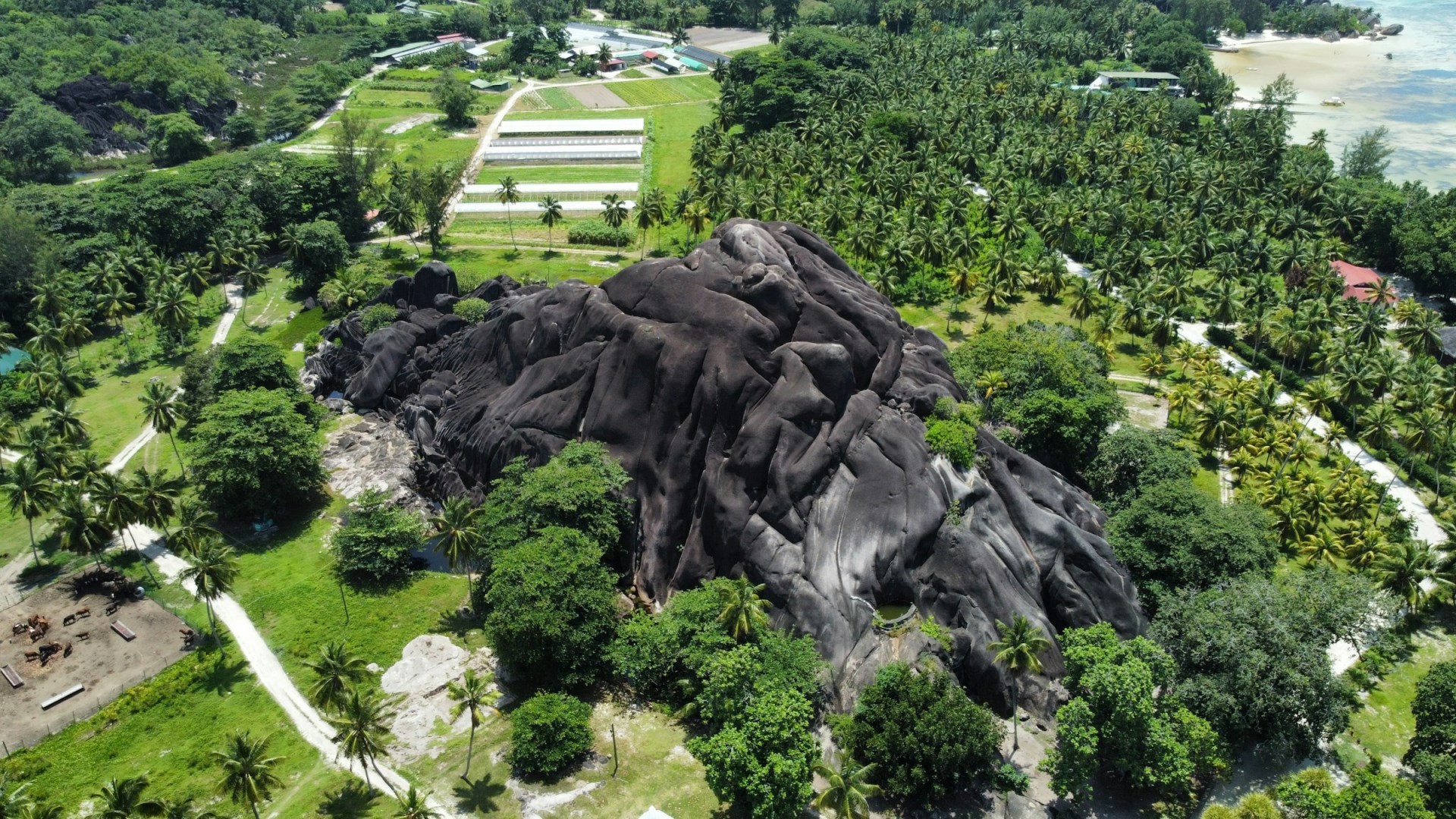
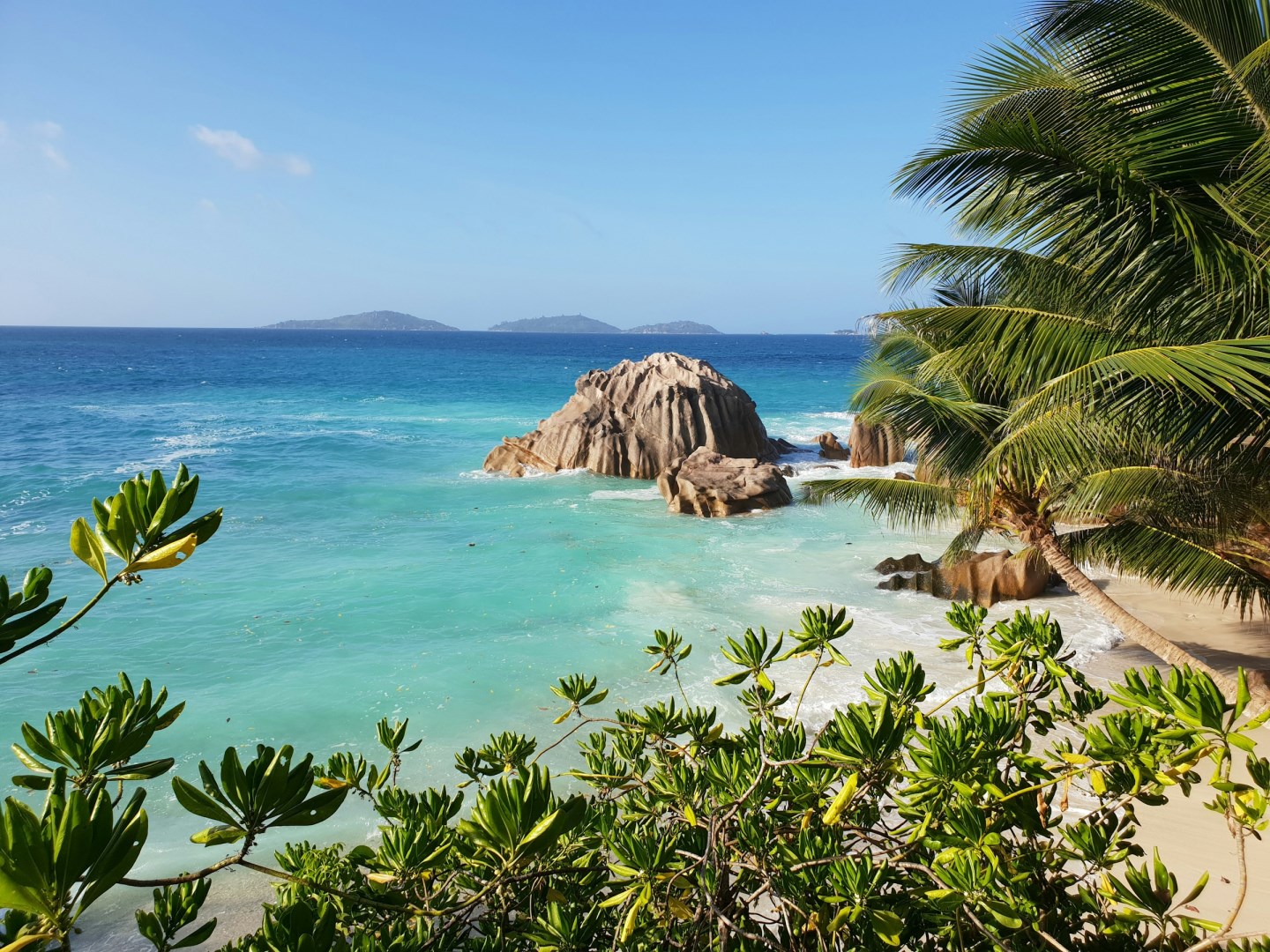
La Digue, the fourth-largest island in the Seychelles, offers a quintessential tropical paradise experience. Known for its idyllic beaches and charming laid-back atmosphere, La Digue is a haven for nature lovers and those seeking a serene escape. The island’s most iconic beach, Anse Source d'Argent, is renowned for its stunning granite boulders and crystal-clear waters, making it one of the most photographed beaches in the world. The beach's unique rock formations and soft white sands create a picturesque setting that’s perfect for both relaxation and photography.
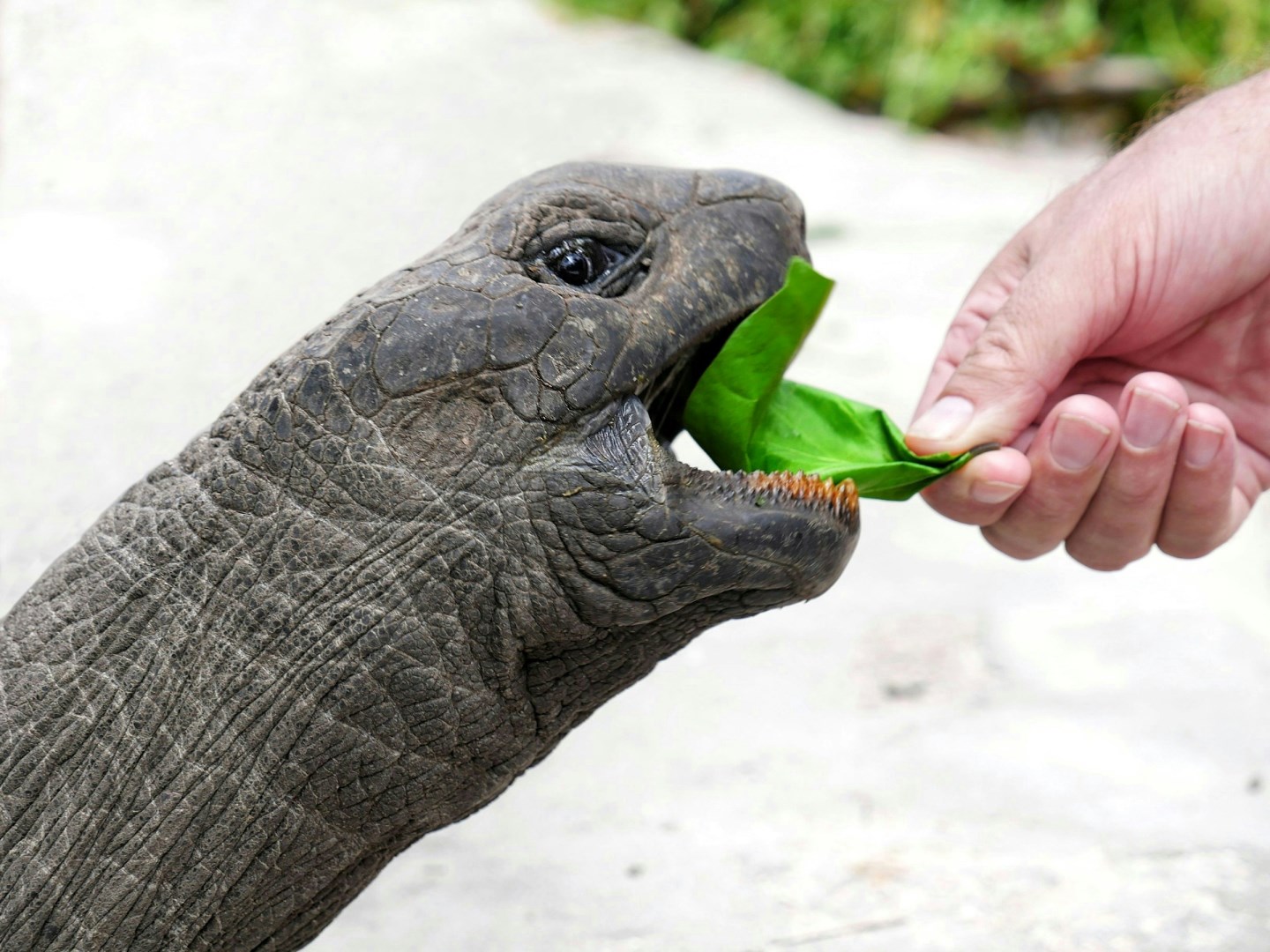
Exploring La Digue is a journey through natural beauty and traditional Seychellois life. Cycling is the primary mode of transportation on the island, adding to its charm. Visit the L’Union Estate, a historic plantation where you can see traditional coconut oil production and encounter giant tortoises (L’Union Estate). Nearby, the Veuve Nature Reserve provides a sanctuary for the endangered Seychelles Paradise Flycatcher, allowing bird enthusiasts to witness this rare species in its natural habitat.
For those interested in local culture, the island’s small village atmosphere is welcoming and authentic. Stroll through the village markets to sample fresh local produce and handmade crafts, or enjoy traditional Creole cuisine at local eateries. The vibrant local culture and the slow pace of life on La Digue offer a delightful contrast to the more bustling tourist spots of the Seychelles.
Fun Fact: La Digue is renowned for its distinctive 'Vallée de Mai' palm trees, which are not found on the island itself but are unique to the Seychelles. These trees, famous for their large seeds called coco de mer, can be seen on nearby Praslin Island.
For the best experience, visit La Digue during the cooler, drier months of May to October, when the weather is perfect for beach activities and exploring the island’s natural wonders. This time of year also ensures fewer crowds, allowing for a more tranquil and enjoyable stay.
Other Popular Destinations in Seychelles
Mahé Island
Mahé Island is the largest and most culturally central island in the Seychelles, home to the capital city of Victoria and the majority of the country’s population.
Praslin Island
Praslin Island, the second-largest island in the Seychelles, is a tropical paradise renowned for its stunning natural beauty and serene atmosphere. With its lush landscapes and pristine beaches, Praslin offers an idyllic escape for those seeking relaxation and adventure.