
Shanghai is a city where contrasting timelines meet at every corner. Once a small fishing village along the Huangpu River, it grew rapidly during the 19th century into a major trading port. Today, its skyline tells a story of that transformation. On one side, the Bund’s colonial-era buildings stand tall in limestone and granite; on the other, the futuristic towers of Pudong, like the Shanghai Tower and Jin Mao, stretch into the clouds.
New Caledonia is an archipelago located in the south western part of the Pacific Ocean, and belongs to what is known as Melanesia. The mainland known as the "Grande Terre" is the principal island of New Caledonia and covers an area of 400 kms north to south and 50 kms west to east, with a total surface of 19 000 square meters. It is the third largest island in the South Pacific after New Guinea and New Zealand.
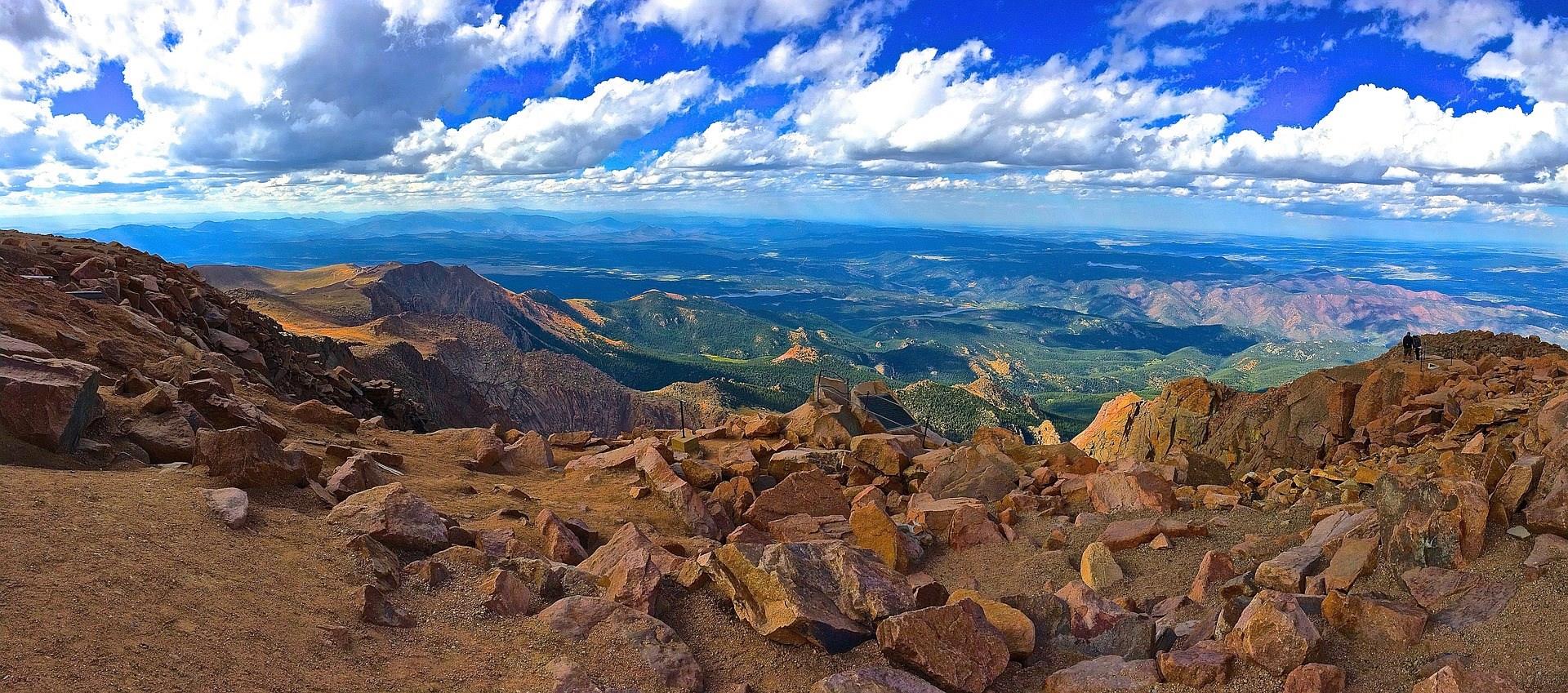
Pikes Peak, located in the heart of Colorado's Rocky Mountains, offers visitors an awe-inspiring natural experience. The Pikes Peak Highway, which ascends to the summit, allows travelers to reach the top by car, making it a popular choice for those looking to experience high-altitude vistas without the strenuous hike.
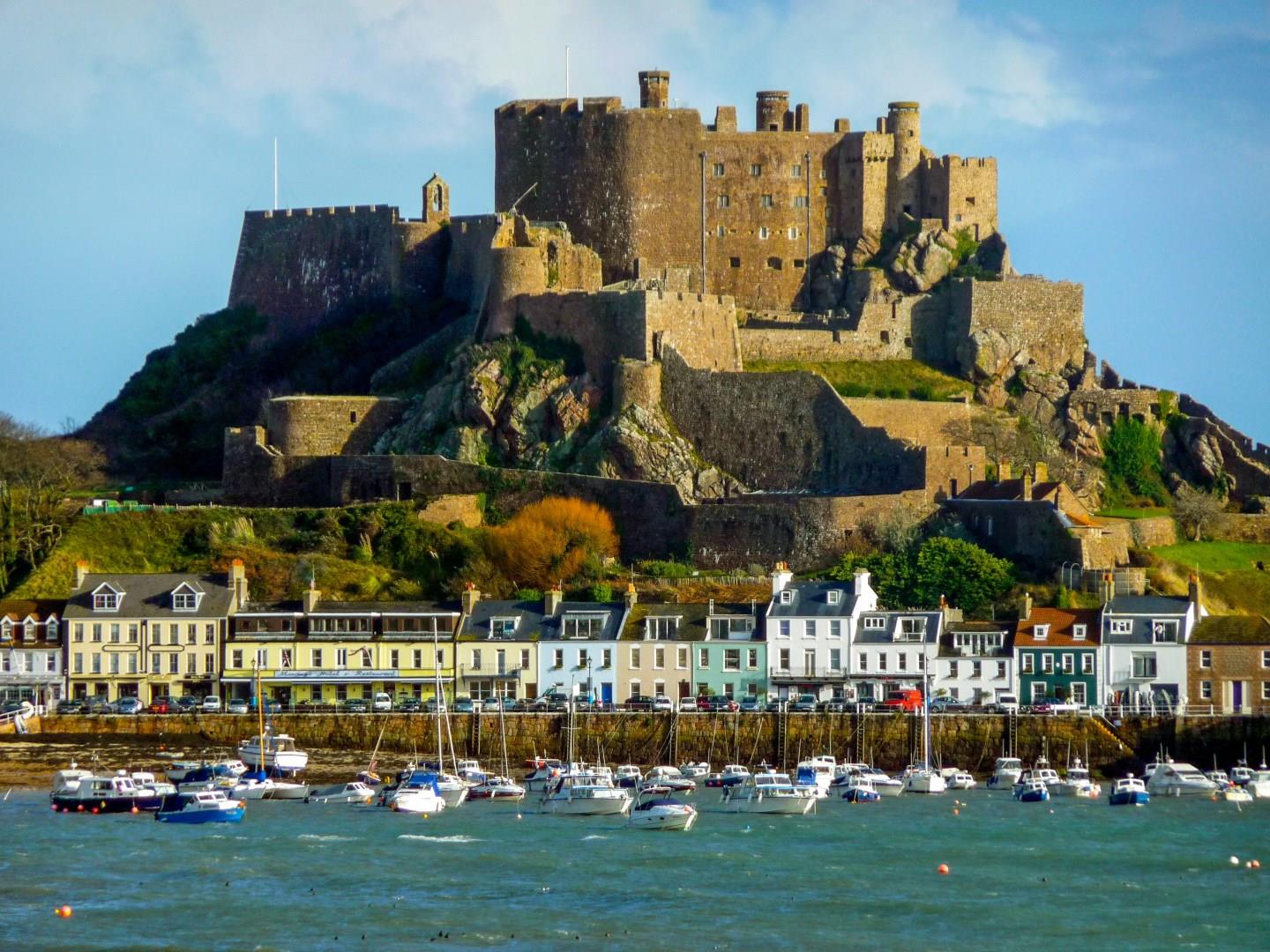
Jersey, the largest of the Channel Islands, is a destination that offers a unique blend of British and French influences, reflected in its history, language, and cuisine. Its strategic location between England and France has shaped centuries of cultural exchange and resilience, especially evident in sites like Mont Orgueil Castle. The island’s coastline features dramatic cliffs, hidden coves, and wide sandy beaches.
A major port city on the River Scheldt, Antwerp, Belgium, is a cultural, historical, and commercial hub and the country's most populous city. Known as the "diamond capital of the world," Antwerp is renowned for its cut diamonds.
Longyearbyen, the northernmost settlement of its size in the world, offers a unique and captivating experience in the Arctic archipelago of Svalbard, Norway. Nestled between icy peaks and sprawling glaciers, this remote town is a gateway to exploring the rugged beauty of the Arctic landscape. Visitors can marvel at the dramatic scenery and embark on thrilling adventures such as dog sledding, snowmobiling, and glacier hiking. The town's striking contrasts between the stark white snow and vibrant colorful buildings create a visually stunning backdrop, making it a photographer's paradise.
A visit to Longyearbyen is also a journey into the history and culture of Arctic exploration. The Svalbard Museum provides insights into the region’s rich history, from its early Arctic expeditions to its current status as a hub for scientific research. Additionally, the Global Seed Vault, located nearby, is an essential stop. This high-tech facility stores seeds from around the world as a safeguard against global crises, highlighting the area’s role in global conservation.
For nature enthusiasts, Longyearbyen offers a rare chance to witness the polar bear, a symbol of Arctic wildlife. Guided tours often include educational sessions about polar bears and their habitat, ensuring both safety and respect for these majestic creatures.
Fun Fact: Despite its polar location, Longyearbyen has a surprisingly rich culinary scene. The town is known for its unique Arctic delicacies, including reindeer and king crab, which you can enjoy at local restaurants. The town’s vibrant community and its blend of cultures contribute to a memorable Arctic culinary experience.
Traveling to Longyearbyen between March and May is ideal for experiencing the full range of Arctic adventures while enjoying extended daylight hours. This period offers an excellent opportunity to explore the pristine landscapes and immerse yourself in the extraordinary Arctic lifestyle.