Kuwait City began as a modest fishing village and has evolved into a modern metropolis. The city's history is deeply rooted in its maritime heritage. The Dhow Harbour in Kuwait City offers a captivating glimpse into the nation's rich maritime past. Historically, dhows were essential for trade, fishing, and pearl diving, shaping Kuwait's economic and cultural identity. Today, the harbor remains a vibrant testament to this legacy, housing a variety of traditional wooden ships.
Istanbul is a city built on layers of empire. Spanning two continents, it was once the capital of three major empires: Roman, Byzantine, and Ottoman. Visitors walking through the Sultanahmet district can witness this timeline firsthand, from the Roman-era Hippodrome to the Byzantine mosaics of Hagia Sophia, and the towering minarets of the Blue Mosque. At nearby Topkapi Palace, rooms still display the jeweled swords, ceremonial robes, and handwritten Qurans once used by Ottoman sultans.
Portovenere, in the region of Cinque Terre, is a characteristic medieval village situated at the far west of the gulf. With its colored, narrow high houses, the Genoese Castle, the St. Pietro Church on the steep cliff, it unites history with charm.
Luang Prabang, the jewel of northern Laos, captivates travelers with its blend of serene spirituality, French colonial charm, and breathtaking natural beauty. This UNESCO World Heritage Site is nestled between the Mekong and Nam Khan rivers, creating a tranquil setting where time seems to slow down. Here, ancient temples with glistening spires, like Wat Xieng Thong, sit alongside quaint colonial-era villas, inviting visitors to explore the harmonious fusion of Lao and French cultures.
One of Africa's most popular game reserves, Maasai Mara is located in Narok, Kenya, near the border of Tanzania. Named in honor of the Maasai people, this park is populated with wildlife including elephants, lions, zebras, and leopards.
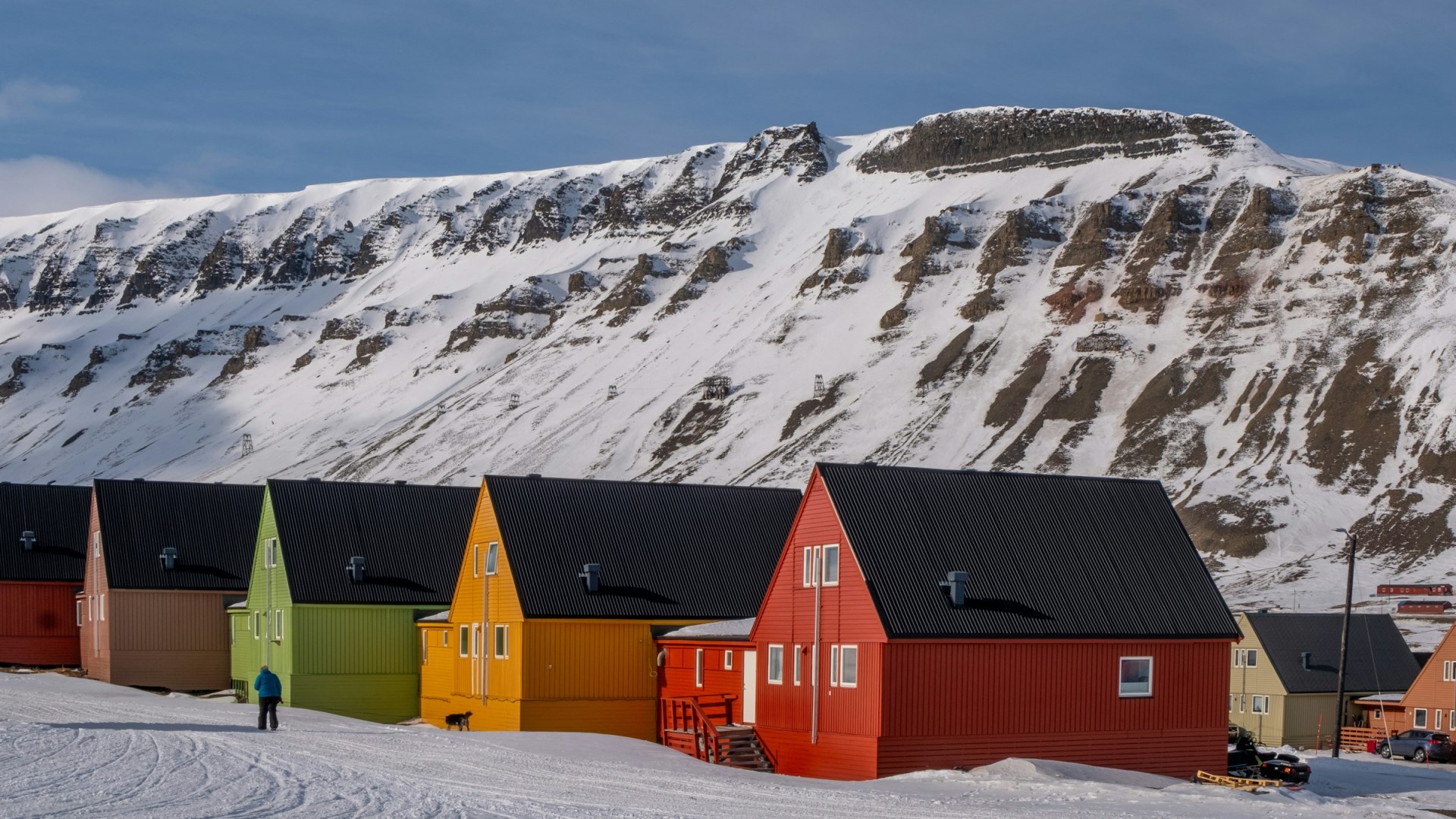
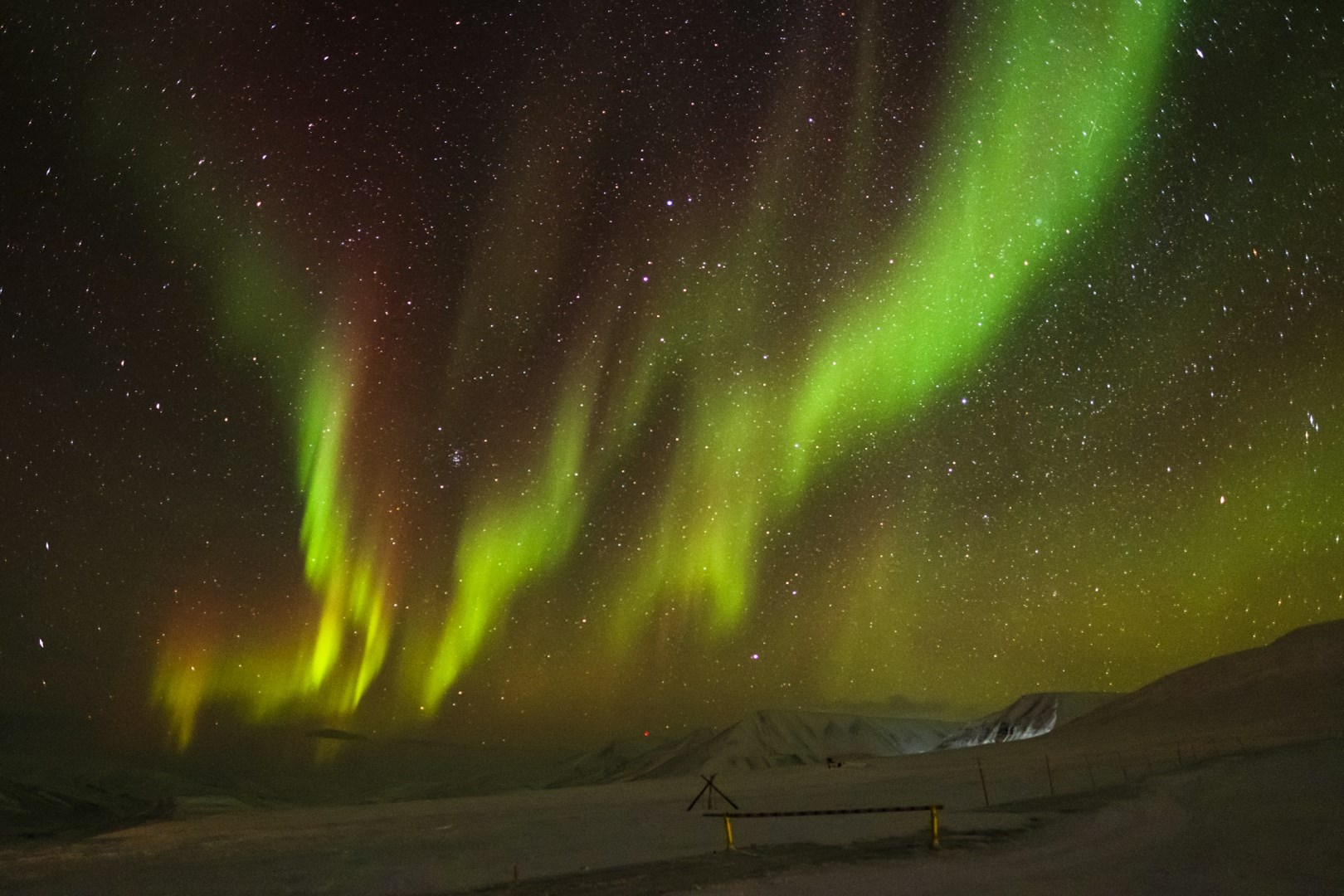
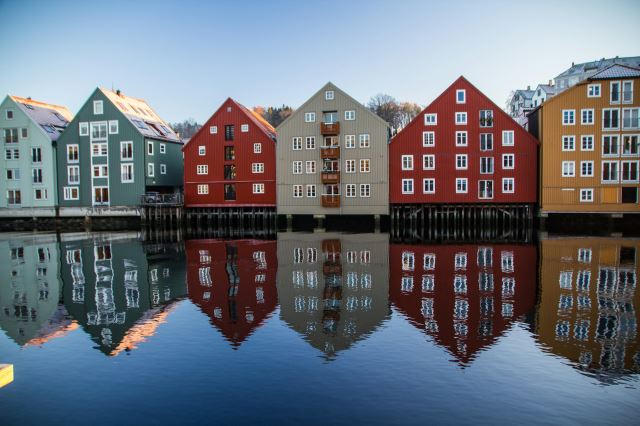
Longyearbyen, the northernmost settlement of its size in the world, offers a unique and captivating experience in the Arctic archipelago of Svalbard, Norway. Nestled between icy peaks and sprawling glaciers, this remote town is a gateway to exploring the rugged beauty of the Arctic landscape. Visitors can marvel at the dramatic scenery and embark on thrilling adventures such as dog sledding, snowmobiling, and glacier hiking. The town's striking contrasts between the stark white snow and vibrant colorful buildings create a visually stunning backdrop, making it a photographer's paradise.
A visit to Longyearbyen is also a journey into the history and culture of Arctic exploration. The Svalbard Museum provides insights into the region’s rich history, from its early Arctic expeditions to its current status as a hub for scientific research. Additionally, the Global Seed Vault, located nearby, is an essential stop. This high-tech facility stores seeds from around the world as a safeguard against global crises, highlighting the area’s role in global conservation.
For nature enthusiasts, Longyearbyen offers a rare chance to witness the polar bear, a symbol of Arctic wildlife. Guided tours often include educational sessions about polar bears and their habitat, ensuring both safety and respect for these majestic creatures.
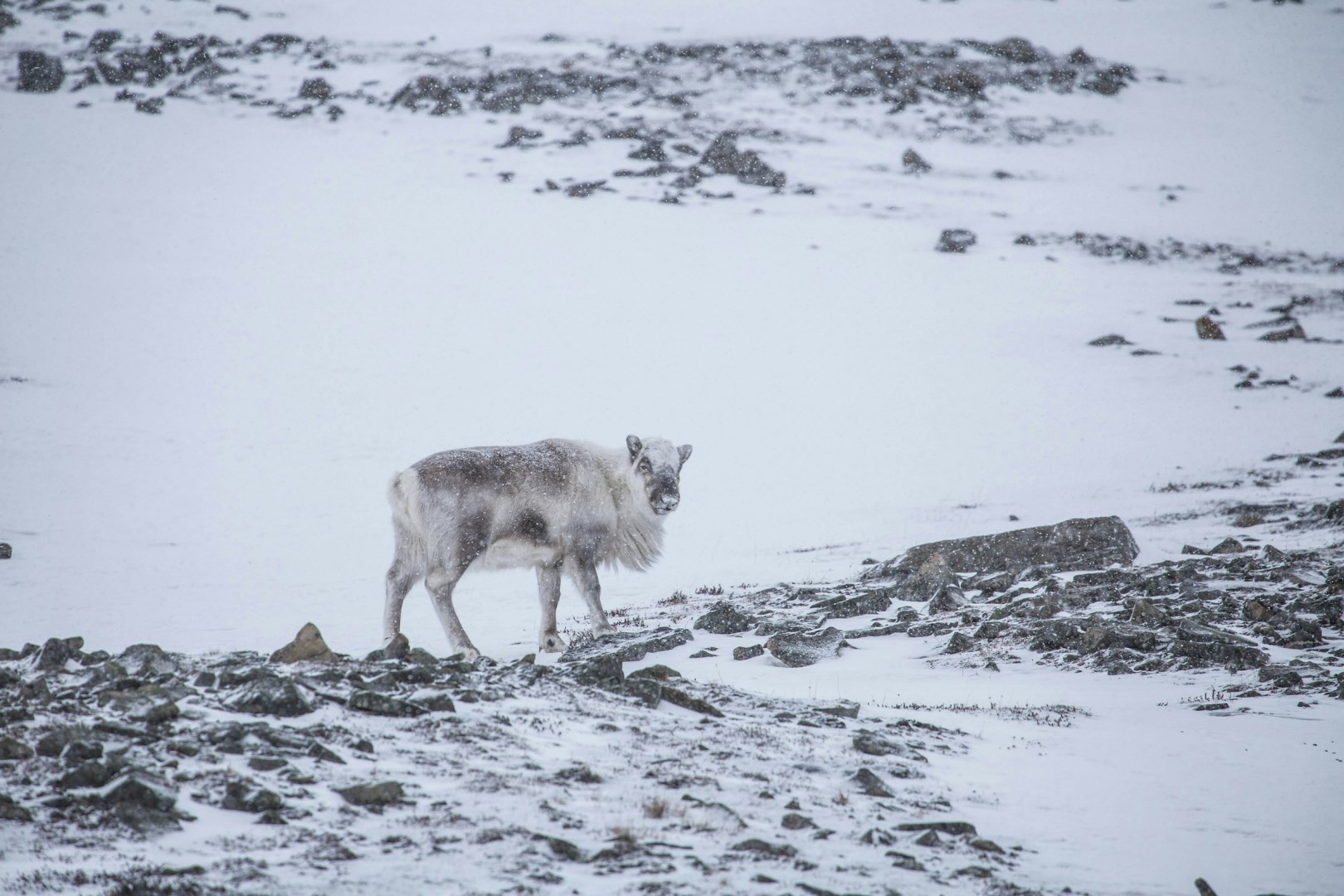
Fun Fact: Despite its polar location, Longyearbyen has a surprisingly rich culinary scene. The town is known for its unique Arctic delicacies, including reindeer and king crab, which you can enjoy at local restaurants. The town’s vibrant community and its blend of cultures contribute to a memorable Arctic culinary experience.
Traveling to Longyearbyen between March and May is ideal for experiencing the full range of Arctic adventures while enjoying extended daylight hours. This period offers an excellent opportunity to explore the pristine landscapes and immerse yourself in the extraordinary Arctic lifestyle.