Giurgiu
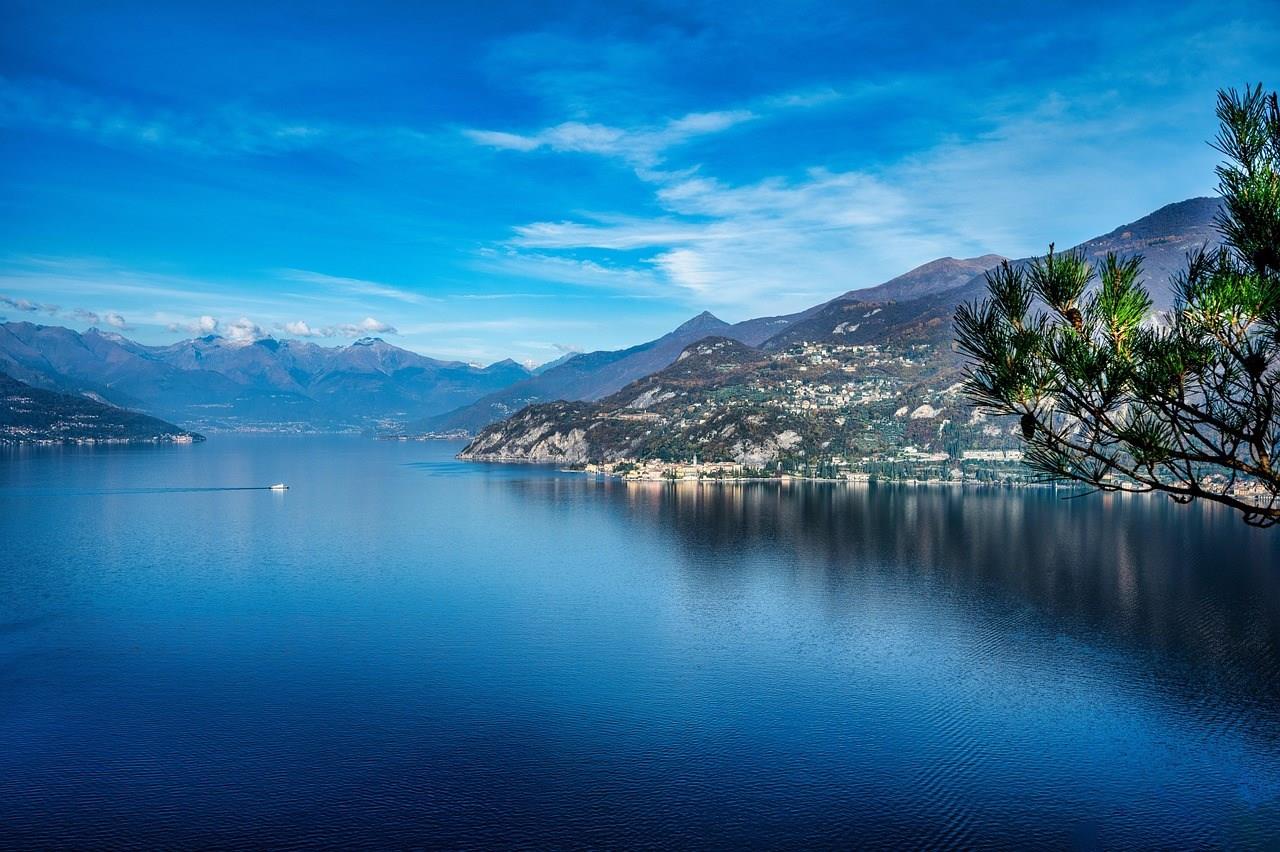
Giurgiu, a charming city in southern Romania, offers a unique blend of history, culture, and natural beauty, making it a captivating destination for travelers seeking an off-the-beaten-path experience.

Nicaragua
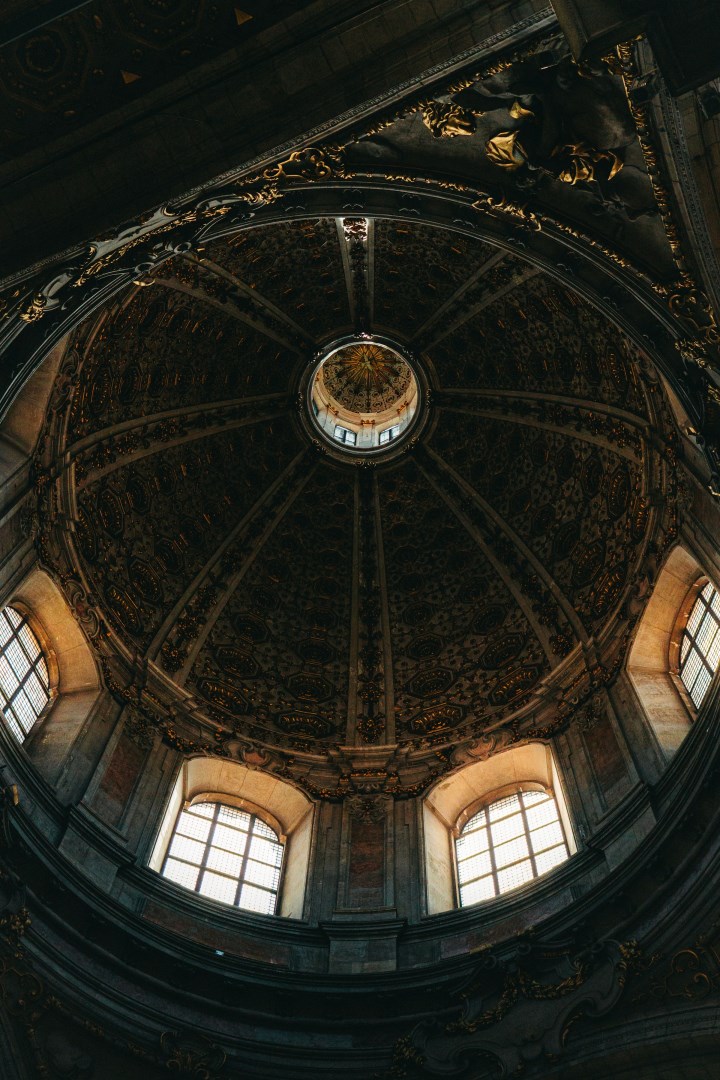
Nicaragua offers travelers a look into centuries of layered history set against striking natural backdrops. Visitors can tour the baroque-style Granada Cathedral, take a boat ride through Las Isletas (a chain of small, volcanic islands in Lake Nicaragua), or climb the bell tower of Iglesia La Merced for sweeping city views.
Puerto Escondido
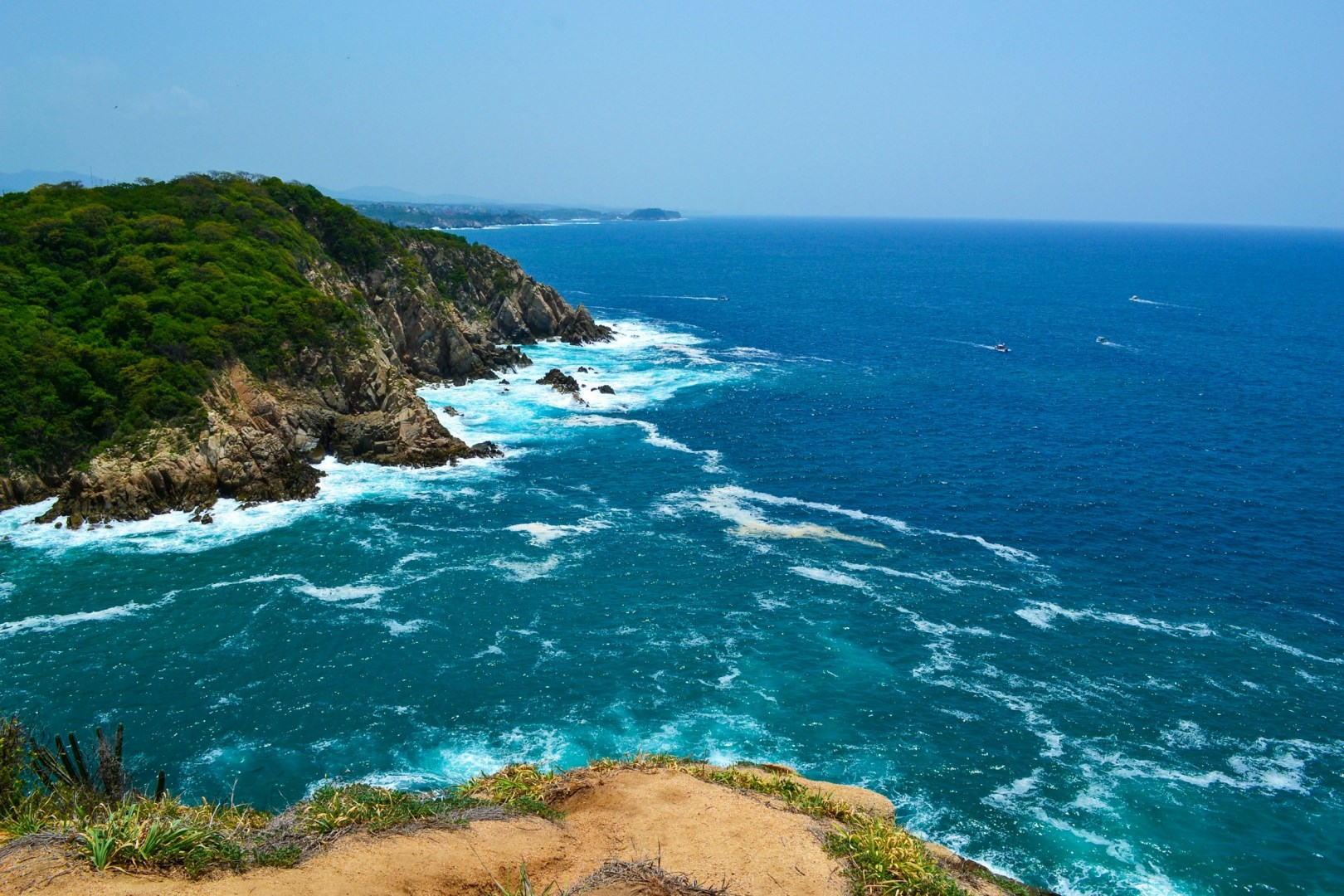
Just a few years ago, Puerto Escondido was a fishing village. Now Puerto Escondido is still remote enough to avoid the crowds of the more established resort areas and a perfect "out of the way" spot for those looking for a great, romantic escape.

Vilnius
Vilnius, the charming capital of Lithuania, is a city where historical grandeur meets vibrant modernity. The heart of Vilnius is its UNESCO-listed Old Town, one of the largest and most well-preserved medieval city centers in Europe. Wander through its cobblestone streets and admire the stunning Baroque architecture.

Chichicastenango
Chichicastenango, often simply called "Chichi," is a vibrant town in the highlands of Guatemala that offers an unparalleled cultural experience. Known for its lively indigenous market, which takes place every Thursday and Sunday, this bustling bazaar is one of the most famous in Central America. Here, visitors can immerse themselves in the rich tapestry of Mayan culture while browsing colorful textiles, handcrafted masks, and traditional pottery.