Death Valley
Death Valley, California, is a land of extremes that captures the imagination with its striking desert landscapes and surreal beauty. Located in the Mojave Desert, it is the hottest, driest, and lowest national park in the United States. Visitors are drawn to its iconic features, such as the vast salt flats of Badwater Basin, which at 282 feet below sea level, mark the lowest point in North America.

Rhode Island
Rhode Island may be the smallest state in the U.S., but it offers an outsized variety of experiences, from colonial history to coastline escapes. Founded in 1636 by Roger Williams as a haven for religious freedom, the state still reflects its independent spirit. In Providence, travelers can visit the John Brown House Museum to explore the city’s role in early American commerce, or walk Benefit Street, lined with preserved 18th- and 19th-century homes.
Peoria
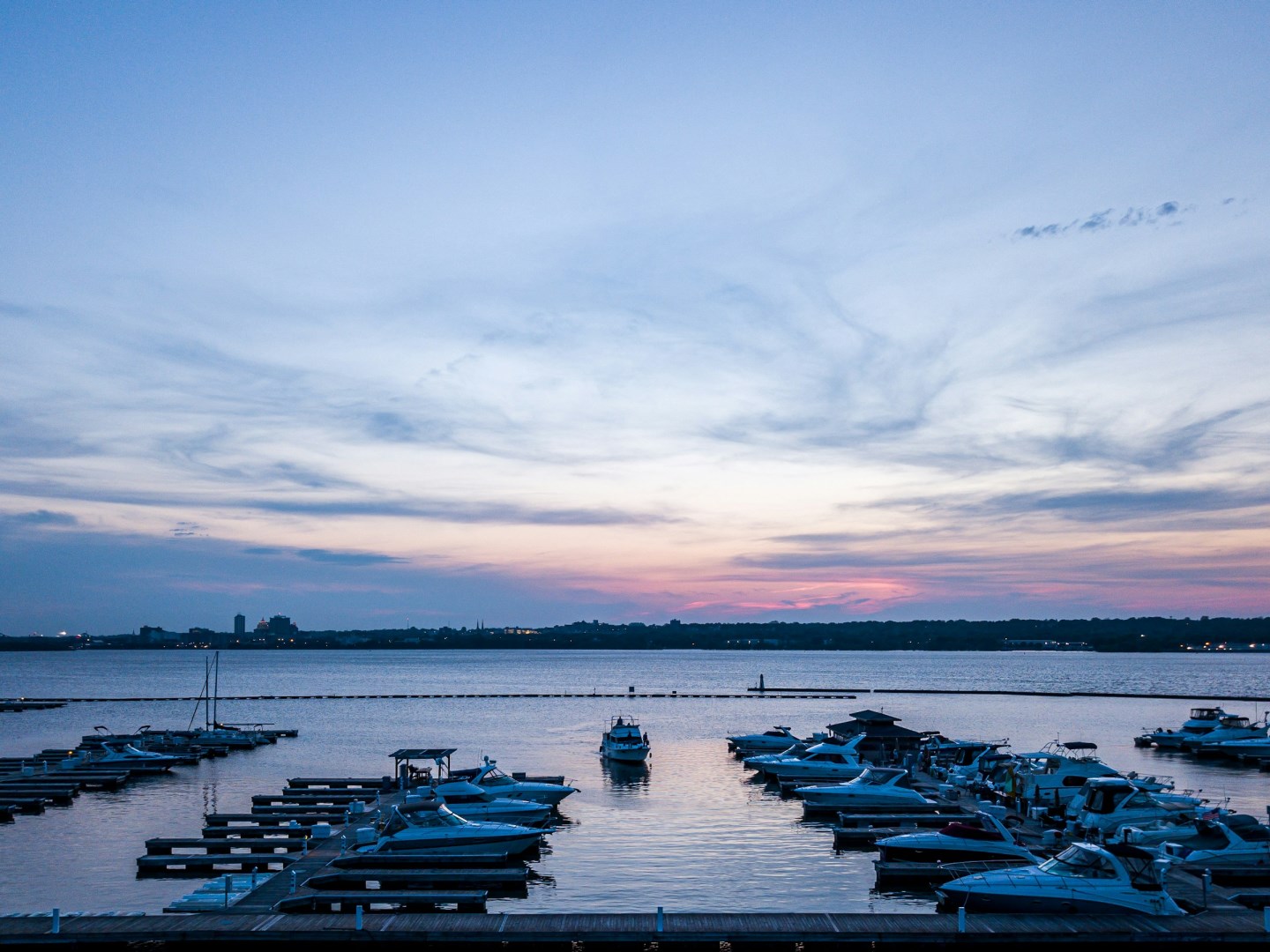
Peoria is a city in central Illinois situated along the Illinois River, where wooded bluffs rise above a broad river valley. The river has long influenced the city’s economy, transportation, and recreation, while the surrounding landscape includes parks, forests, farmland, and rolling terrain. Downtown Peoria extends toward the riverfront and contains museums, restaurants, theaters, and public spaces. The city is also closely associated with Caterpillar, whose deep roots in the Peoria area have
Eureka
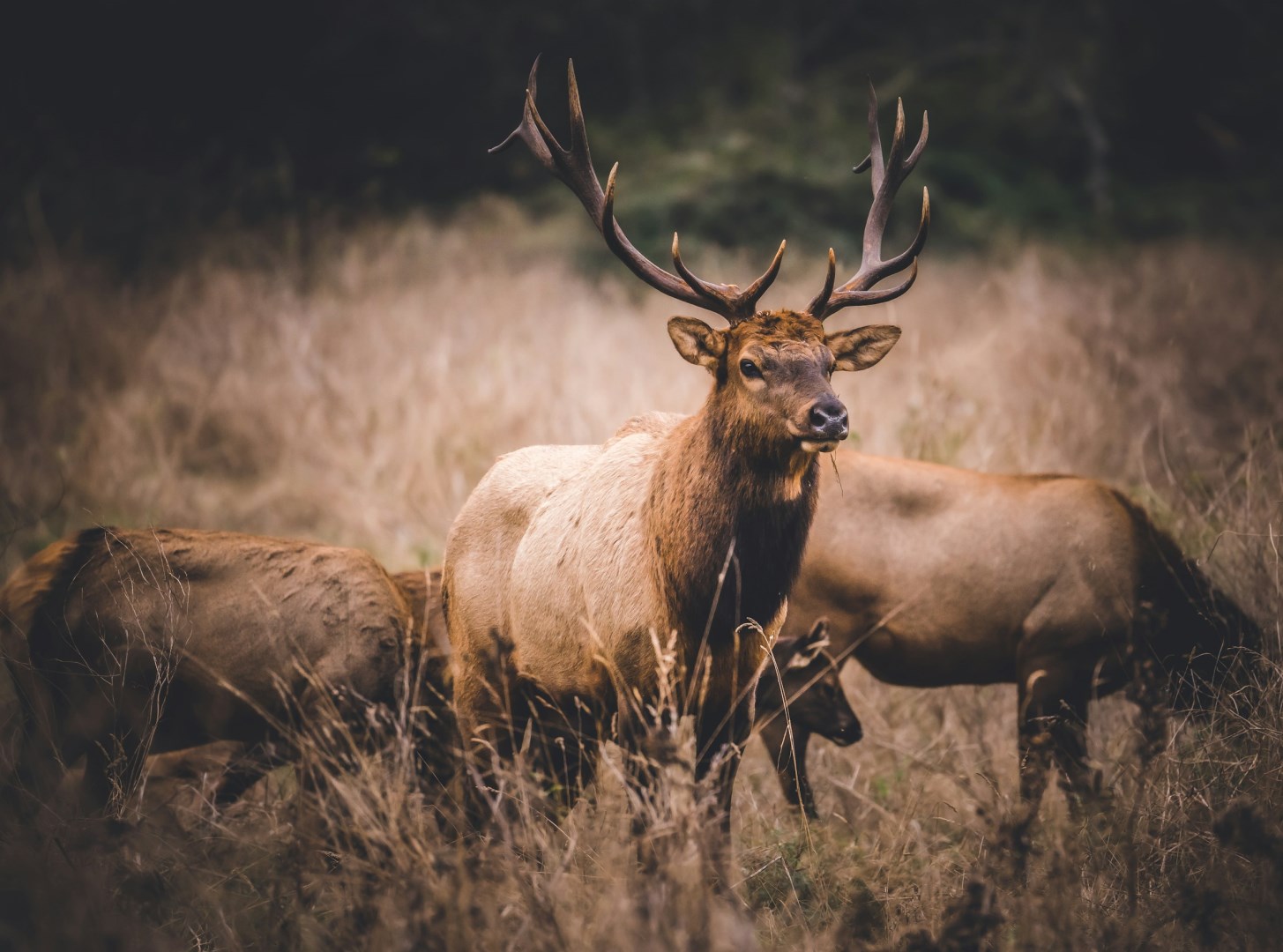
Eureka is a coastal city in Northern California and the largest urban center on Humboldt Bay. It lies between the Pacific Ocean and the forested hills of the Coast Ranges, with redwood country extending inland and wetlands surrounding parts of the bay. Eureka developed as a port and commercial center for the timber industry, and its historic downtown retains many Victorian-era buildings.
Lead
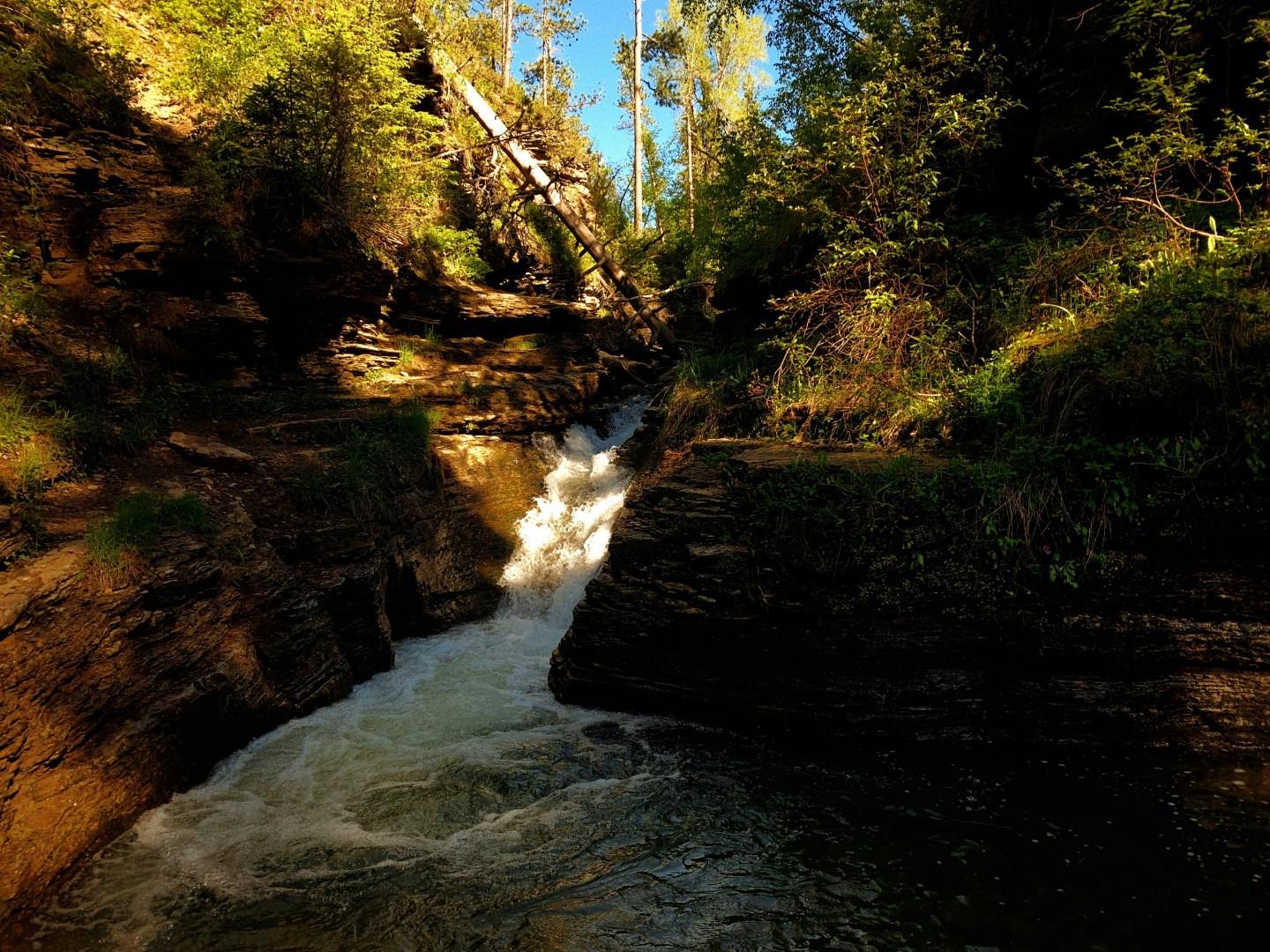
Lead’s Main Street reflects its long history with places that invite people to explore local life beyond mining. The Black Hills Mining Museum offers displays of mining tools, machinery and a simulated underground mine experience that brings to life how miners worked the Black Hills over generations. Along the same street, galleries, cafés and historic buildings make for pleasant stops between deeper dives into the past.